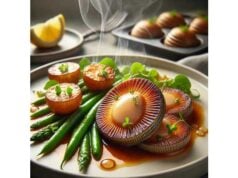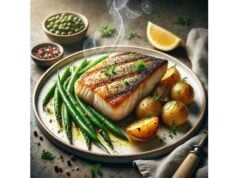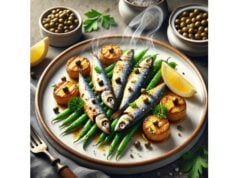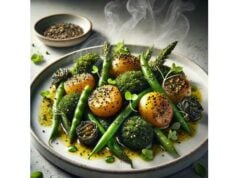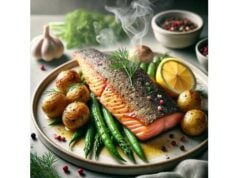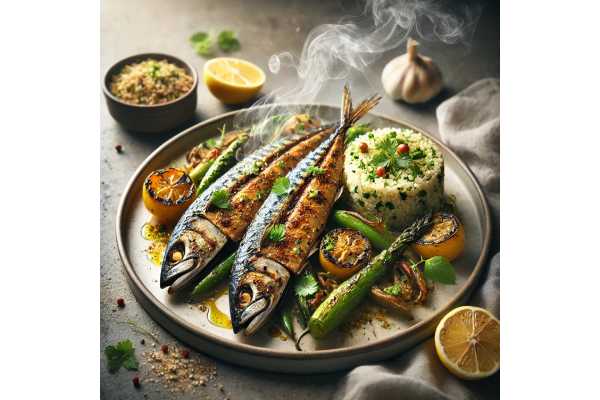
Horse mackerel—sold as Atlantic horse mackerel, jack mackerel, or aji—packs clean, savory flavor into a versatile, budget-friendly fish. Small and fast-growing, it’s usually lower in mercury than large predatory species. In the kitchen, it’s a shapeshifter: grill fillets with lemon and herbs, pan-sear for crispy skin, broil with miso, or poach gently for salads and grain bowls. Nutritionally, horse mackerel offers complete protein, meaningful omega-3s (EPA and DHA), vitamin B12, vitamin D, selenium, and iodine. Whether you prefer Mediterranean-style meals or Japanese-inspired dishes, this fish adapts easily and cooks in minutes. Smart sourcing and careful handling matter—choose well-chilled fillets or high-quality frozen packs, and store them cold. This guide brings together nutrition facts, health benefits, safety notes, sustainability pointers, and practical prep tips so you can put horse mackerel on your table with confidence—deliciously, safely, and in a way that supports both personal health and ocean health.
Quick Overview
- High-quality protein with 0.8–1.6 g EPA+DHA per 100 g; rich in vitamin B12, vitamin D, and selenium.
- Typical serving: 120–150 g cooked fillet (4–5 oz), enjoyed 1–2 times per week within a varied seafood rotation.
- Safety note: as with many dark-meat fish, improper chilling can cause histamine (scombroid) illness; keep fish very cold from purchase to cooking.
- Limit or avoid: anyone with confirmed finfish allergy; those advised to avoid raw or undercooked fish due to parasite risk or medical conditions.
Table of Contents
- Horse mackerel: species, flavor, uses
- Horse mackerel nutrition profile
- Health benefits of horse mackerel
- Risks, allergies and interactions
- Selecting quality sustainability and storage
- Preparation cooking and nutrient retention
- Portions comparisons and FAQs
Horse mackerel: species, flavor, uses
“Horse mackerel” is a common-market name for several closely related, small pelagic fish in the genus Trachurus. The best-known are Atlantic horse mackerel (T. trachurus), Chilean jack mackerel (T. murphyi), and Japanese horse mackerel (T. japonicus, often called “aji”). These fish roam in schools and feed on plankton, small crustaceans, and baitfish—habits that help keep their mercury levels relatively low compared with long-lived predators. They are typically harvested by midwater trawl or purse seine and appear in markets fresh, frozen, or canned.
Culinarily, horse mackerel sits between lean white fish and very oily mackerel. Fresh fillets have silvery skin, darker muscle along the midline, and a pleasantly savory, ocean-forward taste without the intense richness of larger mackerel. When cooked well, the flesh is moist and flaky; the skin crisps beautifully under high heat. In Japanese cooking, aji shines as shioyaki (salt-grilled), tataki (lightly seared and sliced), and in panko-fried cutlets. Across the Mediterranean, you will see fillets grilled with lemon and herbs, folded into tomato-olive sauces, or marinated as escabeche. In Latin American kitchens, horse mackerel shows up in stews, croquettes, and hearty sandwiches.
Versatility is the draw. A quick pan-sear with olive oil and capers makes a weeknight dinner; a miso-broiled fillet pairs with rice and greens; or roast on a sheet pan with potatoes and fennel. Because the fish is modest in fat compared with larger mackerel, it benefits from smart pairing: use a little healthy oil, nuts, or avocado to round out mouthfeel and to help absorb fat-soluble nutrients like vitamin D. For raw or lightly cooked dishes, freeze to appropriate parasite-kill standards before preparation, and serve same-day for quality and safety.
If you’re choosing between species, let freshness guide you rather than fixating on the name. Look for bright, clear eyes; glossy skin; firm flesh; and a clean, briny smell. Whole fish often deliver the best value and quality; fillet them at home or ask your fishmonger to pin-bone and portion. For convenience, high-quality frozen loins are a solid alternative, retaining texture well when thawed gently in the refrigerator.
Horse mackerel nutrition profile
Notes: Values below reflect raw horse mackerel fillet per 100 g. Natural variation by species, season, and diet is normal. Cooking changes water content and nutrient density. % Daily Value (%DV) uses adult DVs and is approximate.
Macros and Electrolytes (per 100 g, raw)
| Nutrient | Amount | %DV |
|---|---|---|
| Energy | 120–170 kcal | — |
| Protein | 18.0–20.5 g | 36–41% |
| Total fat | 4.0–9.0 g | 5–12% |
| Saturated fat | 1.0–2.0 g | 5–10% |
| Carbohydrate | 0 g | — |
| Sodium | 55–90 mg | 2–4% |
| Potassium | 300–460 mg | 6–10% |
| Water | 68–75 g | — |
Fats and Fatty Acids (per 100 g, raw)
| Component | Amount |
|---|---|
| Omega-3 (EPA + DHA) | 0.8–1.6 g |
| Omega-6 total | 0.1–0.3 g |
| Cholesterol | 35–65 mg |
Vitamins (per 100 g, raw)
| Vitamin | Amount | %DV |
|---|---|---|
| Vitamin B12 (cobalamin) | 5.0–9.0 µg | 208–375% |
| Vitamin D (cholecalciferol) | 5–10 µg (200–400 IU) | 25–50% |
| Niacin (vitamin B3) | 6.0–8.0 mg | 38–50% |
| Vitamin B6 (pyridoxine) | 0.3–0.5 mg | 18–29% |
| Vitamin A (RAE) | 20–40 µg | 2–4% |
| Vitamin E (alpha-tocopherol) | 0.4–0.7 mg | 3–5% |
Minerals (per 100 g, raw)
| Mineral | Amount | %DV |
|---|---|---|
| Selenium | 35–55 µg | 64–100% |
| Iodine | 40–150 µg | 27–100% |
| Phosphorus | 200–250 mg | 16–20% |
| Magnesium | 30–40 mg | 7–10% |
| Iron | 1.0–2.0 mg | 6–11% |
| Zinc | 0.5–1.0 mg | 5–9% |
| Calcium | 15–30 mg | 1–2% |
Protein and Amino Acids
- Complete, highly digestible protein profile with all essential amino acids; leucine typically ~1.8–2.1 g/100 g; lysine ~2.1–2.4 g/100 g in small pelagic fish.
- Distributing 25–35 g protein per meal supports muscle protein synthesis; a 120–150 g cooked portion of horse mackerel usually meets that target.
Bioactives
- Marine long-chain omega-3s (EPA and DHA) support heart, brain, and visual function.
- Natural antioxidants (e.g., small amounts of alpha-tocopherol) occur in the muscle and skin; darker muscle stripes contain more heme-iron and flavor compounds.
Allergens and Intolerance Markers
- Contains fish proteins (notably parvalbumin), a common trigger in finfish allergy.
- Histamine can accumulate if temperature control is poor; see safety section.
Contaminants/Residues
- Methylmercury: typically low to moderate in horse mackerel due to small size and short lifespan; rotate species and follow national guidance for pregnancy and children.
- Parasites: wild fish can harbor anisakid larvae; proper freezing or thorough cooking eliminates risk.
Footnote: Canned horse mackerel (in oil or sauce) differs nutritionally—oil adds calories and fat; bones in canned fish boost calcium if softened and eaten. Always check labels for sodium and additives.
Health benefits of horse mackerel
1) Cardiometabolic support from omega-3s
Horse mackerel contributes 0.8–1.6 g of EPA+DHA per 100 g raw (typically ~250–500 mg per 100 g cooked, depending on cooking method and species). Rotating it with oily fish like salmon or sardines helps most adults reach weekly omega-3 targets. EPA and DHA support normal triglycerides, endothelial function, and heart rhythm stability; diets that include fish rich in these fats are associated with lower cardiovascular risk over time.
2) High-quality protein for strength and satiety
A 120–150 g cooked portion delivers ~25–33 g of complete protein for ~180–260 kcal depending on added fat. That composition produces satisfying meals while fitting calorie-conscious plans. Combined with resistance exercise, even modest increases in per-meal protein help preserve lean mass across adulthood and into older age.
3) Vitamin B12, vitamin D, selenium, and iodine coverage
Horse mackerel is a standout B12 source—often several times the daily requirement per 100 g. Vitamin D content varies with species and season yet remains meaningful; pairing with a little healthy fat (olive oil, tahini, or avocado) supports absorption. Selenium aids antioxidant defenses via glutathione peroxidase, and iodine supports thyroid hormone production. For people who eat little red meat or fortified dairy, horse mackerel can help close these micronutrient gaps.
4) Blood sugar–friendly and lunchbox-adaptable
Zero carbs, ample protein, and healthy fats make horse mackerel easy to incorporate into balanced, lower-glycemic meals. Cold leftovers flake nicely into salads or grain bowls, and canned versions travel well—just mind sodium in sauces and select lower-salt options when available.
5) Family-friendly flavor with culinary range
Compared with larger mackerel, horse mackerel tastes a bit milder, especially when ultra-fresh. Simple treatments—salt-grill, lemon-herb broil, quick pan-sear with garlic and cherry tomatoes—encourage regular seafood intake, a pattern linked with better diet quality overall.
What horse mackerel does not do
No single fish guarantees health outcomes. Benefits arise from a pattern of eating seafood 1–2+ times weekly, choosing varied species, preparing them with moderate amounts of healthy fats, and pairing with vegetables, legumes, and whole grains.
Risks, allergies and interactions
Histamine (scombroid) illness
Dark-meat fish—including mackerel, tuna, jacks, and some sardines—are naturally higher in free histidine. If they are not chilled promptly after harvest, bacteria convert histidine to histamine. Cooking and canning do not destroy histamine once formed. Symptoms (flushing, headache, hives, palpitations, diarrhea) usually begin within 10–60 minutes and resolve within a day or two. Prevention is simple: buy from sellers who maintain strict cold chain; keep fish at ≤4 °C (≤40 °F); transport on ice; and refrigerate leftovers promptly.
Parasites (anisakiasis)
Wild horse mackerel can carry anisakid larvae. Freezing to validated kill steps or cooking to 63 °C (145 °F) eliminates risk. People with a history of anisakiasis or severe reactions should avoid raw or undercooked preparations unless the fish has been properly frozen under parasite-kill protocols.
Allergy
Finfish allergy can cross-react among species. Anyone with confirmed fish allergy should avoid horse mackerel unless an allergist confirms tolerance. Dining out or purchasing cooked foods? Clarify preparation methods and avoid cross-contact.
Mercury and contaminants
Small, short-lived species like horse mackerel usually contain lower mercury than large predatory fish. Even so, variety and portion control are smart, particularly for pregnancy, breastfeeding, and young children. Trim any very dark, oxidized muscle if you are sensitive to strong flavors (this affects taste more than safety).
Medication and health considerations
- Anticoagulants/antiplatelets: Omega-3–rich diets can modestly influence bleeding time; ordinary culinary intakes are generally acceptable, but disclose supplements to your clinician.
- Thyroid disorders: Iodine content varies; keep seafood intake steady week to week if you are on thyroid medication.
- Sodium: Canned or brined products can be high; rinse when feasible and check labels.
Bones and texture
Pin bones may remain in fillets. Run fingertips along the flesh and pull any bones with fish tweezers. For children and anyone with swallowing difficulties, choose deboned loins or flake the fish thoroughly after cooking.
Selecting quality sustainability and storage
Buying guide
- Names and labels: You may see “horse mackerel,” “jack mackerel,” “Atlantic horse mackerel,” or “aji.” Ask for the scientific name (Trachurus spp.) to avoid confusion with larger, high-mercury mackerel.
- Fresh vs frozen: High-quality IQF (individually quick frozen) fillets or loins can beat “fresh” fish that traveled long distances. Frozen loins are convenient, portionable, and consistent.
- Signs of freshness: Clear eyes, metallic sheen, tight scales; fillets should be firm, moist, and glossy with a clean sea aroma. Avoid dull, mushy flesh or a strong ammonia smell.
- Cuts: Center-cut loins offer even thickness for pan-searing; tail sections suit stews, pies, and croquettes. Whole fish often deliver best value—ask for scaling, gutting, and gilling.
Sustainability snapshot
- Horse mackerel are small, fast-growing, and widely distributed in the Atlantic and Pacific. Many fisheries use midwater gear that minimizes seafloor contact; bycatch practices vary by region. When available, choose independently certified landings or those from well-managed stocks.
- Diversify your seafood choices across species and catch areas to distribute demand and reduce pressure on single stocks.
Storage and handling
- Refrigeration: Keep at 0–2 °C (32–36 °F) on ice; use within 24–48 hours of purchase. Store fillets on a rack over paper towels; replace towels if wet.
- Freezing: For best quality, vacuum-seal or wrap tightly (plastic plus foil). Freeze at −18 °C (0 °F) for up to 3–4 months. Thaw overnight in the refrigerator on a rack to avoid soggy flesh.
- Leftovers: Chill within 2 hours; eat cold or gently reheat within 48 hours.
Traceability and additives
- Ask sellers about harvest area and date, prior-frozen status, and any additives (e.g., added water or phosphates in some value-added products). Choose minimally processed options for better texture and nutrition.
Smart substitutions
- If horse mackerel is unavailable, try sardines or smaller Atlantic mackerel for stronger omega-3 punch, or lean white fish (hake, pollock) for a milder profile. For salads and sandwiches, high-quality canned fish is a sensible pantry staple—compare sodium across brands.
Preparation cooking and nutrient retention
Horse mackerel’s thin fillets and flavorful skin reward quick, hot cooking—or gentle poaching—while overcooking dries the flesh. Pair with a small amount of healthy fat to enhance flavor and help absorb fat-soluble vitamins.
Core techniques
- Crispy-skin pan-sear
- Pat fillets dry; season with salt and pepper.
- Heat a thin film of oil in a skillet over medium-high until shimmering.
- Lay fillets skin-side down; press lightly for 10–15 seconds to prevent curling.
- Cook 2–3 minutes until the skin is crisp and the flesh turns opaque two-thirds up; flip 30–60 seconds to finish.
- Finish with lemon, parsley, and a teaspoon of olive oil.
- Broiled miso-glaze
- Whisk white miso with a little mirin and rice vinegar; brush onto fillets.
- Broil on the top rack 4–6 minutes, watching closely.
- Serve with steamed greens and rice.
- Sheet-pan roast with tomatoes and olives
- Toss cherry tomatoes, sliced fennel, olives, and garlic with olive oil.
- Roast at 220 °C (425 °F) for 10 minutes.
- Nestle seasoned fillets among the vegetables; roast 6–8 minutes more.
- Olive-oil poach (gentle)
- Warm olive oil with garlic, lemon peel, and thyme to ~70–80 °C (160–175 °F).
- Submerge bite-size fish pieces 6–8 minutes; serve warm over beans or grains.
Nutrient-savvy tips
- Do not overcook. Pull when the thickest point just turns opaque; carryover heat completes cooking.
- Retain omega-3s. Quick searing, steaming, or gentle poaching preserve fats better than prolonged high-heat frying.
- Use the skin. Crisp skin adds flavor and micronutrients; scale well and pat dry for best results.
- Mind sodium. Season boldly with citrus, herbs, mustard, capers, or vinegars rather than relying on salt.
- If serving raw or lightly cooked: use fish that has been frozen to parasite-kill standards; prepare and eat the same day.
Flavor pairings
- Bright: lemon, capers, dill, parsley, chives.
- Savory: miso, soy (light), ginger, garlic, scallions, sesame.
- Mediterranean: tomato, fennel, olives, oregano, basil.
- Comforting: mustard-yogurt sauce, roasted potatoes, sautéed greens.
What to avoid
- Thick batters that trap steam and turn the delicate flesh soggy.
- Holding fillets under heat lamps; quality falls rapidly.
- Re-freezing thawed fish (unless cooked first), which degrades texture.
Portions comparisons and FAQs
Practical portions and weekly frequency
- Adults: 120–150 g cooked (4–5 oz) per serving.
- Weekly pattern: 1–2 servings of horse mackerel within a varied seafood plan totaling ~225–340 g (8–12 oz) per week for most adults.
- Kids and pregnancy: follow national fish advice that emphasizes lower-mercury choices, age-appropriate portions, and variety.
How horse mackerel compares
- Versus large mackerel: milder flavor, leaner, and typically lower in mercury than king or Spanish mackerel.
- Versus sardines: similar omega-3s per 100 g but different texture; sardines often deliver more calcium when canned with bones; horse mackerel offers a slightly subtler taste fresh.
- Versus salmon: lower fat and omega-3 per portion, but higher B12 than many salmon servings; great when you want a lighter plate with robust flavor.
Buying and kitchen swaps
- Use center-cut loins for pan-searing and thinner tail pieces for fish cakes or chowders.
- For bones-in canned fish, mash into spreads to capture extra calcium.
- If you dislike stronger flavors, trim some of the dark midline muscle before cooking or choose very fresh, smaller fish.
FAQs
Is horse mackerel high in mercury?
Generally, no. As small, fast-growing fish, horse mackerel usually fall into lower-mercury categories. Still, rotate species and follow national guidance for pregnancy and young children.
Can I eat horse mackerel raw?
Yes—if it has been frozen to validated parasite-kill steps and handled impeccably cold. When in doubt, cook to 63 °C (145 °F).
Why do some recipes keep the skin on?
The skin crisps beautifully, adds flavor, and protects delicate flesh from overcooking. Scale the skin well and dry it before searing.
What cooking method keeps more omega-3s?
Short, moist or moderate-heat methods—steaming, gentle poaching, quick searing—tend to preserve omega-3s better than prolonged high-heat frying.
Is canned horse mackerel healthy?
It can be. Choose products packed in water or olive oil, compare sodium, and consider options that include softened bones for extra calcium.
References
- Advice about Eating Fish (2024)
- Food Poisoning from Marine Toxins | Yellow Book | CDC (2025)
- About Anisakiasis | Anisakiasis | CDC (2024)
- Quantification and Distribution of Omega-3 Fatty Acids in South Pacific Fish and Shellfish Species (2020)
- Determining the effect of different cooking methods on the nutritional composition of salmon (Salmo salar) and chilean jack mackerel (Trachurus murphyi) fillets (2017)
Disclaimer
This article is educational and does not replace personalized medical advice, diagnosis, or treatment. Nutrient values and contaminant levels vary by species, size, catch area, and processing. If you are pregnant or breastfeeding, preparing food for young children, have a finfish allergy, thyroid disease, cardiovascular conditions, or take prescription anticoagulants, seek guidance from a qualified health professional and follow your local public health recommendations.
If you found this guide useful, please consider sharing it on Facebook, X (formerly Twitter), or your preferred platform to help support the continued creation of clear, evidence-based food resources.