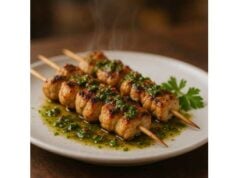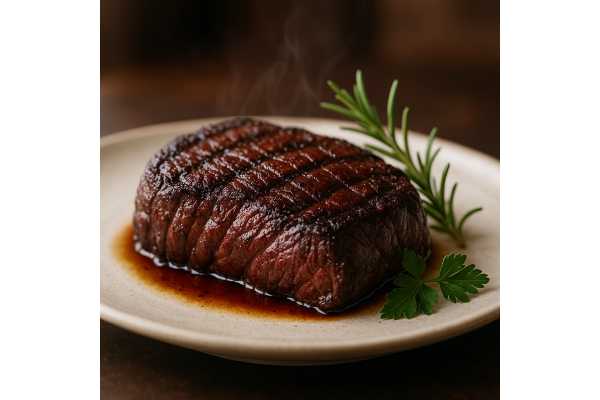
Horse meat is a lean red meat eaten in parts of Europe, Central Asia, and Japan. It brings a distinctive, slightly sweet flavor, a fine grain, and impressive amounts of complete protein, iron, zinc, and vitamin B12. Because the muscle fibers are relatively fine and intramuscular fat is modest, quick, high-heat methods can yield tender results when the meat is not overcooked. In traditional cuisines you will see steaks, roasts, cured cuts, sausages, and even raw preparations, though raw meat carries avoidable risk. From a nutrition standpoint, horse meat is notable for delivering very little carbohydrate, moderate total fat, and a favorable share of unsaturated fatty acids compared with many other red meats.
Like all animal foods, responsible sourcing and cold-chain handling matter. Traceability, veterinary-drug controls, and routine parasite testing exist in many markets; choosing reputable suppliers helps you benefit from the meat’s nutrient density while minimizing risks. This guide walks through what’s in horse meat, who it’s good for, how to select and cook it, and what safety steps to follow at home.
Quick Overview
- High in complete protein (≈21–28 g per 100 g) and rich in iron and vitamin B12.
- Leaner than many red meats; contains meaningful monounsaturated and polyunsaturated fats.
- Typical cooked portion 85–100 g once or twice weekly fits most balanced diets.
- Avoid raw or undercooked horse; people with alpha-gal syndrome, pregnancy, or immune compromise should use extra caution.
- Source from traceable suppliers; ensure veterinary-drug compliance and proper cold storage.
Table of Contents
- Horse Meat: Detailed Overview
- Horse Meat Nutrition Profile
- Health Benefits of Horse Meat
- Horse Meat Risks, Allergies and Interactions
- Selecting Quality Horse Meat, Sustainability and Storage
- Preparation, Cooking and Nutrient Retention for Horse Meat
- Portions, Comparisons and FAQs for Horse Meat
Horse Meat: Detailed Overview
What it is. Horse meat is the edible flesh of Equus caballus and related equids. In global terms it is a niche meat, but it is culturally mainstream in countries such as Italy, Belgium, France, Kazakhstan, Mongolia, and parts of Japan. In retail you may see it simply labeled “equine,” “cheval,” or “cavallo.”
Taste and texture. The flavor is gently sweet and game-like, sitting between beef and venison. Because horses are athletic animals with well-worked muscles, the meat’s texture is fine-grained yet firm. Cuts from the loin and tender muscles grill well; more active muscles (e.g., shoulder, round) benefit from braising or sous-vide to convert collagen.
Cuts and products.
- Steaks and roasts: striploin, tenderloin, top round, and rump are most common for quick cooking.
- Slow-cook cuts: shoulder (chuck), shank, neck, and cheek develop deep flavor with moist heat.
- Cured items: smoked fillets, bresaola-style air-dried slices, and seasoned sausages.
- Organ meats: liver and heart are available in some markets; these are nutrient-dense but require careful prep.
How it compares. Versus beef of similar leanness, horse typically has comparable protein with somewhat lower total fat and a higher share of polyunsaturated fatty acids. It is also naturally very low in carbohydrate, providing no intrinsic sugars or starch.
Sourcing landscape. Supply chains range from small domestic producers to imports from regulated plants. In the European Union, horses entering the human food chain must meet traceability and veterinary-drug control requirements; many jurisdictions also test equine carcasses for Trichinella parasites. In Japan, select regions serve raw horse (“basashi”); outside such settings, raw consumption is neither necessary nor advisable due to avoidable infection risk.
Who it suits. People looking for iron and B-vitamin–rich protein—such as those who eat red meat sparingly but want high nutritional return per portion—often find horse meat compelling. Conversely, individuals with mammalian-meat allergy (alpha-gal syndrome), gout that flares with purine-rich foods, or specific religious, cultural, or ethical reasons may avoid it.
Culinary summary. Treat tender cuts like lean beef: quick sear to medium-rare to medium to preserve juiciness. For tougher cuts, low-and-slow methods that hydrate and gelatinize collagen shine. Bright, aromatic accompaniments (citrus zest, mustard, parsley, pickled vegetables) balance the meat’s subtle sweetness.
Horse Meat Nutrition Profile
The tables below provide typical values per 100 g for raw and cooked (roasted) horse meat. Values vary by cut, fat cover, and cooking losses; use them as realistic averages. %DV uses standard adult Daily Values (protein 50 g; total fat 78 g; saturated fat 20 g; cholesterol 300 mg; potassium 4700 mg; iron 18 mg; zinc 11 mg; phosphorus 700 mg; selenium 55 µg; vitamin B12 2.4 µg; niacin 16 mg; vitamin B6 1.7 mg; riboflavin 1.3 mg; thiamin 1.2 mg).
Raw horse meat — per 100 g
| Category | Amount | %DV |
|---|---|---|
| Energy | 133 kcal | — |
| Protein | 21.4 g | 43% |
| Total fat | 4.6 g | 6% |
| Saturated fat | 1.4 g | 7% |
| Monounsaturated fat | 1.6 g | — |
| Polyunsaturated fat | 0.6–0.7 g | — |
| Cholesterol | 52 mg | 17% |
| Carbohydrate | 0 g | 0% |
| Sodium | 53 mg | 2% |
| Potassium | ~360 mg | 8% |
| Phosphorus | ~220 mg | 32% |
| Zinc | ~2.9 mg | 26% |
| Iron | ~3.8 mg | 21% |
| Selenium | ~10 µg | 18% |
| Thiamin (B1) | ~0.08–0.10 mg | 7–8% |
| Riboflavin (B2) | ~0.10–0.12 mg | 8–9% |
| Niacin (B3) | ~4.5–5.0 mg | 28–31% |
| Vitamin B6 | ~0.30–0.40 mg | 18–24% |
| Vitamin B12 | ~3.0 µg | 125% |
Cooked, roasted horse meat — per 100 g
(Moisture loss concentrates some nutrients per 100 g cooked.)
| Category | Amount | %DV |
|---|---|---|
| Energy | ~170–180 kcal | — |
| Protein | ~27–28 g | 54–56% |
| Total fat | ~6.0–6.5 g | 8–9% |
| Saturated fat | ~1.9 g | 10% |
| Cholesterol | ~68 mg | 23% |
| Carbohydrate | 0 g | 0% |
| Potassium | ~380 mg | 8% |
| Phosphorus | ~260 mg | 37% |
| Zinc | ~3.5 mg | 32% |
| Iron | ~5.0 mg | 28% |
| Vitamin B12 | ~3.2–10 µg | 133–416% |
Fats & fatty acids (typical)
- Predominantly monounsaturated (oleic acid) with a meaningful polyunsaturated fraction; saturated fat is modest for a red meat.
- Omega-3 content depends on diet and age; grass-fed animals tend to show higher long-chain polyunsaturates than grain-finished animals.
Protein & amino acids
- Complete protein with all essential amino acids; leucine, lysine, and valine are abundant.
- Collagen content rises in active muscles; slow cooking improves digestibility.
Glycemic & acid–base
- Carbohydrates: 0 g; glycemic index: not applicable.
- As with most animal proteins, the potential renal acid load is positive; pair with vegetables/potatoes to balance a plate.
Contaminants/residues & additives
- Fresh horse meat is not typically fortified.
- Regulatory systems in many markets test for Trichinella in equines and restrict horses treated with certain veterinary drugs from entering the food chain. Choose traceable, inspected products.
Footnote: Exact micronutrients vary by cut, age, sex, feed, and trimming; cooking methods that shed moisture increase per-100-g concentrations even if total nutrient content per steak changes little.
Health Benefits of Horse Meat
Efficient iron and B12 delivery. Horse meat provides heme iron and vitamin B12—two nutrients that support red blood cell formation and neurological function. A modest 100 g cooked portion can supply roughly a quarter to a third of daily iron needs and more than a day’s worth of B12. Heme iron has higher bioavailability than non-heme iron from plants, making it a reliable option for people whose diets otherwise skimp on iron.
High-quality protein for muscle maintenance. At ~27–28 g protein per 100 g cooked, horse meat is dense in essential amino acids, helping maintain muscle mass during weight control or aging. Compared with fattier red meats, you get more protein per calorie, which can assist satiety and weight management when portions are moderate.
Favorable fat profile for a red meat. While it is still a red meat and should be eaten in moderation, horse meat typically contains less saturated fat than marbled beef and offers a greater share of monounsaturated fats. Depending on the animal’s diet, it can also contribute polyunsaturated fatty acids that support normal cell function.
Naturally low in carbohydrate. With 0 g of intrinsic carbohydrate, horse meat has no direct impact on post-meal blood glucose. This makes it a flexible protein for people planning lower-carbohydrate patterns—bearing in mind that overall dietary balance is what matters most.
Mineral breadth beyond iron. Potassium, zinc, and phosphorus arrive in meaningful amounts. Zinc supports immune function and wound healing; phosphorus works with calcium to maintain bone and energy metabolism. Selenium appears in modest amounts, contributing antioxidant enzyme activity.
Culinary flexibility supports healthier patterns. Because lean cuts cook quickly, it’s easy to build a plate with ample vegetables and whole-grain sides without relying on heavy sauces. Marinating in olive oil, herbs, and acidity (wine, vinegar, citrus) can boost flavor while keeping sodium moderate.
Context and moderation. Even with positive attributes, horse meat is still a red meat. Rotating proteins (poultry, fish, legumes, eggs, dairy, tofu/tempeh) improves nutrient diversity and aligns with widely recommended eating patterns. Aim for modest portions and mindful frequency.
Horse Meat Risks, Allergies and Interactions
Parasites and raw products. Historically, outbreaks of trichinellosis have been linked to raw or undercooked horse meat in some regions. Many jurisdictions require Trichinella testing for slaughtered equines; nevertheless, consumers should fully cook meat to safe temperatures and avoid raw preparations unless local rules, testing, and professional controls explicitly ensure safety. Home freezing is not a guaranteed control step because some Trichinella species tolerate cold.
Veterinary-drug residues. Horses treated with medications not permitted for food animals (notably phenylbutazone, an anti-inflammatory) must not enter the food chain. Modern traceability—such as equine identification “passports” and slaughterhouse documentation—exists to prevent this. Buy from reputable retailers that participate in official controls.
Food poisoning hazards. As with all meat, Salmonella, E. coli, and other pathogens are possible if handling and cooking are poor. Keep meat refrigerated (≤4 °C), avoid cross-contamination, and cook to safe internal temperatures (see the cooking section). Leftovers should be chilled quickly and used within 3–4 days.
Allergies and intolerances.
- Alpha-gal syndrome: A tick-borne condition can cause delayed allergic reactions to mammalian meats (including horse). Anyone diagnosed should avoid horse meat unless their clinician says otherwise.
- Protein intolerance or histamine sensitivity: Long-aged or improperly stored meats may cause symptoms in sensitive individuals.
- Organ meats: Liver and kidney are nutrient-dense but can be high in vitamin A or purines; those managing gout or on vitamin A-related therapies should limit intake.
Population cautions. Pregnant people, young children, older adults, and those with weakened immune systems should avoid raw or undercooked meat. Discuss red-meat intake with a clinician if you have cardiovascular disease, high LDL-cholesterol requiring dietary management, or hemochromatosis (iron overload).
Environmental and ethical considerations. Some consumers avoid horse meat on ethical grounds. Where production occurs, welfare standards, transport conditions, and humane slaughter practices vary by country. Selecting suppliers with transparent welfare auditing can align purchases with personal values.
Medication interactions. There are no typical direct drug–food interactions unique to horse meat. If you take iron supplements, be aware that a meat-rich meal may increase total iron intake beyond what you intend; coordinate with your clinician.
Selecting Quality Horse Meat, Sustainability and Storage
How to read labels. Look for country of origin, cut name, and whether the meat is fresh, vacuum-packed, or frozen. In regulation-heavy markets, equine identification and veterinary-drug compliance underpin eligibility for the food chain—retailers that emphasize traceability are a safer choice.
Freshness cues.
- Color: deep ruby to purplish-red; surface should be moist but not wet.
- Odor: clean and neutral; any sour or “barnyard” smell is a warning.
- Texture: fine, tight grain with minimal visible sinew on quick-cook cuts; firm, springy feel under gentle pressure.
Choosing cuts for your goal.
- Grilling/searing: striploin, tenderloin, rib-eye-equivalent, top sirloin.
- Pan-roast/oven: rump, top round, sirloin tip.
- Braise/sous-vide: shoulder (chuck), shank, neck, cheek—connective tissue transforms to gelatin for succulent results.
Sustainability snapshot.
- Equines are hindgut fermenters (not ruminants), so methane profile differs from cattle; however, environmental impact depends more on feed, transport, and age at slaughter than on species alone.
- Because global production is limited, air-freighted imports can inflate the carbon footprint. Choosing local or regional supply, when available, reduces transport emissions.
- Nose-to-tail use (bone broth, trim for stews) minimizes waste.
Storage and handling.
- Refrigerate at ≤4 °C and use fresh meat within 2–3 days.
- Freeze tightly wrapped portions at −18 °C for up to 6–12 months for best quality; thaw in the refrigerator, not on the counter.
- Marinades: keep chilled; discard used marinades or boil them for several minutes before serving as a sauce.
- Cross-contamination: dedicate a cutting board for raw meat; wash knives and hands thoroughly.
Smart shopping checklist.
- Buy from retailers that can explain origin and drug-residue controls.
- Prefer vacuum-sealed packs with clear pack and use-by dates.
- For minced/ground horse, prioritize same-day use or immediate freezing because ground products have higher handling risk.
- Ask your butcher for cooking guidance; overcooking lean cuts is the most common disappointment.
Preparation, Cooking and Nutrient Retention for Horse Meat
Safe temperatures first.
- Whole cuts (steaks/roasts): cook to an internal 63 °C and allow a 3-minute rest.
- Ground/minced horse: cook to 71 °C.
These targets balance safety with quality for lean, quick-cooking meat.
Seasoning and marinades. Because horse is lean, fat-based flavor carriers help: olive oil or neutral oil plus salt, pepper, garlic, crushed juniper, mustard, or rosemary. A little acidity (wine, sherry vinegar, lemon) brightens the meat’s natural sweetness. Keep marinades thin and salt early to improve surface browning.
Techniques that work.
- Hard sear, gentle finish (steaks): Pat dry, season, and sear 60–90 seconds per side in a very hot pan; finish in a 160–175 °C oven to 63 °C internal, then rest.
- Reverse sear (thicker roasts): Cook low at 110–120 °C to ~55–58 °C internal, rest 10 minutes, then sear quickly in a ripping-hot pan.
- Sous-vide plus sear: 55–58 °C for 1–2 hours for tender cuts, then a quick crust. For food-safety margins, finish to the recommended temperatures.
- Braising (shoulder/shank): Brown lightly; add aromatics and liquid (stock, wine, tomatoes). Simmer covered at 90–95 °C until fork-tender; collagen converts to gelatin, enriching the sauce.
- Ground applications: Burgers, meatballs, and ragù benefit from a little added fat (e.g., 10–15% beef/pork back fat or olive oil) to prevent dryness.
Retaining nutrients.
- Moisture loss concentrates nutrients per 100 g cooked (e.g., B12 and iron appear higher after cooking because water is lost), but total nutrient per steak changes little if drippings are discarded.
- Use gentle heat and avoid prolonged high-temperature charring to preserve B-vitamins and reduce formation of unwanted compounds.
- Keep drippings for sauces or stews to capture water-soluble vitamins and minerals.
- Pairing matters: serving with vitamin C-rich sides (citrus salad, peppers, tomatoes) can enhance non-heme iron absorption from vegetable sides eaten alongside the meat.
Flavor builders with balance. Horse meat shines with bright, herbal, and lightly sweet accents: gremolata, mustard-caper pan sauce, pickled shallots, or a quick peppercorn jus. For braises, think root vegetables, mushrooms, thyme, and a splash of red wine.
Common pitfalls. Overcooking lean steaks, skipping the rest (which causes purge), and using too little heat for searing are the top errors. A thermometer and a hot pan solve most issues.
Portions, Comparisons and FAQs for Horse Meat
Suggested portions and frequency.
- Cooked portion: 85–100 g (about a deck of cards to a small palm) provides ~24–28 g of protein.
- Weekly pattern: Many people do well with 1–2 meals of red meat per week within an overall pattern rich in vegetables, legumes, whole grains, fish, and poultry. Adjust to personal health goals and cultural practices.
How it compares to other meats (per 100 g cooked, typical).
- Horse vs beef (lean sirloin): similar protein; horse often has slightly less saturated fat and a touch more polyunsaturated fat.
- Horse vs venison: both are lean; venison can be even leaner but tends to have stronger game notes.
- Horse vs lamb: lamb typically carries more saturated fat per 100 g and a more pronounced flavor.
- Horse vs poultry: poultry breast is leaner and milder but supplies less iron and B12.
Budgeting and availability. Where legal and culturally accepted, prices vary by cut and import route; tenderloin and striploin command premiums, while shoulder and shank are economical and flavorful with time and moisture.
Frequently asked questions.
- Is raw horse safe if frozen first? Freezing at home is not a reliable control for all Trichinella species. Unless local regulations and professional controls specifically permit raw service, cook thoroughly.
- Why is the color so dark? High myoglobin (oxygen-binding protein) gives horse meat a deep red color—normal and not a sign of spoilage on its own.
- Can I grind it myself? Yes, but chill the meat and grinder parts well, sanitize equipment, and cook the ground meat to 71 °C.
- Does horse meat raise cholesterol more than beef? Dietary cholesterol and saturated fat both matter. Lean horse typically has less saturated fat than marbled beef; overall diet and portion size remain the key drivers.
- What about organ meats? Nutritious but potent: liver is high in vitamin A and iron; enjoy sparingly if you have gout, iron overload, or are advised to limit vitamin A.
Smart plate ideas.
- Sear 120–150 g raw weight striploin (finishes ~100 g cooked) with peppercorn-mustard pan sauce; serve with roasted carrots and a lemon-herb farro salad.
- Braise shoulder cubes with mushrooms, onions, thyme, and red wine; finish with parsley and orange zest over polenta.
- Make a lean ragù using minced horse, olive oil, crushed tomatoes, garlic, and fennel seed; simmer gently and serve with whole-grain pasta and a bitter-greens salad.
References
- Safe Minimum Cooking Temperature Chart 2024 (Guideline)
- Fatty Acid Composition and Volatile Profile of the Longissimus Dorsi Muscle of Horses Slaughtered at Different Ages 2021 (Study)
- Commission Implementing Regulation (EU) 2015/1375 of 10 August 2015 laying down specific rules on official controls for Trichinella in meat (Codification) 2023 (Regulation)
- Meat Production Potential of Local Horse Breeds—A Review 2025 (Review)
- Joint Statement of EFSA and EMA on the presence of residues of phenylbutazone in horse meat 2013 (Statement)
Disclaimer
The information in this article is educational and general in nature. It is not a substitute for personalized medical advice, diagnosis, or treatment. Always consult a qualified healthcare professional about your specific health needs, diet, and food safety questions—especially if you are pregnant, immunocompromised, managing a medical condition, or considering significant dietary changes.
If you found this guide useful, please consider sharing it with friends or colleagues on Facebook, X (formerly Twitter), or the platform you prefer. Your support helps us continue producing clear, high-quality nutrition resources.