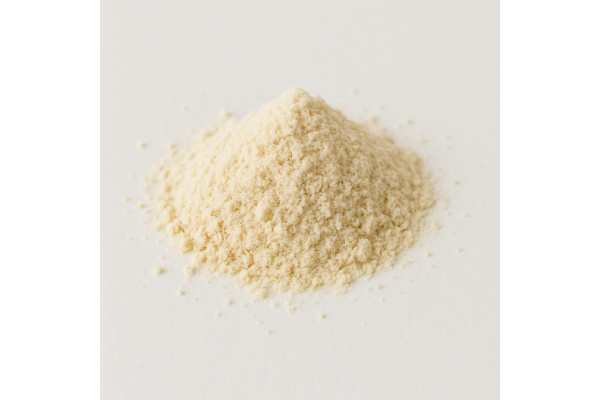
Horseradish powder captures the intense, nose-tingling heat of fresh horseradish root in a convenient, shelf-stable form. Made by drying and grinding the root, it delivers concentrated flavor that can instantly transform sauces, rubs, dressings, and prepared foods. Beyond its culinary punch, horseradish powder provides glucosinolates and related sulfur compounds that have been studied for antimicrobial and anti-inflammatory properties, particularly when used in standardized extracts. At the same time, its sharp volatile oils can irritate sensitive tissues if eaten in excess.
This article walks you through what horseradish powder actually is, how it compares with fresh root and prepared sauces, what is known about its nutrients and active compounds, and what current research suggests about potential health effects. You will also find practical guidance on choosing a high-quality product, storing it for maximum potency, using it in cooking without losing its character, and keeping portions safe for different health situations.
Horseradish Powder Quick Overview
- Provides pungent flavor and glucosinolate-derived compounds that may support antimicrobial and anti-inflammatory effects in certain preparations.
- Can irritate the mouth, stomach, or urinary tract in high amounts, especially in people with existing sensitivities.
- Typical culinary serving is about 1–2 g (roughly ¼–½ teaspoon) per person, used a few times per week as part of a varied diet.
- People with mustard or Brassicaceae allergy, active digestive ulcers, kidney disease, or thyroid conditions should use horseradish powder cautiously and seek individual medical advice.
Table of Contents
- How horseradish powder is made and used
- Horseradish powder nutrition details
- Research on horseradish powder benefits
- Safety issues, allergy and interactions
- Selecting horseradish powder and storage
- Cooking with horseradish powder smartly
- Horseradish powder portions and questions
How horseradish powder is made and used
Horseradish powder starts with the thick, ivory-colored root of the horseradish plant, a pungent member of the cabbage family. After harvest, the roots are washed, trimmed, and usually peeled to remove soil and surface imperfections. They are then sliced or shredded and dried at carefully controlled temperatures to prevent spoilage while trying to preserve aroma and natural enzymes. Once the moisture content is low enough, the dried pieces are milled into a fine powder and sometimes sifted for uniform texture.
The key to horseradish’s signature heat is a system that only fully activates when the tissue is damaged. In intact root, glucosinolates such as sinigrin are stored separately from the enzyme myrosinase. When the root is grated, chopped, or ground, myrosinase can act on those glucosinolates to form isothiocyanates, including allyl isothiocyanate, which create the sharp, volatile vapors that rush into your nose and sinuses. Depending on how gently the root is dried, some of this system survives into the powder and can be reactivated when you mix it with water.
Commercial horseradish powder can be sold in several forms:
- Pure ground horseradish root, with nothing added.
- Blends where horseradish is mixed with mustard, garlic, or other spices.
- Ingredients for food manufacturers, sometimes standardized for pungency or specific compounds.
In the kitchen, horseradish powder is prized for convenience. It dissolves easily into:
- Creamy condiments such as mayonnaise, sour cream, yogurt dips, and sandwich spreads.
- Dry rubs and spice blends for beef, lamb, game, and robust fish such as salmon or mackerel.
- Bloody Mary–style drinks, cocktail sauces, and tomato-based marinades.
- Salad dressings, especially those with mustard, vinegar, and herbs.
Compared with fresh horseradish root, powder is less messy and much more shelf-stable, though it may offer a slightly different flavor profile and less explosive heat. Compared with prepared horseradish sauces in jars, powder usually contains fewer added ingredients such as oil, sugar, or large amounts of salt. It is also easier to dose precisely, which matters for people with a lower tolerance for very spicy foods.
Because horseradish powder is highly concentrated, a little goes a long way. Starting with a fraction of a teaspoon and adjusting gradually allows you to achieve the flavor you want without overwhelming the dish or your digestive system.
Horseradish powder nutrition details
Nutritionally, horseradish powder is derived from the same root that is eaten fresh, but dehydration concentrates some components while reducing others. Fresh prepared horseradish, eaten as a condiment, is low in calories but contains several nutrients in modest amounts. Per 100 g of prepared horseradish, there are roughly several dozen kilocalories, a small amount of protein and fat, around 10–12 g of carbohydrate, 3–8 g of fiber, and meaningful amounts of vitamin C and potassium. However, most people use a teaspoon or two at a time, resulting in only a few calories and small contributions of micronutrients per serving.
When the root is dried and ground into powder, each gram contains more of the original solid material because the water has been almost completely removed. This means that, gram for gram, horseradish powder is somewhat more calorie-dense and nutrient-dense than fresh root. In practice, though, the serving sizes are still very small, so horseradish powder is best thought of as a flavoring with interesting bioactive compounds rather than as a major macronutrient source.
Beyond macronutrients, horseradish powder is valued for its phytochemicals. Key groups include:
- Glucosinolates, especially sinigrin and related compounds that can be converted into isothiocyanates when myrosinase is active.
- Isothiocyanates such as allyl isothiocyanate and related molecules that contribute to the pungent aroma and have been studied for antimicrobial and anti-inflammatory actions.
- Other sulfur-containing compounds that influence both flavor and potential biological effects.
- Phenolic compounds and flavonoids that contribute to antioxidant capacity in experimental systems.
Drying and milling can affect this profile. High drying temperatures or prolonged storage may partially inactivate myrosinase or allow some isothiocyanates to evaporate or degrade. On the other hand, carefully dehydrated powder can still generate pungent vapors when mixed with water, indicating that at least part of the glucosinolate–myrosinase system remains functional.
Vitamin C, which is abundant in fresh horseradish root, is especially sensitive to heat and oxygen. As a result, horseradish powder is likely to contain less vitamin C than the fresh root on a per gram basis, and the small serving size further limits its impact on daily intake. Minerals such as potassium and calcium are more stable, so they tend to remain present, though again in modest absolute amounts at typical culinary doses.
If you use horseradish powder that is blended with salt or other ingredients, the nutrition changes accordingly. Some commercial products can be relatively high in sodium per teaspoon. Checking the label is important if you monitor blood pressure or total salt intake.
Overall, horseradish powder is best described as a low-calorie seasoning that delivers small amounts of fiber, minerals, and a distinctive set of sulfur-based compounds that may have functional roles beyond basic nutrition.
Research on horseradish powder benefits
Much of the scientific work on horseradish focuses on its root, standardized extracts, or isolated compounds, rather than on the exact culinary powders used in home kitchens. Still, these findings help explain why horseradish has been used traditionally for respiratory and urinary complaints and what its active components may be doing in the body.
One area of research examines allyl isothiocyanate and related compounds formed from horseradish glucosinolates. These molecules have shown broad antimicrobial activity in experimental systems, inhibiting growth of various bacteria and fungi at sufficiently high concentrations. In the context of foods, this makes them interesting as natural preservatives and as contributors to the safety and shelf life of certain products.
Another line of investigation looks at anti-inflammatory effects. A study using an aqueous extract of horseradish root found that it could dampen inflammatory signaling in human immune cells exposed to bacterial components. The extract reduced production of inflammatory messenger molecules and modulated enzymes involved in eicosanoid synthesis. Interestingly, the researchers concluded that compounds other than the well-known allyl isothiocyanate were responsible for much of this effect, suggesting a broader spectrum of active constituents in horseradish.
Horseradish is also frequently combined with nasturtium in herbal medicines used for uncomplicated respiratory and urinary infections. Clinical trials of such combinations have reported improvements in symptom scores in conditions such as acute bronchitis or sinus inflammation when compared with standard treatments or placebo. These products typically use standardized dried plant powders or extracts, often at doses far higher than what you would consume in a spoonful of kitchen spice, but they provide human data on safety and possible benefits.
In the area of chronic disease prevention, research on isothiocyanates from cruciferous vegetables has looked at potential roles in supporting the body’s detoxification systems, protecting cells from oxidative stress, and influencing signaling pathways related to cell growth. Some isothiocyanates have shown the ability to influence enzymes that process carcinogens, and to affect cell cycle regulation in experimental cancer models. These findings are promising but do not mean that horseradish powder, by itself, can prevent or treat cancer in humans.
A key takeaway is dose and context. The concentrations used in laboratory experiments often exceed what is achieved with small culinary servings, and standardized medicinal formulations are not equivalent to a pinch of spice in a sauce. From a practical standpoint, horseradish powder is best viewed as one pungent member of the wider cruciferous group. Within a diet rich in vegetables, herbs, and spices, it can contribute unique compounds that complement other foods, but it should not be relied on as a sole therapeutic agent.
Safety issues, allergy and interactions
Horseradish powder is generally safe for most healthy adults when used sparingly as a condiment. However, its intense volatile compounds and glucosinolate-derived isothiocyanates can cause problems in certain situations.
The most immediate concern is irritation. The same vapors that clear your sinuses can irritate the mouth, throat, esophagus, and stomach if consumed in larger amounts. People may notice burning sensations, watery eyes, or coughing if they inhale or eat too much at once. In the digestive tract, high intakes can trigger heartburn, stomach pain, or loose stools, especially in individuals with reflux disease, gastritis, or peptic ulcers.
The urinary tract is another sensitive area. Animal and toxicology studies on allyl isothiocyanate have reported bladder irritation and, at high chronic doses, changes in bladder tissue. Regulatory agencies have used these findings to set conservative limits for daily intake from additives and all dietary sources combined. Culinary use of horseradish powder at household levels is far below those levels for most people, but it is wise not to treat horseradish as a bulk supplement or consume it in very large quantities over long periods.
Allergic reactions are possible, particularly in people who already react to mustard, wasabi, or other members of the cabbage family. Symptoms can range from mild oral itching and swelling to more serious reactions. Some horseradish powders are processed in facilities that also handle mustard, celery, or sesame, which may introduce traces of these allergens. Reading labels is important if you have known food allergies.
Because glucosinolates and isothiocyanates can influence thyroid-related pathways in animals when consumed in very high amounts, there is sometimes concern about cruciferous vegetables in people with thyroid disease. Human studies suggest that typical dietary intakes of these vegetables are not likely to impair thyroid function in individuals with sufficient iodine intake. However, large, sustained intakes of goitrogenic foods in the context of low iodine status have been associated with thyroid enlargement in certain settings. For someone with existing thyroid disease or iodine deficiency, moderation and individual medical guidance are prudent.
Other groups that should be cautious include:
- People with kidney disease, as very pungent substances and concentrated herbal products can sometimes aggravate symptoms.
- Pregnant or breastfeeding individuals, because safety data for high-dose horseradish preparations are limited. Culinary use in small amounts is usually considered acceptable, but concentrated powders and supplements should not be used without professional advice.
- Those taking medications that rely heavily on liver detoxification pathways. Isothiocyanates can influence drug-metabolizing enzymes in experimental models, although the practical impact at culinary doses is unclear.
If you experience burning, persistent digestive discomfort, rash, or breathing difficulty after eating horseradish powder, stop using it and seek medical evaluation. When used thoughtfully in small culinary quantities, most people can enjoy its flavor safely.
Selecting horseradish powder and storage
Quality varies widely among horseradish powders, so choosing a good product makes a noticeable difference in both flavor and safety.
Start with the ingredient list. Ideally, you want a product that lists only horseradish root, sometimes under its botanical name. If there are added ingredients, look for simple components such as salt or anti-caking agents that you understand. Be cautious with powders that contain added flavors or coloring agents if you are trying to minimize additives.
A strong, clean aroma is a good sign of freshness. When you open a new container, you should notice the characteristic pungent smell even before tasting the powder. A dull, musty, or faint aroma may mean the powder is old, improperly stored, or made from low-quality raw material. Color can range from off-white to light beige. Very dark or uneven coloration may indicate age, oxidation, or admixture with other spices.
If you buy in bulk or from lesser-known sources, consider the following:
- Look for packaging that protects from light and moisture, such as opaque bags or tins with airtight lids.
- Check for a lot number and best-before date, which suggest better manufacturing and traceability practices.
- Prefer suppliers who provide some information about origin, handling, or testing for contaminants.
Horseradish is a hardy plant and is not typically among the crops most associated with pesticide residues, but good agricultural practices still matter. Organic certification can be a useful indicator if you prioritize reduced pesticide use, though it is not the only marker of quality.
From a sustainability perspective, horseradish is a perennial or long-lived crop in many regions and can be grown in temperate climates with relatively modest inputs. Choosing powder produced closer to where you live, when possible, may reduce transport impacts. Refillable containers or bulk purchasing can help cut down packaging waste.
Once you have a good-quality powder, storage becomes the main factor in preserving its character. Exposure to heat, light, air, and moisture all accelerate the loss of volatile isothiocyanates and the degradation of flavor. Store horseradish powder in a tightly sealed container in a cool, dry, dark place. Avoid keeping it above the stove or near the dishwasher, where temperature and humidity fluctuate.
For home use, buying modest quantities that you can finish within six to twelve months is more realistic than stocking up large amounts. Over time, even well-stored powder will gradually lose intensity. If you notice that you need more and more powder to achieve the same heat, it is likely time to replace it with a fresher batch.
Cooking with horseradish powder smartly
Getting the most from horseradish powder in the kitchen means understanding how its flavor is created and how heat, time, and acidity affect it. The sharp, sinus-clearing quality comes from isothiocyanates formed when myrosinase acts on glucosinolates in the presence of water. These compounds are volatile and can be destroyed by prolonged heat, so gentle handling is essential.
One traditional approach with fresh horseradish is to grate it, mix it with a little water, and allow it to stand briefly before adding vinegar or other ingredients. This short rest gives myrosinase time to generate pungent isothiocyanates before they are stabilized or partially inactivated by acid. With powder, you can use a similar method:
- Mix horseradish powder with a small amount of cool water to form a paste.
- Let it sit for several minutes at room temperature to allow flavor development.
- Incorporate vinegar, lemon juice, salt, cream, or other ingredients to create sauces or dips.
Adding horseradish powder early in a long-cooking dish, such as a stew or braise, will soften its flavor considerably. This may be desirable if you want gentle background warmth rather than a strong nasal hit. If you want a more assertive flavor, stir in some freshly hydrated powder closer to the end of cooking or use it in finishing sauces and condiments served at the table.
Here are some practical ways to use horseradish powder:
- Stir into Greek yogurt or sour cream with lemon, salt, and fresh herbs for a quick sauce for grilled salmon or roasted vegetables.
- Combine with mustard powder, garlic, black pepper, and a little sugar or honey as a dry rub for beef or lamb before roasting.
- Whisk into vinaigrettes for robust salads featuring cabbage, root vegetables, or smoked fish.
- Blend into tomato juice, vegetable cocktails, or bloody Mary–style drinks, adjusting drop by drop to reach a comfortable heat.
- Mix with softened butter and chopped chives to make a compound butter for steak or baked potatoes.
To preserve any potentially beneficial compounds, avoid direct, prolonged frying or toasting of the dry powder. If you are sautéing aromatics in oil, for instance, add horseradish powder later together with a small amount of liquid, or use it primarily in the moist phases of cooking rather than in hot fat alone.
Balancing flavor is also important. The intense pungency of horseradish pairs well with rich, fatty foods because fat helps moderate the perceived heat and distribute the aroma. Acidity from vinegar or citrus brightens the flavor, while a pinch of sweetness can soften harsh edges without making the dish taste sweet.
Lastly, respect individual tolerance. When cooking for others, err on the side of less horseradish powder and offer extra at the table. People vary widely in their sensitivity to pungent compounds, and it is much easier to add more than to fix a dish that has become overpowering.
Horseradish powder portions and questions
Because horseradish powder is so potent, effective portions are small. For most adults, a typical single-serving amount is about 1–2 g, roughly ¼–½ teaspoon, used in a sauce or sprinkled into a dish. In a recipe serving four people, 1–2 teaspoons in total is often enough to give a noticeable kick without overwhelming other flavors.
As a general guideline, using horseradish powder several times per week in these small amounts fits comfortably within a varied diet for healthy individuals. People who are already eating many cruciferous vegetables, or who use several pungent condiments rich in isothiocyanates, still remain far below the daily intake levels associated with adverse effects in toxicology studies, provided they stick to normal culinary use.
Here are some common questions and practical answers:
- Is horseradish powder better than fresh root for health?
Fresh root offers more vitamin C and may have a slightly different spectrum of active compounds, especially if used soon after grating. Powder wins on convenience and shelf life. From a health perspective, both can be part of a generally wholesome diet; neither is clearly superior for most people when used in culinary quantities. - Can people with sensitive digestion use horseradish powder?
Those with reflux, gastritis, ulcers, or irritable bowel symptoms often find very pungent foods challenging. If you fall into these groups, start with very small amounts, always mixed into food rather than taken on an empty stomach, and stop if you notice discomfort. For some people, even small amounts may be too irritating. - What about blood pressure and sodium?
Pure horseradish powder is naturally low in sodium. However, some prepared mixes have substantial salt added. If you are limiting sodium, seek out unsalted powders and be mindful of the total salt in condiments and sauces. - Is horseradish powder suitable for children?
There is no specific age at which horseradish becomes acceptable, but its intense heat makes it unsuitable for very young children. For older children who enjoy spicy flavors and have no relevant medical conditions, very small tastes mixed into food can be acceptable. Avoid using it as a challenge or “dare,” and stop at any sign of pain or distress. - Can horseradish powder be used for infections or as a home remedy?
Traditional use and modern trials with standardized combinations suggest that horseradish can play a role in supporting the body during uncomplicated respiratory or urinary infections. However, self-treating infections with culinary horseradish powder alone is not advisable. Persistent, severe, or systemic symptoms require prompt medical care, and any herbal product used for therapeutic purposes should be discussed with a qualified professional.
If you have chronic illness, take multiple medications, or are pregnant or breastfeeding, err on the side of caution and keep horseradish powder as an occasional culinary accent unless your healthcare provider advises otherwise. For most healthy adults, modest, regular use as part of an overall balanced eating pattern is a reasonable approach.
References
- Health Benefits, Applications, and Analytical Methods of Freshly Produced Allyl Isothiocyanate 2025 (Systematic Review)
- Evaluation of an Aqueous Extract from Horseradish Root (Armoracia rusticana Radix) against Lipopolysaccharide-Induced Cellular Inflammation Reaction 2017 (In Vitro Study)
- A Combination of Tropaeolum majus Herb and Armoracia rusticana Root Promotes an Elevated Improvement of Bronchitis Symptomatology 2023 (Randomized Controlled Trial)
- Scientific Opinion on the Safety of Allyl Isothiocyanate for the Proposed Uses as a Food Additive 2010 (Risk Assessment)
- Do Brassica Vegetables Affect Thyroid Function?—A Comprehensive Systematic Review 2024 (Systematic Review)
Medical Disclaimer and Sharing Request
The information in this article is intended for general educational purposes and does not replace personalized medical advice, diagnosis, or treatment. Horseradish powder and other foods or supplements can interact with individual health conditions and medications in ways that require professional evaluation. Always consult your physician, pharmacist, or another qualified healthcare provider with questions about your health, diet, or the suitability of any product for your personal situation. Never delay seeking or disregard medical advice because of something you have read here.
If you found this article helpful, you are warmly invited to share it with others on Facebook, X (formerly Twitter), or any platform you prefer. Thoughtful sharing helps more readers access reliable information and supports the ongoing work of creating clear, evidence-informed nutrition content.