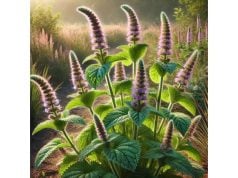
Houttuynia is a distinctive medicinal and culinary herb native to East and Southeast Asia, where it is valued as both food and traditional medicine. You may know it as fish mint, chameleon plant, or by its Chinese name, yu xing cao. Its sharp, fishy aroma can be divisive, but that unusual scent reflects a rich profile of volatile compounds, flavonoids, alkaloids, and polysaccharides that have drawn growing scientific interest. Traditional systems have used houttuynia for lung heat, sore throat, skin eruptions, urinary irritation, and inflammatory conditions, while modern research has focused on its anti-inflammatory, antimicrobial, antioxidant, and immune-modulating potential.
What makes houttuynia especially interesting is the gap between reputation and proof. It has broad traditional use and strong preclinical promise, yet most modern evidence still comes from laboratory, animal, and review literature rather than clear stand-alone human trials. That means it can be worth considering, but only with realistic expectations. The practical questions are how it is used, what it may actually help with, how much is reasonable, and when caution matters more than enthusiasm.
Core Points
- Houttuynia may help calm inflammatory activity and support respiratory, gut, and skin health in traditional use.
- Its main studied strengths are antimicrobial, antioxidant, and immune-modulating actions rather than broad proven clinical outcomes.
- Traditional decoctions commonly use about 15 to 30 g of dried herb per day under practitioner guidance.
- Avoid self-treatment in pregnancy, breastfeeding, with severe chronic illness, or with injectable preparations.
Table of Contents
- What houttuynia is and what it contains
- Does houttuynia help with inflammation and infections
- Respiratory, gut, and skin uses
- How to use houttuynia
- How much houttuynia per day
- Side effects, interactions, and who should avoid it
- What the evidence actually says
What houttuynia is and what it contains
Houttuynia, botanically known as Houttuynia cordata, is a perennial herb in the Saururaceae family. It grows in moist, warm regions and has long been used across China, Korea, Japan, Northeast India, and parts of Southeast Asia. Unlike many herbs that are known only in apothecaries, houttuynia also appears on the plate. In some regions the fresh leaves and shoots are eaten in salads, relishes, and lightly cooked dishes, especially when a cooling, pungent herb is desired.
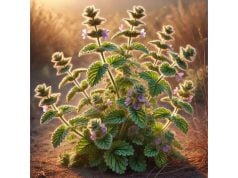
Its medicinal identity centers on the aerial parts, though roots and fresh whole plant material are also used in some traditions. The plant has heart-shaped leaves and a strong aroma often described as fishy, metallic, or citrusy-sulfurous. That scent comes from volatile constituents, which are part of the reason the herb has attracted pharmacological attention.
The main compound groups most often discussed are:
- Volatile oils and aromatic constituents, including methyl nonyl ketone and related odor-active compounds.
- Flavonoids such as quercetin, quercitrin, hyperoside, and rutin.
- Polysaccharides that may contribute to immune signaling and barrier support.
- Alkaloids and aristolactam-related compounds that are pharmacologically interesting but also part of the safety conversation.
- Organic acids and phenolic compounds that support antioxidant activity.
These compounds matter because they suggest multiple layers of action rather than one single “active ingredient.” In modern herbal terms, houttuynia is a chemically broad herb. The volatile fraction is often linked to antimicrobial and aromatic actions. The flavonoid fraction is more often associated with antioxidant and anti-inflammatory effects. Polysaccharides appear relevant to mucosal and immune responses. That diversity helps explain why the herb has been used for lung complaints, skin eruptions, urinary irritation, and inflammatory digestive issues.
Still, the plant is not best understood as a miracle herb. A more useful framing is that houttuynia is a traditional cooling herb with anti-inflammatory and antimicrobial potential, especially when tissues feel hot, irritated, damp, or reactive. In older East Asian language, it “clears heat and toxins.” In plain English, that often points toward inflamed mucous membranes, superficial skin irritation, and certain infection-adjacent patterns rather than deep structural disease.
One practical detail matters from the start: food use and medicinal use are not the same. Fresh leaves eaten in a salad, dried herb simmered in a decoction, concentrated extract in capsules, and injectable pharmaceutical preparations are very different exposures. This is one reason the herb can sound simple in folk use but become more complicated in safety and dosing discussions.
For readers comparing plant categories, houttuynia sits closer to an anti-inflammatory, mucosal-support herb than to a classic tonic. It is more specific than a general wellness tea and more nuanced than many immune herbs marketed as all-purpose solutions.
Does houttuynia help with inflammation and infections
This is the central question behind most interest in houttuynia, and the honest answer is “possibly, but with important limits.” Houttuynia has broad traditional use for inflamed, irritated, or infected-looking conditions, and modern research repeatedly points to anti-inflammatory, antibacterial, antiviral, and antioxidant effects. The problem is not whether the plant does anything. It clearly does. The problem is that much of the evidence comes from cell models, animal studies, and broad reviews rather than from well-characterized, stand-alone human trials.
The most plausible benefit areas include:
- Calming inflammatory signaling in respiratory, gut, skin, and immune-related models.
- Helping the body respond to microbial stress through antibacterial and antiviral activity in laboratory settings.
- Supporting mucosal barrier function in tissues such as the intestine, oral cavity, and vaginal epithelium.
- Reducing oxidative stress through flavonoids and related polyphenols.
In practical use, that means houttuynia is often considered when symptoms have a “hot and irritated” quality:
- Sore throat with redness and swelling.
- Productive cough with thick mucus.
- Inflamed skin eruptions or minor pustular breakouts.
- Digestive irritation linked to inflammatory patterns.
- Burning or irritated urinary sensations in traditional formulas.
The most important caution is to avoid turning these traditional patterns into direct disease claims. A lab result showing antiviral action does not mean a tincture replaces medical care for a viral infection. A study showing reduced inflammatory mediators in macrophages does not mean every joint, skin, or gut condition will respond the same way in people.
It is also worth separating symptom support from cure claims. Houttuynia may be better thought of as a helper herb than a definitive one. In multi-herb traditions, it is often combined with other plants chosen for mucus, throat, immune, or detoxifying support. That layered use makes sense because one herb rarely covers the whole picture. When readers want a more familiar comparison, it belongs nearer immune-support herbs like echinacea than to purely nutritional greens, though the two plants work differently and have different evidence bases.
A balanced expectation looks like this:
- Houttuynia may reduce inflammatory tone or tissue irritation.
- It may be most useful early, mildly, or as part of a broader formula.
- It is less convincing when symptoms are severe, systemic, or rapidly worsening.
- It should not delay evaluation of fever, chest pain, shortness of breath, dehydration, spreading rash, or significant infection.
So yes, houttuynia may help with inflammation and infection-related patterns, but the best-supported version of that claim is cautious. The herb looks promising, the mechanisms are plausible, and traditional use is deep. Even so, the strongest conclusions still belong to preclinical science, not to definitive self-treatment claims.
Respiratory, gut, and skin uses
Houttuynia’s broad reputation becomes much easier to understand when you break it into three practical areas: respiratory support, gut support, and topical or skin-focused use. These are the domains where traditional patterns and modern research overlap most clearly.
For the respiratory tract, houttuynia is usually discussed when there is heat, mucus, swelling, or irritation rather than simple dryness. Traditional use includes sore throat, cough, and lung-related inflammatory states. Modern reviews also note interest in antiviral and anti-inflammatory actions relevant to respiratory tissue. That does not mean it is a home substitute for pneumonia care, but it helps explain why the herb continues to appear in East Asian respiratory formulas.
In the gut, houttuynia is increasingly discussed for intestinal inflammation and barrier function. This is one of the more interesting newer directions because research reviews have looked at its possible role in the intestinal microenvironment, microbiota, immune signaling, and inflammatory bowel disease models. The practical takeaway is not that houttuynia is a proven IBD treatment. It is that the herb may have more relevance to inflamed intestinal patterns than many people realize. Compared with peppermint for digestive comfort, which is often chosen for spasm and bloating, houttuynia fits better when the question is inflammatory burden rather than smooth muscle relaxation.
Skin use is the third logical category. Houttuynia shows up in skincare and herbal topical conversations because of its antimicrobial, anti-inflammatory, and antioxidant profile. It has been explored in formulations aimed at acne-prone or reactive skin, and some newer cosmetic studies have tested its essential oil or flavonoid-rich fractions. That said, “promising” is still the right word here. It is not yet a foundational topical herb in the same way calendula for skin soothing and repair is. Houttuynia is more specialized and still somewhat experimental outside the food and traditional medicine context.
Realistic use cases may include:
- A traditional formula for throat and chest irritation.
- A practitioner-guided decoction for damp-heat gut patterns.
- A cosmetic or topical product aimed at mild inflammatory skin concerns.
- Culinary use as a food-herb in regions where it is traditionally eaten.
Less realistic uses include:
- Self-treating serious lung infection.
- Using it as a stand-alone cure for ulcerative colitis or Crohn’s disease.
- Expecting dramatic reversal of chronic skin disease from one extract alone.
- Treating any severe infection without medical assessment.
This section matters because it prevents herb inflation. Houttuynia is not “for everything.” It is better understood as a multi-system herb that shows the most coherence around inflamed mucosal tissue, microbe-related stress, and heat-type skin or gut patterns. Once the claims move far beyond those areas, the evidence becomes thinner and the marketing louder.
How to use houttuynia
Houttuynia can be used as food, tea, decoction, tincture, capsule, powder, extract, or topical preparation. That flexibility is part of its appeal, but it is also why people get confused. The same herb can act very differently depending on whether it is eaten fresh, simmered in water, concentrated into an extract, or applied to the skin.
Common forms include:
- Fresh herb in salads, relishes, or lightly cooked dishes.
- Dried herb for decoctions or strong teas.
- Tinctures and liquid extracts.
- Capsules or powdered extract products.
- Topical toners, creams, gels, or cosmetic blends.
- Practitioner-led traditional formulas that combine houttuynia with other herbs.
Fresh culinary use is the gentlest entry point. In food traditions, the herb is valued not only for taste but also for its cooling and cleansing character. This route usually involves modest exposure and fits people who tolerate the flavor well.
Decoctions are the more traditional medicinal form. Simmering the dried herb in water makes sense when the goal is respiratory, gut, or urinary support in a classical herbal framework. Tinctures and capsules are more common for people outside traditional East Asian practice who want convenience and repeatable dosing.
Topical use can be practical for acne-prone or inflamed skin, but product quality matters. The essential oil and aromatic fraction are active enough that overly strong formulas may irritate sensitive skin. A gentle, well-formulated product is usually safer than a home-concentrated experiment.
A few guidelines improve real-world use:
- Match the form to the goal.
Food and tea are better for general use. Concentrated extracts make more sense when a practitioner or a clear product standard guides them. Topicals belong to surface-level concerns. - Distinguish fresh herb from extract.
A salad portion is not equivalent to a capsule, and neither is equivalent to an injectable product used in hospital settings. - Start lower than you think you need.
Houttuynia’s taste, aromatic intensity, and tissue activity can be more noticeable than expected. - Use for a reason, not just a trend.
It makes more sense for inflamed mucosal or skin patterns than as a random daily “detox” addition. - Avoid home injections or improvised sterile preparations.
This herb has a documented safety history that becomes more complicated in injection form.
For people who like herbal pairings, houttuynia is often combined with soothing or mucosal herbs rather than used completely alone. In throat or upper respiratory contexts, that can make it pair conceptually with soothing herbs such as licorice, though the two herbs differ in chemistry, risks, and traditional energetics.
The most practical summary is this: use fresh herb as food if you enjoy it, use decoctions or standardized products when there is a clear purpose, and avoid treating every preparation as interchangeable.
How much houttuynia per day
Houttuynia dosing is much less standardized than the internet often suggests. There is no single universally accepted modern oral dose that covers every preparation, because the herb is used in very different ways: as food, as crude dried herb in decoction, as concentrated extract, and in some medical settings as specialized products that should never be copied at home.
For traditional dried-herb use, one of the most commonly cited ranges is:
- About 15 to 30 g of dried herb per day in decoction.
- Larger fresh-herb amounts may be used in culinary or fresh-herb practice.
- External use may involve fresh crushed herb or topical formulations rather than a strict internal dose.
That range belongs to traditional whole-herb use, not to modern concentrated extracts. This is an important distinction. Fifteen grams of dried herb in a decoction is not the same as 15 grams of extract powder, and a capsule standardized to a particular marker compound may be stronger than it looks from the label alone.
A sensible way to think about dosing is by category:
- Food use.
Culinary amounts are guided by taste and tolerance. These are generally lower-risk for most healthy adults than concentrated medicinal extracts. - Decoction use.
A traditional medicinal range often starts in the mid-teens of grams and may rise toward 30 g daily depending on the formula and practitioner intent. - Extracts and capsules.
Follow the product label closely, because extracts vary by solvent, concentration, and standardization. Two products labeled “houttuynia” may not be remotely equivalent. - Topical use.
Apply according to the finished product directions. More frequent use is not always better if the skin becomes dry or reactive.
Timing also matters. Houttuynia is usually taken in a course-like way rather than as a one-time herb. For acute throat, skin, or digestive support, people often use it for several days to a few weeks. For longer use, the key question is whether there is a clear reason to continue and whether the form remains appropriate.
Three common dosing mistakes are worth avoiding:
- Treating fresh herb, tea, capsules, and extracts as interchangeable.
- Increasing the dose quickly because the taste seems mild or the label looks “natural.”
- Using concentrated products for long periods without reconsidering safety.
Because the herb is also a food in some traditions, people sometimes assume dose does not matter. It does. The safety profile of a salad herb is not the same as the safety profile of a concentrated ethanol extract, especially with long-term use or in sensitive people.
So the best dosing advice is not dramatic. Stay within traditional whole-herb ranges if working with the crude herb, use standardized products exactly as labeled, and use practitioner guidance when the goal is medicinal rather than culinary.
Side effects, interactions, and who should avoid it
Houttuynia’s safety profile depends heavily on the form used. As a traditional food herb, it is generally tolerated by many adults who already eat it as part of regional cuisine. As a concentrated extract, long-term or high-dose product, or injectable preparation, the conversation becomes much more cautious.
Possible side effects with oral use may include:
- Nausea or stomach upset.
- Loose stools or digestive irritation.
- Headache or taste aversion due to the strong aromatic profile.
- Rash or allergic-type reactions in sensitive individuals.
Topical use can sometimes cause:
- Redness.
- Stinging.
- Dryness or irritation.
- Delayed intolerance if the product contains a strong aromatic fraction.
The largest safety red flag is injection use. Houttuynia injection has been associated with significant adverse reactions, including severe allergic events, in published reports. This matters because some people wrongly assume a hospital-used plant injection proves that homemade or casual use is safer. It does not. Injectable use belongs entirely outside self-care.
Another safety issue involves extract strength and exposure length. Some toxicology work suggests that higher-dose ethanol extracts may stress the liver or kidneys in animal models, and reproductive or embryotoxicity questions remain active in the literature. That does not mean a cup of herb tea is automatically dangerous, but it is a strong reason to avoid concentrated long-term self-experimentation in vulnerable groups.
People who should avoid unsupervised medicinal use include:
- Pregnant or breastfeeding people.
- Children unless guided by a qualified clinician.
- Anyone with significant liver or kidney disease.
- People with multiple drug allergies or prior anaphylactic reactions.
- Anyone preparing for surgery.
- Those using complex prescription regimens for chronic illness.
Interaction data are still limited, which means caution should rise when certainty is low. It is reasonable to be careful with:
- Anticoagulant or antiplatelet medicines.
- Immunosuppressive therapies.
- Drugs with narrow therapeutic windows.
- Other herbs or supplements that strongly affect the liver, kidneys, or immune response.
A helpful rule is to separate culinary tolerance from medicinal suitability. A person may tolerate the plant as food and still not be a good candidate for high-dose extracts. Another useful rule is to stop immediately if symptoms suggest allergy, such as hives, facial swelling, wheezing, or rapid flushing.
The overall safety message is straightforward: fresh food use is one thing, concentrated medicinal use is another, and injection use is a separate medical issue entirely. The stronger the preparation, the more respect the herb deserves.
What the evidence actually says
Houttuynia is a good example of a herb that is both promising and easy to oversell. The evidence base is broad, but not equally strong across all claims. There are many reviews, many laboratory studies, and many animal experiments. There are also some clinical applications and trials in the literature, especially in Asian contexts. The catch is that human evidence is often mixed with multi-herb formulas, regional preparations, or injectable products that do not translate neatly into everyday supplement use.
What the evidence supports reasonably well:
- Houttuynia contains volatile oils, flavonoids, alkaloids, polysaccharides, and other compounds with meaningful biological activity.
- It repeatedly shows anti-inflammatory, antimicrobial, antioxidant, and immune-modulating effects in preclinical studies.
- Research attention around respiratory, gut, and skin applications is not random; it reflects recurring pharmacologic patterns.
- Traditional use as both food and medicine is longstanding and well documented.
What the evidence does not yet support strongly:
- A universal oral dose for capsules, powders, tinctures, and decoctions.
- Clear stand-alone proof for treating specific infections in routine self-care.
- Reliable long-term safety for high-dose concentrated extracts.
- Broad “cure” claims for chronic inflammatory disease.
- Extrapolating hospital injections or multi-herb research to casual home use.
A mature reading of the literature leads to a middle-ground conclusion. Houttuynia is not an empty folk remedy. Its chemistry is real, its mechanisms are plausible, and its traditional uses align with many of the directions modern research is exploring. At the same time, the herb is not ready for the kind of sweeping claims often made in supplement marketing.
This matters most for reader decision-making. If your goal is cautious, short-term, tradition-informed use for mild respiratory, gut, or skin support, houttuynia can make sense. If your goal is to replace medical care, manage a serious infection alone, or assume that “natural” means unlimited safety, the evidence does not support that.
The most evidence-aware position is this:
- Houttuynia is a meaningful medicinal food plant.
- Its strongest support is still preclinical plus historical use.
- Human evidence exists but is not clean enough to justify hype.
- The herb deserves interest, but also restraint.
That is often the right place for a traditional herb to land. Not dismissed, not glorified, but used with context. Houttuynia is most valuable when the preparation is appropriate, the goal is specific, and the user understands that promising biology is not the same thing as proven clinical certainty.
References
- Houttuynia Cordata Thunb.: A comprehensive review of traditional applications, phytochemistry, pharmacology and safety 2024 (Review) ([PubMed][1])
- Research Progress on the Chemical Constituents and Pharmacological Effects of Houttuynia cordata Thunb and a Predictive Analysis of Quality Markers 2024 (Review) ([PubMed][2])
- Houttuynia cordata thunb. alleviates inflammatory bowel disease by modulating intestinal microenvironment: a research review 2023 (Review) ([PubMed][3])
- The therapeutic potential of Houttuynia cordata: A current review 2022 (Review) ([PMC][4])
- Adverse events to Houttuynia injection: A systematic review 2010 (Systematic Review) ([PubMed][5])
Disclaimer
This article is for educational purposes only and is not medical advice. Houttuynia is a traditional medicinal food plant with promising pharmacology, but its benefits, dosing, and long-term safety are not fully established for all forms of use. It should not be used to self-treat serious infection, chronic inflammatory disease, severe skin eruptions, or urgent symptoms such as chest pain, breathing trouble, dehydration, or rapidly worsening swelling. Injectable products and concentrated extracts require particular caution. If you are pregnant, breastfeeding, taking prescription medicines, or managing liver, kidney, immune, or allergy-related conditions, speak with a qualified clinician before using houttuynia medicinally.
If you found this article helpful, please share it on Facebook, X, or your preferred platform to help more readers find clear, evidence-aware herbal guidance.