Modern life asks a lot of your eyes. Hours of close-up focus, dry indoor air, bright sunlight, and poor sleep can quietly add up to strain, irritation, and slower visual recovery. The encouraging news is that many of the habits that support whole-body health also protect vision—often with benefits you can feel within days, not months. Natural eye care is not a single trick or supplement. It is a layered approach: nourishing the retina with the right nutrients, protecting the tear film that keeps eyes comfortable, reducing the load of constant screen focus, and lowering inflammation drivers such as smoking and uncontrolled blood sugar. This guide walks you through practical, evidence-aligned steps you can apply at home, plus clear signs that it is time to involve an eye professional.
Quick Overview
- Eat leafy greens and colorful produce most days to support the macula and visual endurance.
- Use structured screen breaks and lighting tweaks to reduce headaches, blur, and dryness.
- Do not ignore sudden flashes, a curtain-like shadow, or rapid vision changes—these need urgent evaluation.
- Add a daily “tear-friendly routine” (hydration, blinking, warm compress if needed) for steadier comfort.
Table of Contents
- What natural eye health means
- Foods and nutrients that protect vision
- How to reduce digital eye strain daily
- Habits for dry eye and comfort
- Sun and environment eye protection
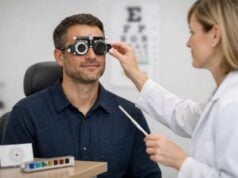
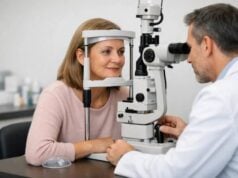
- When to see an eye professional
What natural eye health means
“Natural” eye health is best understood as improving the conditions your eyes rely on to function well: steady blood flow, balanced inflammation, a stable tear film, and a retina protected from cumulative oxidative stress. It is not a promise to reverse every eye disease, and it is not a replacement for prescription care when you need it. Instead, it is a way to reduce day-to-day symptoms (dryness, burning, heavy lids, blur after screens) and lower long-term risk factors that contribute to common vision problems.
Start with how vision actually gets tired
Most “tired eyes” are a blend of three issues:
- Focus fatigue: Screens keep your eyes in a near-focus state for long stretches. The focusing system (accommodation) can cramp, and your eyes may struggle to switch quickly between near and far.
- Tear-film instability: You blink less when concentrating, and indoor heating or air conditioning speeds tear evaporation. That leads to gritty discomfort, redness, and fluctuating vision that clears after a few blinks.
- Light stress and glare: Harsh overhead lighting, reflections, and strong sunlight can trigger squinting and tension around the eyes, often worsening headaches.
Natural eye care works best as a “stack,” not a single fix
A practical approach combines:
- Fuel: nutrients that support the macula, lens, and ocular surface.
- Load management: screen habits that reduce close-up demand and glare.
- Protection: UV-blocking eyewear and environmental strategies.
- Recovery: sleep, hydration, and routines that restore the tear film.
The goal is not perfection. The goal is creating daily conditions where your eyes stay comfortable longer and recover faster. If you have a diagnosed eye condition (like glaucoma, diabetic retinopathy, or macular degeneration), these steps can still matter—but they should sit alongside your clinician’s plan.
Foods and nutrients that protect vision
Food will not “train” your eyesight like a muscle, but it can meaningfully support the parts of the eye most vulnerable to aging and modern stress: the macula (central retina), the lens, and the ocular surface. A vision-supportive diet is less about one miracle ingredient and more about repeated exposure to protective compounds—especially carotenoids, omega-3 fats, and antioxidant vitamins—within an overall pattern that stabilizes blood sugar and inflammation.
Build your plate around macula-protective color
The macula benefits from lutein and zeaxanthin, pigments found in high concentrations in the retina. Your body cannot make them, so consistency matters. Practical, food-first sources include:
- Dark leafy greens (spinach, kale, collards)
- Broccoli, peas, and zucchini
- Egg yolks (often a highly usable source)
- Orange and yellow produce (corn, orange peppers)
A simple target that fits most diets: at least one large serving of leafy greens daily, plus another brightly colored vegetable or fruit.
Prioritize omega-3 fats for comfort and tear stability
For many people, “eye health” is felt most clearly as comfort. Omega-3 fatty acids are associated with healthier meibomian gland oils (the oils that slow tear evaporation). Food sources are a strong starting point:
- Fatty fish (salmon, sardines, trout, mackerel) 2 times per week
- Chia, flax, and walnuts (helpful, though plant omega-3s convert less efficiently)
If you consider supplements, focus on quality and tolerance. Some people notice benefits within 6–12 weeks; others do not. If you use blood thinners or have a bleeding disorder, discuss omega-3 supplementation with a clinician first.
Support the lens and retina with antioxidant patterns
Rather than chasing high-dose single vitamins, aim for a broad pattern:
- Vitamin C sources: citrus, berries, peppers
- Vitamin E sources: nuts, seeds, avocado
- Zinc sources: beans, lentils, seafood, pumpkin seeds
Also prioritize steady blood sugar, because rapid spikes can worsen inflammation and dry eye symptoms for some people. A practical template is a Mediterranean-style pattern: vegetables, legumes, whole grains, olive oil, fish, and modest added sugar.
When an eye-specific supplement can make sense
Targeted formulas are most relevant for people at higher risk of age-related macular degeneration or those already diagnosed. These should be chosen based on an eye professional’s guidance, because dosing and ingredient combinations matter and can interact with smoking history and other conditions.
How to reduce digital eye strain daily
Digital eye strain is not just “too much screen time.” It is a mismatch between how your eyes are built and how screens demand constant near focus, reduced blinking, and exposure to glare. The most effective fixes are simple, repeatable, and environmental—meaning you can often improve symptoms without buying anything.
Use a structured break rhythm
A reliable baseline is the 20-20-20 pattern: every 20 minutes, look at something about 20 feet away for 20 seconds. If that feels disruptive, use a softer version that still works: two minutes of distance viewing every 30–40 minutes.
During the break, do two things that matter more than you might expect:
- Blink slowly 5–10 times (full blinks, not partial)
- Relax your shoulders and jaw to reduce facial tension that can drive headaches
Fix the most common lighting and setup problems
Small changes often produce outsized comfort:
- Lower screen brightness to match the room (a screen should not look like a lamp).
- Reduce overhead glare by repositioning your monitor or using indirect light.
- Increase text size so you are not squinting or leaning forward.
- Set the screen slightly below eye level to reduce exposed eye surface and dryness.
- Keep a comfortable distance: many people do well with the screen about an arm’s length away, adjusted for font size.
If you wear glasses, consider whether your prescription matches your main working distance. A perfect distance prescription may still feel tiring if you spend 6–10 hours at one specific range.
Train distance flexibility without “eye gimmicks”
Your focusing system benefits from variety. A simple daily drill:
- Pick a near target (your thumb) and a far target (across the room or out a window).
- Focus near for 5 seconds, far for 5 seconds.
- Repeat for 1–2 minutes, once or twice daily.
This is not a cure for refractive error, but it can reduce the “stuck in near mode” feeling that many screen users report.
Know when screen symptoms suggest something else
If you develop new double vision, severe headaches with visual changes, or blur that does not clear after blinking and breaks, do not assume it is only screen fatigue. Those patterns deserve an eye exam.
Habits for dry eye and comfort
Comfort is the gateway to consistent vision. Many people describe dry eye as burning, a gritty sensation, light sensitivity, watery eyes, or “blinking to clear blur.” It often worsens with screens, heating, contact lenses, and windy conditions. Natural strategies focus on stabilizing the tear film—especially its oily outer layer—so tears evaporate more slowly.
Create a tear-friendly daily routine
Start with the basics that influence tear quality:
- Hydration: aim for pale-yellow urine most of the day, and increase fluids if you are in dry indoor air.
- Protein and healthy fats: tear components depend on adequate dietary building blocks.
- Regular blinking: screens reduce blink rate; build “blink resets” into your day.
A surprisingly effective micro-habit: each time you unlock your phone, do one full slow blink before reading.
Use warm compresses when oil glands feel sluggish
If your lids feel heavy or your eyes water while still feeling dry, the oil glands may be contributing. A warm compress can help soften thicker oils:
- Use a clean warm (not hot) compress over closed eyelids for 5–10 minutes.
- Follow with gentle lid massage: small downward motions on the upper lid and upward motions on the lower lid.
- Do this once daily for two weeks, then reassess.
Stop if you develop pain, worsening redness, or swelling. If symptoms persist, a clinician can evaluate for blepharitis, meibomian gland dysfunction, allergies, or other causes.
Make your home and workplace less drying
Environmental dryness is a major trigger. Helpful changes include:
- Aim vents away from your face (car vents are a common culprit).
- Consider a humidifier if indoor humidity is consistently low.
- Use wraparound eyewear outdoors on windy days.
- If you wear contacts, follow replacement schedules and consider daily disposables if dryness is frequent.
Be cautious with “natural” drops and remedies
Not all “natural” eye products are safe. Avoid putting essential oils, undiluted herbal liquids, or homemade mixtures into the eye. If you use lubricating drops, preservative-free options are often easier on frequent users. If you rely on redness-relief drops daily, that pattern can backfire; it is worth discussing alternatives with an eye professional.
Sun and environment eye protection
Sunlight and airborne irritants affect the eyes in quiet, cumulative ways. UV exposure is linked with long-term damage to the lens and retina, while wind, dust, smoke, and pollution destabilize tears and increase irritation. Natural eye health includes consistent protection habits that reduce this load without making life complicated.
Choose sunglasses for protection, not darkness
The most important feature is true UV blocking, not a dark tint. Dark lenses without UV protection can be worse than no sunglasses, because they reduce pupil size control and may encourage the eye to accept more harmful radiation.
A practical checklist:
- Look for 100 percent UVA and UVB protection (often labeled UV400).
- Prefer larger lenses or wraparound styles to reduce side-entry light.
- Consider polarization if glare is your main issue (driving, water, snow). Polarization improves comfort, but it is not a substitute for UV protection.
If you are outdoors often, add a brimmed hat. The combination reduces overall exposure more than either item alone.
Support your eyes in high-risk environments
Certain settings deserve extra attention:
- Snow, water, and sand: reflective surfaces amplify UV and glare.
- Dry or windy climates: evaporation rises, increasing irritation.
- Smoke exposure: both direct and secondhand smoke irritate the ocular surface and is linked with higher long-term eye disease risk.
If you cannot avoid irritants, use physical barriers: wraparound glasses, goggles for specific tasks, and frequent breaks indoors.
Protective habits that also help long-term risk
Some of the strongest “natural” levers are lifestyle choices:
- Do not smoke. If you do, quitting is one of the most meaningful steps for eye health.
- Move your body most days. Moderate activity supports vascular health, which matters for the retina and optic nerve.
- Control blood pressure and blood sugar. Retinal vessels are sensitive, and damage can accumulate silently for years.
These changes are not glamorous, but they are powerful because they reduce the root drivers that accelerate eye aging.
When to see an eye professional
Natural strategies work best when they are paired with appropriate screening. Many serious eye conditions are painless early on, and “waiting to see if it goes away” can be the wrong move for specific symptom patterns. Knowing what is normal and what is not is part of caring for your vision.
Symptoms that should be treated as urgent
Seek urgent care if you experience any of the following, especially if they are new or sudden:
- Flashes of light, a sudden shower of floaters, or a curtain-like shadow across vision
- Sudden vision loss in one or both eyes
- Eye pain with nausea or rainbow halos around lights
- A red, painful eye with light sensitivity, especially if you wear contact lenses
- New double vision, facial droop, or neurologic symptoms
These can signal issues such as retinal tears, acute glaucoma, severe infections, or neurologic events, and speed matters.
When “dry eye” is not just dry eye
If symptoms persist despite good habits, an exam can uncover treatable contributors:
- Allergic conjunctivitis (seasonal or indoor triggers)
- Blepharitis or meibomian gland dysfunction
- Medication side effects (some antihistamines, antidepressants, acne medications)
- Autoimmune conditions that reduce tear production
- Contact lens fit or material issues
Targeted treatment can make natural strategies dramatically more effective.
How often to get your eyes checked
The right interval depends on age, symptoms, family history, and conditions like diabetes or high blood pressure. A reasonable baseline for many adults is a comprehensive eye exam every 1–2 years, sooner if you have risk factors or notice changes.
Natural care as a long-term system
The most realistic mindset is this: natural eye health is a maintenance plan. Build a daily foundation (food, screen habits, tear routine, UV protection), then adjust based on seasons, workload, and symptoms. If you track anything, track how your eyes feel at three times: mid-morning, late afternoon, and evening. Patterns reveal the most useful changes.
References
- Age-Related Eye Disease Study 2 (AREDS2) 2024 (Clinical Trial Summary)
- Supplements slow disease progression during late stage of AMD 2024 (NIH News Release)
- Ultraviolet Radiation and the Eye 2023 (Government Resource)
- Dry Eye Syndrome 2024 (Government Resource)
Disclaimer
This article is for educational purposes and does not provide medical advice, diagnosis, or treatment. Eye symptoms can have many causes, and some vision changes require urgent evaluation. If you have persistent discomfort, a new change in vision, eye injury, or an existing eye condition (such as glaucoma, macular degeneration, or diabetic eye disease), consult an optometrist or ophthalmologist for personalized guidance and appropriate care.
If you found this guide useful, please consider sharing it on Facebook, X (formerly Twitter), or any platform you prefer, and follow us on social media. Your support helps our team continue producing high-quality, practical health content.