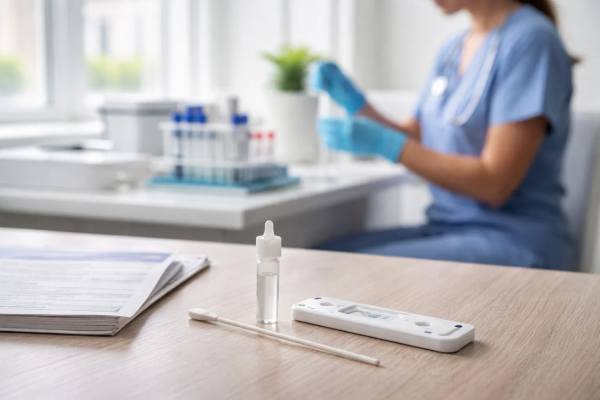
When you wake up with a sore throat, fever, or a child’s stubborn cough, the most useful question is not “What virus is going around?”—it is “What test result would change what we do today?” The right test can guide treatment timing, protect vulnerable family members, and reduce unnecessary antibiotics. The wrong test, taken at the wrong time, can create false reassurance or needless worry. COVID, flu, and RSV can look similar at first, yet they differ in typical timing, who gets most sick, and which therapies are time-sensitive. This guide explains how at-home tests compare with clinic and lab tests, how to choose based on symptoms and exposure, and how to interpret results with fewer second guesses. You will also learn practical sampling tips, when repeat testing is worth it, and when a negative result should not delay medical care.
Key Takeaways for Smarter Testing
- Matching the test type to timing and symptoms improves accuracy and speeds up decisions about care and isolation.
- At-home antigen tests are convenient and fast, but a single negative test can miss early infection.
- Lab-based molecular tests are more sensitive and are often best when results will change treatment or high-risk precautions.
- Repeat testing after 48 hours is a practical way to reduce false negatives when symptoms or exposure are convincing.
- If someone is high risk or worsening, seek medical advice even while you are testing rather than waiting for perfect certainty.
Table of Contents
- Decide what to test for today
- At-home tests: what they can and cannot tell
- Lab and clinic tests: PCR and multiplex panels
- Best timing and repeat-testing plan
- How to interpret results and act fast
- Testing for kids, older adults, and high-risk
- Common mistakes that cause wrong results
Decide what to test for today
A good testing plan begins with intent: what decision are you trying to make? Most people test for one (or more) of these reasons:
- To decide whether to start time-sensitive treatment
- To protect others at home, work, or school
- To confirm whether symptoms are likely viral so you can avoid unnecessary antibiotics
- To understand whether it is safe to visit higher-risk relatives or return to group settings
Next, consider what is most likely based on symptom pattern and context. None of these are definitive, but they help you choose a test that makes sense.
COVID often causes sore throat, congestion, cough, fever, headache, and fatigue. It can also cause body aches and sometimes gastrointestinal symptoms. The key practical point is that COVID can be contagious even when symptoms feel mild.
Flu often starts more abruptly, with higher fever, chills, body aches, and marked fatigue. A cough may follow quickly. If someone says, “I got hit by a truck,” flu is high on the list—especially in peak season.
RSV can look like a cold in adults and older children, but it is more concerning in infants (fast breathing, feeding trouble) and in older adults or people with chronic lung or heart disease. Wheeze can be a clue, though many viruses can trigger it.
Then ask: is this a routine case or a higher-stakes case?
Higher-stakes situations include:
- A household member who is older, pregnant, immunocompromised, or has serious chronic illness
- A child under 2 with significant symptoms
- Anyone with shortness of breath, chest pain, dehydration, confusion, or rapid worsening
- Someone who may qualify for antiviral treatment and is early in illness
In routine cases, an at-home test may be enough to guide common-sense precautions. In higher-stakes cases, a more sensitive lab test or a clinician visit may be the safer path—especially if a negative result would change what you do.
Finally, decide whether you need to test for one virus or for multiple. When symptoms are classic and the consequences are low, targeted testing can be reasonable. When the result will change treatment or isolation decisions, broader testing (often done in clinics and labs) can reduce guesswork.
At-home tests: what they can and cannot tell
At-home testing is designed for speed and convenience. For most households, that usually means rapid antigen tests. These tests detect viral proteins, typically from an anterior nasal swab. Some markets also have combination tests that detect more than one virus, but availability varies widely by country and over time.
What at-home tests do well
- Fast answers for practical decisions. If you are symptomatic and an antigen test is positive, you can act immediately: reduce close contact, improve ventilation, and notify relevant people.
- Useful “yes” results. A clear positive is generally actionable. False positives can happen, but they are less common than false negatives in many real-world scenarios.
- Repeated use over several days. Serial testing is one of the strongest advantages of at-home kits. You can test again as viral levels rise.
Where at-home tests struggle
- Early infection and low viral levels. Antigen tests need a higher amount of virus to turn positive. If you test on the first day of symptoms, you may be negative even if you truly have COVID.
- Sampling variability. Home collection is safe and practical, but technique matters. A timid swab or skipping steps can lower sensitivity.
- One-and-done testing. The most common mistake is assuming a single negative test rules out infection. For contagious respiratory viruses, timing is everything.
When an at-home test is a good first step
- Mild to moderate symptoms in a generally healthy person
- The main decision is whether to stay home, mask, and avoid vulnerable contacts
- You can repeat testing if symptoms persist or worsen
- You do not need documentation for work, travel, or medical treatment
When an at-home test may not be enough
- You are at higher risk for complications and treatment decisions depend on a result
- Symptoms are significant, worsening, or unusual for you
- You need a more definitive answer for a clinical decision (for example, differentiating flu from other viruses early)
- A negative result conflicts with strong exposure history and classic symptoms
How to make at-home tests more reliable
- Test when symptoms are present, and repeat if negative after about 48 hours if you still suspect infection.
- Read the instructions every time—even if you have used similar tests before—because swab time and reading window can differ.
- If the test is stored in a cold car or hot porch, let it reach the recommended room temperature before use.
- Do not rely on a faint memory of expiration. Some test lots have updates, and using an expired kit can lead to unreliable results.
At-home tests can be a strong tool when you treat them as a process (timing plus repeat testing) rather than a single moment of certainty.
Lab and clinic tests: PCR and multiplex panels
Clinic and lab testing expands your options beyond what most people can do at home. The biggest difference is molecular testing, often called NAAT (nucleic acid amplification test) or “PCR.” These tests detect viral genetic material and are generally more sensitive than antigen tests, especially early or later in the illness course.
Molecular tests (NAAT and PCR): why they matter
- Higher sensitivity. If a clinician needs the most reliable answer—particularly for high-risk patients—molecular testing is often preferred.
- Broader respiratory panels. Many clinics can run multiplex tests that detect COVID, flu A, flu B, and sometimes RSV from a single swab. This is useful when treatment and precautions differ by virus.
- Useful when symptoms are atypical. If someone’s symptoms do not fit a neat pattern, a broad panel can prevent “anchoring” on the wrong diagnosis.
Tradeoffs of molecular testing
- Turnaround time. Some settings offer rapid molecular tests, while others require lab processing with longer waits. When treatment depends on speed, ask about expected timing before choosing the test.
- Cost and access. Lab tests may require appointments, insurance coverage, or out-of-pocket payment.
- Prolonged positivity (especially for COVID). Molecular tests can remain positive after the most contagious phase because they may detect residual viral material. This does not automatically mean someone is still highly infectious.
Antigen tests in clinics
Clinics also use rapid antigen tests (for flu, COVID, and RSV depending on setting). They can be helpful for quick decisions, but negative results may still require confirmation with molecular testing when clinical suspicion is high.
RSV testing in medical settings
RSV testing is common in pediatrics and hospitals, especially for infants and older adults with more severe symptoms. Methods include antigen tests and molecular tests. In adults with mild symptoms, RSV testing is not always necessary, but it becomes more relevant when it influences higher-risk decisions or infection control in group settings.
When lab testing is especially worth it
- You are within the window where antiviral treatment might help and a result will guide prescriptions
- A child, older adult, or high-risk person is significantly ill
- You need to know whether symptoms are flu versus another virus to guide early treatment decisions
- A household outbreak is affecting many people and you need clarity for school, work, or caregiving planning
- A negative home test does not match the clinical picture
A helpful way to view lab testing is as the “confirmation and complexity” option: you use it when the cost and effort are justified by clearer decisions, better treatment timing, or higher-risk protection.
Best timing and repeat-testing plan
Testing accuracy rises and falls with viral dynamics. Many false negatives are not “bad tests”—they are tests taken at the wrong time or interpreted without a repeat plan.
Think in phases, not days on a calendar
- Pre-symptoms or very early symptoms: Viral levels may be climbing. Antigen tests are more likely to miss infection here.
- Early symptomatic phase: For many people, this is when viral levels become high enough for antigen tests to turn positive.
- Later symptomatic phase: Antigen tests can turn negative as viral levels fall, while molecular tests may still detect viral material.
Because individuals differ, the most practical strategy is to combine timing with repeat testing rather than relying on a single “perfect day.”
A practical repeat-testing approach at home
- If you have symptoms and a first rapid antigen test is negative, repeat in about 48 hours if symptoms persist or suspicion remains.
- If you have a known exposure and no symptoms, consider testing after a short delay rather than immediately, then repeat if negative—especially before contact with high-risk people.
- If symptoms worsen or new symptoms appear, treat that as a reason to test again, even if an earlier test was negative.
This approach works because it increases the chance you catch the infection as viral levels rise. It also reduces the false reassurance that drives household spread: “My test was negative, so I went to dinner.”
When to skip repeat testing and move to lab testing
Repeat testing is helpful when decisions are routine. If the decision is high stakes, a more sensitive molecular test can be more efficient than multiple home tests, especially when:
- A high-risk person needs a treatment decision quickly
- You need a definitive answer to guide return-to-work or return-to-school policies
- Symptoms are severe or atypical
- The household includes vulnerable members and you need clearer precautions
Flu timing is especially important for treatment
Flu antivirals work best when started early. If flu is strongly suspected and a rapid test is negative, clinicians may still treat based on symptoms and local activity, particularly for high-risk patients. This is one reason lab testing can be valuable early in flu-like illness.
RSV timing and reasons to test
In infants and high-risk adults, testing can help with infection control and clinical decisions, even though RSV often does not have the same outpatient antiviral pathway as flu or COVID. In routine mild illness, RSV testing may not change what you do; in higher-risk cases, it can guide monitoring and care planning.
The most reliable testing plan is the one that matches your real decisions: test early when it affects treatment, repeat when it reduces uncertainty, and escalate to lab testing when the risk of being wrong is higher than the inconvenience of more definitive care.
How to interpret results and act fast
A test result is only useful if it leads to the right next step. The most common problems are not the tests themselves, but the assumptions people attach to positives and negatives.
If the result is positive
Treat a positive result as actionable, even if symptoms are mild.
- Protect others immediately. Use layered precautions: reduce close contact, improve ventilation, and consider masking during shared indoor time.
- Notify wisely. Let close contacts know, particularly those who are higher risk or have upcoming visits with vulnerable people.
- Consider treatment timing. If you are higher risk for severe illness, contact a clinician promptly. Time windows for antiviral benefit can be short, and waiting for symptoms to “prove themselves” can close the window.
- Do not over-interpret virus type as destiny. A positive COVID or flu result does not automatically predict severity, but it does justify extra caution around high-risk people.
If the result is negative
A negative test can mean “not infected,” but it can also mean “too early,” “sample not adequate,” or “a different virus.”
Use these questions:
- How convincing are symptoms and exposure?
If symptoms are classic and you had a close exposure, a single negative antigen test should not end the story. - Was timing favorable?
If you tested very early, repeat testing is often the correct move. - Would a wrong negative cause harm?
If yes—because you would visit an older relative, return to a shared workplace, or skip care—consider a more sensitive test.
Interpreting mixed results
- Negative at home, positive later: This is common and usually reflects viral levels rising. Your earlier negative did not “turn into” a positive; it simply missed the early phase.
- Positive at home, negative lab later: This can happen if infection is resolving, sampling differs, or the first result was false. When results conflict, clinicians often weigh symptom course and timing more than one isolated test.
- One household member positive, others negative: Act as if exposure is real. Use layered precautions and test again if symptoms begin.
What to do while you are uncertain
Uncertainty is normal. If you are actively symptomatic, behave as though you could be contagious until repeat testing or time clarifies the picture. That approach is practical and protects the people you care about without needing perfect diagnosis.
Most importantly, do not let testing replace clinical judgment. If breathing is difficult, dehydration is developing, or a child is not feeding well, seek medical advice regardless of the test result.
Testing for kids, older adults, and high-risk
Testing decisions change when the patient is very young, older, or medically vulnerable. In these groups, the cost of delay is higher, and the threshold for lab testing is often lower.
Infants and young children
RSV is a major concern in infants, but many viruses cause similar cold symptoms. Testing may be considered when it changes monitoring, medical evaluation, or infection control decisions—especially in childcare settings or when an infant has:
- Fast breathing, chest retractions, or persistent wheeze
- Trouble feeding, fewer wet diapers, or unusual sleepiness
- High fever in very young infants, or fever plus worsening respiratory effort
Sampling can be challenging in children. If an at-home test is used, follow instructions closely and do not force a child who is struggling. In clinical settings, staff are trained to collect reliable samples quickly, which can improve accuracy.
Older adults
Older adults may have less dramatic early symptoms, but higher risk of complications from COVID, flu, and RSV. If an older adult has new cough, fever, significant fatigue, or shortness of breath, testing is most useful when it triggers prompt action:
- Early clinical contact for treatment eligibility
- Stronger household infection control
- Clear guidance on whether to avoid high-risk gatherings
When outcomes matter, molecular testing can be valuable because a false negative may delay time-sensitive care.
People who are immunocompromised or have chronic conditions
Immunocompromised patients may shed virus longer, and symptoms can be atypical. Chronic lung disease, heart disease, pregnancy, and complex medical conditions raise the stakes of being wrong.
In these groups, consider lab testing earlier if:
- Symptoms are more than mild
- A negative at-home result conflicts with how the person feels
- A clinician needs a result to prescribe or rule out treatments
- The person lives in a group setting or has frequent close contacts with other vulnerable people
Schools, childcare, and workplaces
In group environments, the goal of testing often includes reducing spread. At-home tests can be useful for quick decisions, but policies vary. When a negative result is used to justify returning to close-contact settings, serial testing and symptom-based caution are wiser than a single test taken very early.
A balanced approach for high-risk households
If one person is high risk and another becomes symptomatic:
- Test early, and repeat if negative.
- Add layered precautions immediately (ventilation and masking during close contact).
- Consider lab testing if the symptomatic person’s result will influence whether the high-risk person needs stricter separation or early clinical guidance.
In higher-risk situations, testing should reduce uncertainty, not prolong it. Choose the pathway that gets you to a reliable decision quickly.
Common mistakes that cause wrong results
Most testing “failures” are preventable. A few small habits can noticeably improve reliability.
Mistake 1: Testing too early and stopping after one negative
If symptoms or exposure are convincing, plan for repeat testing. A single negative antigen test is best viewed as “not detected at this moment,” not “definitely not infected.”
Mistake 2: Rushing sample collection
People often under-swab because it is uncomfortable or they are worried about doing it wrong. Follow kit instructions precisely. Common themes across many kits include:
- Swabbing both nostrils
- Using steady contact for the full recommended time
- Avoiding contamination by touching the swab tip to hands, counters, or clothing
Mistake 3: Not following timing and reading windows
Rapid tests have specific timing for:
- How long to wait before reading
- How long results remain valid before drying lines can appear
Set a timer. Reading too early can miss a developing line; reading too late can create confusion.
Mistake 4: Using expired or poorly stored tests
Heat, freezing temperatures, and old kits can reduce performance. Store tests as instructed and avoid using damaged packaging. If you keep tests “just in case,” check dates periodically so you are not relying on an out-of-date kit in the most stressful moment.
Mistake 5: Treating a positive result as a reason to stop thinking
A positive result answers “what,” not “how severe.” Continue to watch for red flags:
- Shortness of breath or chest pain
- Dehydration, persistent vomiting, or inability to keep fluids down
- New confusion, fainting, or significant worsening
- Concerning symptoms in infants and very young children
Mistake 6: Assuming the test you want is the test you need
At-home tests are excellent for convenience, but not every situation should be handled at home. Consider lab testing when:
- Treatment decisions depend on accuracy and timing
- A negative result would change behavior in a way that could expose vulnerable people
- Symptoms are severe, worsening, or unusually persistent
Mistake 7: Forgetting that “other viruses” still matter
A negative COVID test does not mean “safe to go out.” Many non-COVID viruses spread efficiently. If you are symptomatic, act with courtesy and caution—especially around high-risk people—regardless of which virus name eventually fits.
Testing works best when it supports good judgment. The goal is not perfect certainty; it is better decisions with fewer blind spots.
References
- Testing for COVID-19 | Covid | CDC 2025 (Guidance)
- At-Home OTC COVID-19 Diagnostic Tests | FDA 2025 (Guidance)
- Information for Clinicians on Rapid Diagnostic Testing for Influenza | Influenza (Flu) | CDC 2026 (Guidance)
- Diagnostic Testing for RSV | RSV | CDC 2024 (Guidance)
- Rapid, point‐of‐care antigen tests for diagnosis of SARS‐CoV‐2 infection – PMC 2022 (Systematic Review)
Disclaimer
This article is for general educational purposes and does not provide medical advice, diagnosis, or treatment. Testing recommendations and product availability can change, and the safest choice depends on age, pregnancy status, immune function, chronic health conditions, symptom severity, and local clinical guidance. If symptoms are severe or worsening—especially breathing difficulty, chest pain, dehydration, confusion, or concerning symptoms in infants and young children—seek urgent medical care regardless of test results. For individualized decisions about antivirals, isolation, or high-risk exposure, contact a qualified clinician.
If you found this guide useful, please share it on Facebook, X (formerly Twitter), or any platform you prefer.