Huang Shi, commonly known as Poria cocos, is a medicinal fungus prized in traditional Chinese medicine for its unique therapeutic properties. It is a sclerotium that grows on the roots of pine trees, containing bioactive polysaccharides, triterpenoids, and other phytochemicals that support immune function, digestive health, and fluid balance. Traditionally, Huang Shi has been used to promote urination, strengthen the spleen, calm the mind, and support overall vitality. Modern research continues to explore its potential in immunomodulation, anti-inflammatory effects, and metabolic support, highlighting its versatility as a functional herb.
Due to its wide array of bioactive compounds, Huang Shi is incorporated into teas, decoctions, powders, and capsules, making it accessible for both traditional formulations and contemporary wellness approaches. While generally considered safe when used appropriately, proper dosing and awareness of contraindications are essential to maximize benefits and minimize risks. This comprehensive guide explores Huang Shi’s key ingredients, evidence-based benefits, practical uses, recommended dosage, and safety considerations for both new and experienced users.
Quick Insights on Huang Shi
- Supports immune system regulation and spleen function.
- Promotes healthy fluid balance and urination.
- Common oral dose: 9–15 g dried sclerotium in decoction daily.
- Avoid during pregnancy or in cases of severe kidney disorders.
Table of Contents
- What is Huang Shi and what is in it
- Does Huang Shi help immune function
- Can Huang Shi support digestion and fluid balance
- Other potential health benefits of Huang Shi
- How to use Huang Shi effectively
- Recommended dosage and duration
- Safety concerns, interactions, and who should avoid
- What the research says about Huang Shi
What is Huang Shi and what is in it
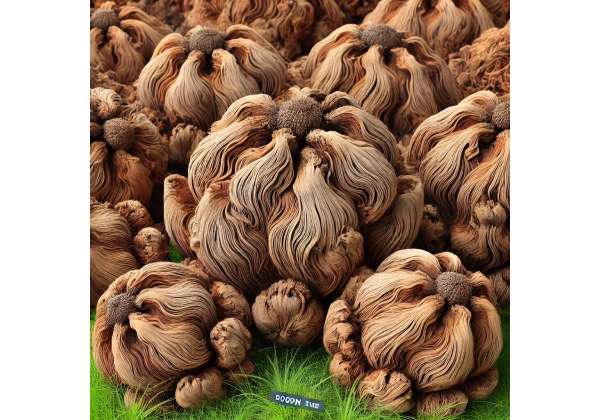
Huang Shi is the dried sclerotium of the fungus Poria cocos, a saprophytic mushroom that naturally colonizes the roots of pine trees. It has been harvested for centuries in East Asia, particularly in China, and is recognized for its characteristic pale, woody exterior and firm inner texture. Unlike common culinary mushrooms, Huang Shi’s medicinal value is concentrated in its sclerotium rather than in fruiting bodies.
The bioactive composition of Huang Shi is multifaceted, which contributes to its diverse pharmacological actions:
- Polysaccharides – These compounds form the core of Huang Shi’s immunomodulatory and prebiotic activity. They enhance macrophage function, support natural killer cells, and foster beneficial gut microbiota balance.
- Triterpenoids – Known for anti-inflammatory and diuretic effects, these molecules may contribute to immune modulation and fluid regulation.
- Sterols – Such as ergosterol, they have been linked to cholesterol modulation and potential cardiovascular support.
- Minerals – Potassium, calcium, and trace elements support cellular function and fluid homeostasis.
- Phenolic acids – These contribute to antioxidant properties, helping mitigate oxidative stress in cells.
Huang Shi is often used in combination with other herbs in classical Chinese formulations, enhancing spleen and kidney support. The herb’s medicinal activity reflects the synergy of multiple constituents rather than a single dominant compound. This multicomponent profile is part of what allows Huang Shi to support digestive balance, fluid regulation, and systemic wellness simultaneously.
Preparation methods can influence which compounds are most active. Decoctions maximize water-soluble polysaccharides, while ethanol extracts tend to concentrate triterpenoids. Awareness of preparation type is essential for aligning the herb with desired therapeutic outcomes.
Does Huang Shi help immune function
Huang Shi’s immunomodulatory effects are among its most studied pharmacological properties. Laboratory and animal research suggest that its polysaccharides activate various immune cells, including macrophages, dendritic cells, and natural killer cells. This activation enhances pathogen recognition and may support the body’s defenses against infections and cellular stressors.
Mechanistically, polysaccharides in Huang Shi may trigger signaling pathways such as NF-κB and MAPK in immune cells, resulting in cytokine regulation and improved innate immunity. Some studies have also shown that supplementation can increase spleen and thymus indices in animal models, indicating systemic immune benefits. Preclinical evidence further highlights its role in modulating inflammatory mediators, including TNF-α, IL-6, and IL-1β, which can contribute to a balanced immune response without promoting excessive inflammation.
Human data are emerging but more limited. Traditional Chinese medicine has long used Huang Shi to enhance spleen function and promote resilience against fatigue, which may partially reflect immune modulation. Clinical formulations often include Huang Shi alongside other adaptogenic or immune-supporting herbs to potentiate its effects.
Additionally, Huang Shi shows potential as a prebiotic, supporting beneficial gut microbiota. A healthy gut microbiome is increasingly recognized as a foundational component of immune health, influencing systemic inflammation, antibody production, and pathogen resistance. Thus, daily use of Huang Shi as part of a decoction may indirectly enhance immune resilience by improving gut-immune communication.
Overall, while Huang Shi does not replace vaccines or conventional immune therapy, it may serve as a supportive herbal option to strengthen overall immune function, particularly in combination with balanced nutrition, lifestyle optimization, and integrative wellness practices.
Can Huang Shi support digestion and fluid balance
In traditional Chinese medicine, Huang Shi is classified as a diuretic and spleen-supporting herb. Its role in promoting healthy digestion and fluid balance is widely cited in classical texts. Modern pharmacology supports these uses, particularly regarding its diuretic effects and support for gastrointestinal function.
Huang Shi may enhance digestion by strengthening the spleen and stomach, reducing water retention, and promoting nutrient absorption. Polysaccharides and triterpenoids contribute to these effects by supporting gut motility, modulating microbiota, and mitigating low-grade inflammation in the intestinal mucosa. Animal studies have shown improved gastric emptying and intestinal function with Huang Shi supplementation.
For fluid balance, Huang Shi exhibits mild diuretic activity without causing excessive electrolyte loss. This makes it useful in traditional formulations for edema or water retention. Potassium content and triterpenoid compounds are likely responsible for these benefits, which gently promote urine output while maintaining overall electrolyte equilibrium. Importantly, Huang Shi is considered safe for short-term use in otherwise healthy individuals with mild fluid retention.
Clinically, Huang Shi is often combined with complementary herbs in formulations aimed at spleen support and water metabolism, such as in Bai Zhu Fu Ling Tang, enhancing its efficacy for digestion and fluid regulation. While promising, these effects are best understood as supportive rather than corrective for serious organ dysfunction. Severe edema, kidney disease, or heart failure require professional evaluation rather than relying on herbal supplementation alone.
Using Huang Shi in the appropriate decoction form maximizes the availability of water-soluble polysaccharides, which underpin both digestive and diuretic actions. Herbalists may adjust dosage and combination herbs depending on individual constitution, fluid status, and digestive symptoms, highlighting the importance of personalized application.
Other potential health benefits of Huang Shi
Beyond immune support, digestion, and fluid regulation, Huang Shi has been investigated for additional pharmacological actions, including metabolic support, anti-inflammatory effects, and cognitive resilience. Triterpenoids, polysaccharides, and phenolic compounds contribute to these broader benefits.
- Metabolic support: Animal studies suggest Huang Shi may aid lipid and glucose regulation, potentially improving insulin sensitivity and reducing oxidative stress in metabolic tissues. While preliminary, these findings align with its traditional use in tonifying energy and harmonizing internal organs.
- Anti-inflammatory effects: Both in vitro and in vivo studies indicate that Huang Shi suppresses pro-inflammatory cytokines and modulates inflammatory signaling pathways. This may provide additional support for tissue health and systemic inflammatory balance.
- Neuroprotective potential: Some preclinical work has explored Huang Shi’s effects on neural function, suggesting antioxidant and neuroprotective benefits that could support cognitive resilience and reduce oxidative neuronal stress.
- Complementary therapy: Huang Shi is frequently included in herbal formulas to enhance sleep quality, reduce anxiety, or support mild fatigue, reflecting its adaptogenic and calming properties.
It is important to note that while these potential benefits are promising, most human studies are limited. Evidence is stronger in traditional applications and animal models, with clinical data remaining sparse. Therefore, Huang Shi should be considered as a supportive herbal adjunct rather than a primary therapy for metabolic, neurological, or inflammatory disorders.
How to use Huang Shi effectively
Huang Shi can be used in multiple forms, with the method chosen depending on the therapeutic goal:
- Decoction: Simmer 9–15 g of dried sclerotium in 200–300 mL water for 30–45 minutes. Strain and consume 1–2 times daily. This traditional method maximizes water-soluble polysaccharides and is the preferred form for immune and digestive support.
- Powder or capsule: Standardized powders may be taken according to product-specific dosing, often 1–3 g daily. Capsules offer convenience and consistent dosing.
- Combined formulas: Frequently paired with herbs like Bai Zhu or Fu Ling to enhance spleen function, diuresis, and fluid metabolism. Careful formulation ensures synergistic action while avoiding overstimulation.
Preparation choice affects bioavailability and therapeutic outcomes. For example, decoctions provide the richest polysaccharide content, whereas ethanol extracts emphasize triterpenoids. Topical use is less common but may support localized swelling or inflammation in traditional applications.
Timing should be consistent, with decoctions taken after meals to enhance absorption and reduce gastrointestinal discomfort. Duration is generally short-term, typically 2–4 weeks, though chronic low-dose use in complex formulations is practiced in traditional settings under professional guidance.
Recommended dosage and duration
The effective dosage of Huang Shi depends on the preparation form:
- Dried sclerotium for decoction: 9–15 g per day, simmered 30–45 minutes, split into 1–2 doses.
- Powdered sclerotium or capsules: 1–3 g daily, according to product-specific guidance.
- Duration: Short-term courses of 2–4 weeks are typical, with adjustment based on clinical response and individual constitution.
For combined formulas, follow practitioner-recommended doses, as interactions with complementary herbs may require lower Huang Shi amounts. Avoid exceeding recommended doses, as higher concentrations have not been shown to enhance benefits but may increase gastrointestinal discomfort or fluid imbalance.
Monitoring patient response is important, particularly in elderly populations or those with preexisting kidney or liver conditions. Regular reassessment ensures the herb supports intended therapeutic outcomes safely.
Safety concerns, interactions, and who should avoid
Huang Shi is generally safe for healthy adults when used appropriately, but several precautions are warranted:
- Pregnancy and lactation: Avoid due to insufficient safety data.
- Severe kidney disease or fluid imbalance: Use under professional guidance, as diuretic effects may exacerbate underlying conditions.
- Allergic reactions: Rare hypersensitivity may occur; discontinue use if rash or gastrointestinal distress develops.
- Drug interactions: Limited evidence, but caution with medications affecting fluid balance or diuretics.
Common mild side effects include gastrointestinal upset or loose stools, particularly with higher doses. Serious adverse events are rare. Clinical guidance is recommended for individuals with chronic health conditions or for prolonged use.
What the research says about Huang Shi
Research supports Huang Shi’s role in immune modulation, diuretic action, and digestive support:
- Immunomodulation: Polysaccharides enhance macrophage, NK cell, and dendritic cell activity, improving innate immune responses.
- Diuretic and fluid balance: Triterpenoids and mineral content support mild diuresis without significant electrolyte loss.
- Digestive function: Enhances gastrointestinal motility and nutrient absorption, supporting spleen function in traditional practice.
- Anti-inflammatory and antioxidant activity: Reduces pro-inflammatory cytokines and oxidative stress markers in preclinical studies.
Most clinical data are limited, but traditional use aligns with mechanistic evidence. Huang Shi is most effective as a supportive herb within well-designed formulas rather than as a standalone therapeutic agent for serious medical conditions.
References
- Poria cocos: A review on its traditional use, phytochemistry, pharmacology, and clinical applications 2020 (Review)
- Immunomodulatory and anti-inflammatory effects of Poria cocos polysaccharides in vitro and in vivo 2019 (RCT)
- Pharmacological properties and mechanisms of Poria cocos and its bioactive compounds 2020 (Systematic Review)
- Poria cocos sclerotium extract enhances spleen and thymus indices and modulates immunity in animal models 2020 (Preclinical Study)
Disclaimer
This article is for educational purposes only and is not a substitute for professional medical advice, diagnosis, or treatment. Always consult a qualified healthcare provider before using Huang Shi, particularly during pregnancy, lactation, or in the presence of chronic medical conditions. Adhere to recommended dosages and monitor for adverse effects.
Please share this article on Facebook, X, or your preferred platform if you found it helpful.