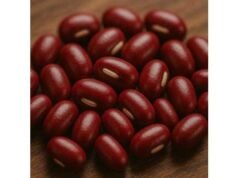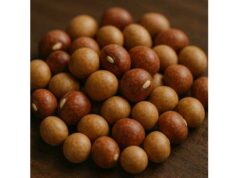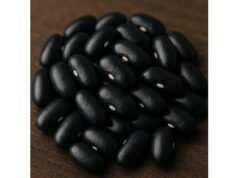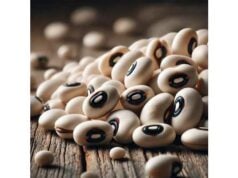
Hyacinth bean (Lablab purpureus) is a hardy, climbing legume grown across Asia and Africa, known for edible young pods and protein-dense mature seeds. In the kitchen it plays two roles: a crisp, green vegetable when harvested young, and a hearty pulse when dried and cooked down into stews, curries, and dals. Nutritionally, hyacinth bean is notable for plant protein, iron, magnesium, zinc, and thiamin. Agronomically, it fixes nitrogen, tolerates heat and periods of drought, and supports intercropping and soil health. The key safety note: like several legumes, dried hyacinth beans naturally contain cyanogenic glycosides; thorough soaking and vigorous boiling in fresh water make them safe for the table. With correct handling, hyacinth bean can be a versatile, affordable, and sustainable protein source that fits vegetarian, Mediterranean, and flexitarian patterns. This guide walks you through the benefits, the numbers (per 100 g), how to select and store the pods and seeds, and the safest ways to prepare them while preserving nutrients and flavor.
Essential Insights
- Cooked hyacinth beans supply about 8.1 g protein and meaningful iron, zinc, and magnesium per 100 g.
- Dried mature seeds must be soaked and boiled in fresh water to neutralize cyanogenic glycosides.
- Typical serving: ¾–1 cup cooked beans (115–150 g), 2–4 times per week within a varied diet.
- People with legume allergies or those unable to follow thorough boiling steps should avoid mature seeds.
Table of Contents
- Hyacinth bean: detailed overview
- Hyacinth bean nutrition profile (per 100 g)
- Evidence-based health benefits
- Risks, allergies and interactions
- Selecting, quality, sustainability and storage
- Preparation, cooking and nutrient retention
- Portions, comparisons and FAQs
Hyacinth bean: detailed overview
Hyacinth bean (also called lablab, Indian bean, or bonavist) is a warm-season legume cultivated for both tender pods and mature dry seeds. As a vegetable, the immature pods are harvested when slim and crisp, blanched or quickly stir-fried, and used much like green beans. As a pulse, the mature seeds are dried like other dry beans and cooked into stews, dals, and mixed-grain dishes. The plant is adaptable—climbing or semi-bushy depending on variety—with white, pink, or purple flowers and pods that range from green to deep purple. Farmers value lablab for resilience: it fixes atmospheric nitrogen, improves soil organic matter when used as a green manure, and tolerates heat and irregular rainfall better than many common beans.
In food culture, you will find hyacinth beans across Indian, Bangladeshi, Sri Lankan, Ethiopian, and Southeast Asian cuisines. Young pods (often called “seim” or “sem”) show up in vegetable curries and stir-fries; mature seeds feature in soups, coconut-based curries, rice-and-bean plates, and hearty porridges. The seeds’ robust texture resists falling apart, which makes them excellent in slow-eaten, saucy meals.
Nutrition-wise, cooked mature seeds deliver plant protein, iron, zinc, copper, magnesium, and thiamin. Like other pulses, they are naturally low in saturated fat and sodium. Their mineral mix pairs well with vitamin C-containing vegetables (tomato, lemon, greens), which can enhance iron absorption at the meal level. As with many legumes, hyacinth beans contain anti-nutritional factors (such as phytates and trypsin inhibitors) in the raw state; soaking, boiling, sprouting, fermenting, and pressure-cooking all reduce these while improving texture and digestibility.
A crucial safety point separates hyacinth beans from some other pulses: dried mature seeds can contain cyanogenic glycosides. That sounds intimidating, but traditional processing—soaking and then boiling in plenty of fresh water—neutralizes these compounds. Avoid low-temperature methods (for example, slow cookers) for the initial cook. When handled properly, hyacinth bean is a safe, economical, and sustainable addition to the pantry that supports diversified diets and plant-forward eating patterns.
Hyacinth bean nutrition profile (per 100 g)
Serving basis used in tables: cooked mature seeds, boiled, without salt, per 100 g. Percent Daily Values (%DV) use current adult reference intakes.
Macros and electrolytes (per 100 g, cooked mature seeds)
| Nutrient | Amount | %DV |
|---|---|---|
| Energy | 117 kcal | 6 |
| Protein | 8.1 g | 16 |
| Total carbohydrate | 20.7 g | 8 |
| Total fat | 0.58 g | 1 |
| Saturated fat | 0.10 g | 0 |
| Sodium | 7 mg | 0 |
| Potassium | 337 mg | 7 |
| Water | 69.1 g | — |
Carbohydrates (detail)
Note: Some databases report incomplete values for cooked hyacinth beans; fiber and sugars may be listed as “not available.” Raw seeds are fiber-dense; cooking and hydration lower per-100 g fiber.
| Metric | Amount | Context |
|---|---|---|
| Starch | — | Data limited in common tables for cooked seeds |
| Total sugars | — | Typically very low in cooked pulses |
| Dietary fiber | — | Raw seeds contain ~25.6 g/100 g; cooked values are lower per 100 g due to water gain |
Fats and fatty acids
| Nutrient | Amount | %DV |
|---|---|---|
| Total fat | 0.58 g | 1 |
| Polyunsaturated fat | 0.25 g | — |
| Monounsaturated fat | 0.03 g | — |
| Omega-6 (linoleic acid) | ~0.245 g | 1 (AI context) |
| Saturated fat | 0.10 g | 0 |
| Trans fat | 0 g | — |
Protein and amino acids
(Cooked seeds per 100 g; essential amino acids shown where reported.)
| Amino acid | Amount (g) |
|---|---|
| Leucine | ~0.69 |
| Lysine | ~0.56 |
| Isoleucine | ~0.39 |
| Valine | ~0.42 |
| Threonine | ~0.32 |
| Phenylalanine | ~0.41 |
| Histidine | ~0.23 |
| Methionine | ~0.07 |
| Tryptophan | ~0.07 |
Vitamins
| Vitamin | Amount | %DV |
|---|---|---|
| Thiamin (B1) | 0.27 mg | 23 |
| Niacin (B3) | 0.41 mg | 3 |
| Riboflavin (B2) | 0.04 mg | 3 |
| Pantothenic acid (B5) | 0.32 mg | 6 |
| Vitamin B6 | 0.04 mg | 2 |
| Folate (DFE) | 4 µg | 1 |
| Vitamins A, C, D, B12, K | 0 | 0 |
Minerals
| Mineral | Amount | %DV |
|---|---|---|
| Iron | 4.6 mg | 25 |
| Zinc | 2.9 mg | 26 |
| Copper | 0.34 mg | 38 |
| Magnesium | 82 mg | 20 |
| Manganese | 0.48 mg | 21 |
| Phosphorus | 120 mg | 10 |
| Calcium | 40 mg | 3 |
| Selenium | 2.8 µg | 5 |
Glycemic and acid–base metrics
| Metric | Value | Interpretation |
|---|---|---|
| PRAL (potential renal acid load) | −1.36 | Slightly alkaline-forming |
| Glycemic index | Not established | Legume pattern suggests low GI, but specific GI data are limited for hyacinth bean |
Anti-nutrients, allergens, and residues (overview)
- Anti-nutrients present in raw seeds: phytic acid, tannins, protease inhibitors, and cyanogenic glycosides.
- Effect of processing: soaking, discarding soak water, and boiling vigorously in fresh water substantially reduce these; pressure-cooking further lowers residuals.
- Allergenicity: hyacinth bean belongs to the legume family; cross-reactivity is possible for those allergic to other legumes (for example, peanut or soybean), though such cases are uncommon.
- Additives/fortification: not typically fortified; canned or prepared products may include salt or flavors—check labels.
- Contaminants/residues: as with other pulses, ensure proper drying and storage to prevent mold and mycotoxins; buy from reputable suppliers.
Footnote: Where cooked-seed values are unavailable in standard databases (for example, fiber subtypes, sugars), values are marked “—”. Use the best available local dataset for detailed carbohydrate fractions.
Evidence-based health benefits
1) Affordable plant protein that supports satiety and muscle maintenance
With ~8 g protein per 100 g cooked, hyacinth bean contributes to daily protein targets, supporting muscle repair and maintenance in mixed diets. Its essential-amino-acid profile is typical of pulses—moderate in lysine and leucine and lower in methionine—so combining with grains (rice, flatbreads, millet) balances amino acids over the day.
2) Iron, zinc, copper, and magnesium for metabolic health
Hyacinth bean provides iron (~4.6 mg/100 g), zinc (~2.9 mg), copper (~0.34 mg), and magnesium (~82 mg). These minerals support oxygen transport (iron), immune and wound-healing functions (zinc), enzymatic reactions and connective tissue formation (copper), and energy metabolism and nerve function (magnesium). Pairing cooked beans with vitamin C–rich foods (tomato, lemon juice, bell pepper, citrus) can enhance non-heme iron absorption at the meal level.
3) Cardiometabolic support from a “legume effect”
Like other pulses, hyacinth beans are naturally low in saturated fat and sodium and deliver slowly digestible starches. Regular legume intake is associated with improved post-meal glycemia, better LDL-cholesterol profiles, and long-term weight management in diverse dietary patterns. While hyacinth-specific clinical trials are limited, its macronutrient profile aligns with the broader evidence: higher fiber and resistant starch (especially in the dried seed cooked form) slow glucose absorption and foster a favorable gut microbiome.
4) Gut health and digestive comfort (with proper prep)
Traditional methods—soaking, discarding the soak water, and boiling in fresh water—lower raffinose family oligosaccharides that can cause gas. Sprouting and fermentation further reduce these compounds while improving mineral bioavailability. When reintroducing beans after a hiatus, start with smaller servings (½ cup cooked) and increase gradually over 2–3 weeks to allow the gut to adapt.
5) Sustainability and food-system resilience
Beyond human nutrition, lablab is valued in agroecology: it fixes nitrogen, protects soil, and yields pods and seeds under heat and drought stress. Including hyacinth bean in crop rotations or intercropping systems can reduce synthetic fertilizer needs and contribute to diversified, climate-resilient food systems. For home gardeners, the vine offers both edible yields and pollinator-attracting flowers—provided the mature seeds are always thoroughly cooked before eating.
6) Versatility for cultural and therapeutic eating patterns
Hyacinth bean fits vegetarian, vegan, Mediterranean, DASH, and diabetes-friendly meal patterns. For people limiting meat or seeking lower-cost proteins, 1 cup cooked beans paired with whole grains and vegetables can form a nutritionally dense, satisfying main.
Practical tip: If you are iron-deficient or pregnant, combine hyacinth bean with vitamin C–rich sides (lemony greens, tomato-based curries) and avoid tea/coffee with the meal to maximize iron uptake.
Risks, allergies and interactions
Cyanogenic glycosides in mature seeds
Dried hyacinth beans may contain cyanogenic glycosides that release hydrogen cyanide if not adequately processed. Safe household practice involves (1) soaking the dry beans for 8–12 hours, discarding the soak water; and (2) boiling vigorously in plenty of fresh water until fully tender. Do not rely on low-temperature methods (for example, slow cookers) for the initial cook because sub-boiling temperatures are insufficient to neutralize these compounds. Pressure-cooking after soaking is acceptable because it achieves high temperatures; use sufficient water and vent properly. Never consume raw or undercooked mature seeds, and do not use the soak or boil water for other foods or sauces.
Lectins and protease inhibitors
Like other legumes, raw hyacinth beans contain lectins and protease inhibitors. Proper boiling or pressure-cooking denatures these proteins. Avoid short-cut “quick-soak then simmer” methods that leave beans firm-centered; test for doneness by tasting for a creamy, not chalky, interior.
Allergy and cross-reactivity
Legume allergy exists, though hyacinth bean is a less common trigger. Individuals allergic to other legumes (peanut, soybean, lentil) may have cross-reactivity. If you have a legume allergy, discuss with an allergist before trying hyacinth bean.
Digestive tolerance
Gas and bloating may occur when increasing legumes rapidly. Mitigation steps include: thorough soaking with a water change, boiling in fresh water, and starting with ½ cup cooked portions. Spices like cumin, fennel, asafoetida, ginger, and ajwain are traditional carminatives used with bean dishes.
Interactions with supplements and conditions
Phytates and polyphenols in legumes can reduce absorption of supplemental non-heme iron and zinc. If you take iron or zinc supplements, consider spacing them 2–3 hours away from high-phytate meals. People with chronic kidney disease should account for potassium and phosphorus content within their individualized renal diet. For infants and toddlers, offer only well-cooked beans mashed to appropriate textures; never offer raw or undercooked beans.
Who should limit or avoid?
- Anyone unable to follow thorough boiling steps for dried beans.
- People with diagnosed legume allergies unless medically cleared.
- Individuals on restrictive renal diets may need portion guidance from a clinician.
Selecting, quality, sustainability and storage
Selecting the best forms
- Young pods (vegetable stage): Choose firm, crisp pods with smooth skins and bright color (green or purple depending on variety). Avoid bulging seams (overmature) and limp or spotted pods.
- Dried mature seeds (pulse stage): Look for uniform size and color, intact seed coats, and a clean harvest (no stones or debris). Purchase from reputable suppliers that sell culinary, not solely ornamental, seed.
- Canned or cooked products: Check ingredient lists for salt and additives; prefer low-sodium options if watching sodium.
Sustainability highlights
- Nitrogen fixing: Lablab enriches soil, lowering synthetic nitrogen needs when used in rotations or as green manure.
- Drought tolerance: Compared with many common beans, lablab maintains pod and seed set in hot, dry periods, supporting food security in variable climates.
- Intercropping: Often paired with maize, sorghum, or cassava to suppress weeds, reduce erosion, and diversify diets.
- Pollinators and biodiversity: Showy flowers attract insects; vines can provide living mulch and habitat.
Storage and shelf life
- Dried seeds: Keep in an airtight container in a cool, dark, dry place; ideal relative humidity <60%. Shelf life is 8–12 months. For tropical climates, store in the refrigerator or freezer to deter insect pests.
- Soaked beans: Refrigerate submerged beans for up to 24 hours; change water once if soaking longer.
- Cooked beans: Refrigerate in clean containers for 3–4 days; freeze for up to 6 months. Cool rapidly after cooking to limit bacterial growth.
- Pods: Refrigerate unwashed in a breathable bag. Use within 3–5 days for best texture and vitamin retention.
Quality cues and troubleshooting
- Slow cooking times: Old seed stock or hard water can dramatically extend cook times. Add a pinch of baking soda (sodium bicarbonate) to hard water to soften pectin and reduce time, but avoid excess to preserve texture and B-vitamins.
- Off-odors or bitterness after cooking: Discard and do not consume; bitterness may signal undercooking or spoilage.
- Sprouting: If sprouting seeds for culinary use, do not eat raw sprouts from hyacinth bean. Sprout to reduce anti-nutrients, then cook thoroughly before eating.
Preparation, cooking and nutrient retention
For dried mature seeds (pulse use)
- Sort and rinse. Remove stones and damaged seeds; rinse under running water.
- Soak 8–12 hours. Use at least 3 parts water to 1 part beans. Optionally change the soak water halfway.
- Discard soak water and rinse. This step reduces cyanogenic glycosides and oligosaccharides.
- Boil vigorously in fresh water. Cover beans with at least 5 cm water and bring to a rolling boil. Maintain an active boil until beans are creamy-centered and tender throughout (typically 45–60 minutes on the stovetop after soaking; add water as needed).
- Seasoning and salt. Add salt after beans soften to avoid tough skins; acidic ingredients (tomato, tamarind) can lengthen cooking time—add once beans are nearly done.
- Pressure-cooking option. After soaking, cook at 10–15 psi with adequate water; allow natural pressure release. Times vary by cooker and altitude; begin with 15–20 minutes under pressure and adjust.
For immature pods (vegetable use)
- Blanch and sauté/stir-fry: Trim ends and strings if present. Blanch 2–4 minutes in boiling water, drain, then stir-fry 3–5 minutes with aromatics.
- Stew or curry: Add blanched pods to a simmering curry and cook 5–10 minutes until tender-crisp.
- Do not eat raw pods or seeds. Always cook.
Flavor pairings and recipe ideas
- Coconut-tomato curry with lablab seeds: Start with onions, garlic, ginger, and curry leaves; add cooked beans, tomato, coconut milk, and garam masala; finish with lemon juice.
- Lablab-rice khichdi: Combine par-cooked rice and fully cooked beans with turmeric, cumin, and ghee/oil for a one-pot comfort dish.
- Pod stir-fry with sesame and chili: Blanched pods tossed with toasted sesame, chili, and soy/tamari (or salt and lemon) for a bright side.
- Greens and beans: Pair cooked hyacinth beans with wilted mustard or amaranth greens and a squeeze of citrus to boost iron uptake.
Nutrient retention tips
- Safety first: Unlike many beans where using cooking liquor is common, with hyacinth beans discard soak and boil water due to cyanogenic glycosides. Compensate for lost water-soluble vitamins by serving with vitamin C–rich vegetables and herbs.
- Gentle reheating: Reheat cooked beans over low heat with a splash of water or stock to reduce texture damage.
- Sprouting/fermentation: Short sprouting (24–36 hours) or lactic fermentation (for example, batter fermentation) can lower anti-nutrients before the final cook, improving mineral bioavailability.
Common mistakes to avoid
- Under-boiling dried seeds or relying on slow cookers for the initial cook.
- Adding acids too early, which can toughen skins and extend time.
- Skipping the soak if you are sensitive to gas or digestibility issues; soaking plus a vigorous boil helps.
Portions, comparisons and FAQs
Portion guidance
- Standard cooked portion: ¾–1 cup cooked beans (approximately 115–150 g) per adult.
- Frequency: 2–4 servings per week in the context of a varied diet works well for most people.
- Pods as a vegetable: 1 cup chopped cooked pods (about 125 g) as a side.
How hyacinth beans compare with other legumes (per 100 g cooked, typical values)
- Protein: Similar to black beans and chickpeas (7–9 g).
- Iron and zinc: Hyacinth bean is relatively iron- and zinc-dense per 100 g cooked compared with several common beans.
- Fat and sodium: Naturally low, like other pulses.
- Fiber: Raw seeds are fiber-rich; cooked-seed fiber per 100 g varies by dataset and hydration but is generally comparable to other pulses when adjusted to equal moisture.
Who benefits most?
- Plant-forward eaters seeking affordable protein and iron.
- Athletes and active adults who combine beans with grains to support training volumes while meeting micronutrient needs.
- Budget-conscious households leveraging dry beans’ shelf stability and low cost.
- Sustainable food advocates integrating nitrogen-fixing crops into gardens or local food systems.
Frequently asked questions
- Are ornamental hyacinth beans edible? The culinary and ornamental forms are the same species. Pods and seeds are edible only when thoroughly cooked. Do not eat raw or undercooked seeds.
- Can I cook dried hyacinth beans in a slow cooker? Not for the initial cook. Use soaking plus vigorous boiling (or pressure-cooking) first to neutralize cyanogenic compounds.
- Do I need to change the water more than once? At a minimum, discard the soak water and cook in fresh water. If you are sensitive to gas, you may change the cooking water once midway; always return to a rolling boil.
- Are purple pods different nutritionally? Pigmented pods contain more visible polyphenols, but after cooking and typical serving sizes, overall macro- and mineral differences are small compared with the impact of the whole meal.
- Is hyacinth bean safe in pregnancy? Yes—when fully cooked. Pair with vitamin C sources to support iron absorption. Avoid raw or undercooked seeds at all times.
References
- Nutrition Comparison of Hyacinth beans, mature seeds, cooked, boiled, without salt 2025
- USDA National Nutrient Database-Total Dietary Fiber 2018
- Evaluation of food safety risks associated with foods containing cyanogenic glycosides 2022 (Technical Paper)
- Comparing the Metabolic Characteristics of Hyacinth Bean (Lablab purpureus L.) Seeds from Five Local Varieties by UHPLC-QE HF HRMS 2025
- Evaluation of the health risks related to the presence of cyanogenic glycosides in foods other than raw apricot kernels 2019 (Scientific Opinion)
Disclaimer
This guide is educational content and is not a substitute for personalized medical advice, diagnosis, or treatment. If you have a legume allergy, kidney disease, are pregnant, or take prescription supplements or medications, consult a qualified health professional for tailored guidance. Never consume raw or undercooked hyacinth beans; follow the safety steps outlined above.
If you found this article useful, please consider sharing it on Facebook, X, or your favorite platform to help others and to support our work creating reliable, reader-first nutrition guides.