Hypoplastic left heart syndrome (HLHS) is a serious heart condition that starts before birth, when the left side of the heart does not form well enough to pump blood to the body. In the first days of life, a newborn with HLHS may look okay—until normal newborn circulation changes and the body can no longer get the blood flow it needs. That’s why HLHS is usually treated as a medical emergency soon after delivery, even when it was diagnosed during pregnancy. Families often face fast decisions, unfamiliar terms, and a long care journey that includes surgery, home monitoring, and lifelong follow-up. This guide explains what HLHS is, why it happens, how it shows up, how doctors diagnose it, and what treatment and day-to-day management typically involve—so you can feel more prepared for the next steps.
Table of Contents
- What HLHS is and how it changes blood flow
- What causes HLHS and who is at risk
- Early signs, symptoms, and complications
- How HLHS is diagnosed before and after birth
- Treatment options: surgery, catheter care, and transplant
- Long-term management, home care, prevention, and when to seek help
What HLHS is and how it changes blood flow
HLHS is a group of related heart changes in which the left-sided pumping chamber and nearby structures are too small to do their normal job. In a typical heart, the left ventricle sends oxygen-rich blood through the aorta to the entire body. In HLHS, that pathway is severely limited because the left ventricle, the mitral valve, the aortic valve, and the first part of the aorta may be very small, narrowed, or closed.
To understand why HLHS is urgent, it helps to know what normally happens after birth. Before birth, the placenta does the work of oxygen exchange, and the fetus uses special “shortcuts” in circulation. After birth, those shortcuts begin to close because the lungs take over oxygen exchange.
In HLHS, the baby often depends on one key shortcut called the ductus arteriosus (a temporary blood vessel that connects major arteries). When it stays open, the right side of the heart can push blood both to the lungs and to the body. When it closes—as it is designed to do—the body may suddenly lose adequate blood flow.
HLHS is sometimes described as a “single-ventricle” pathway (one main pumping chamber doing the work). That does not mean the baby has only one chamber, but it means only one chamber is strong enough to support circulation.
Because the right side of the heart is asked to do extra work, the medical team watches closely for signs that the heart is under strain, such as low blood pressure, poor oxygen delivery, or fluid buildup. Over time, the body’s organs—especially the brain, kidneys, liver, and intestines—are sensitive to reduced blood flow, which is why HLHS care focuses on steady circulation, careful nutrition, and early detection of trouble.
HLHS also varies from child to child. Some babies have better blood flow through the aorta than others. Some have an opening between the upper chambers that allows blood to mix easily; others have a tight or blocked opening that needs urgent treatment. These details matter because they shape the first hours of care and the safest treatment plan.
What causes HLHS and who is at risk
HLHS begins during early fetal development, when the heart is forming and growing quickly. In most families, there is no single clear cause. Experts describe HLHS as “multifactorial,” meaning it likely results from a mix of genetic influences and developmental factors that affect how the left-sided structures grow.
What doctors think may contribute
- Genetic factors: Some babies with HLHS have changes in genes involved in heart development. HLHS can also appear as part of a broader genetic condition. Even when no syndrome is obvious, a genetic contribution is still possible.
- Chromosome differences: Certain chromosome conditions are associated with a higher chance of congenital heart defects, including left-sided abnormalities.
- Family history: The risk is higher when a close relative has a congenital heart defect, even if it is not HLHS. Because patterns can be subtle, cardiology teams often ask about murmurs, childhood surgeries, or unexplained infant deaths in the family.
- Maternal health factors: Conditions such as pre-existing diabetes, obesity, and certain infections or exposures have been linked to congenital heart defects in general. The connection to HLHS specifically is not always direct or predictable, but clinicians still consider these factors when counseling families.
What parents often want to know: “Did I cause this?”
In the large majority of cases, there is nothing a parent did or did not do that “caused” HLHS. It forms early in pregnancy, often before a person even knows they are pregnant. That doesn’t remove the grief or guilt families may feel, but it does reframe HLHS as a developmental event, not a parenting mistake.
Risk in future pregnancies
If you have had one child with HLHS (or another significant congenital heart defect), your care team may recommend:
- Genetic counseling to review family history and testing options
- A targeted fetal heart ultrasound (fetal echocardiogram) in a future pregnancy
- Early anatomy scans focused on cardiac development
It’s also important to know that HLHS is usually detected during pregnancy or shortly after birth through screening, not because a parent notices “risk factors.” That’s why consistent prenatal care and newborn screening matter—even in families with no history.
Finally, many families ask whether HLHS can be prevented. At this time, there is no guaranteed prevention. The most practical prevention approach is broad: optimize maternal health before pregnancy when possible, manage chronic conditions carefully, avoid known harmful substances, and attend recommended prenatal visits so diagnosis and planning can happen early.
Early signs, symptoms, and complications
Symptoms of HLHS often appear when the newborn’s circulation shifts in the first day or two of life. If HLHS was diagnosed during pregnancy, the delivery team is usually ready with a plan, which can prevent a sudden crisis. If HLHS was not known, the first clues may look like common newborn problems—until they worsen quickly.
Early signs in newborns
- Fast breathing, working hard to breathe, or pauses in breathing
- Poor feeding, tiring quickly during feeds, or sweating with feeds
- Cool hands and feet, weak pulses, or a “mottled” skin pattern
- Sleepiness that seems unusual, poor responsiveness, or difficulty waking
- Low urine output (fewer wet diapers) after the first day
- Pale, gray, or bluish color around the lips or body
Some babies have a heart murmur, but HLHS can exist even when a murmur is subtle. Newborn pulse-ox screening can detect low oxygen levels, yet HLHS can sometimes “slip through” if oxygen numbers look acceptable while body blood flow is still falling. That’s why clinicians also watch perfusion—how well blood reaches the skin and organs.
Why symptoms can change quickly
As the ductus arteriosus begins to close, the body may lose its main route for blood flow. This can lead to shock, meaning the organs are not receiving enough oxygen and nutrients. Shock in HLHS can develop over hours, not days.
Complications doctors monitor for
- Low cardiac output: The heart cannot deliver enough blood to meet the body’s needs, leading to acid buildup, kidney strain, and fatigue.
- Breathing and oxygen problems: Some babies receive too much blood flow to the lungs and not enough to the body, which can worsen perfusion.
- Narrowing of vessels or mixing pathways: If the opening between the upper chambers is restricted, pressure can build in the lungs, creating a more urgent situation.
- Feeding and growth challenges: Babies may need high-calorie feeding plans or tube feeding support to grow well enough for later surgeries.
- Neurologic and developmental risk: Because circulation is abnormal before and after birth, the brain can be vulnerable. This does not mean poor outcomes are inevitable, but it does make early developmental screening and support important.
Red-flag symptoms at home (any age)
Even after surgery, certain symptoms should prompt urgent evaluation:
- Fainting, new seizures, or episodes of turning blue
- Breathing distress, persistent vomiting, or severe lethargy
- Sudden swelling of the belly, legs, or face
- Poor feeding for more than a few feeds, or weight loss over 24–48 hours
- New fast heartbeats with dizziness or gray color
Families often become skilled at noticing “small changes.” In HLHS, those small changes can be the earliest warning sign, and acting early can prevent hospitalization from becoming an emergency.
How HLHS is diagnosed before and after birth
HLHS can be diagnosed before birth, right after birth, or later after symptoms trigger evaluation. Earlier diagnosis usually improves stability because the team can plan delivery, immediate treatment, and surgical timing.
Prenatal diagnosis
Many cases are found during the mid-pregnancy anatomy ultrasound. If the screening suggests a heart difference, a fetal echocardiogram (a detailed ultrasound of the fetal heart) confirms the diagnosis and maps the specific anatomy. During fetal evaluation, the team focuses on questions that predict early risk, such as:
- How small are the left-sided structures?
- Is blood able to cross from one upper chamber to the other?
- Are the lungs at risk from restricted flow patterns?
- Are there other organ findings that suggest a genetic condition?
Prenatal diagnosis also allows for coordinated delivery planning. Families may be advised to deliver at a center with neonatal intensive care, pediatric cardiology, and heart surgery available, because hours matter if the baby becomes unstable.
Diagnosis after birth
If HLHS is not diagnosed prenatally, it may be suspected because of abnormal pulse-ox screening, breathing trouble, poor feeding, weak pulses, or sudden collapse when the ductus arteriosus closes. The evaluation typically includes:
- Physical exam: pulses, blood pressure in arms and legs, liver size, breathing effort, color
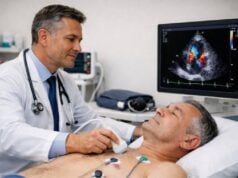
- Echocardiogram: the key test that shows chamber sizes, valve function, blood flow patterns, and mixing pathways
- Electrocardiogram: rhythm and signs of strain on heart muscle
- Chest X-ray: heart size and lung blood flow patterns
- Blood tests: acid level, oxygen delivery markers, kidney function, and infection screening
Why details matter
HLHS is not a single “one-size” diagnosis. The exact anatomy influences treatment choices and urgency. For example, if the pathway for blood to leave the lungs and enter the body is especially restricted, the baby may need an urgent catheter procedure to relieve pressure or improve mixing. If the lungs are receiving too much blood flow, clinicians may adjust medications and ventilation strategies to protect body perfusion.
Planning conversations families should expect
A thorough team will usually discuss:
- Expected course in the first 24–72 hours
- Whether surgery or a hybrid approach is likely
- Feeding plan and expected length of hospital stay
- The “interstage” period (time between the first and second surgeries) and how home monitoring works
- Testing for associated genetic conditions when appropriate
Diagnosis is more than naming HLHS. It is a roadmap that helps the team choose the safest first steps and helps families understand what decisions are immediate versus what can wait.
Treatment options: surgery, catheter care, and transplant
Treatment for HLHS has one central goal: create a stable circulation where the right side of the heart can deliver blood to the body while blood still reaches the lungs for oxygen. Most children follow a staged pathway of procedures over the first few years of life, supported by careful medical management.
Immediate newborn stabilization
Right after birth (or at diagnosis), teams often focus on three urgent steps:
- Keep the ductus arteriosus open using a medication infusion so blood can still reach the body.
- Balance blood flow so the lungs don’t “steal” too much flow from the body.
- Ensure adequate mixing of oxygen-rich and oxygen-poor blood, sometimes requiring a catheter procedure if the natural opening is too small.
Staged surgical palliation (the most common pathway)
While details vary by center and anatomy, many babies undergo:
- Stage 1 (newborn period): a complex operation that builds a new route for blood to reach the body and provides controlled blood flow to the lungs.
- Stage 2 (around a few months of age): reduces the workload on the heart by routing some returning blood directly to the lungs.
- Stage 3 (typically in early childhood): completes a circulation where most returning blood flows to the lungs without passing through the heart first.
Families often hear these described as the Norwood, Glenn, and Fontan stages. The names matter less than the purpose: step-by-step remodeling of circulation to make life possible with one main pumping chamber.
Hybrid approaches
Some centers use a “hybrid” strategy for selected babies, combining catheter-based techniques with surgery in a way that can reduce early stress in high-risk newborns. Hybrid care may be considered when a baby is very small, premature, medically fragile, or has additional complications.
Heart transplant
Transplant can be a primary strategy in rare situations or a later option if the single-ventricle pathway fails. Transplant decisions involve availability of donor hearts, timing, surgical risk, and long-term immune suppression needs. For many families, transplant is discussed as a possibility rather than an immediate plan.
What families can expect during treatment
- Long hospital stays are common after the first stage.
- Feeding support is often needed, including fortified feeds or tube feeding.
- Medications may include blood thinners, diuretics, and medicines that support heart function.
- Home monitoring between stages is a major safety tool and may reduce the risk of sudden deterioration.
HLHS care has improved substantially over the last few decades, but it remains complex. A practical way to think about treatment is that the surgeries create a working circulation, and the daily medical plan protects that circulation while the child grows.
Long-term management, home care, prevention, and when to seek help
After the first operation, many families enter the “interstage” period—the weeks or months before the next planned procedure. This period carries real risk because small changes in circulation, feeding, or illness can escalate quickly. Modern HLHS programs often respond with structured home monitoring and frequent check-ins to catch problems early.
Home monitoring basics (common components)
Families may be asked to track:
- Daily weight (looking for poor gain or sudden loss)
- Oxygen saturation (with a home pulse-ox)
- Feeding volume and how hard the baby works to feed
- Breathing rate and effort
- Temperature and signs of infection
- Wet diapers and stool patterns
Many programs use clear “call thresholds,” such as:
- Weight loss over 24 hours or failure to gain over several days
- Lower-than-usual oxygen numbers for that child’s baseline
- Feeding drop, repeated vomiting, or signs of dehydration
- Increased breathing effort, gray color, or unusual sleepiness
Nutrition and growth
Growth is not a cosmetic goal—it is a safety goal. Better nutrition can improve strength for the next procedure. Families may use:
- Fortified breast milk or formula with higher calories
- Shorter, more frequent feeds to reduce exhaustion
- Feeding therapy for swallowing safety and skill-building
- Tube feeding when oral intake cannot meet needs
Preventing avoidable setbacks
You cannot prevent HLHS, but you can reduce stress on the circulation:
- Keep up with recommended vaccines and ask about protection against respiratory viruses
- Wash hands often and limit exposure during peak illness seasons when possible
- Avoid smoke exposure in any form
- Follow medication timing carefully; missed doses can matter
- Attend all scheduled follow-ups, even when the child “seems fine”
Long-term complications to understand (without panic)
As children grow into teens and adults, the single-ventricle circulation can strain the heart and other organs. Possible issues include rhythm problems, reduced exercise tolerance, protein loss from the gut, clot risk, and liver changes. These risks are the reason lifelong congenital cardiology follow-up is essential, even for someone who feels well.
When to seek urgent care
Call emergency services or go to urgent evaluation if any of the following occur:
- Fainting, collapse, or a seizure-like episode
- Blue/gray color with breathing difficulty or poor responsiveness
- Persistent chest pain, severe belly swelling, or signs of shock (cold, clammy, very weak)
- Very fast heartbeat with dizziness or near-fainting
- In infants: refusal of feeds plus low urine output or significant lethargy
HLHS care is a long road, but families are not expected to manage it alone. Strong programs treat parents and caregivers as part of the clinical team—because you are the first to see change, and early action saves lives.
References
- Hypoplastic Left Heart Syndrome – StatPearls – NCBI Bookshelf 2025
- Hypoplastic left heart syndrome—a scoping review – PMC 2025
- Hypoplastic left heart syndrome (HLHS) becomes of age: Assessing the young adult with HLHS including the neoaorta/aortic arch – PMC 2024
- Cardiac Rehabilitation for Fontan Circulation Patients: A Systematic Review, and Meta-Analysis – PMC 2024 (Systematic Review)
- Evaluation and Management of the Child and Adult With Fontan Circulation: A Scientific Statement From the American Heart Association – PubMed 2019 (Guideline/Statement)
Disclaimer
This article is for educational purposes and does not provide medical advice, diagnosis, or treatment for any individual. Hypoplastic left heart syndrome is a complex condition that requires urgent newborn care and lifelong follow-up with specialized clinicians. If you are pregnant and have been told your baby may have HLHS, or if your child has symptoms such as breathing distress, fainting, gray/blue color, or sudden feeding collapse, seek emergency care or contact your medical team right away.
If this article helped you, please share it on Facebook, X (formerly Twitter), or any platform you prefer—and follow us on social media. Sharing supports our team and helps us continue producing high-quality health content.