Hypotension means blood pressure that is lower than a person’s body needs at that moment. For some people—especially young, fit adults—naturally lower numbers cause no problems at all. For others, a sudden drop can reduce blood flow to the brain, heart, and kidneys and quickly become dangerous. The most important question is not “What is the number?” but “Is the person getting enough blood flow and oxygen?” Hypotension can be brief (standing up too fast), situational (after a meal), medication-related, or a sign of serious illness such as bleeding or infection. This article explains how low blood pressure affects the body, why it happens, who is most at risk, how doctors identify the cause, and what evidence-based treatment and daily management typically look like.
Table of Contents
- What hypotension is and why it matters
- Common causes and triggers you can often fix
- Who is at risk and which types are most common
- Symptoms, red flags, and complications
- How doctors diagnose the cause
- Treatment and long-term management: what works
What hypotension is and why it matters
Blood pressure is the force that moves blood through your arteries. It is usually written as two numbers: the top number (systolic) reflects pressure when the heart squeezes, and the bottom number (diastolic) reflects pressure between beats. “Hypotension” does not have one universal cutoff because the same number can be safe for one person and risky for another. A healthy person who feels fine with a resting blood pressure of 90/60 mmHg may not need treatment. But a person who suddenly falls from 130/80 to 90/60—especially with dizziness, confusion, chest pain, or fainting—may be experiencing reduced organ blood flow and needs evaluation.
What makes low blood pressure harmful is impaired perfusion: not enough blood reaching the brain, heart, kidneys, and other tissues. Your body normally prevents this through fast, automatic adjustments:
- Heart rate increases to maintain blood flow.
- Blood vessels tighten (constrict) to raise pressure.
- Hormones signal the kidneys to retain salt and water.
Hypotension becomes a problem when these defenses are overwhelmed or impaired. That can happen quickly (major bleeding, severe dehydration, infection) or gradually (nerve disorders that weaken blood-vessel reflexes, medication side effects, adrenal hormone problems). In the emergency setting, clinicians often focus on mean arterial pressure (MAP), which reflects overall driving pressure for organ perfusion. They also watch for signs that matter more than the number itself: confusion, cool clammy skin, low urine output, rising lactate, or worsening shortness of breath.
It’s also useful to separate chronic low blood pressure from acute collapse. Chronic low readings with no symptoms are often benign. Acute hypotension—especially when accompanied by weakness, fainting, or confusion—can be a warning sign that the body is not meeting its basic circulation needs. In older adults and people with heart disease, even modest drops can cause falls, injury, or strain on the heart.
The practical takeaway: treat the person, not just the cuff reading. If you feel well and function normally, “low” may simply be your baseline. If symptoms appear—particularly if the change is sudden—hypotension deserves prompt attention.
Common causes and triggers you can often fix
Many episodes of hypotension come from causes that are identifiable and, in many cases, reversible. Thinking in categories helps you and your clinician move from “low blood pressure” to a plan.
Common, often-fixable causes include:
- Dehydration and low volume: Not drinking enough, vomiting, diarrhea, heavy sweating, fever, or diuretics can reduce circulating fluid. Even a short period of low intake can matter in older adults. Clues include thirst, dry mouth, dark urine, and dizziness when standing.
- Blood loss: Obvious bleeding is not the only concern—internal bleeding (for example, gastrointestinal bleeding) can cause weakness, black stools, fainting, or sudden fatigue. This is an emergency when suspected.
- Medications: Blood pressure medicines can overshoot, especially after dose changes, weight loss, dehydration, or alcohol. Other drug groups can also lower pressure by relaxing blood vessels or slowing the heart, including some antidepressants, prostate medications, sedatives, and certain Parkinson’s treatments. A key pattern is symptoms that start soon after a new medication or dose increase.
- Alcohol and recreational substances: Alcohol can widen blood vessels and worsen dehydration. Some substances can blunt normal reflexes and raise the risk of fainting.
- Prolonged standing, heat exposure, hot showers: Heat causes blood vessels in the skin to open up to release heat. This can pull blood away from the brain when you stand, especially if you are dehydrated.
- Recent illness and reduced intake: Viral illnesses can combine low intake, fever, and loose stools—three classic drivers of symptomatic low blood pressure.
- Post-meal drops: Some people experience a fall in blood pressure after eating, especially large or carbohydrate-heavy meals, because blood shifts toward the digestive tract.
When hypotension is a sign of serious illness, it is usually accompanied by other warning signs:
- Infection with shock: Fever may or may not be present. Watch for confusion, rapid breathing, weakness, or mottled skin.
- Heart problems: A heart attack, severe arrhythmia, or worsening heart failure can reduce forward flow. Symptoms may include chest pressure, shortness of breath, or palpitations.
- Endocrine problems: Low cortisol (adrenal insufficiency) can cause persistent low blood pressure, fatigue, nausea, and salt craving. Low thyroid function can also contribute to low heart rate and low pressure in some cases.
A helpful “home audit” before your appointment:
- Note recent illness, reduced drinking, diarrhea/vomiting, heat exposure, or heavy exercise.
- Write down all medications and supplements, including over-the-counter products.
- Track when symptoms happen: mornings, after meals, after standing, after showers, or after doses.
These details often reveal the trigger faster than any single test.
Who is at risk and which types are most common
Hypotension is not one condition—it is a pattern that can happen for different reasons. Knowing the common types helps people recognize their risk and choose practical prevention steps.
Major types include:
- Orthostatic hypotension: A drop in blood pressure when standing. Clinicians often define it as a sustained fall of at least 20 mmHg systolic or 10 mmHg diastolic within a few minutes of standing. This can be mild (lightheadedness) or severe (fainting). It is more common with dehydration, medication side effects, aging, and disorders that affect the autonomic nervous system (the body’s automatic blood-pressure controls).
- Neurogenic orthostatic hypotension: A subtype where the nervous system does not tighten blood vessels properly on standing. It is often associated with Parkinson’s disease, multiple system atrophy, diabetic nerve damage, and other autonomic disorders. This type may come with little or no heart-rate increase when standing, which is a clue for clinicians.
- Neurally mediated syncope (vasovagal episodes): A reflex that briefly slows the heart and widens blood vessels, often triggered by pain, needles, emotional stress, standing still, or overheating. People may feel nausea, warmth, tunnel vision, or sweating before fainting.
- Postprandial hypotension: Low blood pressure after meals, more common in older adults and those with autonomic dysfunction. It can increase fall risk if a person stands soon after eating.
- Acute hypotension from shock: This is the highest-stakes group. Causes include severe infection (septic shock), major bleeding, severe allergic reactions, or sudden heart pump failure. The key feature is not just low numbers—it is evidence of failing circulation.
Who is at higher risk:
- Older adults, especially those who are frail or take multiple medications
- People with diabetes, Parkinson’s disease, or known autonomic neuropathy
- Those with heart disease, heart failure, valve disease, or significant arrhythmias
- People on blood pressure medications, diuretics, nitrates, alpha-blockers, or sedating medications
- Individuals with recent weight loss, reduced food/fluid intake, or repeated vomiting/diarrhea
- Pregnant people, especially in early pregnancy (blood vessels relax and blood volume shifts), though severe symptoms still require evaluation
Two risk patterns deserve special attention:
- The “medication plus dehydration” combination: a modest stomach bug or heat wave can turn a stable medication plan into symptomatic hypotension within a day.
- The “silent fall risk” pattern: some people—especially older adults—have orthostatic drops without obvious dizziness but still have falls, fatigue, or “brain fog.”
If you care for someone older, it is worth asking about symptoms after standing and after meals, even if they do not label it as dizziness. Subtle clues like new unsteadiness, repeated near-falls, or reduced activity can be the first sign.
Symptoms, red flags, and complications
Symptoms of hypotension range from mild to life-threatening. The difference is usually how much circulation is compromised and how fast the change occurred.
Common symptoms:
- Lightheadedness or dizziness, especially when standing up
- Blurred vision or “graying out”
- Weakness, fatigue, or feeling unsteady
- Nausea
- Cold, clammy skin (more concerning when sudden)
- Trouble concentrating or feeling “foggy”
- Palpitations (awareness of heartbeat)
- Fainting or near-fainting
Symptoms that suggest the body is not getting enough perfusion and need urgent care:
- Confusion, unusual sleepiness, or new difficulty staying alert
- Chest pain, chest pressure, or severe shortness of breath
- Fainting with injury, fainting during exertion, or repeated fainting
- Severe weakness, inability to stand, or a sudden “collapse”
- Signs of shock: cool mottled skin, very fast breathing, very weak pulse, or minimal urine output
- Blood in vomit or stool, black tarry stools, or heavy vaginal bleeding
- A severe allergic reaction with swelling, wheezing, or hives plus dizziness
Complications depend on the setting:
- Falls and fractures: A major real-world harm, especially with orthostatic hypotension and post-meal drops.
- Head injuries: Even a brief faint can cause significant injury.
- Reduced heart blood flow: In people with coronary disease, low pressure can trigger chest pain or worsen heart strain.
- Kidney injury: Prolonged low perfusion can reduce kidney filtration and cause acute kidney injury.
- Shock-related organ failure: In severe infection, bleeding, or cardiac failure, hypotension is often part of a cascade that affects multiple organs.
A practical “severity check” you can use at home:
- Are symptoms mild and brief, improving after sitting or lying down?
- Do they recur with a consistent trigger (standing quickly, hot shower, after meals, after medication)?
- Are there warning signs that the person is confused, pale/gray, breathing fast, or unable to keep fluids down?
If symptoms are predictable and resolve quickly with rest and hydration, evaluation can often happen urgently but not necessarily in an emergency department. If symptoms are new, severe, progressive, or paired with red flags (confusion, chest pain, breathing distress, bleeding), treat it as an emergency.
Even when hypotension is not immediately dangerous, persistent symptoms matter. Ongoing dizziness can shrink a person’s life—less walking, less social activity, more fear of falling—which can accelerate deconditioning and make hypotension worse. Addressing it early can break that cycle.
How doctors diagnose the cause
Diagnosis starts with context. A single low reading is less helpful than a pattern over time, tied to symptoms and triggers. Clinicians aim to answer two questions: (1) Is this dangerous right now? and (2) What is driving it?
What clinicians typically do first:
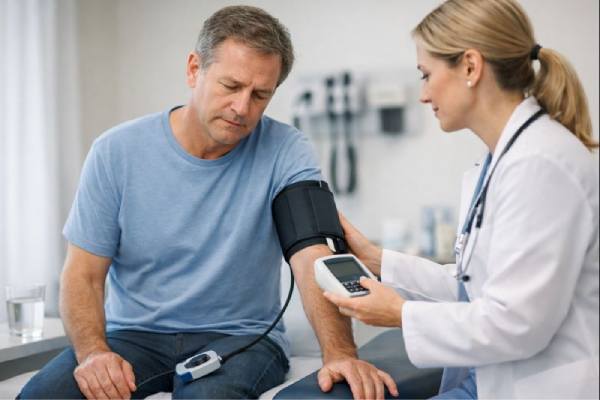
- Confirm measurement quality: cuff size, arm position, rest time, and repeated readings matter.
- Check orthostatic vitals: blood pressure and pulse lying down (or seated), then standing—often at 1 minute and again at 3 minutes. The heart-rate response helps distinguish dehydration from neurogenic causes.
- Review medications carefully: including recent changes, “as needed” meds, supplements, and alcohol intake.
Key history questions you can prepare for:
- When do symptoms occur—on standing, after meals, after showers, during exercise, after medications?
- How fast do they come on, and how long do they last?
- Any recent illness, diarrhea/vomiting, fever, or reduced intake?
- Any bleeding signs (black stools, vomiting blood, heavy menstrual bleeding)?
- Any chest pain, shortness of breath, palpitations, or fainting?
Common tests (chosen based on risk):
- Basic blood tests: blood count (anemia/bleeding), electrolytes, kidney function, glucose, and sometimes markers of infection or inflammation.
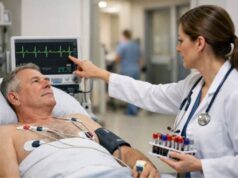
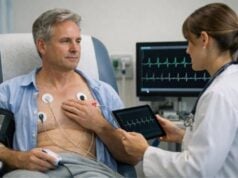
- ECG: looks for arrhythmias or heart strain.
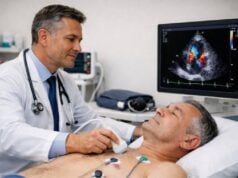
- Echocardiogram: if there is concern for valve disease, heart failure, or structural causes.
- Urinalysis and pregnancy test when relevant.
- Thyroid and cortisol testing when symptoms suggest endocrine causes (especially persistent low blood pressure with fatigue, weight loss, or salt craving).
When symptoms are recurrent or complex, specialized testing may be used:
- Tilt-table testing: evaluates blood pressure and heart-rate responses to controlled posture changes, helpful for unexplained fainting or suspected autonomic dysfunction.
- Ambulatory blood pressure monitoring: can show patterns such as nighttime high blood pressure with daytime orthostatic drops, which affects treatment planning.
- Autonomic function testing: in specialty centers, especially when neurogenic orthostatic hypotension is suspected.
How clinicians decide urgency:
- In emergency settings, they look for shock physiology: altered mental status, high lactate, weak perfusion, low urine output, or rapid breathing. Treatment often begins while tests are still in progress because delays can be harmful.
- In outpatient settings, they focus on triggers, medication adjustment, hydration and salt strategies, and targeted testing based on the most likely category.
If you want to make your visit more efficient, bring:
- A symptom log (time, trigger, what helped).
- Home blood pressure readings with notes about position (lying/seated/standing).
- A complete medication list with doses and timing.
That information often shortens the path from “hypotension” to a specific, treatable cause.
Treatment and long-term management: what works
Treatment depends on whether hypotension is acute and dangerous or chronic and quality-of-life limiting. The most effective care matches the strategy to the cause.
Acute hypotension (urgent or emergency care)
Clinicians prioritize restoring perfusion:
- Fluids when volume is low: oral fluids for mild cases; IV fluids when dehydration is significant or the person cannot keep fluids down.
- Treat the root cause quickly: control bleeding, treat infection, address allergic reactions, or stabilize heart rhythm problems.
- Vasopressors in shock: in severe sepsis or septic shock, medications that tighten blood vessels may be needed to maintain adequate mean arterial pressure while the underlying infection is treated.
- Oxygen and respiratory support when needed: low blood pressure and low oxygen often worsen each other.
Chronic or recurrent hypotension (especially orthostatic)
A stepwise approach usually works best, starting with low-risk measures:
Non-drug strategies that often help:
- Hydration targets: many adults do better with steady intake across the day rather than “catching up” at night. Your clinician can tailor goals if you have heart failure or kidney disease.
- Salt adjustments when appropriate: increasing dietary salt can raise blood volume in some people, but it is not safe for everyone. It should be individualized, especially if you have heart, kidney, or liver disease.
- Slow position changes: sit at the edge of the bed for 30–60 seconds before standing; flex calf muscles before and after standing.
- Compression garments: waist-high compression stockings or abdominal binders can reduce blood pooling in the legs and abdomen.
- Meal planning for post-meal drops: smaller, more frequent meals; reducing large carbohydrate loads; avoiding standing abruptly after eating.
- Heat and shower strategies: lukewarm showers, shower chair, and avoiding long hot baths.
Medication strategies (used when symptoms persist)
If non-drug measures are not enough, clinicians may consider medications that raise standing blood pressure or improve vascular tone. Choices depend on the cause, other conditions, and risk of high blood pressure when lying down. Common options include agents that tighten blood vessels and agents that expand blood volume, sometimes in combination, with careful monitoring.
Medication review is also a “treatment.” Adjusting or switching blood pressure-lowering medications, lowering doses, changing timing (for example, moving certain doses to evening), or reducing sedating drugs can meaningfully reduce symptoms.
Safety and follow-up
Because hypotension is often episodic, follow-up is about preventing the next event:
- Recheck standing blood pressure after changes in medication, hydration, or salt strategy.
- Monitor for supine hypertension (high blood pressure while lying down) when using certain treatments for orthostatic hypotension.
- Address fall risk directly: home safety measures, physical therapy for strength and balance, and vision/footwear checks.
When to seek care promptly (even if you are already diagnosed):
- New fainting or near-fainting episodes
- Symptoms that become frequent or more severe
- Shortness of breath, chest pain, or persistent palpitations
- Inability to keep fluids down, or signs of dehydration (very dark urine, minimal urination)
- New confusion or extreme weakness
The goal of long-term management is not to “normalize” a number at all costs. It is to prevent injury, protect organ perfusion, and help you feel steady and functional in daily life.
References
- Hypotension – StatPearls – NCBI Bookshelf 2024 (Clinical Review)
- Diagnosis and treatment of orthostatic hypotension – PMC 2022 (Review)
- Pharmacological Interventions for Orthostatic Hypotension: A Systematic Review – PMC 2025 (Systematic Review)
- Surviving Sepsis Campaign Guidelines 2021 | SCCM 2021 (Guideline)
- Surveillance decision | Evidence | Hypertension in adults: diagnosis and management | Guidance | NICE 2023 (Guidance Update)
Disclaimer
This article is for general educational purposes and does not provide medical advice, diagnosis, or treatment for any individual. Low blood pressure can be harmless in some people and dangerous in others, especially when it begins suddenly or causes fainting, confusion, chest pain, breathing distress, or signs of bleeding or severe infection. If you suspect shock, severe dehydration, internal bleeding, or a serious allergic reaction, seek emergency medical care immediately. For ongoing symptoms such as dizziness on standing or repeated fainting, consult a qualified clinician to identify the cause and develop a safe treatment plan tailored to your medical history and medications.
If you found this article helpful, please share it on Facebook, X (formerly Twitter), or any platform you prefer, and follow us on social media. Your support by sharing helps our team continue producing high-quality health content.