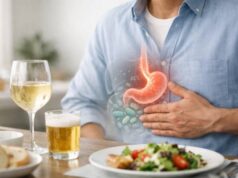
If you live with IBS, you may notice a frustrating pattern: symptoms that feel manageable most of the month can spike right before or during your period. That “cycle flare” is not imagined, and it is not just stress. Hormone shifts change gut movement, fluid balance, pain sensitivity, and even how strongly your nervous system reacts to normal intestinal stretching. At the same time, period-related chemicals (especially prostaglandins) can speed transit and loosen stools, while premenstrual progesterone can slow transit and promote constipation—creating a predictable swing for many people.
Understanding the why matters because it turns your cycle into usable information. When you can anticipate which week brings constipation, diarrhea, bloating, or cramping, you can adjust food choices, hydration, medications, and routines in a targeted way—often with less restriction overall. This guide explains the biology in plain language and offers a practical, cycle-synced plan.
Top Highlights
- IBS symptoms often intensify in the late luteal phase and during bleeding because hormones and prostaglandins shift motility and pain sensitivity.
- Constipation before a period and diarrhea during a period can both happen in the same person across different cycle phases.
- Severe pelvic pain, heavy bleeding, pain with sex, or bowel symptoms tied to bleeding can signal endometriosis or other conditions worth evaluating.
- Track symptoms for two cycles and pre-plan a “flare toolkit” for the 3–5 days you typically worsen, rather than reacting mid-flare.
Table of Contents
- Hormones and the IBS gut
- Cycle phases and symptom patterns
- Prostaglandins and period diarrhea
- Endometriosis and other lookalikes
- Cycle-synced strategies that help
- Hormonal contraception and life stages
Hormones and the IBS gut
IBS is often described as a “gut-brain” condition, and hormones are one of the strongest monthly signals that can turn that dial. Your digestive tract is lined with hormone receptors and tightly connected to the nervous system. When estrogen and progesterone rise and fall, they can influence how quickly food moves, how much fluid stays in the stool, and how strongly your gut nerves respond to normal stretching.
Motility: speed and timing change across the month
Many people with IBS notice a swing between slower and faster transit. That can happen because progesterone tends to relax smooth muscle and may slow movement in the gut. When transit slows, the colon has more time to pull water out of stool, which can harden stool and increase straining. Later, when hormones drop and prostaglandins rise near the start of bleeding, transit may speed up, pushing stool through faster and leaving less time for water reabsorption.
Sensitivity: the same gas can feel different
IBS is defined by visceral hypersensitivity: normal amounts of pressure, gas, or stool can feel painful. Hormone shifts can change how your nervous system processes these signals. During certain cycle phases, your pain threshold may be lower, and your gut can feel “louder.” This is why bloating can feel dramatic even when the abdomen is not visibly more distended than usual.
Inflammation and immune signaling: subtle but relevant
The gut is an immune organ. Hormones can nudge immune activity, mast cell behavior, and barrier function. In practical terms, this can look like increased reactivity to foods you normally tolerate, more urgency, or a stronger stress response. It does not mean IBS is “in your head.” It means your body is temporarily primed to react more strongly.
The overlap effect: PMS symptoms and IBS amplify each other
Fatigue, sleep disruption, anxiety, cravings, and pelvic cramping can all change how you eat, move, and rest. Those changes feed back into IBS. A late-night snack pattern, less walking, and poor sleep for three nights can be enough to trigger constipation or bloating even without a dramatic dietary change. The cycle flare is often a mix of biology and predictable behavior shifts, which is good news: behavior is modifiable once you can see the pattern.
Cycle phases and symptom patterns
Most cycle-related IBS flares follow a pattern tied to the four main phases of a typical 21–35 day menstrual cycle. You do not need a perfect 28-day cycle to use this framework. The goal is to notice your predictable window and plan for it.
Follicular phase: often the “easier” week
The follicular phase begins on day 1 of bleeding and continues until ovulation. For many people, IBS feels calmer in the middle of this phase once period-related prostaglandins settle. Appetite may normalize, sleep may improve, and the gut often feels less reactive. If you have one week where your usual strategies work best, it is commonly here.
Practical use: treat this phase as your “baseline data” week. Track what a normal day looks like for stool form, bloating, and pain. It becomes your comparison point when a flare hits later.
Ovulation: mixed responses
Around ovulation, estrogen peaks, and some people notice increased bloating, looser stools, or a brief pain spike. Others feel no change. Ovulation can also bring pelvic discomfort that is easy to confuse with IBS cramping. If you track symptoms over two or three cycles, you will often see whether ovulation is a real trigger or just background variation.
Luteal phase: constipation and bloating are common
After ovulation, progesterone rises. This is the phase where many people report constipation, sluggish digestion, increased bloating, and more gas. If you tend toward IBS-C or IBS-M, the late luteal phase can feel like your gut “won’t move,” even if you are eating normally.
What makes this phase tricky is that cravings and fatigue can increase. People often eat more refined carbs, snack more at night, and move less. Those choices are understandable, but they can reduce fiber quality and slow motility further.
Menstrual phase: diarrhea, urgency, and cramping often peak
For many people, the first 1–3 days of bleeding are the most symptomatic. Diarrhea, urgency, abdominal cramping, and nausea can spike. Even people who are usually constipated may experience “period diarrhea,” then swing back to constipation afterward.
A useful reframing: this is not random. It is often a predictable physiology window. When you identify your typical “worst days,” you can pre-plan hydration, bathroom access, and symptom tools instead of trying to catch up while miserable.
Prostaglandins and period diarrhea
If you have ever wondered why your bowels seem to “join the period,” prostaglandins are a big part of the answer. Prostaglandins are hormone-like chemicals involved in uterine contractions. They help the uterus shed its lining, but they can also affect the intestines.
How prostaglandins change the gut
During menstruation, prostaglandin levels rise. These chemicals can:
- Increase smooth muscle contractions beyond the uterus
- Speed intestinal transit, leaving stool looser
- Promote cramping sensations that can feel like IBS pain
- Increase nausea in some people, especially on day 1 or day 2 of bleeding
For someone with IBS, this can magnify an already sensitive system. A normal prostaglandin rise becomes a stronger signal: more urgency, more pain, and more “reactive gut” sensations.
Why diarrhea can happen even if you are usually constipated
Two mechanisms can coexist:
- Late luteal progesterone slows transit and promotes constipation.
- Menstrual prostaglandins then speed transit quickly.
That rapid shift can create a “catch-up” effect: the bowel moves suddenly, stools soften, and urgency increases. Some people describe it as alternating constipation and diarrhea within the same week. This is a common pattern in IBS-M around the cycle.
Food and caffeine: common accelerators during bleeding
During menses, your baseline transit may already be faster. Add common period choices—coffee, greasy comfort foods, sugar alcohols, or large late meals—and urgency can escalate. This does not mean you need extreme restriction. It means the same trigger has a stronger effect in a more sensitive window.
A simple approach is to keep meals:
- Smaller and more frequent on your worst days
- Lower fat if fat reliably triggers urgency
- More “boring” in the morning if mornings are when diarrhea hits hardest
NSAIDs: helpful for cramps, not a universal IBS tool
Nonsteroidal anti-inflammatory drugs can reduce menstrual cramping by lowering prostaglandin production. Some people notice fewer bowel symptoms when cramps are controlled. However, NSAIDs can irritate the stomach, worsen reflux, and in some individuals aggravate diarrhea. If you use them, the safest plan is to use the lowest effective dose for the shortest window and avoid stacking them with other stomach-irritating factors (alcohol, taking on an empty stomach, dehydration).
If bowel symptoms are severe despite typical period pain control, that is a sign to look beyond “normal period changes” and evaluate other causes, including endometriosis, infections, or bile acid-related diarrhea.
Endometriosis and other lookalikes
Cycle-linked bowel symptoms are common in IBS, but they also overlap with several gynecologic and gastrointestinal conditions. The goal is not to alarm you; it is to prevent missed diagnoses when symptoms do not fit the typical IBS pattern or are escalating over time.
Endometriosis: the most important overlap
Endometriosis can cause pelvic pain and GI symptoms that look like IBS: bloating, diarrhea, constipation, nausea, and cramping. What makes endometriosis a special consideration is the pattern: symptoms may worsen around bleeding, and some people notice pain with sex, pain with bowel movements during menses, or deep pelvic pain that feels different from typical IBS discomfort.
Clues that should raise the index of suspicion include:
- Severe period pain that is not controlled by typical measures
- Heavy bleeding or bleeding between periods
- Pain with sex, urination, or bowel movements (especially during menses)
- Infertility concerns or a known history of endometriosis in close relatives
- Progressive symptoms year over year
Many people have both IBS and endometriosis. In those cases, treating only IBS may not produce the expected relief.
PMDD and high-symptom PMS states
If your IBS flares are tightly linked to mood changes, sleep disruption, and strong cravings in the late luteal phase, the driver may be a broader premenstrual syndrome pattern. Poor sleep and heightened anxiety can lower pain thresholds and alter motility. Addressing the mood and sleep component can reduce the intensity of “gut flares,” even if the underlying IBS remains.
Thyroid issues and iron supplementation
Constipation that worsens premenstrually can still be IBS-C, but it can also be amplified by hypothyroidism or by iron supplementation used for heavy bleeding. Iron can harden stool and darken it, which can be alarming if you are not expecting it.
If you have heavy periods plus worsening constipation, it is reasonable to discuss iron strategy and thyroid screening with a clinician rather than simply adding more laxatives.
When symptoms are not IBS at all
Seek prompt evaluation if you have:
- Blood in stool, black stools, persistent fever, or severe dehydration
- Unintentional weight loss, anemia, or persistent nighttime diarrhea
- New bowel habit changes that persist and are not tied to cycle phase
- Severe focal pain (especially right-sided pain after fatty meals)
IBS can flare with hormones, but IBS should not be used as a blanket explanation for red-flag symptoms.
Cycle-synced strategies that help
The most effective approach is usually not a single “magic diet,” but a flexible plan that adjusts to the phase you are in. Think of it as a small set of tools you apply proactively during your predictable flare window.
Step one: map your pattern for two cycles
For two cycles, track:
- Stool frequency and stool form
- Bloating (0–10)
- Pain (0–10)
- The first day of bleeding and the day you suspect ovulation (optional)
You are looking for a repeatable window, such as “days −3 to +2 around bleeding” or “the last week before my period.” Once you can predict the flare, you can plan for it.
Constipation-leaning luteal plan
If constipation and bloating worsen before your period, focus on transit support:
- Keep fiber consistent, but prioritize soluble fibers you tolerate (rather than suddenly adding large salads).
- Add gentle movement after meals (10–15 minutes is often enough to change motility).
- Aim for steady hydration; constipation strategies fail when fluid intake drops.
- If you use a clinician-approved osmotic option, many people do best by adjusting earlier in the luteal phase rather than waiting until stool is already hard.
A useful rule: do not respond to luteal constipation with aggressive restriction. Eating too little reduces stool bulk and can worsen motility.
Diarrhea-leaning menstrual plan
If diarrhea and urgency peak during bleeding:
- Reduce your biggest accelerators for 48–72 hours (often caffeine, very fatty meals, and large late meals).
- Use smaller, simpler meals earlier in the day if mornings are worst.
- Increase fluids and include salt-containing foods if stools are frequent.
- Consider a clinician-guided “as-needed” plan for urgency if diarrhea is disruptive.
For many people, the goal is not to eliminate all triggers; it is to avoid stacking several triggers on top of a physiology window that is already faster.
Pain and bloating: reduce amplification
Pain is often the symptom that makes everything else feel urgent. Strategies that reduce amplification can help:
- Warmth (heating pad), paced breathing, and a short walk can reduce spasm and urgency signals.
- Peppermint-based approaches help some people with cramping, but can worsen reflux in others.
- Sleep protection in the late luteal phase matters more than most people realize; two nights of poor sleep can drop pain tolerance and worsen gut reactivity.
Build a “flare toolkit” you can repeat
A practical toolkit is short and specific:
- One constipation plan (what you do on days −7 to −1 if stools slow)
- One diarrhea plan (what you do on days 1–3 if urgency hits)
- One pain plan (what you do when cramping starts)
- One boundary (a clear reason to seek care rather than self-manage)
This is how you reduce the sense that your cycle is sabotaging you. You turn it into a schedule you can prepare for.
Hormonal contraception and life stages
Hormones do not affect IBS only during a “normal” reproductive cycle. Birth control, postpartum changes, perimenopause, and menopause can all shift patterns. The common thread is variability: when hormones become more stable or more erratic, the gut may follow.
Hormonal contraception: stabilizing for some, aggravating for others
Some people notice fewer IBS flares on hormonal contraception, especially if it reduces the hormonal peaks and troughs that trigger motility swings. Others notice new bloating, nausea, or constipation depending on the formulation. Practical points:
- If symptoms improved after starting contraception, you may be benefiting from steadier hormone signaling and fewer prostaglandin-driven swings.
- If symptoms worsened, it may be due to a specific progestin effect on motility, fluid retention, or nausea sensitivity.
- A change in formulation can matter. If the timing of symptom change clearly matches starting a new contraceptive, it is worth discussing options rather than assuming your IBS “just got worse.”
Continuous regimens that reduce bleeding can help some people who have severe menstrual-phase diarrhea, but this should be individualized and clinician-guided.
Perimenopause: fluctuation can be the trigger
Perimenopause is often a time of unpredictable hormone swings, irregular bleeding, and changing sleep. Even people who did not have strong cycle-linked IBS flares earlier can notice new patterns. The “hidden” driver is often sleep disruption and stress physiology layered on top of hormonal variability.
A practical approach is to return to basics: consistent meal timing, steady fiber, gentle daily movement, and sleep protection. If symptoms are new and significant at midlife, it is also a time when clinicians are more likely to investigate non-IBS causes.
Pregnancy and postpartum: motility shifts and recovery
Pregnancy can slow transit and increase constipation due to hormonal effects and physical pressure. Postpartum, patterns can swing again depending on sleep, pelvic floor recovery, iron supplementation, and breastfeeding-related demands. If you have significant straining, incomplete evacuation, or pelvic heaviness postpartum, pelvic floor assessment can be a high-value step.
When to ask for a deeper evaluation
Consider seeking clinician support if:
- Your cycle-linked flare is severe enough to miss work or normal activities most months
- You have escalating pain, heavy bleeding, pain with sex, or bowel symptoms closely tied to bleeding
- You have persistent diarrhea outside menstrual days
- You cannot maintain nutrition because symptoms force major restriction
IBS and hormones are connected, but you deserve more than “that’s normal.” A good plan respects both physiology and quality of life.
References
- Irritable Bowel Syndrome and the Menstrual Cycle – PMC 2021 (Review)
- ACG Clinical Guideline: Management of Irritable Bowel Syndrome – PubMed 2021 (Guideline)
- Primary Dysmenorrhea: Pathophysiology, Diagnosis, and Treatment Updates – PMC 2022 (Review)
- Endometriosis and irritable bowel syndrome: A systematic review and meta-analyses – PMC 2022 (Systematic Review)
Disclaimer
This article is for educational purposes only and does not provide medical advice, diagnosis, or treatment. IBS symptoms can fluctuate with hormonal changes, but similar symptoms can also occur with conditions that require medical evaluation, including endometriosis, inflammatory bowel disease, infections, celiac disease, thyroid disorders, medication side effects, and bile acid-related diarrhea. Do not delay care for warning signs such as rectal bleeding, black stools, persistent fever, severe dehydration, unintentional weight loss, anemia, persistent nighttime diarrhea, severe or worsening abdominal or pelvic pain, fainting, or new persistent bowel habit changes. If you are pregnant, postpartum, have a chronic medical condition, or take prescription medications, discuss symptom management strategies with a qualified clinician to ensure safety.
If you found this article helpful, please consider sharing it on Facebook, X (formerly Twitter), or any platform you prefer.