Iceberg rose is best known as a graceful garden rose, but its petals also fit into a broader tradition of culinary and gentle medicinal rose use. As a cultivar of Rosa hybrida, it is closer to an ornamental modern rose than to classic medicinal species such as damask rose. That distinction matters. Iceberg rose can still offer useful plant compounds, aromatic value, and practical home uses, but the strongest research on “rose medicine” usually comes from other Rosa species or mixed rose extracts rather than Iceberg itself.
For that reason, the most honest way to approach Iceberg rose is as a mild, supportive botanical. Its petals may provide antioxidant polyphenols, a soft floral aroma, and soothing topical or tea-based uses. In real life, people are most likely to use it for light relaxation, skin-comfort routines, and occasional digestive or menstrual support. The effects are usually subtle, not drug-like. When prepared from unsprayed petals and used in the right form, Iceberg rose can be a pleasant addition to wellness habits, but safety, dose, and product quality still matter.
Key Insights
- Iceberg rose is most useful as a gentle petal tea, hydrosol, or aroma support rather than a high-potency medicinal herb.
- The most realistic benefits are mild calming support and soothing care for dry or easily irritated skin.
- A cautious home range is 1 to 2 g dried petals per cup, up to 1 to 3 cups daily.
- Avoid medicinal use if you are pregnant or breastfeeding, have fragrance-triggered asthma, or react to roses or perfume ingredients.
Table of Contents
- What is Iceberg rose?
- Key ingredients and properties
- What can it help with?
- How to use Iceberg rose
- How much and when?
- Side effects and who should avoid it
- What the evidence really says
What is Iceberg rose?
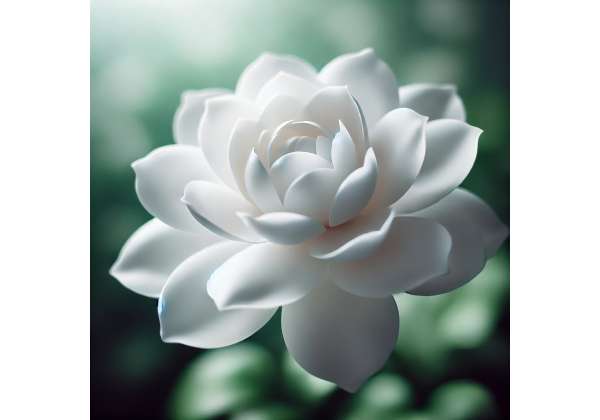
Iceberg rose is a repeat-flowering floribunda rose within the Rosa hybrida group. In gardening, it is valued for its abundant clusters of pale blooms, steady flowering, and relatively light fragrance. In herbal terms, though, it is not a classic “medicinal rose” in the way that damask rose or some wild rose species are traditionally used. That does not make it useless. It simply means the expectation should be different.
A helpful way to think about Iceberg rose is this: it is primarily an ornamental rose that may also be used in food-like or low-intensity botanical preparations when the petals are clean, unsprayed, and properly handled. The petals can be infused into tea, added to syrups, steeped into water-based preparations, or used in gentle topical routines. Compared with highly aromatic roses, Iceberg tends to offer a milder sensory profile, so its effects are usually more delicate and experience-based than dramatic.
It is also important to separate petals from other rose products. A cup of dried petals, a bottle of food-grade rose water, a facial hydrosol, and a concentrated essential oil are not interchangeable. Each delivers different compounds in different strengths. Petals are the gentlest starting point. Hydrosols are usually next. Essential oil is the strongest and the riskiest for irritation.
For readers who want a practical definition, Iceberg rose is best approached as:
- a culinary flower when grown without pesticides
- a mild aromatic botanical for relaxation rituals
- a skin-soothing ingredient in gentle water-based preparations
- a decorative rose whose medicinal potential is plausible but not strongly studied on its own
That final point is the key. Iceberg rose can be useful, but it should not be marketed as a miracle herb. Its value lies in low-risk, modest, everyday uses: a calming tea, a fragrant steam, a floral rinse, or a soothing part of a bedtime routine. When readers understand that from the beginning, they are much less likely to overuse it or expect results it cannot deliver.
Key ingredients and properties
The medicinal interest in rose petals comes from two broad chemical families: non-volatile compounds in the petals themselves, and volatile aroma compounds that are more noticeable in hydrosols and essential oils. Iceberg rose likely contains both, but in a milder balance than strongly perfumed rose varieties.
The first major group is polyphenols. These include flavonoids, phenolic acids, tannins, and small amounts of pigment-related compounds. In practical terms, these molecules help explain why rose petals are discussed for antioxidant and soothing properties. Polyphenols can help neutralize unstable molecules, support the skin barrier indirectly, and contribute to the mild “toning” feel that some rose preparations have. Tannins are especially relevant here. They can create a light astringent sensation, which some people enjoy on normal to oily skin and others find too drying.
The second group is the aromatic fraction. Even a lightly scented rose contains small amounts of fragrant compounds such as phenethyl alcohol, citronellol, geraniol, nerol, and linalool or related terpenes, depending on the cultivar and preparation. These compounds are less about nutrition and more about sensory physiology. Smell is tightly linked to emotional memory, tension, and the body’s stress response. That is why even a mild rose aroma can feel calming for some people.
A useful nuance is that flower color often affects chemistry. Deeper pink and red roses generally contain more anthocyanins, while white roses like Iceberg may lean less on pigment compounds and more on other phenolics. That means Iceberg rose should not be expected to match the antioxidant intensity of darker edible rose cultivars. Still, a paler rose can remain valuable for gentle topical and tea uses.
From a practical standpoint, Iceberg rose is associated with these realistic properties:
- mild antioxidant support from petal polyphenols
- light astringent action from tannins
- sensory calming from floral volatiles
- possible skin-comfort support in water-based preparations
- gentle digestive comfort when used as a warm infusion
This is also why form matters so much. Tea emphasizes water-soluble phenolics and tannins. Hydrosol emphasizes lighter aromatic compounds in a diluted, skin-friendly way. Essential oil, by contrast, is highly concentrated and more likely to irritate than to help if used casually.
The most important takeaway is that Iceberg rose is not “active” in one single way. Its value comes from a combination of chemistry and use context. A warm cup before bed, a mist on tight-feeling skin, or a floral rinse after a stressful day can be meaningful even when the biological effect is modest.
What can it help with?
The most credible benefits of Iceberg rose fall into the category of gentle support rather than treatment. Readers looking for strong therapeutic effects may be disappointed. Readers looking for a softer botanical that fits into daily routines often do better.
The first likely benefit is relaxation support. Rose aroma has been studied more than rose tea, and the general pattern is that rose scent may help lower perceived tension in some settings. Iceberg rose is not the most intensely fragrant rose, so its calming effect is more likely to come from ritual, mild aroma exposure, and the sensory cue of a floral preparation than from a strong aromatherapy punch. That still matters. A low-intensity aroma can be easier to tolerate than a heavy perfume note. People who enjoy floral scents may find petal tea, a bedside sachet, or a hydrosol spray helpful as part of a wind-down routine. If you are comparing options for a stronger aroma-based routine, lavender oil for stress and sleep is usually the more concentrated choice.
The second likely benefit is skin comfort. A properly made rose hydrosol or cooled petal infusion may help skin feel calmer, fresher, and less tight. This is especially true when skin irritation comes from dryness, heat, over-cleansing, or a temporary barrier imbalance rather than from infection or severe inflammation. Rose works best here as a comfort ingredient, not as a treatment for eczema, acne cysts, or rosacea flares.
The third likely benefit is mild digestive ease. Warm floral infusions are often helpful after a heavy meal simply because they combine warmth, hydration, and a small amount of soothing plant compounds. Some people also find rose tea useful for stress-related stomach tension. In that setting, the calm-inducing ritual may be as important as the petals.
A fourth possible benefit is menstrual comfort. Traditional rose use often includes low mood, bloating, headache, and cramping around the menstrual cycle. The modern evidence for this is mixed and comes mainly from damask rose, not Iceberg. Even so, a warm rose infusion can be a reasonable low-risk adjunct for mild symptoms.
The most realistic outcomes are:
- feeling calmer, not sedated
- feeling more comfortable, not cured
- noticing a softer skin feel, not a dramatic skin transformation
- getting a gentle digestive reset, not a fix for chronic gut disease
That framing keeps the benefits honest. Iceberg rose may be helpful, but its best role is supportive care at the mild end of the spectrum.
How to use Iceberg rose
The best way to use Iceberg rose depends on your goal. For most people, the safest and most practical starting point is with the petals themselves rather than with concentrated oil.
Petal tea or infusion
Dry, unsprayed petals can be steeped in hot water to make a floral tea. This is the most approachable use because it is easy to dose, inexpensive, and usually well tolerated. Many people blend rose petals with lemon peel, mint, or chamomile to round out the flavor. A mild rose tea works especially well in the evening or after meals.
Food-grade rose water
Food-grade rose water is useful when you want aroma without plant solids. It can be stirred into warm water, yogurt, rice puddings, or light desserts. Because it is less tannic than petal tea, some people prefer it for culinary use. Check the label carefully. A cosmetic rose water is not the same thing as a food-grade one.
Hydrosol or cooled infusion for skin
A hydrosol is often the most skin-friendly rose format. You can use it as a light facial mist, a compress, or a final rinse after cleansing. A cooled homemade petal infusion can also be used briefly as a wash, but it should be prepared hygienically, refrigerated, and discarded quickly.
Aroma use
If your petals are fragrant, you can place dried petals in a sachet or add a small amount to steam inhalation setups used for relaxation. This is gentler than essential oil and less likely to overwhelm scent-sensitive people. Floral teas are also worth comparing with hibiscus infusions if you enjoy botanical drinks, though hibiscus is noticeably more tart and physiologically different.
Simple ways to avoid mistakes
- Use only unsprayed, food-safe petals.
- Do not use florist roses or landscaping roses of unknown chemical treatment.
- Remove the pale petal base if you want less bitterness.
- Keep homemade water-based preparations cold and short-lived.
- Do not ingest rose essential oil at home.
That last point is non-negotiable. Essential oil is a concentrated aromatic extract, not a casual culinary ingredient. For most users, petals and hydrosols provide the best balance of usefulness and safety.
How much and when?
Because Iceberg rose is usually used as a tea, hydrosol, or food-like preparation, dosing should stay conservative. The goal is to find the lowest amount that feels pleasant and useful.
Tea from dried petals
A cautious home range is:
- 1 to 2 g dried petals per cup of hot water
- steeped for about 5 to 10 minutes
- used 1 to 3 times daily
For relaxation, many people do best with one cup about 30 to 60 minutes before bed. For digestive comfort, it makes more sense after meals. For mild menstrual support, starting one or two days before symptoms usually works better than waiting until discomfort peaks.
Fresh petals
Fresh petals are less concentrated by weight because they contain much more water. A small handful is often enough for one cup of infusion. Fresh petals spoil quickly, so they should be rinsed well and used promptly.
Food-grade rose water
A typical culinary range is 5 to 10 mL, roughly 1 to 2 teaspoons, in a beverage or food preparation. Start lower. Too much can make a drink taste soapy or perfume-like.
Hydrosol for skin
Use once or twice daily on intact skin. More is not necessarily better. If your skin starts to sting, tighten, or flush, reduce use or stop. People exploring gentle tea routines often rotate rose with chamomile and its calming compounds to learn which botanical fits their body and schedule better.
Essential oil
If you choose to use rose essential oil topically, keep it highly diluted. A cautious leave-on range is about 0.25 to 1 percent in a carrier oil or unscented cream. For diffusion, 1 to 3 drops is usually enough for a short session. More fragrance does not mean more benefit.
A few practical timing rules help:
- use tea after meals for stomach comfort
- use tea or aroma at night for wind-down support
- use hydrosol after cleansing or after sun and heat exposure
- reassess after 1 to 2 weeks of regular use
If nothing changes after that period, Iceberg rose may simply not be the right fit. That is useful information, not failure.
Side effects and who should avoid it
Iceberg rose is usually gentle in food-like amounts, but “gentle” does not mean risk-free. Most problems come from one of three mistakes: using sprayed petals, overdoing concentrated aromatic products, or assuming all rose products are interchangeable.
The most common side effects from tea or culinary use are mild stomach upset, headache, nausea, or an unpleasant perfumed taste when the dose is too high. These are usually self-limited. Topical products are more complicated. Rose hydrosol may sting on a damaged skin barrier, while essential oil can cause irritation, redness, watery eyes, or delayed allergic contact dermatitis.
The people most likely to need caution are:
- anyone with a fragrance allergy or known perfume sensitivity
- people with asthma triggered by scents
- people whose migraines worsen around strong smells
- those with very reactive skin, especially while using acids or retinoids
- pregnant or breastfeeding people considering medicinal rather than culinary use
- infants and young children, especially around essential oils
There are also practical interaction issues. Rose tea is not known for major drug interactions, but concentrated aroma use may feel too sedating for some people when combined with nighttime sedatives or other calming aromatics. The bigger issue is tolerability, not metabolism.
Three safety rules matter more than everything else:
- Never ingest essential oil unless a qualified clinician has given explicit guidance.
- Never use petals from roses exposed to unknown pesticides or floral preservatives.
- Patch test any leave-on topical product before wider use.
For readers seeking another classic flower-based topical with a stronger wound-care reputation, calendula for irritated skin is often discussed more directly than ornamental rose preparations.
Also remember that “natural” can hide important differences in quality. One rose water may be a simple hydrosol. Another may contain added fragrance, alcohol, or preservatives. One jar of dried petals may be food-grade. Another may be decorative only. When in doubt, choose the simplest, best-labeled product and start with the gentlest form.
What the evidence really says
This is the section most readers miss, but it is the one that keeps the article honest. The evidence for rose-based health uses is real, but it is uneven. And the evidence for Iceberg rose specifically is thin.
The strongest human research on “rose” tends to focus on damask rose, rose aromatherapy, or standardized extracts from other Rosa preparations. Those studies suggest that rose aroma may support short-term relaxation and subjective sleep quality in some groups. There is also limited research on mood, menstrual symptoms, and acute pain. The results are encouraging in places, but they are not uniform. Some studies show benefit, others show modest or mixed outcomes, and many rely on small sample sizes or short treatment windows.
For Iceberg rose itself, the evidence gap is important. Researchers know that Rosa hybrida petals can contain useful phenolics and aromatic compounds, and that rose cultivars differ widely in color chemistry, fragrance profile, and bioactivity. But that does not allow anyone to assume that the Iceberg cultivar has the same effects as a highly aromatic medicinal rose. White, lightly scented ornamental roses may be better suited to gentle culinary and topical use than to concentrated therapeutic applications.
A sensible evidence summary looks like this:
- strongest support: rose aroma for perceived calm and bedtime routines
- moderate but mixed support: menstrual comfort and some pain-related settings
- plausible but less proven: skin soothing, light digestive support, and topical comfort
- weak support: any claim that Iceberg rose itself is a validated medicinal herb
That last point is not negative. It simply prevents overstatement. Iceberg rose makes the most sense when used as a low-intensity botanical with good safety habits. If your goal is a soft floral tea, a comforting hydrosol, or a pleasant sensory ritual, the evidence is good enough to justify careful personal use. If your goal is treatment of insomnia, anxiety disorder, chronic pain, or inflammatory skin disease, the research does not support relying on Iceberg rose alone.
In other words, the plant is best viewed as a supportive tool, not a stand-alone therapy. That is often where herbs are most useful anyway: not as replacements for care, but as simple, well-tolerated additions that make healthy routines easier to keep.
References
- Recent Advances in Bioactive Compounds, Health Functions, and Utilization of Rose (Rosa spp.) 2025 (Review)
- The effects of Rosa damascene aromatherapy on mood and sleep: a systematic review and meta-analysis 2025 (Systematic Review)
- Effect of oral capsules of Rosa damascena mill extract on depression, anxiety and stress in menopausal women: A randomized controlled trial 2025 (RCT)
- Beneficial medicinal effects and material applications of rose 2024 (Review)
- A Comprehensive Review of Edible Flowers with a Focus on Microbiological, Nutritional, and Potential Health Aspects 2025 (Review)
Disclaimer
This article is for educational purposes only. It does not diagnose, treat, or replace professional medical care. Iceberg rose and other rose preparations can cause irritation, allergic reactions, or problems when used in the wrong form or with poor-quality products. Use extra caution if you are pregnant, breastfeeding, highly scent-sensitive, have asthma, have a chronic skin condition, or take prescription medicines for sleep, anxiety, pain, or mood. Seek medical advice for persistent symptoms, severe reactions, or any condition that may need formal diagnosis or treatment.
If this guide was useful, please share it on Facebook, X, or your preferred platform so others can find a more careful, evidence-aware view of Iceberg rose.