Incessant ventricular tachycardia is a dangerous rhythm problem where the heart keeps slipping into a fast beat that starts in the lower chambers and is hard to stop for long. People often describe it as waves of pounding heartbeats that return minutes after treatment, or a fast rhythm that persists for hours. It can leave you breathless, lightheaded, or suddenly weak because the heart has less time to fill and pump blood. In some cases it triggers repeated shocks from an implanted defibrillator, which is both painful and emotionally exhausting. The most important point is that this is usually treatable, but it needs urgent, organized care. This article explains what it is, why it happens, what symptoms matter most, how doctors confirm the diagnosis, which treatments work best in the hospital, and what long-term management looks like once the immediate crisis is over.
Table of Contents
- What incessant VT means in the body
- What causes incessant VT and who is at risk
- Symptoms, red flags, and major complications
- How doctors diagnose it fast and safely
- Treatment in the moment: medications, shocks, ablation
- After stabilization: prevention, follow-up, when to seek care
What incessant VT means in the body
Ventricular tachycardia (VT) is a fast rhythm that begins in the ventricles (the heart’s main pumping chambers). In many adults, VT runs around 120–250 beats per minute and can quickly reduce blood flow to the brain and organs. “Incessant” VT is not just one episode. It usually means the rhythm is present for long stretches or keeps returning soon after it is stopped, with only brief periods of normal rhythm in between. Clinicians may also use related terms like “recurrent VT” or “electrical storm” (multiple episodes in a short time). These categories overlap, but the practical message is the same: the heart is electrically unstable and needs urgent evaluation.
To understand why incessant VT is so serious, it helps to picture two problems happening at once:
- The pump problem: When the heart beats too fast, it has less time to fill. Stroke volume drops, blood pressure can fall, and symptoms can escalate from dizziness to fainting to shock.
- The oxygen-demand problem: A racing heart needs more oxygen while delivering less blood to its own muscle. If there is coronary artery disease, this mismatch can worsen ischemia (poor blood flow) and further destabilize the rhythm.
Many episodes come from a re-entry circuit, which is an “electrical loop” that forms in abnormal heart tissue—often scar from a prior heart attack or cardiomyopathy. Once the loop starts, it can keep firing until something interrupts it (a shock, medication, or a targeted ablation). Other cases are triggered by irritated heart cells that repeatedly fire early beats.
Incessant VT can appear in people with a known heart condition, but it can also be the first sign of a hidden problem such as myocarditis, medication toxicity, or a new blockage in a coronary artery. It can also occur in people with an implantable cardioverter-defibrillator (ICD). While ICD shocks can be lifesaving, repeated therapies can inflame the heart’s stress response and make the rhythm harder to control—one reason modern care focuses on reducing shocks when it is safe to do so.
The goal of treatment is not only to stop the rhythm, but to remove the “fuel” behind it: triggers (like low potassium) and the underlying substrate (like scar-based circuits).
What causes incessant VT and who is at risk
Incessant VT almost always has a reason. Clinicians think in two buckets: the substrate (the heart tissue that allows VT to start and continue) and the trigger (the event that flips the switch today). The most effective care looks for both.
Common underlying heart conditions (the substrate)
- Prior heart attack or coronary artery disease: Scar tissue can create stable re-entry circuits that repeatedly restart.
- Cardiomyopathy: Dilated cardiomyopathy, arrhythmogenic cardiomyopathy, and other forms can remodel the heart and create vulnerable pathways.
- Heart failure with reduced ejection fraction: Lower pumping function often correlates with higher VT risk, especially when there is scar.
- Myocarditis or inflammatory heart disease: Active inflammation can irritate heart cells and provoke frequent ventricular beats or sustained VT.
- Infiltrative disease: Conditions such as cardiac sarcoidosis can produce patchy scarring that is particularly arrhythmia-prone.
- Structural changes after surgery: Some people develop VT years after congenital heart repairs or valve surgery because of scars and altered conduction.
Common day-to-day triggers (the “spark”)
- Ischemia: A new blockage or reduced blood flow can destabilize the ventricles.
- Electrolyte imbalance: Low potassium or magnesium increases irritability of heart cells.
- Medication effects: Some drugs can promote arrhythmias through QT prolongation or other pro-arrhythmic mechanisms; interactions and dosing errors matter.
- Stimulants and substances: Cocaine, amphetamines, high-dose energy stimulants, and excessive alcohol can trigger VT in susceptible hearts.
- Infection, fever, dehydration: These raise stress hormones and can worsen heart failure and arrhythmia risk.
- Thyroid disease: Overactive thyroid can amplify adrenergic drive and contribute to instability.
Risk factors that raise the odds of an “incessant” pattern
- Prior episodes of sustained VT or frequent ICD therapies
- A known scar-related VT history
- Worsening heart failure, recent decompensation, or fluid overload
- Recent stopping of beta-blockers or antiarrhythmic medication
- Poor sleep, severe anxiety, uncontrolled pain, or withdrawal states (these increase sympathetic tone)
- A temporary physiologic insult (pneumonia, gastrointestinal illness, kidney injury)
A useful insight: incessant VT is often a “stacked problem.” A person may have a stable substrate (old scar) for years, and then a short-term trigger—like dehydration, a new infection, or low potassium—pushes the system over the edge. The fastest way to regain control is to treat the rhythm and hunt aggressively for correctable triggers at the same time.
Symptoms, red flags, and major complications
Symptoms vary widely because VT can be brief or sustained, slower or very fast, and tolerated or immediately dangerous. Some people stay awake and talking; others collapse within seconds. With an incessant pattern, symptoms may come in cycles—brief improvement followed by abrupt return of pounding, dizziness, or shortness of breath.
Common symptoms people notice
- Rapid, forceful, or irregular pounding in the chest
- Shortness of breath, especially with minimal activity or lying flat
- Lightheadedness, near-fainting, or fainting
- Chest pressure or chest pain
- Sweating, nausea, or a sudden feeling of dread
- Extreme fatigue or “weak all at once”
- Confusion or trouble focusing (often from low blood pressure)
If you have an ICD, you may also experience device therapies:
- repeated thumps or shocks
- a sensation of rapid fluttering followed by a shock
- fear of movement or sleep because shocks feel unpredictable
Red flags that should be treated as an emergency
- Fainting, new confusion, or inability to stay awake
- Chest pain that is new, severe, or persistent
- Severe shortness of breath, blue lips, or gasping
- Very low blood pressure, clammy skin, or signs of shock
- Repeated ICD shocks (even if you feel “okay” between them)
- VT after a recent heart procedure or new medication change
Major complications doctors work to prevent
- Cardiac arrest: VT can degenerate into ventricular fibrillation, which requires immediate defibrillation.
- Heart failure worsening: A fast rhythm can weaken pumping further, sometimes leading to pulmonary edema (fluid in the lungs).
- Low blood flow injuries: Kidneys, liver, and brain can suffer if blood pressure stays low for too long.
- Myocardial injury: Sustained rapid rates can raise cardiac enzymes and worsen ischemia, especially in coronary disease.
- Blood clots and stroke (selected situations): VT itself is not the classic stroke rhythm, but prolonged instability, very weak pumping, and heart failure can increase clot risk in some patients.
- Psychological trauma: Repeated ICD shocks can trigger panic, insomnia, and avoidance behaviors. Addressing fear and pain is not “extra”—it is part of stabilizing the nervous system that feeds the arrhythmia.
How symptom pattern helps clinicians
A few details can guide urgency and cause:
- symptoms starting during chest pain or exertion may raise concern for ischemia
- VT beginning after vomiting/diarrhea suggests electrolytes or dehydration
- shocks clustered at night may point to sleep apnea, fluid overload, or adrenergic surges
- a new fever can signal infection or myocarditis
If you are able, note the time symptoms start, whether you passed out, and any recent medication changes. In an emergency, these details help a team move faster.
How doctors diagnose it fast and safely
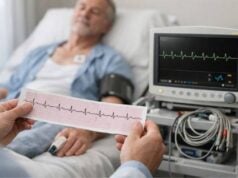
Diagnosis has two urgent goals: confirm the rhythm and find what is driving it. In the emergency setting, clinicians start with immediate monitoring and a 12-lead ECG. Capturing the rhythm on ECG matters because different VT patterns point to different causes and treatments.
Core tests used early
- 12-lead ECG: Shows QRS shape, rate, and clues about where the rhythm starts. It also helps distinguish VT from supraventricular rhythms with wide QRS, which can look similar.
- Continuous telemetry: Tracks recurrence and response to treatment.
- Blood tests: Electrolytes (especially potassium and magnesium), kidney function, blood count, and markers of infection. Troponin may be checked to evaluate ischemia or injury, but it must be interpreted in context because fast rhythms can elevate it.
- Medication and toxin review: Clinicians look for QT-prolonging agents, drug interactions, missed doses, stimulants, and alcohol or withdrawal states.
- Chest imaging and oxygen assessment: Useful when shortness of breath or heart failure is present.
Finding the underlying heart condition
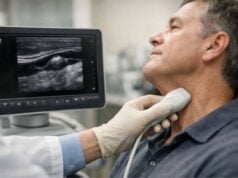
- Echocardiogram: Evaluates pumping function, valve disease, chamber size, and signs of cardiomyopathy. It can also detect complications like fluid around the heart.
- Coronary evaluation (when indicated): If symptoms, ECG changes, or risk profile suggest reduced blood flow, clinicians may test for coronary blockage using appropriate imaging or angiography.
- Cardiac MRI (selected patients): Helpful for detecting scar patterns, myocarditis, and infiltrative disease once the patient is stable enough for the scan.
For people with ICDs or pacemakers
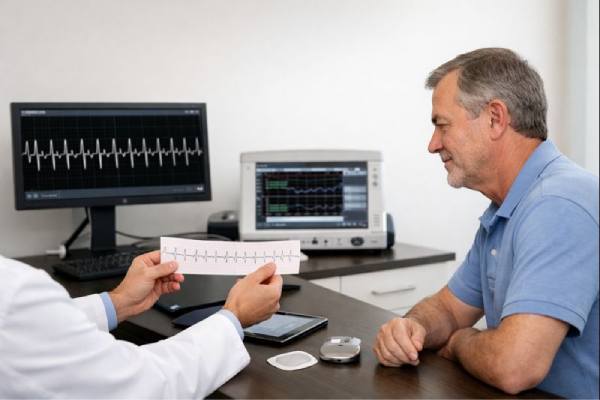
Device interrogation is often decisive. It can show:
- the exact rhythm type and rate at onset
- how many episodes occurred and how they were treated
- whether shocks were appropriate or triggered by misclassification
- pacing settings that might be adjusted to reduce shock burden safely
When an electrophysiology (EP) approach is needed
If VT is recurrent, drug-refractory, or linked to scar circuits, the team may plan an EP study. This is a controlled mapping procedure that helps define the circuit and guides catheter ablation. In patients with incessant VT, early involvement of an EP team often shortens the time to durable control, especially when medications repeatedly fail or cause side effects.
Why “stable” still needs urgency
Some people remain awake with normal blood pressure during VT, especially if the rate is slower. However, incessant VT can suddenly accelerate, weaken the heart, or trigger dangerous degeneration. That is why clinicians often treat “well-tolerated” sustained VT as time-sensitive—because the next episode may not be tolerated.
Treatment in the moment: medications, shocks, ablation
Treatment is guided first by how stable you are and second by the VT mechanism. The immediate priority is always circulation and oxygen delivery. In practice, care happens in parallel: stop the rhythm, correct triggers, and reduce the body’s stress response that can keep the rhythm cycling.
Step one: assess stability
If VT causes low blood pressure, severe chest pain, altered consciousness, or signs of shock, clinicians typically move quickly to synchronized cardioversion (an electrical shock timed to the heartbeat). This is often the fastest and safest way to restore normal rhythm in an unstable patient.
If the patient is stable enough to treat without immediate shock, clinicians may attempt medication first while closely monitoring blood pressure and symptoms.
Medications used in acute control
Medication choice depends on VT type, heart function, and suspected trigger:
- Antiarrhythmics: For monomorphic VT (one consistent pattern), commonly used agents include procainamide, amiodarone, or lidocaine in specific contexts such as suspected ischemia. Each has trade-offs: some can lower blood pressure; some can slow conduction too much; some have longer-term toxicity.
- Beta-blockers: Reducing adrenergic drive is central in recurrent VT and electrical storm patterns. In some cases, clinicians prefer stronger sympathetic blockade strategies because adrenaline surges can keep VT restarting.
- Electrolyte repletion: Teams often correct potassium and magnesium to safer ranges because low levels make VT more likely to recur.
- Sedation and pain control: Anxiety, pain, and repeated shocks raise stress hormones that fuel the cycle. Thoughtful sedation can be a rhythm therapy, not just comfort care.
ICD strategies to reduce shocks
When VT triggers repeated ICD shocks, clinicians may reprogram detection and therapy zones, increase use of anti-tachycardia pacing (ATP), and adjust settings to reduce painful shocks while still maintaining safety. This is individualized and requires experienced oversight.
Catheter ablation: when rhythm control must be durable
In incessant VT—especially scar-related VT—catheter ablation is often the most direct path to lasting control. During ablation, clinicians map the electrical circuit and apply energy to interrupt it. Ablation can be urgent when:
- VT keeps recurring despite medications
- medications cause severe side effects or dangerously low blood pressure
- repeated ICD shocks are ongoing
- the rhythm is sustained and difficult to terminate
Advanced support when the body cannot tolerate the rhythm
If VT is relentless and blood pressure cannot be supported, teams may use temporary mechanical support (selected cases) to protect organ perfusion while ablation or definitive therapy proceeds. This approach is reserved for severe scenarios and depends on the hospital’s capabilities and the patient’s overall status.
A useful way to frame acute care: the best outcomes come from combining rhythm termination, trigger correction, and sympathetic calming—rather than repeating the same single intervention again and again.
After stabilization: prevention, follow-up, when to seek care
Once the immediate VT cycle is controlled, the next phase is preventing recurrence and rebuilding safety. This usually includes a clear plan for the underlying heart condition, medication strategy, and follow-up that is specific to the cause of the VT.
Preventing recurrence starts with the cause
Common post-crisis priorities include:
- Treating ischemia: If coronary disease contributed, clinicians may address blood flow problems and optimize anti-ischemic therapy.
- Optimizing heart failure care: Guideline-based heart failure medications and careful fluid management can reduce arrhythmia burden over time.
- Addressing inflammation or infiltration: If myocarditis or sarcoidosis is suspected, further evaluation and targeted therapy may be needed once stabilized.
- Correcting reversible triggers: Electrolyte stability, thyroid control, infection treatment, and stopping harmful substances are often high-impact.
Long-term rhythm strategies
- Medication plan: Some patients remain on an antiarrhythmic drug for months or longer; others transition off after ablation and stabilization. The plan should include what side effects to watch for and which labs or monitoring are needed.
- Ablation follow-through: If ablation was done urgently, a staged strategy may be recommended—especially in complex scar patterns or when multiple circuits exist.
- ICD considerations: If the patient qualifies for an ICD and does not already have one, clinicians discuss risks and benefits, including the emotional impact of shocks and ways to reduce unnecessary therapies.
Daily life after an incessant VT episode
People often ask what they can safely do at home. Practical, high-yield steps include:
- take medications exactly as prescribed, and do not stop beta-blockers suddenly
- avoid stimulant supplements and recreational drugs
- limit alcohol, prioritize sleep, and ask about sleep apnea if snoring or daytime sleepiness is present
- track symptoms, blood pressure (if advised), and weight trends if heart failure is part of the picture
- keep a simple “arrhythmia history” note on your phone: diagnosis, devices, medications, allergies, and clinician contacts
When to seek urgent care
Call emergency services or go to the emergency department immediately for:
- fainting, new confusion, severe weakness, or signs of shock
- chest pain that is severe or persistent
- severe shortness of breath, blue lips, or inability to speak in full sentences
- repeated ICD shocks, even if you feel normal afterward
- a rapid heartbeat with dizziness that does not settle within minutes
Contact your clinician promptly (same day when possible) for:
- new palpitations with lightheadedness
- a cluster of near-fainting episodes
- medication side effects such as severe shortness of breath, marked fatigue, new tremor, or rash
- new fever or infection symptoms if you have significant heart disease or an ICD
Recovery is not only medical—it is also emotional. If fear of recurrence is affecting sleep or daily functioning, ask for support. Treating the stress response can be part of preventing the next episode.
References
- 2022 ESC Guidelines for the management of patients with ventricular arrhythmias and the prevention of sudden cardiac death 2022 (Guideline)
- Management of patients with an electrical storm or clustered ventricular arrhythmias: a clinical consensus statement of the European Heart Rhythm Association of the ESC—endorsed by the Asia-Pacific Heart Rhythm Society, Heart Rhythm Society, and Latin-American Heart Rhythm Society 2024 (Consensus Statement)
- Catheter Ablation or Antiarrhythmic Drugs for Ventricular Tachycardia 2025 (RCT)
- Catheter ablation versus medical therapy for ventricular tachycardia in patients with ischemic heart disease: A systematic review and meta-analysis of randomized controlled trials 2025 (Systematic Review, Meta-analysis)
Disclaimer
This article is for general education and does not replace individualized medical advice, diagnosis, or treatment. Incessant ventricular tachycardia can be life-threatening and may require emergency care, electrical cardioversion/defibrillation, IV medications, catheter ablation, or intensive monitoring. If you have chest pain, fainting, severe shortness of breath, confusion, signs of shock, or repeated ICD shocks, seek emergency care immediately or call local emergency services. Only a qualified clinician who knows your medical history can advise you on medications, device settings, driving restrictions, activity limits, and follow-up testing.
If you found this article helpful, please share it on Facebook, X (formerly Twitter), or any platform you prefer—and follow us on social media. Your support through sharing helps our team keep producing high-quality, trustworthy health content.