Indian bay leaf, or Cinnamomum tamala, is a fragrant leaf spice used across South Asian cooking and traditional medicine. It is often called tejpat or tejpatta and is easy to confuse with both Mediterranean bay leaf and cinnamon bark, even though it is not the same as either one. That confusion matters, because the flavor, chemistry, and evidence base are all a little different.
At its best, Indian bay leaf sits at the meeting point of food and herbal practice. It adds a warm, slightly sweet, cinnamon-clove note to rice dishes, stews, lentils, and broths, while traditional systems have used it for digestion, metabolic balance, and general respiratory and stomach comfort. Modern research supports real phytochemical interest, especially around cinnamaldehyde-related compounds, eugenol-rich essential oil fractions, antioxidant activity, and enzyme effects linked to glucose metabolism. Still, the strongest support remains culinary, traditional, and preclinical rather than fully clinical. That means Indian bay leaf is promising and practical, but it should be used with the discipline of a spice first and a remedy second.
Key Facts
- Indian bay leaf may support digestion and post-meal comfort when used in food or mild tea.
- Its leaf compounds show antioxidant, antimicrobial, and glucose-related activity in laboratory studies.
- For cooking, 1 to 3 dried leaves per pot is a practical range; whole leaves should be removed before serving.
- People who are pregnant, have liver disease, or take blood sugar or blood-thinning medicines should avoid medicinal-style use without professional guidance.
Table of Contents
- What is Indian bay leaf
- Indian bay leaf key ingredients
- What might it help with
- How is it used
- How much Indian bay leaf per day
- Indian bay leaf safety and interactions
- What the evidence actually shows
What is Indian bay leaf
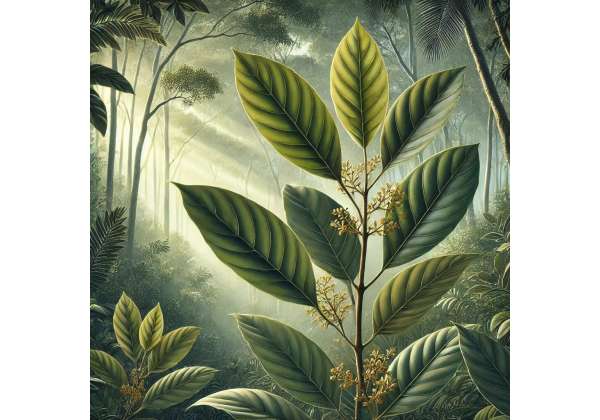
Indian bay leaf comes from Cinnamomum tamala, an evergreen tree in the laurel family. The dried leaves are used widely in Indian, Nepali, Bangladeshi, and nearby regional cuisines, where they add a warm aroma that sits somewhere between cinnamon, clove, and mild pepper. In the kitchen, the leaves are usually simmered whole in rice, curries, braises, legumes, or stock, then removed before serving.
The first thing worth clearing up is identity. Indian bay leaf is not the same plant as the Mediterranean bay leaf used in many European recipes. That familiar culinary herb is Laurus nobilis. The confusion is common because both are called “bay leaf” in English, but their aroma profiles are noticeably different. Indian bay leaf leans sweeter and more cinnamon-like, while Mediterranean bay is more resinous and herbal. Anyone who wants a clearer comparison can look at Mediterranean bay laurel as a separate herb rather than assuming the two are interchangeable.
It is also not the same thing as cinnamon bark, even though both come from the broader Cinnamomum genus. Most cinnamon supplements and clinical trials focus on bark, especially Cinnamomum cassia or Cinnamomum zeylanicum. Indian bay leaf uses the leaf, not the bark. That distinction is central to the rest of the article, because a leaf spice should not automatically inherit the exact evidence, dosage, or safety profile of bark extracts sold as cinnamon capsules.
Traditionally, Indian bay leaf has been used for more than flavor. Classical systems have described it as warming, aromatic, digestive, and helpful in discomfort linked to sluggish digestion or poor appetite. Folk use also extends to respiratory complaints, metabolic balance, and general household herbal preparations. Still, the most reliable modern role remains as a culinary herb with medicinal potential rather than a fully standardized therapeutic product.
A practical way to think about it is this:
- as a spice, Indian bay leaf is established and useful
- as a traditional herb, it has a long record of use
- as a modern supplement, it is still less defined
- as a clinical medicine, the evidence remains limited
That balance matters. Readers searching for benefits often want a simple yes-or-no answer. Indian bay leaf does not fit that model. It is neither just a flavoring leaf nor a proven standalone remedy. It is a food herb with biologically active compounds, meaningful traditional use, and a growing but still incomplete research story.
Indian bay leaf key ingredients
Indian bay leaf earns most of its interest from a layered chemical profile. The leaf contains volatile aromatic compounds that give it fragrance, alongside non-volatile phenolics and related plant chemicals that may contribute to antioxidant and metabolic effects. That means the plant works on two levels at once: it changes the flavor of food immediately, and it may also influence biological processes in more subtle ways.
Among the most discussed compounds are cinnamaldehyde, cinnamyl acetate, cinnamyl alcohol, cinnamic acid, eugenol, and coumarin. These names matter because they explain both the aroma and the caution around use. Cinnamaldehyde and related compounds help give the leaf its warm, cinnamon-like scent. Eugenol adds clove-like notes and is often studied for antimicrobial and antioxidant activity. Coumarin deserves special attention because it is one reason concentrated cinnamon-family products are not automatically risk-free at higher doses.
Recent quality-control work on Cinnamomum tamala leaf samples from the western Himalaya showed that five marker compounds can vary meaningfully by source. In plain terms, not every bag of Indian bay leaf is chemically identical. That may sound like a technical detail, but it has real implications. A spice leaf added to a stew is one thing; a concentrated extract, powder, or essential oil is another.
A second line of research has identified a much broader metabolite profile, including fatty acids, fatty acid amides, and cinnamic acid derivatives. This does not mean every compound has a known health effect in humans. It does mean the leaf is chemically richer than its simple kitchen appearance suggests.
A useful way to organize the ingredients is like this:
- Aromatic volatiles: cinnamaldehyde, eugenol, cinnamyl acetate, and related compounds
- Phenolic and antioxidant compounds: plant molecules that may help explain oxidative-stress and inflammation findings
- Matrix compounds: fatty acids, amides, and other secondary metabolites that may affect stability, extraction, and bioactivity
This is also where readers should slow down and avoid a common mistake. “Contains active compounds” is not the same as “works like a supplement.” The route matters. A whole leaf simmered in food gives a modest extraction over time. Powder delivers more direct intake. Essential oil concentrates the aromatic fraction much more aggressively. That is why the same plant can behave gently in a pot of rice and much more intensely in a capsule or oil.
For comparison, Indian bay leaf’s warm aromatic chemistry overlaps conceptually with Chinese cinnamon compounds and uses, but the plant part, flavor balance, and practical dosing are different. That distinction helps keep the herb in its proper lane.
The ingredient story is therefore both promising and cautionary. Indian bay leaf is not chemically empty. It is rich, variable, and likely biologically active. But it still needs to be interpreted in the form people actually use: mostly as a spice leaf, not a purified medicinal extract.
What might it help with
Indian bay leaf is most plausibly helpful in three broad areas: digestion, oxidative stress and inflammation, and metabolic support. Those categories reflect a mix of traditional use and preclinical evidence. They do not mean the leaf is a proven treatment for major disease. The most honest frame is supportive rather than curative.
Digestive comfort is the most intuitive benefit. Indian bay leaf has long been used in meals that are rich, starchy, or heavy with legumes. That pattern likely developed for a reason. Aromatic spices can stimulate appetite, shift the sensory feel of a meal, and support digestion in a practical, everyday sense. Readers often notice this effect as less heaviness after lentils, beans, rice dishes, or long-simmered stews. It is similar in spirit to the way people use ginger for digestive support, though the chemistry and strength are not the same.
Antioxidant and anti-inflammatory potential is the second major area. Indian bay leaf extracts and essential oil fractions have shown antioxidant activity in laboratory testing. That does not prove visible health outcomes on their own, but it gives a credible reason for continued interest. If a reader wants the most realistic translation of those findings, it would be this: the leaf may contribute to a broader anti-inflammatory dietary pattern, especially when used consistently as a culinary herb, but it should not be sold as a direct substitute for medical care.
Glucose-related and enzyme effects make up the third area. Studies on Cinnamomum tamala essential oil and extracts have reported alpha-amylase and alpha-glucosidase inhibition, alongside antioxidant effects. Those are intriguing findings because they point toward a possible role in post-meal glucose handling. Still, there is a major caveat. Most human cinnamon data involve bark preparations, not Indian bay leaf leaves. So while the leaf may share some metabolic promise, the evidence is not strong enough to treat it as a validated blood sugar supplement.
Some readers also search for antimicrobial, respiratory, or oral-health benefits. Those uses are plausible in a traditional or culinary sense, but the strongest support is still laboratory-based. The leaf’s aromatic compounds may help explain why it has been used in food preservation traditions and warm herbal preparations, yet this is far from proof that it treats infections or chest disease.
A realistic benefit list would therefore be:
- better flavor and possible lighter post-meal digestion
- modest support within an antioxidant-rich diet
- possible metabolic support through enzyme-related mechanisms
- mild traditional aromatic use for comfort in colds or stale appetite
What it probably does not deserve is inflated language such as “detoxes the body,” “reverses diabetes,” or “melts inflammation.” Those phrases turn an interesting herb into a misleading promise.
The smartest view is that Indian bay leaf may be most useful when it works quietly: in food, in short tea use, and as part of a larger supportive routine rather than as a dramatic standalone intervention.
How is it used
Indian bay leaf is used in three main ways: as a culinary spice, as a simple household herbal preparation, and more rarely as a concentrated extract or oil. The safest and most evidence-aligned use is still culinary.
In cooking, the leaves are usually added whole to hot oil, ghee, broth, or simmering liquid. This helps release the aromatic compounds gradually. The leaf works especially well in:
- rice and pilaf dishes
- lentils and beans
- curries and gravies
- meat braises
- slow-cooked vegetables
- spiced tea blends
In these settings, Indian bay leaf behaves like a bridge spice. It rounds out other aromatics and helps the meal feel warmer and more complete without dominating the dish. It often pairs naturally with spices such as cardamom in aromatic cooking because both contribute fragrance more than heat.
As a mild herbal preparation, Indian bay leaf may be steeped or lightly simmered. This is the form people usually mean when they talk about it as a household remedy. A simple infusion or decoction is often used after heavy meals or during periods of sluggish appetite. In real terms, this is closer to a spiced digestive tea than to a pharmaceutical preparation.
As a powder, the leaf can be added to spice blends or encapsulated. Powder makes dosing easier, but it also removes an important safety feature: whole leaves are normally removed before eating, while powder is fully ingested. That means the practical exposure is different. Powdered leaf may be appropriate in small measured amounts, but it should not be treated casually just because the whole leaf is familiar.
As an essential oil or concentrated extract, Indian bay leaf moves into a more medicinal territory. Here the risks increase. Concentrated products can amplify both potential effects and side effects, particularly because compounds like eugenol and coumarin-related constituents become more relevant when a person goes beyond food-level use. This is why essential oil should be treated as a separate category, not as “the same herb, just stronger.”
A few everyday use rules help keep the herb practical:
- Use whole leaves for cooking when possible.
- Remove the leaves before serving.
- Keep tea-style use modest and short-term.
- Avoid internal essential-oil use without professional guidance.
- Do not assume spice use and supplement use are interchangeable.
This last point is the one most people miss. Indian bay leaf is wonderfully suited to food. That is part of its value. It does not need to become a capsule to be useful.
How much Indian bay leaf per day
Dosage depends completely on the form. For Indian bay leaf, there is a clear line between culinary use, which is well established, and medicinal-style dosing, which is much less standardized.
For cooking, the most practical range is:
- 1 to 3 dried leaves per pot for soups, lentils, curries, rice, or braised dishes
- roughly 0.5 to 1 gram crushed leaf for a dish serving 2 to 4 people when using broken pieces or powder in spice blends
This is the range where the leaf does what it is best known for: contributes aroma, warmth, and possible digestive support without turning into a heavy-dose herbal experiment.
For tea or short herbal use, a conservative food-style range is:
- 1 to 2 grams dried leaf in 200 to 250 mL of hot water
- steep or gently simmer for 8 to 12 minutes
- use once daily, or at most twice daily for a short period
That is not a clinically validated medicinal dose. It is simply a cautious household range that stays close to traditional use and avoids drifting too quickly into concentrated intake.
For powder or capsules, there is no well-accepted standardized daily dose specific to Cinnamomum tamala leaves. This is an important gap. Many readers assume that because cinnamon supplements are sold in gram amounts, Indian bay leaf must work the same way. That is not a safe assumption. The plant part is different, the chemistry is different, and the human evidence is much thinner.
For essential oil, self-dosing by mouth is not advisable. Essential oil is a concentrated chemical mixture, not a kitchen leaf. Any internal use would need expert supervision, especially because the aromatic fraction can irritate the digestive tract and may raise interaction questions.
Timing matters less than context. Most people use Indian bay leaf:
- during cooking with the meal itself
- in tea after heavier meals
- for a few days to a few weeks, not as an indefinite daily medicinal routine
A practical note many readers appreciate: whole leaves should be removed before eating. They stay firm even after cooking and can be unpleasant to chew or potentially scratch the throat.
Anyone who wants a more studied herb for direct digestive symptom relief may prefer peppermint for digestive comfort, because its symptom-focused evidence is clearer than Indian bay leaf’s. That does not make Indian bay leaf unhelpful. It simply means its best role remains modest and context-based.
Indian bay leaf safety and interactions
Indian bay leaf is generally low risk when used as a normal culinary spice. Problems are more likely to appear when people move from kitchen use to concentrated medicinal use without adjusting their expectations.
The first safety issue is form. Whole leaves simmered in food are not the same as powders, extracts, or essential oils. Food use is modest and self-limiting. Concentrated use is not. The second issue is compound concentration. Because Indian bay leaf contains aromatic compounds and may contain measurable coumarin, it deserves more caution in supplement-like amounts than in ordinary cooking.
Possible side effects from higher intake or concentrated products may include:
- stomach irritation
- nausea
- reflux or a burning feeling in sensitive people
- allergic reactions
- headache from strong aromatics
- skin irritation if concentrated oil is applied poorly diluted
There is also a practical kitchen safety point: whole leaves should not be chewed or swallowed intentionally. They stay stiff and fibrous and are better treated like a flavoring tool than an edible leaf.
Medication interactions are mostly theoretical or extrapolated from broader cinnamon-family evidence, but they are worth taking seriously. Caution makes sense with:
- blood sugar medicines, because glucose-lowering effects may add up unpredictably
- blood thinners or antiplatelet medicines, especially if concentrated extracts are used
- liver-stressing medicines, because coumarin exposure is a concern in the cinnamon family
- multiple daily prescriptions, where herb-drug overlap becomes harder to predict
Who should avoid medicinal-style use
Indian bay leaf should be used cautiously, or avoided beyond food amounts, by:
- pregnant people
- breastfeeding people
- children
- people with liver disease
- people with known spice or cinnamon-family allergies
- anyone using blood sugar medication, insulin, or anticoagulants without clinician input
This is also where readers should remember that more is not better. The leaf’s safety as a spice does not automatically prove the safety of a daily extract routine. A good comparison is black pepper in culinary versus concentrated use: a normal food dose is familiar, while extract-style use changes the equation.
One final nuance matters. Much of the published safety literature in humans is broader “cinnamon” safety, not Indian bay leaf specifically. That means caution should be honest rather than dramatic. We do not need to treat the herb as dangerous in food. But we also should not pretend that high-dose medicinal use has been mapped clearly. Good herbal judgment lives in that middle ground.
What the evidence actually shows
The evidence for Indian bay leaf is real, but it is uneven. The strongest parts of the record are phytochemistry, traditional use, and preclinical activity. The weakest parts are large human trials, long-term dosing data, and standardized medicinal guidance.
What researchers know with reasonable confidence is that Cinnamomum tamala leaves contain a meaningful set of aromatic and phenolic compounds. Recent quality-control and profiling studies confirm that the leaf is chemically active and variable. This matters because it supports the idea that Indian bay leaf is more than a neutral flavoring. It also shows why source quality and adulteration matter.
Laboratory and animal data support several lines of interest:
- antioxidant activity
- antimicrobial effects
- anti-inflammatory potential
- enzyme inhibition linked to carbohydrate metabolism
- broader metabolic and digestive relevance
Those findings are not trivial. They explain why the herb has stayed important in food and traditional practice. Still, they do not automatically create a medical recommendation. In evidence-based terms, the leaf is promising, not settled.
The biggest source of confusion comes from cross-over with cinnamon research. Many cinnamon trials involve bark preparations, not Indian bay leaf leaves. Because both belong to Cinnamomum, online articles sometimes blur them together. That makes the evidence look stronger than it really is for this specific herb. Indian bay leaf may share some pathways with cinnamon bark, but it should not borrow all of cinnamon’s clinical reputation.
Direct human research on Cinnamomum tamala remains limited. There are small or specialized studies, but not enough to create a robust daily-dose standard for metabolic control, digestive disease, or long-term supplementation. That is why the most responsible advice keeps returning to the same point: use Indian bay leaf confidently as a spice, cautiously as a short-term household herb, and skeptically as a high-dose supplement unless better evidence appears.
A fair summary of the evidence would be:
- strongest support: culinary value, traditional digestive use, phytochemical richness
- moderate support: laboratory antioxidant, antimicrobial, and enzyme effects
- limited support: direct human medicinal outcomes
- insufficient support: standardized oral supplement dosing for specific disease treatment
That is not a disappointment. It is a useful conclusion. Indian bay leaf does not need to be oversold to be worthwhile. Its real strength may be that it bridges daily cooking and gentle herbal practice in a way few spices do, while still reminding us that not every traditional herb needs to be turned into a capsule to matter.
References
- Chemical fingerprinting and multicomponent quantitative analysis for quality control of Cinnamomum tamala collected from Western Himalaya by HPLC-DAD 2024
- Identification of Fatty Acids, Amides and Cinnamic Acid Derivatives in Supercritical-CO2 Extracts of Cinnamomum tamala Leaves Using UPLC-Q-TOF-MSE Combined with Chemometrics 2024
- Antidiabetic and Antioxidant Activities of Indian Bay Leaf (Cinnamomum tamala (Buch.-Ham.) T. Nees and Eberm.) Essential Oils Collected from Meghalaya 2024
- Safety of Cinnamon: An Umbrella Review of Meta-Analyses and Systematic Reviews of Randomized Clinical Trials 2022 (Umbrella Review)
- An overview on chemical composition, bioactivity and processing of leaves of Cinnamomum tamala 2014 (Review)
Disclaimer
This article is for educational purposes only and does not replace medical advice, diagnosis, or treatment. Indian bay leaf is primarily a culinary and traditional herb, and current evidence does not support using it as a substitute for prescribed care for diabetes, liver disease, digestive disorders, or infections. Concentrated powders, extracts, and essential oils can carry different risks than normal food use. Speak with a qualified healthcare professional before medicinal use if you are pregnant, breastfeeding, take prescription medicines, or have a chronic condition.
If this article was helpful, please share it on Facebook, X, or your preferred platform.