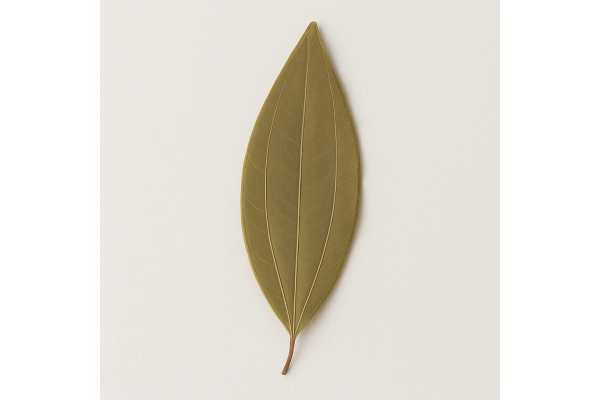
Indian bay leaf, also known as tejpat or tej patta, is one of those ingredients that quietly shapes a dish without drawing much attention to itself. Although it shares a common name with the Mediterranean bay leaf, it comes from a different tree species and offers a very different flavor: warm, sweet, and gently reminiscent of cinnamon and clove. Used whole in rice dishes, curries, dals, and spice blends across the Indian subcontinent, it contributes depth and subtle sweetness rather than a sharp herbal note.
Beyond its culinary role, Indian bay leaf has long been used in traditional systems of medicine. Modern research has begun to explore its essential oils and polyphenols for potential antioxidant, antimicrobial, gastroprotective, and blood sugar–supporting effects. At the same time, it remains a seasoning, not a miracle cure, and it needs to be used with an understanding of possible allergies, digestive sensitivities, and interactions with certain health conditions and medicines.
This guide explores what Indian bay leaf is, how it differs from other “bay leaves,” what it may offer for health, and how to use it safely and effectively in everyday cooking.
Essential Insights
- Indian bay leaf provides a warm, cinnamon-like fragrance and contributes antioxidant and aromatic compounds when used as a whole leaf in cooking.
- Experimental work suggests potential antioxidant, antimicrobial, antidiabetic, and gastroprotective effects, but culinary amounts should be regarded as supportive, not therapeutic.
- A practical culinary portion is about 1–3 dried leaves (roughly 0.5–1 g) in a dish serving 3–4 people, used a few times per week within a varied diet.
- People with allergies to cinnamon or related spices, those with active ulcers or significant gastric irritation, and individuals on blood sugar–lowering or anticoagulant medicines should use Indian bay leaf cautiously and seek professional guidance for medicinal use.
Table of Contents
- Indian bay leaf history and kitchen uses
- Indian bay leaf nutrients and key compounds
- Indian bay leaf science backed benefits
- Possible side effects and sensitivities
- Quality, sourcing and storage of tejpat
- Cooking with Indian bay leaf thoughtfully
- Serving amounts, comparisons and common questions
Indian bay leaf history and kitchen uses
Indian bay leaf comes from the evergreen tree Cinnamomum tamala, which belongs to the same botanical genus as cinnamon. It is native to the Himalayan regions and surrounding areas, including parts of northern India, Nepal, Bhutan, and nearby countries, where it grows in montane forests and is harvested both from cultivated trees and from semi-wild stands.
The leaves are typically long, elliptical, and olive green to brownish when dried, with three prominent veins running lengthwise. This three-veined structure, along with the warmer aroma, helps distinguish Indian bay leaf from the Mediterranean bay leaf (Laurus nobilis), which is shorter, more lance-shaped, and strongly herbal. In the spice trade, Indian bay leaf is also known as malabathrum, Malabar leaf, Indian cassia leaf, or simply tejpat in many Indian languages.
Historically, the leaves and bark of Cinnamomum tamala were valued for both culinary and medicinal uses. Classical texts from South Asia describe their use to flavor foods, perfume preparations, and support digestion and respiratory health. The leaves were traded along spice routes and often confused with or substituted for other cinnamon-like materials, a confusion that still occasionally occurs in modern supply chains.
In contemporary kitchens, Indian bay leaf plays a quiet but important role in many dishes:
- In North Indian cuisine, it is commonly added whole to tempering oil or ghee at the start of cooking rice dishes such as pulao and biryani, where it infuses the grains with a sweet, warm background note.
- It appears in slow-simmered curries, chickpea dishes, and lentil preparations, often alongside spices like cinnamon stick, cloves, cardamom, and cumin.
- Ground or powdered tejpat may be included in some versions of garam masala and other complex spice blends.
- In certain regional cuisines, it is also used in sweets, milk-based desserts, or spiced teas, where it harmonizes with other warming spices.
The leaf is usually added whole and removed before serving because it remains firm, with edges that can be sharp if chewed. Unlike softer herbs, it is not intended to be eaten as a leaf vegetable. Its main role is to perfume the cooking liquid with volatile compounds that survive moderate heat and long simmering.
Outside of South Asia, Indian bay leaf is still sometimes mislabeled or mistaken for Mediterranean bay, which can lead to unexpected flavor results. When a recipe specifically calls for tejpat, substituting regular bay leaves will change the aromatic profile noticeably. Likewise, dropping Indian bay leaves into Mediterranean-style tomato sauces or French stews will make them taste more like cinnamon than like classic bay.
Understanding the distinction between these two “bay leaves” helps cooks achieve the flavors they expect and avoid confusion, especially when purchasing from international markets where labeling may be inconsistent.
Indian bay leaf nutrients and key compounds
Like many culinary spices, Indian bay leaf is used in such small amounts that its contribution to daily macronutrient intake is minimal. A typical portion—perhaps one or two leaves across a dish—contains only a fraction of a gram of carbohydrate, protein, and fat, and a similarly small amount of fiber. The main nutritional interest lies in its micronutrients and phytochemicals.
Dried Indian bay leaves contain modest amounts of minerals such as calcium, iron, potassium, and manganese. If the leaf is removed after cooking, these minerals contribute only minimally to the overall mineral intake of the meal, although some soluble components can diffuse into the cooking liquid. In practice, they are overshadowed by the contributions from staple foods (rice, lentils, vegetables) that accompany the spice.
The more distinctive feature of Indian bay leaf is its essential oil. Chemical analyses of Cinnamomum tamala leaf oil show that it is typically rich in phenylpropanoids and terpenes. Major constituents often include:
- Eugenol and related derivatives, compounds that also appear in clove and some types of cinnamon and are known for warm, sweet-spicy aromas and potential antimicrobial and analgesic actions.
- Cinnamaldehyde or structurally related aldehydes in certain chemotypes, which contribute cinnamon-like warmth.
- Linalool and other monoterpene alcohols that add floral and citrus notes.
- Additional terpenes that round out the aromatic profile.
The exact composition varies with growing region, harvest time, and genetic chemotype. Some leaf oils are more eugenol-dominant, others contain more cinnamaldehyde or linalool, and this can subtly shift both fragrance and biological activity.
Beyond essential oils, Indian bay leaf also contains polyphenols, flavonoids, and tannins. These classes of compounds provide antioxidant capacity in test systems and may contribute to some of the traditional health uses of the plant. Certain extracts from the leaves have shown the ability to neutralize free radicals and protect biomolecules from oxidative stress in laboratory experiments.
When Indian bay leaves are used whole in cooking, the amount of essential oil and polyphenols that actually reach the plate depends on several factors:
- The duration and temperature of cooking.
- Whether the dish is water-based, fat-based, or mixed, because some compounds dissolve better in fat than in water.
- Whether the leaf is bruised or broken, which can increase surface area and release.
- The age and storage of the leaves, since older leaves gradually lose volatile components.
Even with these variables, it is reasonable to assume that a simmered dish flavored with Indian bay leaf contains a low but meaningful level of aromatic compounds that interact with taste and smell, and, to some degree, with physiology. However, these levels remain far below those in concentrated essential oil or standardized extracts used in experimental research or herbal formulations. In other words, the kitchen leaf plays a subtle supporting role rather than acting as a high-dose delivery system.
Indian bay leaf science backed benefits
Traditional texts attribute a wide range of benefits to Indian bay leaf, especially for digestion, respiratory comfort, blood sugar balance, and general vitality. Modern research has started to examine these claims using leaf extracts and essential oils in laboratory and animal models, and, to a lesser extent, in human studies.
One of the most frequently studied areas is antioxidant activity. Extracts of Cinnamomum tamala leaves often show good performance in assays that measure the ability to neutralize free radicals or protect lipids and proteins from oxidation. This activity is linked to both phenolic compounds and certain essential oil constituents such as eugenol and cinnamaldehyde. While these findings are promising, they represent what happens in controlled test systems, not necessarily in the human body after a small culinary dose.
Antimicrobial effects are another focus. Essential oils and oleoresins from Indian bay leaf have exhibited inhibitory activity against a range of bacteria and fungi in experimental settings, including organisms relevant to food safety and minor skin infections. Such results support the traditional use of the plant in managing minor infections and also suggest potential roles in natural food preservation. In a kitchen context, a few leaves in a pot will not replicate the concentrated conditions used in the laboratory, but they may modestly contribute to the overall antimicrobial environment of the dish.
Metabolic health is of particular interest. Some experimental studies using leaf extracts and essential oil have reported improvements in blood glucose control, insulin sensitivity, and lipid profiles in animal models of diabetes or metabolic imbalance. These effects appear to involve antioxidant actions, modulation of carbohydrate-digesting enzymes, and potential influence on insulin signaling pathways. Early exploratory work with traditional formulations has suggested that Indian bay leaf, often combined with other ingredients, may help support blood sugar management alongside standard care.
Gastroprotective effects have also been observed. In animal models of gastric ulcer or chemically induced mucosal damage, leaf extracts have reduced lesion formation and improved markers of oxidative stress and inflammation in the stomach lining. These results align with traditional use of tejpat for digestive comfort, nausea, and distension. Whether culinary doses provide measurable protective effects in humans is not firmly established, but they are likely to be gentle and supportive rather than strong enough to replace medical treatment.
Other reported activities in experimental systems include anti-inflammatory, antiplatelet, and mild lipid-lowering effects, as well as potential modulation of mood and nervous system function. Much of this research uses standardized extracts at levels significantly higher than those in food, and relatively few large, high-quality clinical trials exist.
For everyday life, a reasonable summary is that Indian bay leaf:
- Adds aromatic compounds with documented antioxidant and antimicrobial properties.
- May gently support digestive comfort and metabolic health when used regularly as part of a balanced, plant-rich diet.
- Should not be relied on as a standalone therapy for conditions such as diabetes, ulcers, or infections, where medical evaluation and evidence-based treatment remain essential.
Used as a spice, Indian bay leaf can complement other dietary and lifestyle strategies for health. For targeted therapeutic use, particularly with concentrated extracts or higher doses, individualized advice from a qualified practitioner is important.
Possible side effects and sensitivities
Indian bay leaf is generally well tolerated when used in small culinary amounts, but its essential oils and other constituents can cause problems in specific situations or at higher exposures.
The most immediate safety consideration is mechanical rather than chemical. Like other bay leaves, dried Cinnamomum tamala leaves remain stiff and have sharp edges even after simmering. Swallowing a whole leaf or large fragment can be uncomfortable and, in rare cases, may pose a choking or mucosal injury risk. For this reason, recipes often instruct cooks to remove the leaves before serving, and it is sensible to follow that advice.
From a chemical perspective, the essential oil of Indian bay leaf is rich in eugenol, cinnamaldehyde, and related compounds that are bioactive at relatively low concentrations. In the digestive tract, high intakes of hot, aromatic spices can lead to irritation, especially in individuals with sensitive stomachs. People with gastritis, peptic ulcer disease, or pronounced reflux may notice burning, discomfort, or worsening symptoms if they consume large amounts of tejpat or concentrated preparations regularly. Traditional descriptions also mention that excessive use can aggravate “heat” in the body, which loosely corresponds to the modern observation that it can worsen acidity and ulcers when overused.
Allergic reactions are possible but not common. Individuals who react to cinnamon, clove, or other members of the Lauraceae or closely related plant families may have a higher risk of sensitivity to Indian bay leaf. Symptoms can range from mild oral itching or tingling to skin rashes or more severe responses. Essential oils and topical products pose a particular risk of skin irritation or dermatitis if applied undiluted or in high concentration.
Indian bay leaf may influence blood sugar regulation and blood clotting in subtle ways. Extracts with antidiabetic and antiplatelet-like effects in experimental studies raise the theoretical possibility of additive effects when combined with medications for diabetes or anticoagulant therapy. In culinary amounts, this is unlikely to be a major concern for most people, but individuals with complex medication regimens should be cautious about high-dose teas, powders, or supplements prepared from the leaves.
Pregnancy and breastfeeding are additional situations where prudence is warranted. While food-level use of tejpat in cooking is traditional in many cultures, safety data for concentrated extracts and essential oils during pregnancy and lactation are limited. Because some essential oil components are stimulating and potentially irritating, many practitioners recommend avoiding medicinal doses in these periods. As a simple rule, pregnant or breastfeeding individuals should treat Indian bay leaf as a seasoning only and avoid self-prescribing concentrated products unless advised and supervised by a knowledgeable professional.
People with chronic kidney or liver disease, autoimmune conditions, or complex chronic illnesses should check with their healthcare providers before using any herb in doses beyond normal culinary use. Spices and herbs can interact with metabolic pathways and enzyme systems in ways that are beneficial at low levels but problematic when combined with disease-related vulnerabilities or multiple medications.
In everyday cooking, one or two leaves in a shared dish is unlikely to cause harm in otherwise healthy adults. Most side effects arise from excessive or prolonged use, concentrated preparations, or pre-existing sensitivities.
Quality, sourcing and storage of tejpat
Not all products sold as “bay leaf” are the same, and even items labeled “Indian bay leaf” can vary in quality. Paying attention to sourcing and storage helps you get reliable flavor and avoid adulteration or stale material.
When buying Indian bay leaf, the first step is identification. True Cinnamomum tamala leaves are:
- Longer and broader than typical Mediterranean bay leaves, often 5–12 cm long.
- Olive green to brownish, sometimes with a slightly glossy surface.
- Clearly three-veined, with three parallel veins running from base to tip.
- Aromatic with a warm, sweet, cinnamon-like scent when crushed.
If the leaves are smaller, single-veined, or have a strong menthol or eucalyptus-like note, they may be another bay species or an unrelated plant. In some markets, other cinnamon relatives are mixed into tejpat trade. These can be similar in aroma but may not have the exact same flavor or composition.
Choosing reputable suppliers reduces the risk of mislabeling. Look for:
- Clear botanical naming on the package (for example, Cinnamomum tamala).
- Harvest or packing dates rather than only distant expiration dates.
- Whole leaves rather than heavily broken fragments, which are more prone to oxidation and contamination.
- Clean appearance without excessive dust, foreign matter, or signs of mold.
Organic certification or information about sustainable harvesting practices can be a bonus, although it is not strictly necessary for quality. Because Indian bay leaf is often collected from hilly areas, supporting suppliers who work with local communities and fair labor practices can also contribute to social sustainability.
Once at home, proper storage makes a noticeable difference. The key threats to delicate aroma compounds are light, heat, air, and moisture. To preserve the leaf’s character:
- Store tejpat in an airtight container, preferably opaque or kept in a dark cupboard.
- Keep the container away from direct sunlight, stovetops, ovens, or dishwashers, where temperatures fluctuate and humidity may increase.
- Avoid opening the container unnecessarily or leaving it open on the counter for long periods.
Under good conditions, dried Indian bay leaves can maintain acceptable flavor for around a year, sometimes longer, though the intensity slowly declines. If you notice that you need more leaves to achieve the same aroma, or if the scent becomes dull, it may be time to replace the batch.
From an environmental perspective, Indian bay leaf is often sourced from tree crops that can provide long-term yields with relatively low inputs. Encouraging responsible agroforestry and avoiding unsustainably harvested wild material are important considerations, especially as demand grows and climate patterns shift. Buying from suppliers who share information about origin, quality control, and relationships with growers is one way to support better practices.
Cooking with Indian bay leaf thoughtfully
Using Indian bay leaf effectively in the kitchen means understanding its flavor, how it is released, and how it behaves under heat. Because tejpat is more reminiscent of cinnamon and clove than of Mediterranean bay, it pairs especially well with warm spices, rich gravies, and slow-cooked dishes where its subtle sweetness can shine.
In many recipes, the leaf is added near the beginning of cooking to hot oil or ghee. This initial contact with fat helps dissolve lipid-soluble aromatic compounds from the leaf’s surface and structure. After briefly sizzling and releasing fragrance, other spices such as cumin, coriander, cardamom, and cloves are added, followed by onions, tomatoes, or other base ingredients. As the dish simmers, water-soluble components also diffuse into the cooking liquid.
Because the taste is gentle compared with the fragrance, using one or two leaves in a dish that serves several people typically provides a balanced result. For a delicate rice preparation, such as a lightly spiced pulao, a single leaf is often enough. For a robust biryani or a rich, slow-cooked curry, two or three leaves may be used, especially if they are on the smaller side.
Practical ways to use Indian bay leaf include:
- Adding whole leaves to rice while it cooks with aromatics, stock, or water, then removing them before serving.
- Including a leaf in lentil dishes, chickpea curries, and mixed vegetable gravies along with other whole spices.
- Steeping a leaf in warm milk or plant-based milk with cardamom and a small amount of sweetener for a comforting drink or dessert base.
- Using a lightly crushed leaf in a spice pouch for soups or broths where you want the flavor but want to easily remove the plant material later.
To avoid overpowering a dish, it helps to think of tejpat as a background note rather than a dominant flavor. It can easily become too strong if combined with large amounts of cinnamon stick and clove in a mild preparation. Balancing with acid (tomato, yogurt, lemon), fresh herbs, and enough salt to bring flavors into focus will yield a more rounded result.
From a nutrient and phytochemical perspective, moderate cooking temperatures are usually sufficient to extract pleasant flavors without completely destroying volatile compounds. Very prolonged boiling at high heat will gradually drive off many aromatics, leaving the leaf less effective. For long-cooked dishes, consider adding at least one fresh leaf partway through the simmering time or toward the end to maintain brightness.
If you work with powdered Indian bay leaf, add it during the cooking process rather than sprinkling over finished dishes. The powder disperses best in some amount of liquid or fat and can taste harsh if eaten directly. Start with small amounts—perhaps a pinch or two in a four-serving dish—and adjust in future batches once you know how your particular powder behaves.
Removing whole leaves before serving is a simple, important habit. This avoids textural surprises and limits the chance that someone will accidentally chew or swallow a stiff segment. If you cook for guests who are unfamiliar with tejpat, explaining that the leaf is not meant to be eaten can also prevent confusion.
Serving amounts, comparisons and common questions
Because Indian bay leaf is a seasoning rather than a staple food, “portion size” is about finding the right balance between noticeable flavor and safety for your digestive system and health situation.
For most healthy adults, a practical culinary guideline is:
- About 1–3 dried leaves (roughly 0.5–1 g in total) in a pot that serves 3–4 people.
- Use in a few meals per week as part of a varied diet that includes plenty of vegetables, whole grains, pulses, and other herbs and spices.
These amounts provide a pleasant aromatic effect without delivering very high levels of essential oils. People who are particularly sensitive to spices may prefer to start with just one leaf or even half a leaf in a shared dish and adjust based on experience.
When comparing Indian bay leaf with other spices, it helps to place it on a spectrum:
- Compared with Mediterranean bay, tejpat is sweeter, warmer, and more reminiscent of cinnamon. It contributes a different profile to dishes and is not an exact substitute.
- Compared with cinnamon bark, it is milder and more complex, offering a blend of cinnamon-like and clove-like notes rather than a direct cinnamon punch.
- Compared with very pungent spices such as black pepper or chili, it is less about heat and more about fragrance.
If a recipe written for Mediterranean bay leaf is prepared with Indian bay leaf, expect a warmer and sweeter result; you may wish to reduce or omit separate cinnamon in the recipe to avoid redundancy. Conversely, substituting Mediterranean bay for tejpat in a North Indian dish will make it more herbal and less warm-spicy than intended.
Common questions include:
Is it safe to eat the leaf itself?
It is not generally toxic in normal culinary amounts, but the texture is problematic. The leaf does not become tender and can be hard to chew and digest. For safety and comfort, it is best to remove whole leaves and discard them after cooking.
Can Indian bay leaf help with blood sugar control?
Experimental and traditional evidence suggests that preparations of Cinnamomum tamala may support healthy blood sugar levels. However, the culinary use of a few leaves in a pot is not equivalent to a measured therapeutic dose. People with diabetes should not adjust medications based on spice use and should consult their healthcare team before adding high-dose preparations.
What about weight management?
Indian bay leaf does not directly affect body weight in a meaningful way at culinary doses. Its main contribution is to enhance the flavor of mostly home-cooked, minimally processed meals, which can indirectly support healthier eating patterns.
Is it suitable for children?
Small amounts used in family dishes are usually well tolerated, but very young children may be more sensitive to aromatic spices, and they are at higher risk of choking on small, stiff objects. Always remove the leaf before serving and observe for any digestive or skin reactions in sensitive children.
Are teas or decoctions of Indian bay leaf recommended?
Mild teas made with one leaf in a pot of water are traditional in some settings and may feel soothing. However, concentrated decoctions or frequent large doses can increase the risk of irritation or interactions in susceptible individuals. For anything beyond occasional gentle use, professional guidance is advisable.
Ultimately, the safest and most sustainable way to use Indian bay leaf is as it has been used for centuries: as a small but characteristic part of a balanced, diverse diet, where no single ingredient is expected to carry the full burden of health.
References
- Cinnamomum tamala: A comprehensive review on phytochemistry, traditional uses, and pharmacological activities 2024 (Systematic Review)
- Unlocking the medicinal treasure of Cinnamomum tamala: Phytochemistry and pharmacology 2025 (Narrative Review)
- Antidiabetic and antioxidant activities of Cinnamomum tamala essential oil in experimental models 2024 (Experimental Study)
- GC-MS profiling and bioactivities of essential oil and extracts of Cinnamomum tamala leaves 2022 (Analytical and Bioactivity Study)
- Gastroprotective effect of Cinnamomum tamala leaves on experimentally induced gastric ulcers 2010 (Animal Study)
Medical Disclaimer and Sharing Request
The information in this article is intended for general educational purposes only and should not be taken as medical advice, diagnosis, or treatment. Indian bay leaf and other herbs can interact with individual health conditions and medications in ways that require professional assessment. Always consult a qualified healthcare provider before using any plant or supplement for therapeutic purposes, changing prescribed treatment, or making significant alterations to your diet, especially if you are pregnant, breastfeeding, living with chronic illness, or taking regular medications. If you experience concerning symptoms after using Indian bay leaf or related products, seek medical attention promptly.
If you found this article useful, you are kindly invited to share it with others on Facebook, X (formerly Twitter), or any other platform you prefer. Sharing helps more readers access balanced, evidence-informed information about traditional foods and supports the continued creation of thoughtful, high-quality content.