Indian bdellium, more commonly known as guggul, is a resin obtained from the small thorny tree Commiphora mukul. Native to arid regions of India and parts of Pakistan, this aromatic gum resin has been valued for centuries in traditional Ayurvedic medicine. Historically, guggul preparations were used to support metabolic balance, joint comfort, cardiovascular health, and healthy inflammatory responses. The resin’s therapeutic reputation largely stems from a group of plant compounds known as guggulsterones, along with a complex mix of essential oils, terpenoids, and resins.
In modern herbal and integrative medicine, Indian bdellium is most often discussed for its potential role in lipid metabolism, inflammatory pathways, and metabolic wellness. Research suggests that standardized extracts may influence cholesterol processing, support liver function, and help regulate inflammatory mediators. At the same time, the herb must be used thoughtfully because resin-based botanicals can interact with medications and may not suit every individual.
Understanding how Indian bdellium works—its compounds, traditional uses, dosage patterns, and safety considerations—helps place it in the right context: a historically respected herbal remedy that shows promise but still requires careful use.
Core Points
- Indian bdellium may support healthy cholesterol balance and inflammatory response.
- Traditional use includes metabolic health, joint comfort, and circulatory support.
- Typical standardized extract dosing ranges from about 500 to 1000 mg daily divided into two or three doses.
- Individuals taking thyroid medication, blood thinners, or pregnant people should avoid unsupervised use.
Table of Contents
- What is Indian bdellium
- Key active compounds
- Health benefits and effects
- How it is used
- How much per day
- Side effects and interactions
- What research says
What is Indian bdellium
Indian bdellium refers to the fragrant oleo-gum resin produced by Commiphora mukul, a small shrub-like tree that grows in the dry climates of Rajasthan, Gujarat, and neighboring regions. When the bark of the tree is tapped, it exudes a sticky resin that hardens into brownish or golden tears. These resin pieces are then purified and processed into powders, extracts, or tablets used in herbal medicine.
In Ayurveda, guggul has been a central medicinal resin for more than two thousand years. Ancient texts describe its use in formulations designed to support circulation, reduce inflammatory swelling, and assist with metabolic disorders. The herb appears frequently in classical formulas intended for lipid balance and joint comfort.
The resin belongs to the same botanical family as several other aromatic medicinal resins. For example, its relatives include plants that produce fragrant resins such as frankincense resin used in herbal medicine. While these botanicals share some structural similarities in their resin chemistry, Indian bdellium has its own unique pharmacological profile.
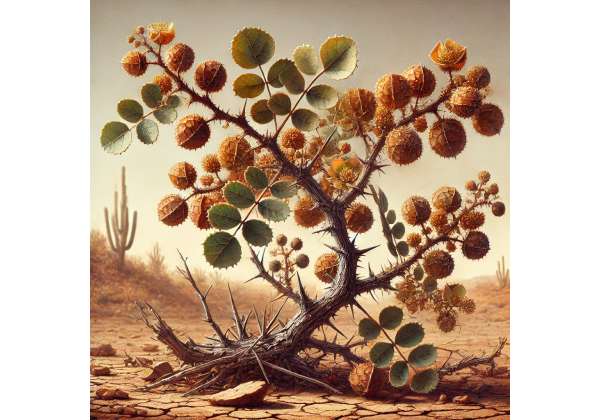
Botanically, Commiphora mukul is adapted to extremely harsh environments. The plant grows in sandy soils with limited rainfall and develops thorny branches that help protect it from grazing animals. The leaves are small and oval, and the tree produces reddish flowers. However, it is the resin that carries medicinal importance.
Traditionally harvested resin is purified through a process known as “shodhana” in Ayurveda. This purification step often involves soaking or boiling the resin in herbal decoctions to remove impurities and reduce irritant compounds. After purification, the resin may be dried and incorporated into multi-herb formulations.
Modern herbal products typically contain standardized extracts labeled for their guggulsterone content. These preparations are used in capsules, tablets, or powders designed to deliver consistent levels of active compounds.
Although Indian bdellium has a long record of use, it is best understood as a specialized medicinal herb rather than a culinary spice or everyday tonic. Its resin chemistry is potent, and modern clinical interest focuses primarily on metabolic health and inflammatory pathways. Appreciating its botanical background and traditional preparation methods helps explain why the herb is often used in structured formulas rather than as a simple standalone remedy.
Key active compounds
The biological activity of Indian bdellium largely comes from its complex mixture of steroid-like plant compounds known as guggulsterones. These molecules interact with metabolic signaling pathways and are believed to influence lipid metabolism, bile acid activity, and inflammatory responses.
Two of the most studied compounds are E-guggulsterone and Z-guggulsterone. These molecules can interact with nuclear receptors involved in cholesterol and bile metabolism, particularly the farnesoid X receptor (FXR). By modulating this pathway, guggulsterones may influence how the body processes cholesterol and bile acids.
Beyond guggulsterones, the resin contains several other chemical groups that contribute to its pharmacological profile.
Key compound classes include:
- Guggulsterones – steroid-like plant molecules associated with cholesterol and metabolic effects
- Essential oils – aromatic compounds such as myrcene, limonene, and other terpenes
- Diterpenoids and triterpenoids – resin components linked to anti-inflammatory activity
- Guggulipids – lipid-soluble fractions containing sterols and related molecules
- Resins and gums – structural compounds that give the resin its characteristic texture
These compounds interact in ways that may affect several biological pathways simultaneously. For instance, terpenoid components contribute to anti-inflammatory effects by influencing prostaglandin signaling and oxidative stress pathways. Meanwhile, the sterol-like molecules may affect metabolic enzymes and receptors involved in lipid transport.
Interestingly, the molecular behavior of guggulsterones has attracted attention in metabolic research because of their potential to influence nuclear receptors. These receptors regulate genes involved in fat metabolism and bile production. That mechanism is one reason guggul extracts are frequently studied in connection with cholesterol metabolism.
The resin also contains antioxidants that help neutralize free radicals. These antioxidant components may help explain why the herb has traditionally been used for inflammatory conditions and degenerative processes.
However, concentration varies depending on how the resin is harvested and processed. Standardized extracts are therefore preferred in modern herbal supplements. Many products are standardized to contain a specific percentage of guggulsterones, typically around 2.5 to 5 percent.
This chemical complexity helps explain both the herb’s therapeutic potential and its cautionary side. A resin containing dozens of active molecules may exert multiple biological effects, but it can also interact with medications or physiological systems in unexpected ways.
Understanding these compounds provides a foundation for evaluating both the potential benefits and the limitations of Indian bdellium as a medicinal herb.
Health benefits and effects
Indian bdellium has been traditionally used for a wide range of health concerns, but modern interest focuses primarily on metabolic health, inflammation, and cardiovascular support. While historical use is extensive, scientific evidence varies in strength across different conditions.
One of the most widely discussed benefits is support for healthy lipid metabolism. Guggul extracts have been studied for their potential influence on cholesterol balance. Early studies suggested that guggulsterones could help maintain normal levels of LDL cholesterol and triglycerides while supporting HDL cholesterol. These effects are thought to relate to the herb’s interaction with bile acid metabolism and nuclear receptor signaling.
Inflammation management is another area of interest. The resin contains several terpenoid and sterol compounds that may help regulate inflammatory mediators. This property has made the herb historically popular in formulas designed to support joint comfort and musculoskeletal health.
In Ayurvedic practice, guggul is often included in preparations intended for joint conditions and inflammatory disorders. This traditional use aligns conceptually with other herbal anti-inflammatory resins such as boswellia used for joint and inflammatory support. Although the mechanisms differ, both plants are known for resin-derived compounds that affect inflammatory pathways.
Another potential benefit involves metabolic regulation. Some experimental research indicates that Indian bdellium may influence enzymes associated with fat metabolism and glucose regulation. These findings have led to interest in the herb as part of metabolic wellness strategies.
The herb has also been studied for antioxidant activity. Resin components can neutralize free radicals and reduce oxidative stress markers in experimental models. Because oxidative stress contributes to aging and chronic disease processes, antioxidant activity is often considered a supportive health feature.
Traditional herbal practice also uses guggul for skin health and detoxification concepts. In classical formulations, it appears in preparations intended to support clear skin and normal lymphatic flow. Although these uses are culturally significant, scientific evidence supporting them remains limited.
Overall, the potential benefits associated with Indian bdellium include:
- Support for healthy cholesterol metabolism
- Assistance with inflammatory balance
- Joint and musculoskeletal comfort
- Antioxidant activity
- Potential metabolic regulation
However, modern clinical research has produced mixed results, particularly in studies examining cholesterol outcomes. Some trials have reported modest benefits, while others have shown minimal effects compared with placebo.
Because of this variability, Indian bdellium is best viewed as a supportive herbal option rather than a primary medical treatment. Its potential benefits may be most meaningful when used within broader lifestyle strategies involving diet, exercise, and overall metabolic health.
How it is used
Indian bdellium is rarely used in its raw resin form today. Instead, modern herbal preparations rely on purified extracts or standardized powders that provide consistent levels of active compounds. These preparations make it easier to measure dosage and reduce irritation that raw resin might cause.
Traditional Ayurvedic use often involves combining guggul with other herbs. Multi-herb formulas are believed to balance the warming and stimulating nature of the resin. For example, classical preparations such as Yogaraj Guggulu or Triphala Guggulu combine guggul with digestive and detoxifying herbs.
Modern use typically falls into several categories.
Common forms include:
- Standardized extracts in capsules or tablets
- Powdered resin preparations blended with other herbs
- Traditional Ayurvedic formulas containing multiple plant ingredients
- Topical herbal preparations used in some traditional systems
Capsules remain the most common format because they allow manufacturers to standardize the guggulsterone content. Standardization helps ensure that each dose contains predictable levels of active compounds.
Timing of use may also influence effectiveness. Many herbal practitioners recommend taking Indian bdellium with meals. This approach may help reduce digestive irritation and support absorption of lipid-soluble compounds.
Traditional herbalists sometimes pair the resin with warming digestive herbs. Spices such as ginger used in digestive herbal traditions may complement guggul’s stimulating properties. These combinations are designed to support metabolism and circulation while minimizing digestive discomfort.
Duration of use varies depending on the purpose. For metabolic support, herbal practitioners sometimes recommend cycles of several weeks followed by breaks. Long-term continuous use is less common unless supervised by a practitioner.
In addition to oral preparations, guggul has historically been used in incense and aromatic preparations. The resin’s fragrance produces a distinctive earthy aroma when burned, which has been used in ceremonial and therapeutic contexts for centuries.
Regardless of the form, responsible use depends on selecting reputable products and following recommended dosage guidelines. Because the herb can interact with medications and endocrine pathways, careful use is especially important for individuals managing chronic health conditions.
How much per day
Dosage for Indian bdellium depends on the preparation used and the concentration of active compounds. Most modern supplements use standardized extracts that specify the percentage of guggulsterones. This standardization helps provide more consistent dosing.
Typical dosage ranges used in herbal practice fall between 500 mg and 1000 mg of standardized extract per day, usually divided into two or three doses. These amounts often correspond to products standardized to approximately 2.5 percent to 5 percent guggulsterones.
Some practitioners recommend starting with the lower end of the range and gradually increasing if tolerated. This cautious approach allows individuals to monitor how their body responds to the resin.
Several factors can influence appropriate dosage:
- The concentration of guggulsterones in the extract
- Individual metabolic health and body weight
- The specific health goal of supplementation
- Concurrent medications or health conditions
- Sensitivity to herbal resins or spices
Traditional Ayurvedic formulations may use smaller amounts of purified guggul combined with other herbs. In these formulas, the total amount of guggul per dose may be lower because the herb works synergistically with other ingredients.
Timing also matters. Many herbal practitioners recommend taking the herb with meals to improve tolerance and reduce the risk of digestive upset.
Because guggul extracts influence metabolic pathways, duration of use is often limited. A typical supplementation period may last 8 to 12 weeks, followed by reassessment or a break. Long-term continuous use without professional guidance is generally discouraged.
It is important to note that dosage recommendations found in commercial supplements may differ depending on formulation. Some products combine guggul with other metabolic herbs, which can alter the effective amount of the resin in each capsule.
Individuals who wish to use the herb for cholesterol or metabolic support should consider consulting a healthcare professional. This is especially important for people taking medications for lipid management or metabolic disorders.
Responsible dosing ensures that the potential benefits of Indian bdellium can be explored while minimizing unnecessary risks.
Side effects and interactions
Although Indian bdellium has a long history of traditional use, it is not suitable for everyone. Like many potent herbal resins, guggul can produce side effects or interact with certain medications.
Digestive discomfort is the most commonly reported issue. Some individuals experience nausea, stomach upset, or mild diarrhea when taking guggul supplements. These symptoms are more likely when the herb is taken on an empty stomach or in higher doses.
Skin reactions are also possible. In rare cases, people may develop mild allergic rashes or itching. Because guggul contains biologically active resin compounds, individuals sensitive to plant resins may be more prone to these reactions.
Another area of concern involves hormone and thyroid interactions. Some research suggests that guggulsterones may influence thyroid hormone activity. As a result, individuals with thyroid conditions or those taking thyroid medication should use caution and seek professional advice before using the herb.
Potential medication interactions include:
- Thyroid hormone medications
- Blood-thinning medications
- Cholesterol-lowering drugs
- Certain hormonal therapies
Because the herb may influence liver enzymes involved in drug metabolism, it can potentially alter how medications are processed in the body.
Pregnant and breastfeeding individuals should avoid Indian bdellium unless directed by a qualified practitioner. The resin’s stimulating properties and hormonal effects have not been adequately studied for safety in pregnancy.
People with liver disease or severe gastrointestinal disorders should also exercise caution. Resin-based herbal extracts can place additional metabolic demands on the liver.
Common side effects may include:
- mild digestive upset
- headaches
- skin rash or itching
- loose stools
Serious adverse reactions are rare but possible, particularly when high doses are used or when the herb is combined with certain medications.
Because of these considerations, responsible use of Indian bdellium involves careful product selection, appropriate dosing, and awareness of potential interactions. Herbal medicines can provide valuable support when used properly, but they should be approached with the same level of caution as other biologically active substances.
What research says
Scientific interest in Indian bdellium has grown significantly over the past several decades, particularly regarding its potential role in lipid metabolism and inflammatory processes. However, the research landscape is mixed, and findings vary depending on study design and extract formulation.
Early clinical studies suggested that guggul extracts might help reduce cholesterol and triglyceride levels. These findings generated enthusiasm because they offered a potential plant-based option for lipid management. Some trials reported reductions in LDL cholesterol and modest increases in HDL cholesterol.
However, later research produced less consistent results. Some randomized clinical trials failed to replicate the earlier findings, showing minimal differences between guggul extract and placebo. Differences in extract standardization, participant populations, and dosage protocols likely contributed to these discrepancies.
Despite the mixed cholesterol results, other areas of research remain promising. Laboratory studies indicate that guggulsterones interact with nuclear receptors involved in metabolic regulation. These interactions may influence gene expression related to bile acid metabolism, lipid transport, and inflammatory signaling.
Anti-inflammatory properties are another active research area. Animal and cell studies show that compounds in the resin can inhibit inflammatory enzymes and reduce markers associated with chronic inflammation. These findings help explain the herb’s traditional use in joint health formulations.
Researchers have also investigated antioxidant activity. Extracts of Commiphora mukul demonstrate the ability to neutralize reactive oxygen species in experimental models. Antioxidant effects are often considered supportive mechanisms for long-term health.
Although human research remains limited, the available evidence suggests several plausible biological effects. The challenge lies in translating laboratory findings into reliable clinical outcomes.
Future research may clarify the herb’s role in metabolic health, inflammatory disorders, and integrative medicine. Standardized extracts and better-designed clinical trials will be essential for determining effective dosing and identifying populations that may benefit most.
For now, Indian bdellium occupies an interesting position in herbal medicine: a plant with deep historical roots, intriguing biochemical properties, and emerging scientific attention, yet still awaiting stronger clinical validation.
References
- Guggulsterone: A Promising Therapeutic Steroid from Commiphora mukul 2017 (Review)
- Commiphora mukul (Guggul): A Review of its Traditional Uses, Phytochemistry and Pharmacology 2022 (Review)
- Pharmacological Activities of Guggulsterone: An Updated Review 2018 (Review)
- Herbal Medicines for Dyslipidemia: Evidence from Clinical Studies 2021 (Review)
Disclaimer
The information in this article is intended for educational purposes only and should not be considered medical advice. Indian bdellium and guggul extracts may interact with medications and are not suitable for everyone. Always consult a qualified healthcare professional before starting any herbal supplement, particularly if you are pregnant, breastfeeding, managing a chronic condition, or taking prescription medications.
If you found this article helpful, consider sharing it on Facebook, X (formerly Twitter), or your preferred social platform to help others learn about herbal medicine.