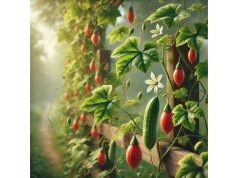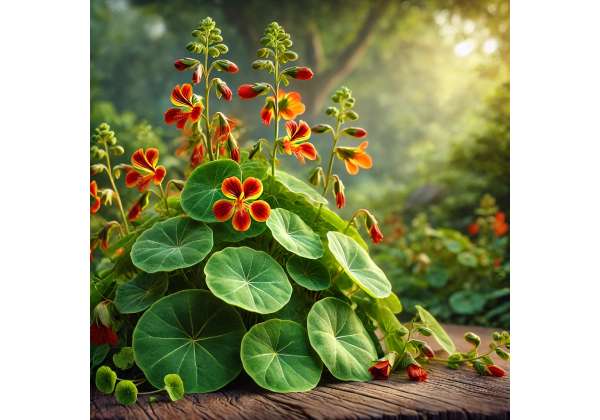
Indian cress, botanically known as Tropaeolum majus, is a bright flowering plant often recognized in gardens for its vibrant orange, red, and yellow blossoms. Yet behind its ornamental beauty lies a long tradition of culinary and medicinal use. Native to South America and now cultivated worldwide, Indian cress—commonly called nasturtium—has been valued for its peppery edible leaves, antimicrobial properties, and nutrient-dense profile. Traditional herbalists have used the plant to support respiratory health, encourage wound healing, and promote immune resilience.
Modern interest in Indian cress focuses largely on its glucosinolate compounds, vitamin C content, and natural antibacterial activity. These components help explain why the plant appears in herbal formulas for respiratory infections, mild urinary discomfort, and skin care. At the same time, Indian cress bridges the gap between food and medicine. Many people encounter it first as a culinary herb in salads and herbal pestos before discovering its therapeutic applications.
Understanding how Indian cress works—its chemistry, practical uses, dosage considerations, and safety limits—can help readers use the plant wisely while avoiding exaggerated claims or inappropriate self-treatment.
Quick Overview
- Supports immune and respiratory health through antimicrobial plant compounds.
- May help inhibit bacterial growth and promote mild urinary tract defense.
- Traditional infusion range is about 1–3 g dried leaves per cup, up to 2–3 cups daily.
- Avoid concentrated extracts during pregnancy or with kidney irritation conditions.
Table of Contents
- What is Indian cress
- Key compounds and medicinal properties
- Does Indian cress help infections
- Traditional and modern uses
- How much Indian cress per day
- Side effects and who should avoid
- What the research says
What is Indian cress
Indian cress (Tropaeolum majus) is a flowering plant belonging to the Tropaeolaceae family. It is widely cultivated in gardens around the world for both ornamental beauty and edible leaves and flowers. Despite its common name, the plant is native to the Andes regions of Peru, Bolivia, and Colombia. European botanists introduced it to the rest of the world during the 16th century, where it quickly gained popularity as a decorative and culinary herb.
The plant grows as a sprawling annual vine with round leaves and trumpet-shaped flowers. Both the leaves and blossoms are edible and possess a distinctive peppery flavor similar to mustard or watercress. This flavor comes from glucosinolates—sulfur-containing compounds that convert into antimicrobial substances when plant tissues are crushed or chewed.
Historically, indigenous communities used Indian cress for treating minor infections, wounds, and respiratory ailments. Spanish chroniclers recorded its use as a medicinal salad herb and antiseptic poultice. In European herbal traditions, it was sometimes called “Indian cress” because its taste resembled true watercress, though the plants are botanically unrelated.
Modern herbalists often classify Indian cress as both a culinary herb and a mild medicinal plant. It may be used fresh in salads, infused as a tea, or extracted into tinctures. Because the leaves contain vitamin C, carotenoids, and plant antioxidants, they also contribute modest nutritional value alongside their therapeutic properties.
The plant is particularly valued for supporting respiratory health and mild antimicrobial defense. Herbal formulas sometimes combine Indian cress with plants that soothe irritated tissues, such as marshmallow root for mucosal protection, creating balanced preparations that both fight microbes and calm inflammation.
Indian cress demonstrates how traditional foods and medicinal plants can overlap. It is mild enough to be eaten regularly yet potent enough to influence microbial activity and immune responses when used thoughtfully.
Key compounds and medicinal properties
The therapeutic potential of Indian cress comes largely from its rich phytochemical profile. Researchers have identified several classes of compounds in Tropaeolum majus, many of which are responsible for the plant’s antimicrobial and antioxidant actions.
One of the most important groups is glucosinolates, particularly a compound called glucotropaeolin. When plant tissues are crushed or digested, enzymes convert glucotropaeolin into benzyl isothiocyanate. This compound has demonstrated antibacterial and antifungal activity in laboratory studies. The pungent flavor of Indian cress leaves reflects this chemical reaction.
In addition to glucosinolates, Indian cress contains:
- Vitamin C – supports immune defense and antioxidant protection.
- Flavonoids – including quercetin derivatives that may reduce oxidative stress.
- Carotenoids – pigments associated with antioxidant and eye health benefits.
- Sulfur-containing compounds – contribute to antimicrobial activity.
- Phenolic acids – compounds linked to anti-inflammatory properties.
These constituents interact in ways that help explain the plant’s traditional uses. For example, the antimicrobial compounds appear active against certain bacteria associated with respiratory and urinary infections. At the same time, antioxidant compounds help protect tissues from inflammatory damage caused by infection or environmental stress.
Another interesting property is the plant’s mild expectorant effect. The pungent compounds stimulate circulation and secretions in mucous membranes, helping loosen respiratory mucus. This mechanism is similar to other spicy herbs such as horseradish for respiratory stimulation, though Indian cress is generally milder.
Indian cress also shows modest anti-inflammatory effects in experimental research. Flavonoids and phenolic compounds appear capable of reducing inflammatory signaling pathways, though these effects remain less well studied than its antimicrobial actions.
Overall, the plant’s medicinal properties can be summarized as:
- Antibacterial and antifungal activity
- Mild expectorant action for respiratory health
- Antioxidant protection
- Immune-supportive nutrients
- Potential anti-inflammatory effects
The combination of these actions helps explain why Indian cress has historically been used for respiratory infections, skin problems, and mild urinary discomfort. Rather than targeting one single pathway, the plant appears to support multiple protective systems at once.
Does Indian cress help infections
One of the most widely discussed uses of Indian cress is its potential role in combating microbial infections. Herbal traditions have long recommended the leaves and flowers for respiratory illnesses such as bronchitis, sinus congestion, and seasonal colds.
The reasoning behind this use is partly chemical. When the plant tissues break down, glucotropaeolin converts into benzyl isothiocyanate, a compound known to inhibit the growth of several bacteria and fungi. Laboratory studies suggest activity against microorganisms such as Staphylococcus aureus, Escherichia coli, and certain respiratory pathogens.
This antimicrobial action may help explain the plant’s traditional role in respiratory care. Herbal preparations often aim to combine mild antimicrobial activity with expectorant properties that help clear mucus from the lungs. Indian cress appears to offer both effects simultaneously.
The plant has also been explored for urinary tract support. Because antimicrobial compounds can be excreted through urine, they may help inhibit bacterial growth in the urinary system. In European herbal practice, Indian cress is sometimes used in combination formulas for mild urinary infections.
Another potential application involves skin health. Fresh leaves crushed into poultices have historically been applied to minor wounds or fungal skin infections. The antimicrobial and antioxidant compounds may help discourage microbial growth while supporting tissue repair.
However, it is important to distinguish between supportive herbal use and primary medical treatment. While Indian cress may help discourage microbial growth in early or mild situations, serious infections require medical evaluation and appropriate treatment.
Herbal practitioners often combine Indian cress with other plants that support immune and antimicrobial responses, such as echinacea for immune defense. Such combinations can create broader coverage against microbes while also supporting the body’s immune system.
In practical terms, Indian cress appears most useful for:
- Early respiratory infections
- Mild urinary discomfort
- Minor skin infections
- General immune support during seasonal illness
These applications align with both traditional herbal knowledge and modern biochemical understanding. Still, the plant should be viewed as a supportive measure rather than a substitute for medical therapy when infections become severe or persistent.
Traditional and modern uses
Indian cress occupies an interesting place among medicinal plants because it serves as both a culinary herb and a therapeutic botanical. Many of its benefits arise from simple dietary use rather than concentrated extracts.
In traditional South American medicine, the leaves were often eaten fresh to promote health and vitality. Indigenous communities valued the plant as a spring tonic, believing it helped cleanse the body and strengthen resistance to disease. Spanish colonists later adopted similar practices, using the plant in herbal salads and tonics.
European herbal traditions developed several additional uses:
- Respiratory herbal teas for cough and congestion
- Antiseptic washes for minor wounds
- Hair rinses for scalp health
- Digestive tonics made from the leaves
Today, the plant remains popular in culinary and herbal contexts. Fresh leaves and flowers are commonly added to salads, sandwiches, and herbal sauces. Their peppery taste provides flavor while delivering small amounts of beneficial phytochemicals.
Modern herbal preparations may include:
- Fresh leaf preparations – often used in salads or herbal pestos.
- Herbal infusions – dried leaves steeped as tea.
- Tinctures – alcohol extracts containing concentrated phytochemicals.
- Topical preparations – poultices or herbal rinses for skin care.
Some herbalists also recommend Indian cress for supporting scalp circulation and combating dandruff. The antimicrobial properties may help reduce fungal growth associated with scalp irritation.
In natural skincare, Indian cress sometimes appears in formulas designed to soothe irritated skin. It may also be combined with plants known for tissue repair, such as calendula for skin healing support, creating herbal blends that both protect and restore damaged tissues.
Despite these diverse uses, Indian cress remains a relatively gentle herb. Its strength lies less in dramatic medicinal effects and more in its ability to provide steady antimicrobial and nutritional support through regular use.
For many people, the most practical way to benefit from Indian cress is simply to incorporate the leaves into everyday meals. In doing so, the plant acts simultaneously as food, spice, and mild medicinal herb.
How much Indian cress per day
Determining the appropriate amount of Indian cress depends largely on the form in which it is used. Because the plant is commonly consumed as food, culinary quantities are generally safe for most healthy adults. Medicinal doses, however, are typically based on traditional herbal practices rather than standardized clinical trials.
For fresh culinary use, people often consume small handfuls of leaves or flowers in salads or herbal dishes. These quantities provide beneficial nutrients and phytochemicals without approaching levels associated with adverse effects.
When the plant is used medicinally, common traditional preparations include infusions and tinctures.
Typical herbal infusion guidelines:
- 1–3 grams dried leaves per cup of hot water
- Steep for 10–15 minutes
- Drink up to three cups daily
Fresh leaves may also be used to make a stronger infusion. Because fresh material contains more water, herbalists often double the amount compared with dried leaves.
For tinctures, dosing depends on extraction strength. Many herbalists recommend approximately:
- 2–4 mL of tincture, taken two to three times daily
However, tincture preparations vary widely, so it is important to follow the manufacturer’s instructions when using commercial products.
Topical uses have their own dosage considerations. Fresh leaves crushed into poultices may be applied directly to minor skin irritations. These applications are typically limited to short periods and should be discontinued if irritation occurs.
Several factors influence appropriate dosage:
- Age and body weight
- Sensitivity to pungent plants
- Underlying health conditions
- Concurrent medications
Because Indian cress contains active glucosinolate compounds, excessive intake may irritate the stomach or kidneys. For this reason, moderate and intermittent use is usually recommended.
If someone seeks stronger antimicrobial effects from herbal medicine, practitioners often turn to plants with more established dosing guidelines, such as garlic for antimicrobial support. Indian cress tends to play a complementary rather than dominant role in herbal formulas.
In summary, moderate culinary consumption is widely considered safe, while medicinal use should follow traditional dosing ranges and remain short term unless guided by an experienced practitioner.
Side effects and who should avoid
Indian cress is generally considered safe when consumed in moderate food amounts. However, like many medicinal plants containing glucosinolates, excessive intake may cause unwanted effects in some individuals.
One potential issue is gastrointestinal irritation. The same compounds responsible for the plant’s pungent flavor can irritate sensitive stomachs if consumed in large quantities. Symptoms may include stomach discomfort, nausea, or heartburn.
Another concern involves kidney irritation. Because glucosinolate derivatives can be excreted through the kidneys, high doses may stress individuals with existing kidney conditions. Herbal traditions often recommend avoiding prolonged use for this reason.
People who should exercise caution or avoid Indian cress include:
- Pregnant or breastfeeding individuals
- People with kidney disease
- Children under 12 using medicinal doses
- Individuals with sensitive digestive systems
- Anyone allergic to related plants
Allergic reactions are uncommon but possible. Signs may include rash, itching, swelling, or difficulty breathing after exposure to the plant.
Drug interactions are not extensively documented, but theoretical concerns exist. Because the plant contains biologically active compounds affecting microbial activity and metabolism, it may interact with certain medications. Individuals taking antibiotics, diuretics, or medications affecting kidney function should consult a healthcare professional before using concentrated preparations.
Topical applications can occasionally cause skin irritation. Anyone applying crushed leaves to the skin should test a small area first and discontinue use if redness or burning occurs.
Another practical safety rule is to avoid confusing Indian cress with unrelated plants that share similar common names. Accurate botanical identification is important when using any herbal remedy.
Overall, Indian cress appears safe when used responsibly as food or mild herbal tea. Problems tend to arise only when large quantities or concentrated extracts are used without guidance.
As with most medicinal plants, moderation and awareness of personal health conditions provide the best safeguards.
What the research says
Scientific interest in Indian cress has increased over the past two decades, particularly regarding its antimicrobial and antioxidant compounds. While the plant has a long history of traditional use, modern research is still developing a clearer understanding of its therapeutic potential.
Laboratory studies have confirmed the antimicrobial activity of benzyl isothiocyanate, the compound produced when glucotropaeolin breaks down. This compound demonstrates inhibitory effects against several bacteria and fungi, supporting the plant’s traditional use for respiratory and urinary infections.
Researchers have also explored the plant’s antioxidant profile. Extracts of Tropaeolum majus show measurable free radical scavenging activity in chemical assays. Antioxidant effects may help explain the plant’s ability to protect tissues from inflammatory damage.
Animal research has provided additional insights. Some studies suggest that extracts of Indian cress may reduce inflammatory markers and support immune responses in experimental models. These findings align with traditional herbal claims but require further validation in human trials.
Another area of investigation involves the plant’s potential anticancer and cytoprotective compounds. Early laboratory work indicates that certain flavonoids and phenolic compounds may influence cell signaling pathways associated with oxidative stress. However, these findings remain preliminary.
Despite promising laboratory results, clinical evidence in humans remains limited. Few controlled human trials have evaluated Indian cress directly, and most therapeutic recommendations still rely on traditional knowledge combined with biochemical plausibility.
Researchers continue to explore how Indian cress might complement other medicinal plants. For example, herbal formulas combining antimicrobial herbs and immune-supportive plants—such as elderberry for immune defense—may provide broader protection during respiratory illness.
Future studies will likely focus on isolating active compounds, determining effective dosages, and evaluating safety through clinical trials. Until then, Indian cress should be considered a promising medicinal food with supportive evidence rather than a fully validated pharmaceutical treatment.
The existing research base confirms that the plant contains biologically active compounds capable of influencing microbial growth and oxidative stress. At the same time, the limited clinical data remind us that traditional herbal experience still plays an important role in guiding responsible use.
References
- Phytochemical Profile and Biological Activities of Tropaeolum majus L. 2021 (Review)
- Glucosinolates and Isothiocyanates as Antimicrobial Agents 2022 (Review)
- Natural Isothiocyanates: Biological Activity and Health Benefits 2023 (Review)
- Antioxidant and Anti-Inflammatory Activities of Plant Phenolic Compounds 2022 (Review)
Disclaimer
This article is provided for educational purposes only and is not intended as medical advice, diagnosis, or treatment. Herbal remedies such as Indian cress may support general health but should not replace professional medical care. Always consult a qualified healthcare professional before using herbal preparations, particularly if you are pregnant, breastfeeding, taking medications, or managing a chronic health condition. Serious infections, persistent symptoms, or unexplained health changes require prompt medical evaluation.
If you found this article helpful, consider sharing it on Facebook, X (formerly Twitter), or another platform to help others learn about the potential benefits and safe use of Indian cress.