Indian hemp, botanically known as Apocynum cannabinum, is a North American medicinal plant with a long and complicated history. Indigenous communities valued it both as a strong fiber plant and as a potent medicine, while later Eclectic physicians used it in carefully measured preparations for edema, fluid retention, and certain heart-related complaints. Modern chemistry helps explain why the plant attracted that level of respect: Indian hemp contains cardiac glycosides, including cymarin and related cardenolides, along with apocynin, a compound that later became well known in inflammation research.
That same chemistry is also the reason this herb demands caution. Indian hemp is not cannabis, despite the name, and it is not a gentle daily tonic. It is a physiologically active, potentially toxic botanical with a much narrower margin for safe use than most popular wellness herbs. The most useful way to understand Indian hemp today is as a historically important, pharmacologically powerful herb whose traditional benefits are real, but whose modern self-care role is very limited because safety, dosing precision, and clinical evidence remain incomplete.
Essential Insights
- Indian hemp has a strong traditional reputation for fluid retention and circulatory support, but those uses come from a very potent root chemistry.
- Its best-known active principles are cardiac glycosides and apocynin, which help explain both its medicinal interest and its toxicity.
- Historical phytotherapy sources describe about 0.3 to 0.6 mL/day of a 1:10 tincture, but no modern evidence-based self-care dose has been established.
- Pregnant people, anyone with heart disease, and anyone taking digoxin, diuretics, or rhythm medicines should avoid self-prescribed use.
Table of Contents
- What is Indian hemp
- Key compounds and medicinal properties
- What can Indian hemp help with
- How Indian hemp is used
- How much to take and when
- Side effects and who should avoid it
- What the evidence actually shows
What is Indian hemp
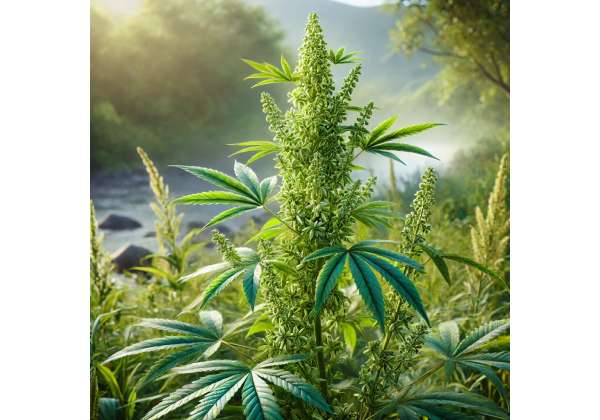
Indian hemp is a perennial herb native to much of North America. Its accepted botanical name is Apocynum cannabinum, and it is also commonly called hemp dogbane. The plant belongs to the dogbane family, Apocynaceae, a group known for milky sap and, in many cases, powerful bioactive compounds. That family connection is more than a botanical detail. It helps explain why Indian hemp behaves more like a strong medicinal plant than a mild folk herb.
One of the first things modern readers need to know is that Indian hemp is not cannabis. The common name comes from its long, durable bast fibers, which Indigenous peoples used for thread, cordage, nets, snares, and other materials. The fibers were important enough that the plant earned a name associated with hemp, even though its chemistry and medicinal actions are entirely different. Confusing the two plants can create unrealistic expectations about both safety and effect.
Historically, Indian hemp had two major identities. One was practical and material. The other was medicinal. In traditional North American use and later Eclectic medicine, the plant was associated with dropsy, edema, water retention, and certain heart or kidney complaints. These uses were not casual. Practitioners understood the herb as active, sometimes dramatic, and best handled carefully. In older medical writing, Indian hemp was often described as a diuretic, cathartic, expectorant, diaphoretic, or cardiac remedy, depending on the dose and the condition being treated.
That mix of uses already hints at an important truth: Indian hemp is not a plant with a wide comfort margin. It can stimulate physiologic change, especially around fluid balance and the heart, but that same strength also raises the possibility of toxicity. Unlike many herbs that are used mainly for gentle support, Indian hemp belongs to a category of botanicals where the difference between “medicinal” and “too much” may be uncomfortably small.
The root and underground parts have historically mattered most in medicinal preparations. That is also where some of the most studied active compounds, including apocynin and multiple cardenolides, are found. While the whole plant is relevant from a toxicology standpoint, the root has drawn particular interest in pharmacology and older therapeutic practice.
A practical summary looks like this:
- Indian hemp is a real medicinal plant with a deep North American history.
- It is best known for fiber use and older heart-fluid applications.
- It is not related to cannabis in action.
- It is not a beginner herb for home experimentation.
Readers who are mainly looking for safer, food-like support for fluid balance usually do better with gentler options such as dandelion for milder diuretic support rather than a root that contains digitoxin-like cardenolides. Indian hemp may be historically important, but historical importance is not the same as modern everyday suitability.
Key compounds and medicinal properties
Indian hemp’s medicinal profile is driven mainly by two chemical themes: cardiac glycosides and apocynin. The cardiac glycosides, also called cardenolides, are the most important from a safety and therapeutic point of view. Older and later sources describe constituents such as cymarin, apocannoside, cynocannoside, helveticoside, and related compounds. These substances are pharmacologically similar in principle to digitoxin-type heart glycosides. That comparison is not meant to dramatize the herb. It is meant to place it accurately. Indian hemp contains compounds that can influence cardiac muscle, fluid handling, and overall cardiovascular physiology.
Cymarin is usually the name that appears most often in discussions of Indian hemp toxicity and historic pharmacology. It is one of the plant’s principal toxins and was once investigated as a heart stimulant. That fact alone explains why the herb can never be treated like a casual tea plant. If a herb’s key constituents resemble classic cardiotonic glycosides, dosage precision and interaction risk immediately become central.
The second major compound of interest is apocynin, a phenolic constituent first isolated from the roots of Apocynum cannabinum. Apocynin later became important in experimental pharmacology because of its association with NADPH oxidase inhibition and its role in oxidative stress and inflammatory signaling research. This is one reason Indian hemp is sometimes described as anti-inflammatory in modern summaries. That description is directionally reasonable, but it needs a careful qualifier: much of the inflammation research centers on apocynin as an isolated compound, not on crude Indian hemp root used broadly and safely in modern clinical practice.
Other constituents reported in traditional summaries and official documents include tannins, resin, fatty oil, and starch. These do not drive the herb’s main identity the way the cardenolides do, but they help round out the plant’s chemistry.
From a practical standpoint, Indian hemp’s most plausible medicinal properties are:
- Diuretic activity linked to traditional fluid-retention use
- Cardiotonic or cardiac-active effects linked to cardenolides
- Anti-inflammatory potential linked especially to apocynin
- Possible antioxidant and endothelial effects suggested by apocynin research
- Cathartic or emetic actions at stronger or less-tolerated doses
That last point matters because some of the herb’s “side effects” are really part of how older physicians knew it had been pushed too far. Once nausea, diarrhea, or excessive weakness appeared, the dose was no longer medicinal in any practical sense.
This is also why Indian hemp is best understood as a strong medicinal herb with a narrow target, not a broad adaptogenic or nutritive plant. It is not trying to behave like a daily vitality tonic. It behaves more like a physiologically forceful botanical that can change fluid dynamics and cardiac signaling in meaningful ways.
If you want a familiar frame of reference, the most relevant comparison is not to cannabis, but to foxglove and other cardiac glycoside plants. Indian hemp is not the same plant, but the comparison helps explain why traditional heart and edema use came with such a heavy need for caution.
What can Indian hemp help with
The most realistic answer is narrower than the folklore but still significant. Indian hemp has historically been used for edema, dropsy, fluid retention, and certain forms of weak cardiac function. Those uses make pharmacologic sense because the plant contains cardenolides that can affect heart performance and fluid handling. In older therapeutic systems, that gave Indian hemp a place in difficult cases where swelling, poor circulation, and reduced urine output were prominent.
That said, “historically used for” and “safe modern remedy for” are not the same statement. Indian hemp’s old reputation is real, but it comes from an era when potent plant medicines were often used much closer to their toxic threshold than most modern readers would expect. A plant can genuinely help with a problem and still be a poor choice for unsupervised home use. Indian hemp is a classic example.
The most defensible modern benefit statements are these:
- It may promote diuresis in historically described fluid-retention states.
- It contains constituents that can affect cardiac muscle and circulation.
- It contributes a root-derived compound, apocynin, that has strong experimental anti-inflammatory interest.
- It has a longstanding place in North American traditional and Eclectic medicine.
What should be said much more carefully is everything beyond that. Indian hemp is sometimes described as helpful for kidney problems, heart weakness, asthma, rheumatism, fever, or digestive complaints. Some of those descriptions come from genuine historical records. But the plant’s narrow safety margin means those broader uses do not translate cleanly into safe modern recommendations. The herb’s main practical identity remains tied to edema and heart-fluid conditions, and those are precisely the complaints that should not be self-treated with a potentially toxic glycoside-containing plant.
Another point readers often miss is that benefit and danger are tightly linked here. The same reason Indian hemp can have noticeable physiologic effect is the reason it can cause vomiting, weakness, rhythm disturbance, or poisoning if used poorly. In gentler herbs, pharmacologic strength and household use sometimes coexist comfortably. In Indian hemp, they do not.
A useful way to think about the plant is through a question: what problem would lead someone to consider it today? Usually the answer is swelling, fluid retention, or “natural heart support.” But those are not small lifestyle complaints. They often point to heart failure, kidney disease, medication effects, liver disease, or other conditions that deserve clinical evaluation. That means the user’s real need is usually diagnosis and monitoring first, herb choice second.
For readers who want botanical cardiovascular support without walking this close to toxicity, hawthorn’s gentler cardiovascular tradition is often a more realistic place to start. Hawthorn still deserves respect, but it is far easier to fit into a modern self-care framework than Indian hemp.
So what can Indian hemp realistically help with? In historical and pharmacologic terms, edema and fluid congestion are the clearest answers. In modern wellness terms, the safer answer is that it is more important as a medicinal history lesson than as a general consumer herb. It teaches how powerful traditional botanicals can be, and why potency is never the same thing as convenience.
How Indian hemp is used
Traditional and historical use of Indian hemp centers mainly on the root or underground parts. Older preparations included tinctures, fluid extracts, decoctions, and powdered forms, though concentrated liquid preparations became especially prominent in Eclectic medicine. These were not loose, kitchen-style herbal experiments. Indian hemp was typically used in measured doses because practitioners recognized that too much could trigger marked gastrointestinal distress or stronger toxic effects.
This point is essential: Indian hemp is not best understood as a tea herb. Its history is much closer to that of a dose-sensitive medicinal extract. The more a reader imagines it as a strong botanical drug rather than a cup herb, the more accurately the plant comes into focus.
Historically, use followed the complaint. In dropsy or fluid retention, practitioners were looking for increased urine output and relief of swelling. In certain cardiac states, the goal was stronger circulation and reduced congestion. Some old sources also describe uses in rheumatism, fever, or respiratory complaints, but those were secondary to the herb’s main reputation as a fluid-moving, heart-active plant. In many cases, the root or extract was used because it delivered a clearer and more measurable effect than a milder whole-plant infusion could.
In modern practice, the herb appears much more often in homeopathic or legacy herbal contexts than in mainstream phytotherapy. That is not because the plant lacks activity. It is because it may have too much activity for casual use. Once a plant contains measurable cardiac glycosides, regulatory caution, professional hesitation, and limited consumer suitability all make sense.
A practical way to divide Indian hemp use is this:
- Historical phytotherapy
This includes tinctures and fluid extracts used for edema and heart-related congestion. - Homeopathic use
Extremely diluted preparations exist, but these are not the same as herbal dosing and should not be confused with crude root preparations. - Research interest
Modern attention often focuses on apocynin and cardenolides rather than routine whole-root use.
That third category is important because many modern claims about Indian hemp actually trace back to compound research, not to the direct clinical use of the herb itself. A reader may see anti-inflammatory, antioxidant, or vascular claims that are really about apocynin in experimental settings, not about safely drinking Indian hemp decoctions at home.
The safest modern-use principle is simple: the stronger the preparation, the less appropriate it is for casual self-care. That rule is especially important because home sellers and older herbal references can make Indian hemp sound deceptively familiar. It is not familiar in the same way as peppermint, chamomile, or ginger. It belongs to a more potent and medically consequential category.
If your goal is digestive comfort, mild bloating relief, or respiratory ease, a safer herb such as peppermint for everyday digestive and respiratory support makes more practical sense than trying to adapt Indian hemp to a problem it was never best known for.
In short, Indian hemp is used historically through measured root-based preparations, not casual household improvisation. Its traditional role was real, but its form of use already tells you how seriously earlier practitioners took its potency.
How much to take and when
Dosage is where Indian hemp becomes especially tricky. There is no modern evidence-based self-care dose backed by contemporary clinical trials. That alone should slow down anyone looking for a capsule-strength recommendation or a simple “how much per day” answer. The plant’s therapeutic identity comes from older phytotherapy and homeopathy, not from modern supplement-style standardization.
The clearest numeric guidance available comes from historical and regulatory documents rather than modern clinical trials. An older European Medicines Agency summary report noted that a usual daily oral dose in traditional phytotherapy was, for example, 0.3 to 0.6 mL of a 1:10 tincture, corresponding to about 30 to 60 mg of dry root matter and roughly 60 to 240 micrograms of total cardenolides. That is a useful historical reference because it shows how small the medicinal range already was. This is not a gram-level herb. It is a drop-level herb.
The same report also warns why this matters. It notes that 10 to 30 drops of a fluid extract taken three times daily may cause symptoms of intoxication. That is a striking reminder of how narrow the safety margin can be. The plant’s active fraction is not forgiving.
So what does that mean for a modern reader?
- There is no validated over-the-counter wellness dose.
- Historical doses were small because the plant is potent.
- Drop-based dosing reflects pharmacologic force, not convenience.
- Modern concentrated self-use is generally a poor idea without expert supervision.
Timing historically depended on the therapeutic aim. When used for fluid retention, preparations were given to promote diuresis and reduce swelling rather than to create an immediate subjective effect. In that sense, Indian hemp was used more like a therapeutic intervention than a symptom-comfort herb. But this historical detail should not be misread as encouragement to experiment. The absence of modern standardized dosing, monitoring, and interaction studies makes timing questions much less important than the larger question of whether the herb should be self-used at all.
A safer way to interpret Indian hemp dosage is through scale. Many household herbs live in the milligram-to-gram world with relatively forgiving upper ranges. Indian hemp lives in the low-milliliter, drop, and microgram-of-cardenolide world. That is not just a chemistry detail. It is a consumer warning.
This is also the section where honest restraint matters more than pleasing neatness. It would be easy to repeat historical dose figures as though they were current recommendations. That would sound helpful, but it would be misleading. The right lesson from the old dosing literature is not “take this much.” The right lesson is “this plant is active enough that dose precision determines whether it behaves like a medicine or a toxin.”
For readers who want help with mild water retention or digestive sluggishness, a gentler option such as dandelion with a far wider practical margin is often a much more sensible entry point. Indian hemp’s dosage history is valuable mainly because it teaches caution.
The most accurate bottom line is this: historical phytotherapy used about 0.3 to 0.6 mL/day of a 1:10 tincture, but no modern evidence-based self-care dose has been established, and intoxication may occur at higher drop-based intakes. That is not a dosing invitation. It is a warning about potency.
Side effects and who should avoid it
Indian hemp deserves a strong safety-first section because its risks are not theoretical. The plant contains cardiac glycosides with actions similar in principle to digitoxin-like compounds. That means the possible side effects are not just vague “herbal intolerance.” They may involve the heart, gastrointestinal tract, nervous system, and overall circulation.
The most commonly described warning signs of excess exposure include nausea, vomiting, diarrhea, weakness, dizziness, and general collapse-type symptoms. Official toxicology sources for hemp dogbane also describe rapid pulse, pupil dilation, blue discoloration of mucous membranes, progressive weakness, convulsions, coma, and death in poisoning scenarios. Those are severe outcomes, and they make one point unmistakable: Indian hemp should never be treated like a harmless natural alternative.
Another major issue is that all parts of the plant are considered toxic, and the toxicity persists even when the plant is dry. That matters for both accidental exposure and herbal preparation errors. A person does not need fresh plant material for risk to exist.
The people who should avoid self-prescribed Indian hemp most clearly include:
- Pregnant people
- Breastfeeding people
- Anyone with heart disease
- Anyone with kidney disease
- Anyone taking digoxin or other cardiac glycosides
- Anyone taking diuretics, blood pressure medicines, or antiarrhythmic drugs
- Children
- Frail older adults
- Anyone with unexplained swelling, shortness of breath, or chest symptoms
The reason swelling deserves special mention is that it often tempts people toward diuretic herbs. But edema is not a wellness symptom in the same category as occasional bloating. It can reflect heart failure, kidney disease, liver disease, medication reactions, or clotting problems. Using Indian hemp to suppress the symptom without clarifying the cause is risky on two levels: the herb itself may be dangerous, and the underlying disease may need urgent medical care.
Drug interactions are also a major concern. Because Indian hemp contains cardenolides, it may plausibly add to the effects of prescription cardiac glycosides or interact unpredictably with diuretics and electrolyte balance. That is especially important because low potassium can intensify glycoside toxicity. In practice, this means Indian hemp does not sit safely beside many common cardiovascular regimens.
A second subtle risk is false confidence from historical use. Some readers assume that because an herb was once part of formal materia medica, it must therefore be reasonably safe if taken respectfully. In Indian hemp, the opposite lesson is more accurate. It entered older medicine precisely because it was strong. Strength is not a synonym for safety.
If your main goal is anti-inflammatory or joint-comfort support rather than heart-fluid intervention, a better-studied and more practical herb such as boswellia for inflammatory support makes far more sense in modern self-care.
The best safety summary is direct: Indian hemp is a potent, potentially poisonous cardiac herb. People with cardiovascular concerns should not self-dose it, and most general users should treat the plant as a historical medicinal rather than a practical home remedy.
What the evidence actually shows
The evidence for Indian hemp is meaningful but highly uneven. It is strongest in traditional use, older pharmacology, toxicology, and constituent chemistry. It is weaker in modern human clinical trials, standardized dosing, and real-world safety data for contemporary herbal consumers. That combination makes it a fascinating herb to study and a poor herb to romanticize.
What is well supported is the plant’s chemistry. Multiple official and research sources confirm that Apocynum cannabinum contains pharmacologically active cardenolides, especially cymarin and related glycosides, as well as apocynin in the roots. The evidence also supports the historical use of the herb for edema and cardiovascular complaints. Those uses were not imaginary. They fit the known chemistry.
What is less well supported is broad modern therapeutic optimism. There is not a robust body of current human trials showing that Indian hemp safely improves fluid retention, heart failure, blood pressure, inflammation, or other outcomes in the way modern consumers usually expect from an herbal supplement. The strongest modern excitement around the plant often centers on apocynin, but apocynin research is not the same thing as validated crude-root therapy.
This distinction matters. A plant may contain an important compound and still not be suitable as a general botanical medicine. In fact, Indian hemp is a classic case of that problem. Apocynin has substantial experimental interest in oxidative stress and inflammation research, while the whole plant simultaneously remains constrained by toxicity and narrow dosing.
The evidence also supports a second important conclusion: safety is central, not secondary. Official reports do not present Indian hemp as a casual phytotherapy. They describe it as a cardenolide-containing plant with incomplete toxicologic profiling, limited modern use, and clear risk of intoxication at higher intakes. That kind of profile should lower, not raise, consumer enthusiasm.
A fair evidence-based summary looks like this:
- Traditional use for dropsy and related fluid conditions is historically credible.
- The plant’s active cardenolides explain why those uses developed.
- Apocynin gives the root modern scientific interest beyond old cardiac use.
- Toxicity is real enough to limit modern self-care relevance.
- Human clinical evidence is not strong enough to justify broad supplement-style use.
This is why Indian hemp belongs in a category of herbs that are more educational than practical for most readers. Learning about it deepens your understanding of medicinal plants, especially the overlap between heart-active botanicals and poison risk. But learning about a plant is not the same as using it.
For readers seeking herbal options that fit modern self-care more comfortably, the lesson is often comparative. A gentler herb can still be helpful even if it is less dramatic. Indian hemp shows the opposite pattern: it may be dramatic precisely because its chemistry pushes close to toxic territory.
The best closing conclusion is this: Indian hemp is a historically respected but pharmacologically hazardous herb. The evidence supports its reputation as a powerful traditional medicine, but it does not support routine unsupervised use. In modern practice, its greatest value is as a reminder that some herbs belong more to professional history and toxicology than to everyday wellness routines.
References
- A comprehensive update on phytochemistry and medicinal developments of apocynin 2025 (Review)
- Quo vadis Cardiac Glycoside Research? 2021 (Review)
- APOCYNUM CANNABINUM SUMMARY REPORT 1999 (Regulatory Report)
- Hemp Dogbane (Apocynum cannabinum) 2018
- Apocynum Cannabinum 1891
Disclaimer
This article is for educational purposes only and is not a substitute for medical advice, diagnosis, or treatment. Indian hemp is a potent, potentially toxic cardiac herb and should not be used as a self-care remedy for edema, heart symptoms, kidney complaints, or fluid retention. Do not use it during pregnancy or breastfeeding, and do not combine it with prescription heart medicines, diuretics, or blood pressure drugs unless you are under qualified medical supervision.
If this article helped you, please share it on Facebook, X, or your preferred platform so others can find a careful, evidence-aware guide to Indian hemp.