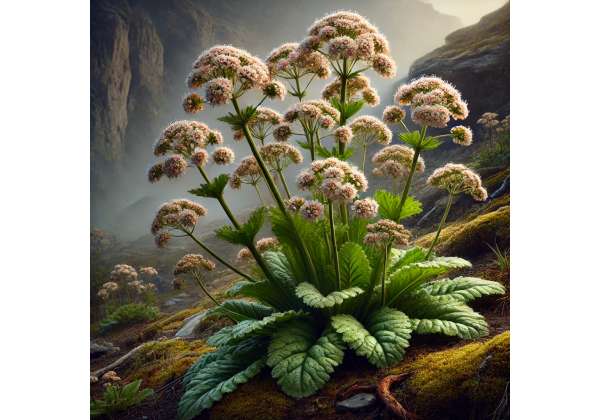
Indian valerian, also known as Tagara, is a strongly aromatic Himalayan herb long used in Ayurveda and related traditions for sleep trouble, nervous tension, emotional overactivity, and stress-linked digestive discomfort. The medicinal part is mainly the root and rhizome, which contain a dense mix of volatile oils, valepotriates, sesquiterpenes, and other neuroactive compounds. That chemistry is the reason Indian valerian is often described as the Asian counterpart to European valerian, yet it has its own identity, usage patterns, and research history.
What makes this herb especially interesting is the gap between tradition and modern evidence. It has a genuine reputation as a calming plant, and early human studies suggest promise for insomnia and anxiety-related symptoms. At the same time, the best-supported claims are still narrower than many marketing pages imply. Product quality varies, standardized dosing is not fully settled, and sedative effects can be too strong for the wrong user.
For most readers, the right question is not whether Indian valerian is “good” or “bad,” but whether its benefits match their goal, their tolerance, and their safety profile.
Quick Overview
- Indian valerian is mainly used for sleep support and calming nervous overactivity.
- Its key traditional benefits center on restlessness, mild anxiety, and stress-linked insomnia.
- Small clinical studies have used about 4 to 12 g daily of rhizome powder in divided doses, but product strength varies widely.
- People who are pregnant, breastfeeding, driving regularly at night, or taking sedatives should generally avoid it unless a clinician advises otherwise.
Table of Contents
- What is Indian valerian
- Key compounds and actions
- Does Indian valerian help sleep
- How Indian valerian is used
- How much to take
- Safety, interactions, and who should avoid it
- What the evidence says
What is Indian valerian
Indian valerian is a perennial medicinal herb native to the Himalayan belt and neighboring parts of Asia. In trade and traditional medicine, it is commonly known as Tagara or Tagar. In current botanical literature, it is also often discussed alongside closely related naming conventions, especially Valeriana jatamansi, which is one reason readers sometimes find conflicting herb profiles online. In practical herbal use, the focus stays on the same part of the plant: the fragrant root and rhizome.
The herb has a long reputation as a nervous-system plant. Classical use placed it in the group of herbs used when the body felt unsettled, the mind felt overdriven, or sleep became shallow and irregular. Unlike a simple aromatic tea herb, Indian valerian was traditionally used more deliberately. It was not just taken for flavor or general wellness. It was used when a person needed noticeable calming, especially in patterns that included agitation, interrupted sleep, tension, or stress-related symptoms that seemed to spread into digestion and mood.
Its smell tells part of the story. Like other valerian-type plants, Indian valerian has a penetrating, earthy, musky odor that many people either love or dislike. That strong scent reflects its volatile chemistry and hints at its traditional role as a serious medicinal plant rather than a soft culinary herb.
One useful way to understand Indian valerian is to place it on a spectrum of calming herbs. Some herbs are gentle and broad, suitable for tea-drinking and daytime use. Others are distinctly more sedating. Indian valerian tends to sit closer to the second group. It is often compared with lemon balm for gentler calming support, but the experience is not the same. Lemon balm is usually lighter and more forgiving. Indian valerian is more likely to feel medicinal, grounding, and in some cases heavy.
That difference matters for modern readers. Many people search for Indian valerian expecting a natural sleep aid that behaves like a mild bedtime tea. In reality, it is better understood as a traditional sedative and nervine herb whose value lies in targeted use. It may suit a person whose sleeplessness comes with mental and physical overactivation. It may suit someone exploring Ayurvedic herbs for stress-linked insomnia. But it is probably not the best first step for a person who simply wants a very mild evening relaxant.
Used thoughtfully, Indian valerian can be a meaningful herb. Used casually, it can be disappointing, overly sedating, or simply mismatched to the person’s needs.
Key compounds and actions
Indian valerian earns its medicinal reputation from a chemically rich root and rhizome. Modern reviews describe a broad phytochemical profile that includes valepotriates, volatile oils, iridoids, lignans, flavonoids, phenolic acids, and sesquiterpenes. That list matters because the herb’s effects are probably not driven by one single molecule. Instead, it appears to work through a cluster of compounds that together influence the nervous system, stress signaling, and possibly smooth muscle tone.
Valepotriates are among the most important groups. These unstable iridoid-derived compounds are commonly linked to valerian-type sedative effects and are often treated as major quality markers in the wider valerian family. In Indian valerian, they help explain why the herb has been used for restlessness, insomnia, and anxious overarousal. However, valepotriates can degrade during processing and storage, which is one reason fresh, well-made preparations may behave differently from low-quality products.
Volatile oils also matter. These oils help give Indian valerian its distinct aroma and may contribute to calming and relaxant effects. Traditional writers and later phytochemical studies often highlight compounds such as valeranone and related sesquiterpenes. Depending on the chemotype and the extraction method, a product may be more oil-rich, more valepotriate-rich, or less consistent overall.
This is where Indian valerian becomes more interesting than a simple “sleep herb.” Its actions seem to overlap with several traditional goals:
- Settling nervous excitation.
- Supporting the onset of sleep.
- Softening physical tension.
- Calming stress-linked digestive discomfort.
- Reducing the feeling of mental overdrive.
Mechanistically, the most discussed pathway is modulation of inhibitory signaling in the brain, especially through GABA-related effects. That does not mean the herb acts exactly like a prescription sedative, but it helps explain why it may shorten sleep latency or make a tense person feel less keyed up. Some studies also suggest broader neuroactive, antioxidant, and anti-inflammatory actions, though those findings are mostly preclinical and should not be inflated into guaranteed human outcomes.
A practical insight here is that Indian valerian is not only about “more sleep.” Its better use case is often “less overactivation.” That distinction changes how people should evaluate it. If the real problem is caffeine overuse, erratic routines, or persistent screen exposure, Indian valerian may only partly help. If the problem is nervous tension with a hard time switching off, it may fit better. People looking for a broader herbal sleep stack sometimes compare it with passionflower for stress and sleep support, which often feels less earthy and less heavy.
The take-home point is simple: Indian valerian works because it is chemically active, not because it is trendy. Its value depends on the integrity of the preparation, the sensitivity of the person, and the match between the herb’s actions and the user’s actual pattern of symptoms.
Does Indian valerian help sleep
Sleep is the top reason most readers look into Indian valerian, and it is also the area where the herb makes the most intuitive sense. Traditional use strongly supports it as a sleep-promoting plant, especially when insomnia is tied to agitation, worry, or overstimulation rather than pain, sleep apnea, or circadian disruption. In that setting, Indian valerian is not trying to “knock someone out.” It is trying to reduce the inner resistance to sleep.
That distinction is useful because not all poor sleep is the same. Some people are tired but mentally fast. Some are physically tense, mentally repetitive, and easily awakened. Some have shallow sleep after emotional strain. Indian valerian seems most suited to these kinds of patterns. It is less convincing when sleep problems are driven by untreated depression, alcohol, medication effects, breathing disorders, or a chronically unstable sleep schedule.
In small comparative human studies, Tagara preparations have shown meaningful improvement in falling asleep, sleep duration, and disturbed sleep scores over a treatment period of about a month. That does not prove the herb works for everyone, and it does not carry the same weight as a large blinded modern trial. Still, it gives the herb more than a purely folkloric sleep reputation.
The herb may also help indirectly. Better sleep can come from reduced evening tension, less somatic agitation, and a quieter pre-sleep mind. For some users, that feels like a natural descent into rest. For others, it may feel like sedation. The difference often depends on dose, product quality, timing, and personal sensitivity.
A realistic sleep-benefit summary looks like this:
- It may help some users fall asleep faster.
- It may reduce the sense of nervous overactivation at bedtime.
- It may improve subjective sleep quality in the right pattern of insomnia.
- It may be too sedating for some users, especially if the dose is high.
This is also where expectations matter. Indian valerian is not a magic switch. It is most likely to help when paired with the basics: regular sleep timing, lower evening stimulation, less alcohol, and a sleep environment that supports winding down. If those pieces are missing, the herb may seem weaker than it really is.
Readers deciding between calming herbs often compare it with chamomile for sleep and digestion support. Chamomile is usually milder, friendlier, and easier to trial. Indian valerian is usually the more medicinal choice when tension and sleep disruption feel more entrenched.
So does Indian valerian help sleep? Possibly yes, especially for tension-linked insomnia. But the honest answer is not “always,” and the strongest support at present comes from traditional use, pharmacology, and smaller clinical studies rather than definitive large-scale proof.
How Indian valerian is used
Indian valerian can be used in several forms, and the form affects both the experience and the reliability. Traditional use often centered on the dried rhizome or root as churna, which is a fine powder taken with a liquid such as milk or warm water. In contemporary products, it may appear as capsules, tablets, tinctures, standardized extracts, or blended sleep formulas.
The powder form remains important because it reflects how the herb is still used in Ayurvedic practice and in some clinical studies. Powdered rhizome tends to deliver the whole-herb profile, which may appeal to traditional practitioners. The tradeoff is lower precision. Whole powders vary in aroma, alkaloid and terpene preservation, and freshness. Two products labeled “Tagara” can feel noticeably different.
Capsules and tablets are easier for modern use, but they also raise a quality question: what exactly is inside? Some products contain crude powder, while others contain extract. Some mention standardization, but many do not. With Indian valerian, that difference matters. A standardized extract can make dosing more predictable, while a loose powder may vary from batch to batch.
Tinctures offer another route. They can be practical for people who want flexible dosing and quicker absorption, though their strength depends heavily on extraction ratio and solvent quality. They also preserve the plant’s odor, which some users find reassuring and others find unpleasant.
In real-world use, Indian valerian tends to fit a few practical situations:
- Evening use for difficulty settling into sleep.
- Short-term calming support during periods of nervous tension.
- Inclusion in multi-herb formulas aimed at restlessness or sleep complaints.
- Practitioner-guided use where an Ayurvedic pattern suggests Tagara is a good match.
This is not usually a good “background” herb to sprinkle into everything. It has a more defined personality than that. In many cases, it makes sense as a single herb trial before combining it with other sedatives. If a user takes it alongside several calming agents at once, it becomes harder to judge whether the herb is helpful, too strong, or poorly tolerated.
Blended products are common, especially in sleep formulas. Indian valerian may be paired with herbs such as hops in calming sleep blends or other nervines, but synergy can also raise the risk of next-day drowsiness. That is why the cleanest way to assess it is often to begin with a straightforward preparation, then adjust.
The most practical advice is to match the form to the goal. Powders and classical formulations make the most sense in traditional practice. Capsules and extracts make the most sense for users who want a simpler, more measurable routine. In either case, a reputable supplier matters more than branding language.
How much to take
Dosage is one of the hardest parts of Indian valerian because the herb is sold in forms that are not directly comparable. A gram of crude rhizome powder is not equivalent to a gram of concentrated extract. A capsule labeled with the herb name may contain either one. That means there is no single universal “correct dose” that fits every product.
In Ayurvedic clinical research, Tagara churna has been used at 4 g three times daily for 30 days in adults with insomnia, and earlier comparative work used the same 4 g three-times-daily pattern. These are substantial whole-herb powder doses, totaling 12 g per day, and they should not be casually translated into self-prescribing. They tell us that traditional powdered use often happens in gram-level amounts, not that every modern consumer should start there.
For commercial products, the safest principle is this: follow the exact form. If the product is crude powder, think in grams. If it is extract, think in the manufacturer’s specific extract dose, ideally backed by standardization. If it does not clearly explain the preparation, that uncertainty itself is a reason to be cautious.
A practical dosing approach often looks like this:
- Start lower than the label’s upper end.
- Use the herb in the evening first, not before a demanding workday.
- Stay with the same dose for several nights before deciding it “does nothing.”
- Avoid combining it with multiple sedative supplements at the start.
- Stop or reduce the dose if morning heaviness, dizziness, or brain fog appears.
Timing matters as much as amount. For sleep-related use, many people do best taking Indian valerian 30 to 90 minutes before bed. If the product is a powder taken with a warm drink, the ritual itself may support sleep readiness. If the product is a capsule or extract, the onset may depend on food, digestion, and the extract profile.
Duration also matters. Indian valerian makes more sense as a short- to medium-term tool than as an indefinite nightly habit. If a person finds they cannot sleep without escalating doses, that is not a sign to keep increasing it. It is a sign to reassess the real cause of the insomnia.
One useful comparison is with scullcap for nervous tension and winding down. Scullcap is often easier to titrate for daytime calm. Indian valerian is more likely to be reserved for evening or targeted use because its downside is more often heaviness than insufficiency.
The best summary is that Indian valerian dosing is product-specific, person-specific, and more variable than many buyers expect. That is exactly why low-and-slow is a better starting strategy than copying the most aggressive traditional dose you can find.
Safety, interactions, and who should avoid it
Indian valerian has a calming reputation, but that does not automatically make it benign. The same nervous-system effects that may help a tense person sleep can also make another person overly drowsy, dull, or off-balance. Most safety questions come down to three issues: sedation, interactions, and mismatch with the user.
The most common side effects are easy to predict:
- Drowsiness.
- Slowed reaction time.
- Morning grogginess.
- Dizziness.
- Mild stomach upset.
- Head heaviness or mental fog.
For some people, these effects are mild and short-lived. For others, they are the main reason the herb is abandoned. Sensitivity varies widely, and that variability is one reason Indian valerian should not be treated like a generic wellness tea.
The biggest interaction concern is additive sedation. Indian valerian may intensify the effects of alcohol, sleep medicines, anti-anxiety drugs, sedating antihistamines, some antipsychotics, and other calming herbs. That does not mean every combination is dangerous, but it does mean the user should not guess. Mixing several sedatives because each one is “natural” is still a form of stacking central nervous system depressants.
Caution is especially important for people who drive, operate machinery, work night shifts, or need sharp morning alertness. Even if the herb feels fine at bedtime, next-day carryover can still matter. Some users tolerate it well. Others feel normal at night and cloudy the next morning.
Who should generally avoid Indian valerian unless a qualified clinician advises otherwise?
- Pregnant or breastfeeding people.
- Children.
- People taking prescription sedatives or multiple sleep aids.
- People with planned surgery or anesthesia in the near term.
- People who have paradoxical reactions to calming herbs.
- Anyone with unexplained daytime fatigue, where more sedation may hide the real problem.
Liver warnings around valerian-type herbs are uncommon but worth respecting, especially with long-term or high-dose use and especially when product quality is unknown. Most users will never experience a serious issue, but the broader rule still applies: a stronger herb deserves cleaner sourcing and shorter trial periods.
Another subtle safety issue is mislabeling. Because Indian valerian appears under several names and may be sold in blended Ayurvedic or sleep formulas, buyers may not always know how much they are taking. That makes brand quality and transparent labeling unusually important.
The safest mindset is not fear, but respect. Indian valerian is not a high-risk herb for everyone, yet it is not the kind of herb most people should take thoughtlessly every night for months. Its effects are real enough to deserve a deliberate plan.
What the evidence says
The evidence for Indian valerian is promising but not definitive. That balanced statement is the most accurate place to land. The herb has a long traditional history, a plausible pharmacological basis, and a growing body of modern reviews describing active compounds and nervous-system effects. What it does not yet have is a large, contemporary body of rigorous placebo-controlled human trials that would firmly establish who benefits most, what preparation works best, and which dose range is optimal.
Where the evidence looks strongest is in the broad area of nervous-system regulation. Modern reviews consistently describe Indian valerian, often under the name Valeriana jatamansi, as rich in compounds with anxiolytic, sedative, and neuroactive potential. Preclinical research has explored anti-anxiety, anticonvulsant, antidepressant, neuroprotective, gastrointestinal, and other effects. That creates a large map of possible actions, but it also creates a common problem in herbal writing: an impressive list of laboratory findings can easily be mistaken for proven clinical outcomes.
Human evidence is more modest. Comparative Ayurvedic insomnia trials suggest Tagara can improve sleep-related scores and may reduce associated anxiety and stress markers over several weeks. Those findings are useful. They show the herb is not resting on reputation alone. Still, these studies are small, often pragmatic rather than tightly blinded, and not enough to settle efficacy the way a large modern insomnia program would.
The research also points to an important limitation: product identity matters. Indian valerian is discussed under more than one botanical name, and different studies use different preparations. Some examine crude powder, some examine extracts, and some discuss broader valerian-family chemistry. That makes it hard to compare studies cleanly.
For readers, the most evidence-based conclusions are these:
- Indian valerian has a credible traditional role for insomnia and nervous tension.
- Its phytochemistry supports a real calming and sedative potential.
- Small human trials are encouraging, especially for subjective sleep outcomes.
- The clinical evidence is still too limited to treat it as a universally established sleep treatment.
- Preparation quality and dose standardization remain major weak points.
This is why the herb occupies a middle zone between tradition and proof. It is stronger than a folk remedy with no supporting science. It is weaker than a fully standardized, well-studied therapeutic. That middle zone is not a flaw. It simply means users should approach it with informed expectations.
If the goal is exploration within traditional herbal medicine, Indian valerian is a serious and worthwhile herb to know. If the goal is certainty, it still needs better human research. The honest advantage of that view is that it protects readers from both extremes: cynical dismissal and exaggerated hype.
References
- The potential of Valeriana as a traditional Chinese medicine: traditional clinical applications, bioactivities, and phytochemistry 2022 (Review)
- Plant Species of Sub-Family Valerianaceae—A Review on Its Effect on the Central Nervous System 2021 (Review)
- Research progress in the ethnopharmacology, phytochemistry, pharmacology, toxicology, and quality control of Valeriana jatamansi Jones 2024 (Review)
- Valeriana Jatamansi: An Overview of Phytochemistry, Pharmacology, Clinical Prospects, and Network Analysis of Drug Targets 2025 (Review)
- Efficacy of Mamsyadi Ghana capsule in Insomnia Disorder – A randomized controlled trial 2024 (RCT)
Disclaimer
This article is for educational purposes only and is not a substitute for medical advice, diagnosis, or treatment. Indian valerian may affect alertness, sleep, mood, and the nervous system, and it may interact with sedatives, alcohol, or prescription medicines. Anyone who is pregnant, breastfeeding, managing a medical condition, or taking regular medication should speak with a qualified healthcare professional before using it.
If you found this guide useful, please share it on Facebook, X, or another platform you prefer so others can make more informed choices about Indian valerian.