Indigo, from Indigofera tinctoria, is best known as the historic plant behind natural blue dye, but its medicinal story is older and more layered than many readers expect. In traditional systems, the leaves and related preparations have been used for skin complaints, inflammatory conditions, scalp care, and occasional internal remedies. Modern research adds another dimension: the plant and its processed pigments contain compounds such as indican, indigo, indirubin, flavonoids, and other phenolic constituents that show antioxidant, anti-inflammatory, antimicrobial, and wound-supporting activity in laboratory and animal studies.
The important detail is that Indigo is not a simple wellness herb with one standardized form. Fresh leaves, powdered leaf, fermented dye material, and indigo-rich extracts can differ meaningfully in chemistry and safety. That is why some uses look promising on paper while others remain poorly studied in humans. The most balanced way to approach Indigofera tinctoria is as a traditional botanical with credible topical potential, interesting pharmacology, and very limited proof for routine oral self-treatment.
Essential Insights
- Indigo shows the strongest practical promise for topical skin support and natural scalp and hair use.
- Lab and animal studies suggest antioxidant and anti-inflammatory activity, but human evidence remains limited.
- Experimental topical use has been studied at 5% extract applied twice daily, while human oral dosing is not standardized.
- Avoid self-treating with oral Indigo during pregnancy, breastfeeding, childhood, or while managing chronic illness without clinician guidance.
Table of Contents
- What is Indigo
- Key compounds and actions
- What can Indigo help with
- How Indigo is used
- How much Indigo per day
- Safety, interactions, and who should avoid it
- What the evidence says
What is Indigo
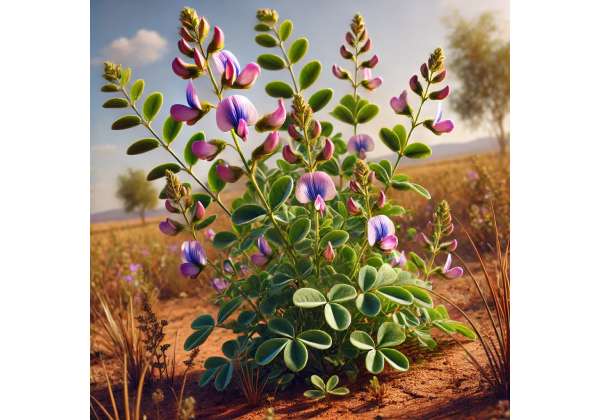
Indigofera tinctoria is a flowering shrub in the legume family, native to parts of Asia and widely associated with the production of natural indigo dye. Historically, people cultivated it for color, trade, and medicine at the same time. That dual identity still shapes how the herb is understood today. Some readers arrive looking for a natural hair dye. Others want a medicinal herb for inflammation, skin problems, or traditional internal use. Both are part of the story, but they are not the same use case.
One of the most important practical distinctions is between the plant itself and processed indigo material. Fresh or dried leaves contain precursor compounds, especially indican, that can later convert into indigo and related pigments during processing. Once fermentation, oxidation, or extraction enters the picture, the chemistry changes. That means a powdered leaf, a cosmetic indigo paste, and a concentrated indigo-rich medicinal preparation are not automatically interchangeable. Many low-quality online articles treat them as though they are the same. They are not.
Traditional use gives Indigo a broad profile. In South Asian and related folk systems, it has been used for skin irritation, scalp problems, inflammatory discomfort, and sometimes internal complaints. Some traditions also connect it with calming irritated tissue and supporting recovery in chronic skin conditions. Yet historical use alone does not tell us which form works best, what the safest dose is, or whether a modern user should swallow it. Those are separate questions.
Another useful way to frame Indigo is by primary lane of use. Today, its clearest real-world lane is topical and cosmetic: hair coloring, scalp applications, and skin-directed preparations. Its secondary lane is medicinal interest, where researchers study anti-inflammatory, antioxidant, immunomodulatory, and tissue-repair effects. Its weakest lane is unsupervised oral self-treatment, because human dose data and safety data are not strong enough to support confident routine use.
That hierarchy matters. It keeps expectations realistic. It also helps prevent one of the biggest mistakes with Indigo: assuming that because it is natural and traditional, it must be gentle in every form. Natural dye plants can still irritate skin, trigger allergy, or behave unpredictably when used internally. A careful reader should therefore think of Indigo as a medicinally interesting plant with its best-supported practical role on the outside of the body, not the inside.
Key compounds and actions
Indigo’s medicinal profile starts with its chemistry, and the chemistry is more nuanced than the familiar blue color suggests. The plant is rich in precursor molecules, pigments, and supporting phytochemicals that can shift depending on whether the material is fresh, dried, extracted, or fermented. That is why the same herb can appear in discussions of hair care, inflammation, skin repair, and experimental pharmacology.
The best-known compound is indican, a natural precursor found in the leaves. When the plant material is processed, indican can be transformed into indigo, the deep blue pigment most people recognize. A closely related compound, indirubin, is especially interesting from a medicinal perspective because it has been studied for anti-inflammatory, anti-proliferative, and signaling effects. Indigo and indirubin are chemically related but not functionally identical in the body, which is one reason Indigo preparations can be hard to standardize.
The plant and its extracts also contain broader phytochemical groups, including:
- Flavonoids, which may contribute antioxidant and inflammation-modulating effects.
- Phenolic compounds, which support free-radical scavenging activity.
- Alkaloid-like indole compounds, especially those discussed in pigment-related medicinal research.
- Terpenoid and related secondary metabolites, which may influence antimicrobial and tissue-response pathways.
What do these compounds actually do in practical terms?
First, they help explain Indigo’s anti-inflammatory potential. Several experimental models suggest that leaf extracts or pigment-rich preparations can reduce inflammatory signaling, oxidative stress, and tissue irritation. That makes the herb especially relevant for skin-directed applications, where inflammation and barrier damage often overlap.
Second, the chemistry supports antioxidant behavior. In topical care, antioxidant activity matters because irritated skin and healing tissue are usually exposed to high oxidative stress. An herb does not need to be a miracle antioxidant to be useful; it only needs to reduce the stress environment enough to support recovery. That modest but realistic framing fits Indigo better than grand claims about anti-aging or detox.
Third, some constituents appear to have antimicrobial or anti-proliferative effects. This is one reason Indigo and indigo-related preparations are discussed in chronic skin conditions, though it is important not to leap from a lab dish to a clinical cure. Many plant compounds inhibit microbes or abnormal cell signaling in vitro. Far fewer produce consistent benefit in people.
The most useful insight here is that Indigo is a chemistry-sensitive herb. Processing changes the profile. A simple leaf powder and a highly pigmented preparation will not behave exactly the same way. Readers familiar with herbal colorants often compare that kind of variability with henna in botanical cosmetic use, where plant form and preparation method also shape the final effect. With Indigo, that preparation gap is even more important because medicinal claims often rest on compounds that become more relevant after the plant is transformed.
What can Indigo help with
The most credible benefits of Indigofera tinctoria are not all equal. Some are grounded in traditional practice and supported by preclinical research. Others are still too early to treat as dependable outcomes. A useful article should separate those layers instead of stacking every positive claim into one inflated list.
The strongest practical case is topical skin support. Indigo leaf extracts and related preparations have shown anti-inflammatory and wound-supporting activity in experimental work. That does not mean the plant is a replacement for standard wound care, but it does mean the herb has a reasonable scientific basis for being explored in skin-directed applications. This fits well with its long-standing use in traditional external remedies for irritated skin, inflamed patches, and scalp issues.
A second plausible benefit is scalp and hair support. Indigo is widely valued as a plant-based colorant, but many users also report practical benefits that go beyond color alone: the hair feels coated, less rough, and more substantial after use. That effect is partly cosmetic, yet it still matters. A preparation that conditions hair while delivering color may reduce the need for harsher synthetic treatments. That is why Indigo often appears in the same conversation as aloe vera for soothing the scalp and skin barrier, even though the two plants work in very different ways.
Third, Indigo shows anti-inflammatory and antioxidant promise beyond the skin. Animal studies suggest the plant may reduce inflammatory markers and oxidative stress in tissues such as the heart. These findings are intriguing because they hint at broader biologic activity rather than a narrow dye-only function. Still, these are experimental findings, not proven therapeutic uses in humans.
Fourth, there is growing interest in immune and cell-signaling effects related to indigo compounds such as indirubin. This area is scientifically interesting because it connects Indigo chemistry with inflammatory cascades, abnormal cell growth, and chronic skin disease models. But this is also the area where overstatement is most common. A compound showing benefit in a lab pathway does not mean a home-prepared Indigo paste or powder will reproduce that effect in the body.
In real life, readers should think about benefits in this order:
- Topical support for skin and scalp.
- Natural botanical coloring with conditioning benefits.
- Experimental anti-inflammatory and antioxidant potential.
- Much more uncertain internal medicinal use.
That ranking keeps the plant in proportion. Indigo may be genuinely useful, especially externally, but it is not a proven all-purpose medicinal herb. The gap between “interesting” and “clinically established” is still wide, and much of the public writing on Indigo ignores that gap.
How Indigo is used
Indigo can be used in several forms, but the safest and most practical forms are usually external. The herb’s reputation for beauty and medicine has created a crowded marketplace of powders, cosmetic blends, hair masks, oils, and occasionally oral formulas. The problem is that the label “Indigo” often hides major differences in composition.
Leaf powder and cosmetic paste
This is the form many people know best. Powdered Indigo leaf is mixed with water or another liquid to create a paste for hair or scalp use. In beauty routines, it is often used after or alongside henna in herbal hair coloring to deepen the color from red-brown toward brown or black. From a medicinal perspective, this same form is also the most intuitive for external scalp application, because it keeps the action local rather than systemic.
Topical extract or cream
Some research uses a prepared extract rather than a household paste. This matters because an extract may concentrate certain compounds more than a simple powder. If a study shows anti-inflammatory or wound-healing effects with a topical extract, that does not automatically mean a casual homemade paste will do the same thing. It may still help, but the comparison is imperfect.
Decoctions and internal folk use
Traditional internal use does exist, especially in older herbal practice. However, this is the area where modern guidance becomes cautious. Internal preparations are less standardized, less studied in humans, and harder to judge for safety. For that reason, oral use belongs on the “clinician-supervised only” side of the line, not in the “easy self-care herb” category.
Practical use principles
A few rules make Indigo use much safer and more rational:
- Choose a product that clearly lists the botanical name.
- Know whether you are buying plain leaf powder or a processed extract.
- Patch test every new external product.
- Do not assume cosmetic-grade powder is appropriate for oral use.
- Avoid mixing Indigo with multiple unknown botanicals the first time you try it.
One original but important point is that Indigo works best when the goal is narrow and clear. It is a better herb for “I want a plant-based topical with color and possible soothing benefits” than for “I want a general daily supplement.” That difference sounds small, but it changes everything about how the herb should be used. A focused topical use can be reasonable. A vague oral wellness routine is much harder to justify.
How much Indigo per day
This is the section where readers deserve the most direct answer: there is no well-established, evidence-based human oral dose for Indigofera tinctoria that is suitable for general self-treatment. That is not a weakness in the article. It is the honest state of the evidence.
Because of that, the best dosage guidance depends on whether the use is topical or oral.
For topical use, the most concrete experimental figure in the literature is a 5% leaf extract applied twice daily in a rat wound-healing model. That is useful as a research reference point, but it is not a ready-made human prescription. In personal use, people more often work with paste strength, thickness, and contact time rather than milligrams per kilogram. A cautious first trial is usually short and limited in area, with contact times on the lower end before any longer cosmetic application is considered.
For oral use, the safer answer is restraint. Since human dosing is not standardized, it is wiser to avoid self-prescribing oral Indigo extracts. This is especially true for concentrated products that do not disclose plant part, extract ratio, or manufacturing method. A capsule with vague labeling may look more professional than a loose powder, but it can actually be harder to evaluate.
A practical approach to timing and duration
- Patch test 24 to 48 hours before a full topical use.
- Start with a small-area application first.
- Use short, purpose-driven trials rather than daily indefinite use.
- Stop if redness, itching, burning, nausea, or unexpected symptoms appear.
What about repeated use
Repeated external use may be reasonable for cosmetic or scalp routines if the product is tolerated well, but medicinal expectations should stay modest. A plant paste applied once or twice a week for hair or scalp care is very different from frequent use on inflamed or damaged skin. The latter calls for more caution because broken skin absorbs substances differently and is easier to irritate.
The biggest dosage mistake
The most common mistake is importing claims from other indigo-related medicines or compounds and assuming they justify oral use of Indigofera tinctoria leaf products. They do not. Related pigments such as indirubin may have fascinating pharmacology, but a household Indigo powder is not the same as a purified or clinically studied compound.
So if the question is, “How much Indigo per day should I take?” the most responsible answer is: for oral use, there is no reliable general dose to recommend; for external use, begin conservatively, patch test first, and keep the goal specific.
Safety, interactions, and who should avoid it
Safety is where Indigo becomes more complicated than its “natural dye” reputation suggests. The plant may be traditional, but that does not make every preparation low-risk. The main safety themes are skin irritation, contact allergy, uncertain oral toxicity, and poor product standardization.
Topically, the most realistic concern is allergic or irritant reaction. Patch-testing studies and safety reviews show that Indigo-containing materials can trigger skin reactions in at least some users. That does not mean everyone will react, but it does mean patch testing is not optional for sensitive skin. This matters even more when Indigo is combined with other plant powders, fragrances, preservatives, or metallic salts.
Orally, the safety picture is weaker. There is not enough dependable human evidence to recommend casual oral supplementation. In fact, case literature includes severe poisoning after therapeutic administration of Indigo to a child. That kind of report does not prove that every form is highly toxic, but it is strong enough to rule out the casual assumption that oral Indigo is harmless because it is “just a plant.” This is one of the clearest reasons children should not be given Indigo remedies outside qualified medical supervision.
People who should avoid self-use
- Pregnant people.
- Breastfeeding people.
- Infants and children.
- Anyone with chronic liver, kidney, or gastrointestinal disease.
- Anyone taking several medicines and considering oral use.
- People with a history of dye allergy, allergic contact dermatitis, or very reactive skin.
Possible interaction issues
No robust interaction map exists for Indigofera tinctoria, which is itself a warning sign. When interaction data are weak, the safest assumption is not that none exist, but that they have not been clarified. Extra caution is sensible with:
- immunomodulating medicines,
- dermatology treatments,
- oral herbs taken for inflammation,
- products used on broken or highly inflamed skin.
Another practical issue is contamination and adulteration. Indigo powders sold for coloring may vary in purity, microbial quality, storage conditions, and additional ingredients. Some products marketed as natural can contain unexpected additives that matter more than the herb itself. If irritation occurs, the culprit may not be Indigo alone.
The bottom line is simple. External use can be reasonable when patch tested and used thoughtfully. Internal use should be treated as a specialist matter. For soothing or barrier support on irritated skin, gentler herbs with a more familiar safety profile, such as calendula for skin healing and inflammation, may sometimes be a more practical first choice.
What the evidence says
The evidence for Indigo is promising, but it is uneven. The strongest research does not support the most aggressive marketing claims. To understand the herb honestly, it helps to divide the evidence into four layers.
1. Traditional use
This is the oldest and broadest layer. Indigo has a long ethnomedicinal history for skin, scalp, inflammatory, and sometimes internal complaints. Traditional use matters because it tells us where the plant has been tested over time in real communities. But it does not settle modern questions about standardized dose, long-term safety, or which preparation works best.
2. Phytochemical and mechanistic research
This layer is strong enough to show that Indigo is biologically active. The plant contains meaningful pigment precursors and secondary compounds, including indirubin-related chemistry and antioxidant constituents that plausibly support anti-inflammatory and tissue-modulating effects. In other words, Indigo is not merely a decorative plant that happens to have folklore around it. Its chemistry supports genuine pharmacologic interest.
3. Animal and preclinical studies
This is where the most visible modern benefit signals appear. Animal studies suggest anti-inflammatory activity, wound support, and possible protective effects in models of aging-related inflammation and cardiac remodeling. These findings are valuable because they show the herb can change measurable biological markers. Still, they do not automatically translate into clinical benefit for people. Many herbs look effective in rats and never become reliable human therapies.
4. Human evidence
This is the thin layer. There is some human information around skin reaction, occupational exposure, and related indigo-containing preparations, but there is no broad, high-quality clinical base proving that Indigofera tinctoria is a dependable oral medicinal herb. That is the most important evidence takeaway in the whole article.
A balanced conclusion would look like this:
- Best-supported practical use: topical and cosmetic use with patch testing.
- Most promising medical direction: anti-inflammatory and skin-directed applications.
- Most uncertain area: routine oral medicinal dosing.
- Biggest research need: standardized human studies using clearly defined preparations.
This is also where Indigo teaches a broader lesson about herbs. Not every plant with exciting compounds is ready for everyday self-treatment. Some herbs are best respected for their narrower, more reliable lane. For Indigo, that lane is still mostly external. That does not make the herb unimportant. It makes the herb specific, and specificity is often a sign of honest herbal guidance.
References
- A review of traditional uses, phytochemistry and pharmacology of the genus Indigofera 2020 (Review)
- Topical application of indigo-plant leaves extract enhances healing of skin lesion in an excision wound model in rats 2022 (Animal Study)
- Comparison between patch test results of natural dyes and standard allergens in batik workers with occupational contact dermatitis 2022 (Human Study)
- Effect of aqueous extract of Indigofera tinctoria (Linn) on aging-induced inflammation and its associated left ventricular hypertrophy and fibrosis in the rat 2023 (Animal Study)
- [Fatal poisoning due to Indigofera] 2012 (Case Report)
Disclaimer
This article is for educational purposes only and is not medical advice. Indigo may irritate the skin, trigger allergy, and has not been studied well enough to support routine oral self-treatment. Do not use it to replace appropriate care for wounds, rashes, chronic skin disease, inflammatory illness, or any serious symptom. Speak with a qualified healthcare professional before using Indigo medicinally, especially if you are pregnant, breastfeeding, treating a child, have chronic disease, or take prescription medicines.
If this article helped you, please share it on Facebook, X, or your preferred platform so more readers can find careful, evidence-aware information on Indigo.