Infective endocarditis is a serious infection of the heart’s inner lining and valves. It happens when germs enter the bloodstream and settle on a valve or nearby tissue, then grow into infected clumps. Because the early signs can feel like a lingering flu, many people do not realize what is happening until the illness becomes intense. The stakes are high: the infection can damage valves, send fragments into the brain or lungs, and strain the heart’s ability to pump. The encouraging part is that outcomes improve when care starts early and is guided by an experienced team. This article explains how infective endocarditis develops, who is most at risk, what symptoms matter, how doctors confirm the diagnosis, what treatment usually involves, and how to reduce the chance of it returning.
Table of Contents
- What it is and why it damages the heart
- How infection starts: causes and risk factors
- Symptoms and complications to take seriously
- How it’s diagnosed: blood cultures and imaging
- Treatment: antibiotics, surgery, and what to expect
- Recovery, prevention, and when to seek urgent care
What it is and why it damages the heart
Infective endocarditis (IE) is an infection that forms on the endocardium— the smooth inner surface of the heart—most often on the heart valves. Many cases begin with bacteria, but fungi and other organisms can also cause it, especially in people with heavy healthcare exposure or weakened immune systems. The core problem is not just “germs in the blood.” The real danger is what happens after microbes attach and build a protected growth on heart tissue.
A helpful way to picture IE is as a two-step process:
- A landing site forms. Valves are normally slick and resistant to infection. But rough surfaces—such as damaged valves, scarred tissue, or man-made material—make it easier for microbes to stick. Even tiny injuries from turbulent blood flow can create a place where platelets and clotting proteins collect.
- Microbes arrive and take hold. Once bacteria are in the bloodstream, they can latch onto that rough spot and multiply. The infection can form a “vegetation,” which is a clump of bacteria, clot, and inflammatory material. Vegetations can erode valve tissue, cause leaks, and break off.
Why the heart suffers in IE:
- Valve destruction and leakage: Infected tissue can tear or deform, leading to regurgitation (backward flow). This can trigger sudden or worsening heart failure.
- Abscesses: Infection can burrow into surrounding heart structures, creating pockets of pus. Abscesses may disrupt the electrical system and cause heart block.
- Emboli: Pieces of vegetation can break away and travel. From the left side of the heart they can reach the brain, kidneys, spleen, or limbs. From the right side they often lodge in the lungs.
- A persistent inflammatory state: Ongoing infection can cause anemia, kidney injury, weight loss, and general decline.
IE is usually described by what is infected and how:
- Native-valve endocarditis: infection on a person’s original valves.
- Prosthetic-valve endocarditis: infection involving a replacement valve (surgical or transcatheter).
- Device-related endocarditis: infection involving pacemaker or defibrillator leads, or other implanted cardiac material.
This distinction matters because infections on artificial material are harder to eradicate and more often require removal or surgery in addition to antibiotics.
How infection starts: causes and risk factors
Most people with infective endocarditis did not “catch it from the air.” IE typically starts when microbes enter the bloodstream and find a surface they can attach to. Understanding common entry points helps people and clinicians prevent repeat episodes.
Common organisms
The likely germ often depends on the source of bloodstream entry:
- Staphylococcus aureus: often linked to skin breaks, IV lines, dialysis access, and injection drug use; tends to cause more aggressive illness.
- Coagulase-negative staphylococci: commonly associated with prosthetic valves and implanted devices because they adhere well to foreign material.
- Viridans group streptococci: associated with the mouth and gums; can be linked to poor oral health or certain dental procedures.
- Enterococcus species: often connected to urinary or gastrointestinal sources, especially in older adults.
- Gram-negative organisms and fungi: less common, but more likely with prolonged hospitalization, immunosuppression, or long-term catheters.
How microbes enter the bloodstream
Frequent pathways include:
- Skin and soft-tissue infections: boils, abscesses, cellulitis, infected wounds.
- Intravascular devices: peripheral IVs, central lines, ports, dialysis catheters, and repeated needle access.
- Injection drug use: direct bloodstream exposure plus skin bacteria.
- Mouth and gums: inflamed, bleeding gums and untreated dental infections can cause repeated low-level bacteremia.
- Urinary tract and gastrointestinal tract: infections, procedures, or underlying disease.
- Respiratory infections: less common as a direct source, but severe infections can increase bloodstream spread.
Who is at higher risk
Risk rises when either the bloodstream entry risk is high or the heart has an “easy landing site.”
Higher-risk heart conditions include:
- Prosthetic heart valves (surgical or transcatheter)
- Prior infective endocarditis
- Certain congenital heart diseases (especially with residual defects or prosthetic material)
- Significant valve disease (for example, degenerative or rheumatic valve damage)
- Cardiac implantable electronic devices (pacemakers/ICDs), especially with revisions or pocket problems
- Left ventricular assist devices (LVADs)
Higher-risk exposure situations include:
- Hemodialysis and chronic kidney disease
- Long-term vascular access or frequent hospitalization
- Diabetes with skin ulcers or poor wound healing
- Immunosuppressive therapy or advanced cancer treatment
- Injection drug use
- Poor oral health and infrequent dental care
A practical insight: IE is often a “risk stack.” A person may have a vulnerable valve plus a temporary trigger—like an infected IV site or untreated dental abscess—that creates the perfect conditions for infection. Prevention focuses on shrinking that stack wherever possible.
Symptoms and complications to take seriously
Infective endocarditis can begin quietly and then turn serious. Some people develop a high fever and feel acutely ill within days. Others have weeks of fatigue and low-grade symptoms before diagnosis. Because delays matter, it helps to know both the common symptoms and the danger signs.
Common symptoms
Many people experience a mix of:
- Fever or chills (sometimes intermittent)
- Night sweats
- Fatigue, weakness, or reduced exercise tolerance
- Shortness of breath (especially if valve function is affected)
- Loss of appetite or unintended weight loss
- Muscle or joint aches
- Headache or general malaise
- New or worsening swelling in the legs (suggesting heart strain)
Symptoms that suggest heart involvement
These clues raise concern that valves or heart structures are being damaged:
- New murmur (often detected by a clinician)
- Rapid worsening of breathlessness, especially when lying flat
- Sudden weight gain and fluid retention
- Chest discomfort, particularly with heart failure symptoms
- Fainting or near-fainting (can signal conduction issues or low blood pressure)
Clues that the infection has traveled
Emboli can cause sudden symptoms depending on where they land:
- Brain: sudden weakness, facial droop, speech difficulty, confusion, vision loss, severe headache.
- Lungs (more common in right-sided IE): sharp chest pain with breathing, coughing, shortness of breath, sometimes coughing up blood.
- Kidneys or spleen: flank or abdominal pain, blood in urine, tenderness under the ribs.
- Limbs: a cold, painful, pale arm or leg with reduced pulse.
Skin and eye findings (less common, but important)
Some classic findings still occur, though not in every case:
- Small pinpoint red or purple spots on skin (petechiae)
- Painful or painless small lesions on fingers or toes
- Small hemorrhages under the nails
- Eye findings that a clinician may detect during an exam
You do not need these signs to have IE. Many confirmed cases have none.
Major complications
Doctors focus on detecting and preventing:
- Heart failure from valve destruction or severe leakage
- Stroke or other embolic events
- Abscess formation around valves or in the heart muscle
- Conduction abnormalities (for example, new heart block)
- Sepsis (a dangerous whole-body response)
- Kidney injury from infection, immune effects, or medication side effects
- Persistent or recurrent bloodstream infection, especially with resistant organisms or implanted material
A helpful rule of thumb: unexplained fever plus a high-risk heart condition (prosthetic valve, prior IE, significant valve disease, certain congenital heart repairs, pacemaker/ICD, LVAD) deserves urgent evaluation—especially if fatigue, breathlessness, neurologic symptoms, or a new infection source is present.
How it’s diagnosed: blood cultures and imaging
Diagnosis works best when clinicians follow a structured approach: confirm infection in the bloodstream, prove (or strongly suspect) involvement of the heart, and check for complications that change treatment urgency.
Blood cultures: the most important first step
Blood cultures identify the organism and guide antibiotic choice. In many situations, clinicians draw multiple sets from separate sites before antibiotics begin. This matters because:
- the organism type strongly predicts complications and best therapy
- antibiotic sensitivities help avoid undertreatment
- repeated positives can show whether infection is clearing
If someone is unstable, clinicians still aim to obtain cultures quickly, but life-saving treatment takes priority.
Why cultures can be negative
“Culture-negative endocarditis” can happen. Common reasons include:
- antibiotics were started before cultures were drawn
- infection is caused by slow-growing or hard-to-detect organisms
- the problem is not IE (for example, a non-infectious clot or inflammatory condition)
When suspicion remains high, teams may order specialized tests, including targeted blood tests or molecular testing on tissue if surgery occurs.
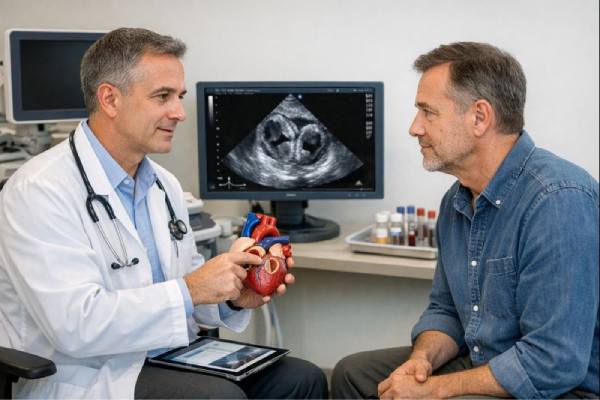
Echocardiography: looking for vegetations and damage
Ultrasound imaging is central:
- Transthoracic echocardiogram (TTE): performed on the chest; quick and noninvasive, but can miss small vegetations.
- Transesophageal echocardiogram (TEE): probe in the esophagus; provides clearer images of valves, prosthetic material, and device leads. TEE is often recommended when risk is high, TTE is unclear, or a prosthetic valve or device is present.
Echocardiography also evaluates the consequences of infection—valve leakage, reduced pumping function, abscess suspicion, and signs of elevated pressures.
Advanced imaging when echo is not enough
When echocardiography cannot clearly confirm infection—especially with prosthetic valves or complex anatomy—clinicians may add:
- cardiac CT to evaluate abscesses or valve complications
- PET/CT or nuclear imaging to detect active infection around prosthetic material
- MRI or CT of the brain, chest, or abdomen when emboli are suspected
Bringing it together: diagnostic criteria and clinical judgment
Clinicians often organize findings using standardized criteria that combine:
- microbiology (blood cultures or specific serology)
- imaging evidence of vegetations or complications
- clinical features (fever, emboli, predisposing conditions)
In real life, the final diagnosis is not just a checklist. It is a risk-based decision: if evidence is strong, treatment begins even while additional testing continues, because waiting can allow valve damage or emboli.
A practical tip for patients: if you are being evaluated for IE, tell every clinician whether you have a prosthetic valve, congenital heart repair with material, pacemaker/ICD, or a history of IE. That information often changes which tests are ordered first.
Treatment: antibiotics, surgery, and what to expect
Treating infective endocarditis usually requires weeks of therapy and close monitoring. Most patients need hospitalization at least early on, because complications can develop quickly and antibiotic choices often require adjustment.
Antibiotics: targeted and long enough to sterilize the valve
Typical treatment involves:
- Rapid start of empiric therapy after blood cultures are drawn when suspicion is high or illness is severe.
- Narrowing therapy once the organism and sensitivities are known.
- A prolonged course, commonly 4–6 weeks of antibiotics, depending on organism, valve type (native vs prosthetic), and complications.
Clinicians monitor closely for both effectiveness and side effects:
- repeat blood cultures until negative
- kidney and liver function tests (some antibiotics can stress these organs)
- blood counts (some drugs affect white cells or platelets)
- hearing or balance assessment for selected medications
- line care to reduce catheter complications
In carefully selected, clinically stable patients, some centers may use a structured “step-down” strategy after an initial IV phase. This decision is individualized and depends on organism, valve type, complications, and the ability to follow up reliably.
When surgery becomes part of treatment
Antibiotics can kill bacteria, but they cannot reverse severe mechanical damage. Surgery is considered when there is:
- Heart failure from valve destruction or severe leakage
- Uncontrolled infection, such as persistent bacteremia despite appropriate antibiotics
- Abscess or invasive complications around the valve
- High-risk embolic profile, especially with large vegetations and repeated emboli
- Prosthetic valve involvement with instability, leakage around the valve, or difficult-to-eradicate organisms
Surgery may include valve repair or replacement and removal of infected tissue. Timing can be urgent when heart failure or uncontrolled infection is present.
Device-related infection: removing infected hardware
If pacemaker or defibrillator systems are infected, complete removal of the system (generator and leads) is often necessary—especially when bloodstream infection or lead vegetations are present. Treating with antibiotics alone while leaving infected hardware in place raises relapse risk. Re-implantation is planned carefully, often after infection control is clear, and sometimes using alternative device approaches when appropriate.
Supportive care that changes outcomes
Infective endocarditis care is more than antibiotics:
- managing heart failure (diuretics, oxygen support, blood pressure support if needed)
- addressing the infection source (draining abscesses, removing infected lines, treating dental or skin sources)
- early involvement of a coordinated team (cardiology, infectious diseases, cardiac surgery, and others as needed)
- planning rehabilitation, nutrition, and safe discharge
A valuable insight: the “best antibiotic” fails if the source is not controlled. Identifying where bacteria entered—skin, line, mouth, urine, or elsewhere—and eliminating that source is a core part of cure.
Recovery, prevention, and when to seek urgent care
Recovery from infective endocarditis continues long after the first negative blood culture. Many people feel better within days of effective therapy, but full recovery can take weeks to months—especially if heart failure, surgery, or embolic complications occurred.
What follow-up usually includes
A strong follow-up plan often covers:
- Clear antibiotic plan and monitoring: end date, lab schedule, and what symptoms should trigger urgent contact.
- Repeat evaluation of heart function: echocardiography may be repeated to assess valve performance and healing, especially if symptoms change.
- Plan for complications: neurologic follow-up after stroke, kidney monitoring if injury occurred, and rehabilitation if strength and endurance dropped.
- Source prevention: addressing the most likely entry points that caused the episode.
If you were treated with a long-term IV line, you may also receive instruction on line care and warning signs of line infection.
Prevention that matters in real life
Prevention is about reducing bloodstream entry and protecting vulnerable valves.
High-yield steps include:
- Oral health: brush gently twice daily, treat bleeding gums, and do not ignore tooth pain or swelling. Chronic gum inflammation creates repeated opportunities for bacteria to enter the blood.
- Skin care: treat boils, infected cuts, and chronic wounds promptly. Keep foot care tight if you have diabetes.
- Line and access vigilance: ask whether each catheter is still needed; keep dialysis access monitored; report redness, pain, or drainage immediately.
- Substance support: if injection drug use is part of your history, harm-reduction care and treatment support reduce recurrence risk and improve survival.
- Medical communication: always tell clinicians you have had IE before or you have a prosthetic valve/device; it changes decision-making during fevers and procedures.
Antibiotics before dental procedures: who may need them
Some patients at highest risk of severe outcomes may be advised to take antibiotics before certain dental procedures that involve gum manipulation or cutting. This is not universal, and it should be decided with a clinician who knows your heart history. Self-prescribing antibiotics can cause harm, including allergic reactions and antibiotic resistance.
When to seek urgent care
Seek emergency care immediately for:
- stroke-like symptoms (face droop, arm weakness, speech or vision changes)
- severe shortness of breath, chest pain, fainting, or signs of shock (cold clammy skin, confusion, very low blood pressure)
- high fever with shaking chills and rapid decline
- new severe back, flank, or abdominal pain with fever (possible embolic complication)
Contact your clinician promptly (same day when possible) for:
- fever lasting more than 48–72 hours without a clear cause if you have a high-risk heart condition
- new or worsening breathlessness, swelling, or rapid weight gain
- recurrence of fatigue and night sweats after recent treatment
- redness, pain, or drainage around any catheter or device site
The most protective habit is early action. Endocarditis is one of those conditions where “waiting to see” can allow preventable damage. When in doubt—especially with a prosthetic valve, prior IE, congenital heart repairs, or an implanted cardiac device—get evaluated.
References
- 2023 ESC Guidelines for the management of endocarditis 2023 (Guideline)
- The 2023 Duke-International Society for Cardiovascular Infectious Diseases Criteria for Infective Endocarditis: Updating the Modified Duke Criteria 2023 (Consensus Criteria)
- Prophylactic antibiotic use for infective endocarditis: a systematic review and meta-analysis 2023 (Systematic Review, Meta-analysis)
- Oral Therapy for Infective Endocarditis: Where Do We Stand? 2025 (Review)
Disclaimer
This article is for educational purposes and does not replace medical advice, diagnosis, or treatment from a qualified clinician. Infective endocarditis can become life-threatening and often requires urgent blood cultures, heart imaging, and prolonged antibiotics, and some patients need heart surgery or removal of infected implanted material. If you have fever plus chest pain, fainting, stroke-like symptoms, severe shortness of breath, confusion, or signs of shock, seek emergency care immediately or contact local emergency services. Treatment choices—including antibiotics, procedure timing, and preventive medications—must be individualized based on your valve status, devices, medical history, allergies, and local resistance patterns.
If you found this article helpful, please share it on Facebook, X (formerly Twitter), or any platform you prefer—and follow us on social media. Your support through sharing helps our team continue producing high-quality, trustworthy health content.