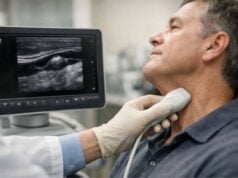
Infective pericarditis is inflammation of the thin sac around the heart caused by an infection. For some people it starts like a stubborn “flu” with chest pain, but for others it escalates quickly into an emergency because fluid builds up and squeezes the heart. The key challenge is that different germs act very differently: a virus may resolve with anti-inflammatory care, while bacteria can fill the sac with pus and require urgent drainage and IV antibiotics. Because symptoms often overlap with heart attack, pneumonia, or reflux, it helps to know the warning signs that point to the pericardium. In this guide, you’ll learn what infective pericarditis is, who is at higher risk, what symptoms matter most, how clinicians confirm the cause, and what treatment and follow-up typically look like.
Table of Contents
- What is infective pericarditis?
- What causes infective pericarditis?
- Who is at higher risk?
- What symptoms and complications to watch
- How doctors diagnose it
- Treatment options and what to expect
- Recovery, prevention, and when to seek care
What is infective pericarditis?
The pericardium is a two-layered sac that lets the heart move smoothly as it beats. A small amount of slippery fluid normally sits between these layers. In infective pericarditis, an infection triggers irritation of the layers and can change both the amount and the character of that fluid.
Two features make this condition important:
- Location: the inflammation is “outside” the heart muscle, but close enough to affect how the heart fills and pumps.
- Fluid behavior: infection can cause effusion (extra fluid). If pressure rises fast, the heart cannot fill properly, which can become cardiac tamponade (dangerous squeezing of the heart).
Clinicians often group pericarditis by likely cause because treatment differs so much:
- Viral pericarditis: often follows a respiratory or stomach virus. Symptoms can be intense, but many cases improve with anti-inflammatory treatment and rest.
- Bacterial (purulent) pericarditis: uncommon, but high risk. The pericardial space may fill with pus, and people can become septic. Drainage is usually as important as antibiotics.
- Tuberculous pericarditis: more common in areas with higher tuberculosis rates and in people with immune suppression. It can develop slowly and is a major cause of constrictive pericarditis worldwide.
- Fungal or parasitic pericarditis: rare, usually in people with severe immune compromise or specific exposures.
A practical way to think about infective pericarditis is this: the symptom “pericarditis” tells you where the problem is; the germ tells you what to do next. That’s why evaluation focuses on both severity (is the heart under pressure?) and etiology (what is causing the infection?).
What causes infective pericarditis?
Infections reach the pericardium through a few common pathways. Knowing these routes helps explain why some people develop pericarditis after a chest infection, a bloodstream infection, or a medical procedure.
1) Spread from a nearby infection
The lungs, pleura, and mediastinum sit close to the pericardium. Pneumonia, lung abscess, or infection after chest surgery can extend into pericardial tissue. This is one reason bacterial pericarditis may accompany severe pneumonia.
2) Bloodstream seeding
Bacteria or fungi traveling in the blood can “seed” the pericardium, especially when immunity is weakened or a person has an indwelling line. Examples include:
- Staphylococcal or streptococcal bloodstream infections
- Gram-negative infections in hospitalized or immunocompromised patients
- Fungal bloodstream infections in people receiving chemotherapy or long-term steroids
3) Direct introduction
Less commonly, infection enters after:
- Penetrating chest trauma
- Cardiac surgery or invasive cardiac procedures
- Esophageal injury (rare but serious because it introduces mouth and gut bacteria)
4) Reactivation or slow infection
Tuberculosis can involve the pericardium via lymphatic spread or from nearby lymph nodes. It may begin subtly with weeks of fatigue, fever, weight loss, and breathlessness, and then present as a large effusion.
Which germs are most common?
That depends heavily on geography, immune status, and setting.
- Viruses: often the most common cause overall in many higher-income settings (even when the exact virus is not identified).
- Bacteria: uncommon but dangerous; classic organisms include staphylococci, streptococci, and organisms associated with pneumonia.
- Tuberculosis: a leading cause in endemic regions and in people with advanced immune suppression.
- Fungi: rare, typically in severely immunocompromised patients.
A key nuance: sometimes the trigger is infectious, but by the time a person is evaluated, the germ is no longer detectable and the inflammation is driving symptoms. This is one reason testing focuses on (a) finding high-risk infections that must not be missed, and (b) identifying complications that change management.
Who is at higher risk?
Anyone can develop infective pericarditis, but risk rises sharply when exposure to serious infections increases or when the immune system is less able to contain them. Risk factors also help clinicians decide who needs hospital-level evaluation versus outpatient care.
Higher risk for bacterial (purulent) pericarditis
This form is rare, but when it occurs it often follows severe infection or a breach in normal barriers. Risk rises with:
- Recent chest infection (especially complicated pneumonia or empyema)
- Recent cardiac or thoracic surgery, including postoperative infections
- Indwelling catheters (central lines) or implanted devices that raise bloodstream-infection risk
- Chronic kidney disease, especially dialysis
- Diabetes and other conditions linked to impaired immune responses
- Alcohol use disorder or poor nutrition, which can lower host defenses
- Hospitalization or ICU stay, where resistant organisms are more common
Higher risk for tuberculous pericarditis
Risk is shaped by exposure and immune status:
- Living in or traveling to regions with higher TB prevalence
- Close contact with someone with active TB
- HIV infection or other immune suppression
- Use of immunosuppressive medicines (for example, after organ transplant)
- Prior TB infection or incomplete treatment history
Higher risk for fungal pericarditis
This is usually a marker of severe immune compromise:
- Neutropenia, chemotherapy, or hematologic malignancy
- Advanced HIV
- Long-term high-dose corticosteroids or multiple immunosuppressants
Clinical “risk flags” that matter even more than a diagnosis label
Regardless of the exact germ, clinicians take a more cautious approach when a person has:
- Fever plus a large effusion
- Low blood pressure, confusion, or signs of sepsis
- Rapidly worsening shortness of breath
- A weakened immune system
- A history suggesting TB or invasive bacterial infection
If you remember one point from this section, let it be this: infective pericarditis becomes more dangerous when the body cannot wall off infection or when fluid accumulates faster than the heart can adapt. Those two factors drive urgent decision-making.
What symptoms and complications to watch
Symptoms can range from uncomfortable to life-threatening. The pattern matters: how the pain behaves, whether fever is present, and whether breathing or circulation is affected.
Common symptoms
- Chest pain that is often sharp or stabbing and may worsen with a deep breath, coughing, or lying flat
- Relief when sitting up and leaning forward (a classic clue, though not always present)
- Shortness of breath, especially when lying down
- Fever or chills, more suggestive of bacterial or TB causes
- Fatigue and body aches, common with viral illness
- Dry cough or a sense of chest “pressure”
Symptoms that suggest worsening fluid or tamponade (emergency signs)
- Marked shortness of breath at rest
- Lightheadedness, fainting, or near-fainting
- Rapid heart rate, cold clammy skin, or new confusion
- Chest discomfort plus a feeling of “air hunger”
- Worsening weakness with low blood pressure
Complications to understand
- Pericardial effusion
Fluid collects between pericardial layers. A slow-growing effusion may cause only mild breathlessness. A fast-growing effusion can cause tamponade even if the fluid amount is not huge. - Cardiac tamponade
This is pressure on the heart that limits filling. It can cause shock. Tamponade risk is higher when effusion forms quickly, such as with bacterial infection or bleeding, and it is a reason clinicians prioritize echocardiography early. - Constrictive pericarditis
Over time, inflammation can lead to scarring and a stiff pericardium, preventing the heart from expanding normally. Tuberculous pericarditis is a classic cause worldwide. Symptoms include progressive swelling, abdominal fullness, and exercise intolerance. - Effusive-constrictive physiology
Some people have both significant fluid and early constriction. They may not improve as expected after drainage alone, which changes follow-up and sometimes treatment strategy. - Sepsis and spread of infection
In purulent pericarditis, the infection itself can be the major threat, not just the effusion. People may require ICU-level care.
A helpful rule of thumb: pain tells you inflammation is present; breathlessness and faintness tell you the heart may be under pressure. If breathlessness is new, severe, or rapidly worsening, that deserves urgent evaluation.
How doctors diagnose it
Diagnosis has two goals: confirm pericarditis and determine whether the cause is a high-risk infection that needs targeted therapy and sometimes urgent drainage.
Step 1: Confirm the syndrome
Clinicians often diagnose acute pericarditis using a combination of:
- Typical chest pain features
- A pericardial friction rub (a scratchy sound on exam, when present)
- ECG changes consistent with pericarditis
- Evidence of effusion on imaging
- Blood tests showing inflammation (often elevated inflammatory markers)
Not every person has every feature. That’s why imaging is so important.
Step 2: Assess for effusion and tamponade risk
- Transthoracic echocardiography is usually the first-line test because it quickly shows effusion size and whether the heart is being compressed.
- If the picture is unclear, or if clinicians suspect pericardial thickening, loculated fluid, or complications, they may add CT or cardiac MRI.
Step 3: Look for an infectious cause and identify the germ when possible
Testing is chosen based on severity and risk profile.
- Blood cultures are often drawn when fever is present, a person looks ill, or bacterial infection is suspected.
- Pericardiocentesis (draining fluid with a needle) can be diagnostic and therapeutic. Fluid may be sent for:
- Cell count and chemistry
- Gram stain and bacterial cultures
- Fungal studies when relevant
- Mycobacterial testing (including TB culture and molecular testing) when TB is a concern
- TB-focused testing may include molecular tests on pericardial fluid, and supportive markers such as adenosine deaminase (ADA), interpreted in context.
Step 4: Risk stratify—who needs admission?
Even before all results return, clinicians decide whether outpatient treatment is safe. Hospital evaluation is more likely when there is:
- Moderate to large effusion
- Any tamponade features
- Persistent high fever
- Immune suppression
- Suspected TB, fungal infection, or purulent bacterial pericarditis
- Failure to improve after initial therapy
A practical insight: in infective pericarditis, the “best” test is the one that changes action quickly. Echo changes immediate management. Fluid studies can change antibiotics and the need for surgery. MRI can guide decisions when symptoms linger or constriction is suspected.
Treatment options and what to expect
Treatment has three parallel tracks: stabilize the patient, treat the infection, and control inflammation safely. The balance differs by cause.
1) When urgent drainage is needed
Drainage is not just symptom relief—it can be lifesaving.
- Cardiac tamponade: urgent pericardiocentesis or surgical drainage is typical.
- Purulent (bacterial) pericarditis: drainage is usually necessary because antibiotics alone often cannot sterilize thick, loculated fluid. Some patients need a surgical pericardial window for ongoing drainage.
2) Antibiotics for bacterial pericarditis
Clinicians often start IV broad-spectrum antibiotics after cultures are obtained, then narrow treatment once the organism is known. Duration is often measured in weeks, guided by:
- Culture results and sensitivities
- Clinical response (fever curve, lab trends)
- Imaging (effusion resolution)
- Whether there is associated infection elsewhere (pneumonia, bloodstream infection)
3) TB-directed therapy for tuberculous pericarditis
Treatment uses a standard multi-drug TB regimen, typically for months, with public health coordination. In selected cases, clinicians consider adjunctive steroids, weighing potential benefits (reducing inflammation and complications) against risks (especially in immunocompromised patients). Follow-up focuses on detecting early constriction or persistent effusion.
4) Antifungals for fungal pericarditis
Because this form usually occurs in severely immunocompromised people, treatment often requires:
- Targeted antifungals based on organism and susceptibility
- Careful monitoring for medication toxicity and interactions
- Aggressive management of effusion and any spread of infection
5) Anti-inflammatory treatment (symptom control with guardrails)
Even when the cause is infectious, inflammation drives pain. Many patients receive:
- An NSAID (or aspirin) for pain and inflammation, if safe for them
- Colchicine in many cases to reduce recurrence risk (common in acute pericarditis management), when not contraindicated
- Gastroprotection when needed, and dosing tailored to kidney function and drug interactions
Corticosteroids require extra caution. They may worsen some infections or prolong viral shedding, and they can increase recurrence risk in some pericarditis patterns. Clinicians reserve them for specific situations (for example, when inflammation is severe and other therapy is not possible, or in carefully selected TB-related scenarios), and they avoid them when an uncontrolled bacterial infection is suspected.
What to expect in the first week
- Pain often improves within days once inflammation is controlled and the right antimicrobial therapy is started (when needed).
- Breathlessness should improve if effusion is shrinking or after drainage.
- Persistent fever, rising inflammatory markers, or worsening breathlessness often prompts repeat imaging and reassessment for loculated fluid, resistant organisms, or missed diagnoses.
Recovery, prevention, and when to seek care
Recovery is not only “feeling better.” The goal is to prevent recurrence, avoid constriction, and make sure the underlying infection is fully treated.
Recovery and follow-up
- Activity restriction: many clinicians advise avoiding strenuous exercise until symptoms resolve and inflammatory markers improve, especially for athletes or physically demanding jobs.
- Planned reassessment: follow-up visits often include symptom review and sometimes repeat echocardiography, especially if the initial effusion was moderate/large or if TB or bacterial infection was suspected.
- Medication completion: finishing the antimicrobial course (when prescribed) matters as much as early improvement. Stopping early can allow relapse.
- Watching for constriction: if swelling of legs/abdomen, increasing fatigue, or breathlessness develop over weeks to months, clinicians consider constrictive physiology and may order advanced imaging.
Prevention: practical steps that actually help
Prevention depends on the pathway by which infection reaches the pericardium.
- Treat chest infections early: seek care for pneumonia symptoms that worsen after a few days, especially with high fever or shortness of breath.
- Catheter and line hygiene: if you have a dialysis access or central line, follow care instructions closely and report redness, drainage, fever, or chills promptly.
- TB risk reduction: in higher-risk settings, screening and early treatment of TB infection can lower the chance of later complications. If you are exposed to TB, ask about testing and follow-up.
- Immune system support: if you take immunosuppressive medication, ask your clinician which infections you should be screened for and what symptoms should trigger urgent contact.
When to seek urgent medical care
Seek emergency evaluation if you have chest pain plus any of the following:
- Fainting, near-fainting, or severe dizziness
- Trouble breathing at rest, bluish lips, or inability to lie flat
- Rapidly worsening weakness, confusion, or low blood pressure
- High fever with a “very sick” feeling, shaking chills, or signs of sepsis
- Known immune suppression with new chest pain or fever
- A known pericardial effusion with worsening symptoms
When to book a prompt (non-emergency) visit
- Chest pain that persists beyond a few days even if mild
- Recurrent episodes of similar pain, especially with fever
- New swelling of legs, abdominal fullness, or unexplained weight gain after a recent pericarditis episode
- Medication side effects (stomach bleeding symptoms, severe diarrhea, rash, jaundice)
A calm, helpful mindset here is: most people recover well when the cause is identified early and complications are monitored. The biggest risks come from delayed recognition of tamponade, undertreated bacterial infection, and missed TB in the right context.
References
- 2025 ESC Guidelines for the management of myocarditis and pericarditis 2025 (Guideline)
- 2025 Concise Clinical Guidance: An ACC Expert Consensus Statement on the Diagnosis and Management of Pericarditis: A Report of the American College of Cardiology Solution Set Oversight Committee 2025 (Guideline)
- Diagnosis, Risk Stratification, and Treatment of Pericarditis: A Review 2024 (Review)
- Tuberculous pericarditis-a silent and challenging disease: A case report 2022 (Clinical Review/Case-Based Review)
Disclaimer
This article is for general educational purposes and does not replace individualized medical care. Infective pericarditis can become an emergency, especially when fluid builds around the heart or when bacterial infection is involved. If you have chest pain, shortness of breath, fainting, a high fever, or you are immunocompromised, seek urgent medical evaluation. Treatment choices (including whether drainage is needed and which medicines are safest) depend on your symptoms, test results, medical history, and local infection risks, and should be made with a qualified clinician.
If you found this article useful, please consider sharing it on Facebook, X (formerly Twitter), or any platform you prefer, and following us on social media. Your support through sharing helps our team keep producing trustworthy, high-quality health content.