Inflammatory vasculitis is a group of conditions where the body’s defense system mistakenly inflames blood vessel walls. When a vessel is irritated and swollen, its inner “tube” can narrow, weaken, or even close off—reducing blood flow to skin, nerves, kidneys, lungs, or other organs. That’s why vasculitis can look different from person to person: one person notices a rash and fatigue, another develops numbness in a foot, and someone else has sudden vision changes that need urgent care.
The encouraging part is that many types of vasculitis respond well to treatment, especially when caught early and monitored closely. This guide explains what inflammatory vasculitis is, why it happens, who is at risk, what symptoms to watch for, how doctors confirm the diagnosis, and how treatment and day-to-day management usually work.
Table of Contents
- What inflammatory vasculitis is and why it matters
- What causes it and who is at risk
- Early symptoms and serious complications
- How doctors diagnose inflammatory vasculitis
- Treatments that control inflammation
- Living well, monitoring, and when to seek help
What inflammatory vasculitis is and why it matters
Vasculitis means inflammation of blood vessels. “Inflammatory vasculitis” is a useful umbrella phrase because the vessel wall becomes inflamed for immune-related reasons, and that inflammation can disrupt blood flow. The two big dangers are:
- Too little blood getting through (narrowing or blockage), which can injure tissues that depend on steady oxygen delivery.
- A weakened vessel wall (ballooning or tearing), which can lead to aneurysms or bleeding in some types.
How doctors group vasculitis
Clinicians often describe vasculitis by vessel size because it predicts symptoms and the best tests:
- Large-vessel vasculitis (aorta and major branches): can cause headaches, jaw pain with chewing, arm claudication (pain with use), or blood pressure differences between arms.
- Medium-vessel vasculitis (arteries supplying organs): can affect the gut, kidneys, heart, or nerves and may cause abdominal pain after meals, high blood pressure, or nerve damage.
- Small-vessel vasculitis (tiny arteries, capillaries, venules): often shows up as skin spots (palpable purpura), sinus/lung issues, or kidney inflammation.
Another important split is primary (vasculitis is the main disease) versus secondary (triggered by something else such as an infection, medication, or another autoimmune condition).
What’s happening inside the vessel wall
Even though the labels vary, the core process is similar: immune cells and proteins activate, stick to vessel linings, and release chemical signals that inflame and damage the wall. In some forms, specific immune markers are common, such as ANCA (anti-neutrophil cytoplasmic antibodies), which can drive certain small-vessel vasculitides. In other forms, immune complexes deposit in vessels like “grains of sand,” provoking inflammation.
Why early recognition changes outcomes
Vasculitis can smolder quietly until enough blood flow is compromised that an organ “complains.” Catching it earlier can mean:
- Lower total steroid exposure (fewer long-term side effects)
- Less permanent organ scarring (especially kidneys and nerves)
- Faster symptom control and fewer hospitalizations
What causes it and who is at risk
Inflammatory vasculitis usually arises from a mix of immune vulnerability plus a trigger. Often, no single cause is found, and that uncertainty can be frustrating. A practical way to think about it is: what factors make the immune system more likely to misfire, and what exposures can set it off?
Common immune patterns behind vasculitis
Different vasculitis types are powered by different immune “routes,” including:
- Autoantibodies (for example, ANCA-associated diseases) that activate white blood cells and injure small vessels.
- Immune-complex deposition, where clusters of antibodies and proteins lodge in vessels and trigger inflammation (often affecting skin and kidneys).
- Granulomatous inflammation, a particular pattern of immune response that can involve larger arteries or the respiratory tract in some conditions.
These patterns matter because they influence which medicines work best and how relapse risk is managed.
Known triggers and associated conditions
Secondary vasculitis is especially important because treating the trigger can be a major part of recovery. Common associations include:
- Infections: chronic viral infections (notably hepatitis B or C in certain settings), bacterial infections, and sometimes post-infectious immune reactions.
- Medications: some antibiotics, anti-thyroid drugs, and other agents can rarely provoke vasculitis; timing (weeks to months after starting) is a clue.
- Autoimmune diseases: rheumatoid arthritis, lupus, and inflammatory bowel disease can be linked with vasculitic inflammation.
- Cancers (less common): certain blood cancers and solid tumors can be associated, particularly when symptoms are atypical or unexplained.
Risk factors that shape who gets it
Risk is not uniform across all types. Still, several themes recur:
- Age: some large-vessel forms cluster in older adults, while other types are more common in midlife.
- Sex: certain vasculitides skew female or male depending on the subtype.
- Genetic background: specific immune-related genes can increase susceptibility, but they usually do not “cause” vasculitis alone.
- Environmental exposures: smoking, silica exposure, and chronic nasal irritation have been linked to higher risk in some small-vessel patterns.
- History of asthma or allergies: can raise suspicion for eosinophil-driven vasculitis when combined with nerve, skin, or lung symptoms.
A useful takeaway
If vasculitis is suspected, clinicians don’t just name a subtype—they also look for an underlying driver (infection, medication, systemic autoimmune disease). That search is not optional: it can change treatment choices, safety precautions, and long-term monitoring.
Early symptoms and serious complications
Vasculitis symptoms often fall into two layers: general inflammation signals and organ-specific clues. Many people first notice something that feels like a stubborn flu that won’t resolve—then a second, more specific symptom appears.
Early, non-specific symptoms
These are common across many types and can precede diagnosis by weeks to months:
- Persistent fatigue and reduced stamina
- Low-grade fevers or night sweats
- Unintentional weight loss
- Muscle aches and joint pain
- New, persistent headaches (especially in older adults)
Because these signs overlap with many conditions, they rarely confirm vasculitis on their own—but they matter when paired with organ clues.
Skin, nerve, and joint clues (often visible or feelable)
Small-vessel involvement often announces itself through the skin:
- Palpable purpura (raised purple-red spots, usually on legs)
- Livedo reticularis (net-like, purplish mottling)
- Painful nodules, ulcers, or areas of blackened skin (more urgent)
Nerve involvement may feel like:
- Numbness, burning, or “electric” pain in feet or hands
- Sudden weakness in a wrist or foot (foot drop)
- Patchy symptoms (one nerve area after another), which is a classic vasculitis pattern
Lung and kidney warning signs
These deserve special attention because damage can escalate quickly:
- Kidneys: foamy urine, blood in urine (sometimes only on testing), swelling in legs/eyelids, rising blood pressure, or a sudden drop in kidney function on labs.
- Lungs: shortness of breath, coughing up blood, chest tightness, or unexplained low oxygen.
When kidneys and lungs are both involved, clinicians move quickly because certain vasculitis types can progress over days.
Large-vessel “red flags” that are time-sensitive
In large-vessel vasculitis, reduced blood flow can cause:
- New headache with scalp tenderness
- Jaw pain with chewing
- Vision changes (blurred vision, double vision, transient loss)
- Arm pain or fatigue with use; dizziness with exertion
Sudden vision symptoms are an emergency because vision loss can become permanent.
Potential complications if inflammation is untreated
Complications depend on the vessels affected, but may include:
- Permanent nerve injury (weakness, chronic pain)
- Kidney scarring or kidney failure
- Stroke or heart complications (in select types)
- Intestinal ischemia (severe abdominal pain, bleeding)
- Aneurysm formation in weakened arteries
A practical rule: new neurologic deficits, coughing blood, severe chest pain, severe abdominal pain, or vision changes should be treated as urgent.
How doctors diagnose inflammatory vasculitis
Diagnosing vasculitis is less like a single test and more like building a case. Clinicians combine symptom patterns, exam findings, labs, imaging, and—when feasible—tissue confirmation. The goal is twofold: confirm vessel inflammation and identify the specific subtype and severity, because treatment intensity depends on risk to organs.
Step 1: Clinical pattern and physical exam
A careful history often reveals a timeline: systemic symptoms first, then organ clues. The exam looks for:
- Skin lesions (distribution matters)
- Blood pressure differences between arms
- Reduced pulses or limb bruits (whooshing sounds)
- Nerve deficits (strength, reflexes, sensation)
- Lung findings (crackles) or signs of fluid overload
Step 2: Blood and urine tests
Common lab tools include:
- Inflammation markers (often elevated, but not always)
- Complete blood count (anemia, high white count, eosinophilia)
- Kidney tests (creatinine, estimated filtration rate)
- Urinalysis (blood/protein; casts can suggest kidney inflammation)
- Autoantibodies when appropriate (for example ANCA, ANA, complement levels)
No single marker proves vasculitis, but certain combinations strongly raise or lower suspicion.
Step 3: Imaging to “see” vessel injury
Imaging choice depends on suspected vessel size and location:
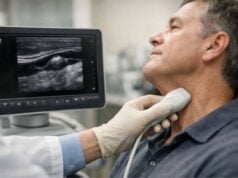
- Ultrasound of temporal arteries (useful in some large-vessel cases)
- CT or MR angiography to map narrowing, wall thickening, or aneurysms
- PET scanning in select settings to detect active vessel inflammation
- Chest imaging when lung symptoms, bleeding, or nodules are suspected
Imaging can also help monitor response over time, especially in large vessels where symptoms can lag behind inflammation.
Step 4: Biopsy when it’s safe and feasible
A biopsy can provide the clearest proof by showing inflammation in or around a vessel. Common biopsy sites include:
- Skin (when rash is present)
- Kidney (when urine/labs suggest active inflammation)
- Temporal artery (in certain headache/vision-risk patterns)
- Nerve or muscle (in select neuropathy presentations)
Biopsy timing matters: treatment may reduce visible inflammation. However, when organ risk is high, treatment usually starts promptly and biopsy is pursued without dangerous delays.
Step 5: Ruling out mimics
Several conditions can look similar, such as infections, blood clots, cholesterol emboli, drug reactions, and certain autoimmune diseases. Doctors actively check for these because treating vasculitis with strong immune suppression can be risky if the real problem is an untreated infection.
Treatments that control inflammation
Treatment is tailored to three questions: Which organs are threatened? How severe is the inflammation? What subtype is most likely? Many plans have two phases: induction (calm inflammation quickly) and maintenance (prevent relapse with safer long-term dosing).
Induction: getting control quickly
For organ-threatening disease, clinicians often use:
- Glucocorticoids (steroids): commonly started at higher doses, then tapered. Because side effects accumulate with time and dose, modern strategies aim for the lowest effective exposure.
- Immune-suppressing partners: chosen based on subtype and severity. Common options include rituximab or cyclophosphamide for severe small-vessel disease, and other agents depending on the pattern.
In select cases, steroid-sparing approaches and targeted therapies are used to reduce long-term harm.
Maintenance: preventing relapse
Once stable, the goal shifts to preventing flare while minimizing toxicity. Maintenance options may include:
- Rituximab at scheduled intervals in some relapse-prone forms
- Azathioprine, methotrexate, or mycophenolate in appropriate situations
- A slow steroid taper, often aiming to discontinue if disease control allows
The “best” maintenance plan is the one that fits the disease pattern and the person’s risks—age, infection history, fertility goals, kidney function, and prior medication tolerance.
Targeted and subtype-specific therapies
Some vasculitis subtypes respond to targeted medications, for example:
- IL-6 inhibition in certain large-vessel patterns to reduce relapse and steroid needs
- Anti–IL-5 therapy in eosinophil-driven disease to help control asthma-like features and reduce flares
- Complement and other pathway-directed options in carefully selected cases, often guided by specialist teams
Supportive care that prevents avoidable harm
Supportive steps are not optional—they reduce complications from both disease and treatment:
- Bone protection strategies when steroids are used (calcium/vitamin D planning, weight-bearing exercise; medication in high-risk patients)
- Vaccination planning before strong immunosuppression when possible
- Infection prevention strategies for higher-risk regimens
- Blood pressure control and kidney-protective measures when kidneys are involved
What to expect after starting therapy
Many people feel systemic symptoms improve within days to a few weeks, but organ healing can take longer. Some damage (especially nerve injury or kidney scarring) may not fully reverse, which is why early treatment matters. Monitoring is frequent at first, then gradually spaced out as the disease stabilizes.
Living well, monitoring, and when to seek help
Living with vasculitis often means living with uncertainty—Will it flare? Are side effects building? The most helpful mindset is proactive: monitor for relapse and medication harm in parallel, and make daily choices that protect the organs most at risk.
Monitoring that actually helps
Monitoring plans differ by subtype, but often include:
- Regular symptom check-ins focused on the person’s prior flare pattern (skin, sinuses, breathing, nerve pain, limb symptoms)
- Periodic labs (blood counts, liver tests, kidney function, urinalysis)
- Blood pressure and weight tracking at home when kidney or steroid issues are relevant
- Imaging follow-up for large-vessel disease or known aneurysms
A useful practical tip: keep a short “flare fingerprint” note in your phone—your earliest personal warning signs, the labs that changed first, and what helped last time.
Reducing infection risk without living in fear
If you’re on immune-suppressing therapy:
- Wash hands consistently and treat dental issues promptly (mouth infections can smolder).
- Ask your clinician which vaccines are recommended and when live vaccines should be avoided.
- Report fevers, painful urination, new cough, or unusual shortness of breath early—don’t wait for a routine appointment.
Daily habits that support recovery
Small, steady habits can reduce medication side effects and protect vessels:
- Movement most days: aim for a mix of walking and 2–3 weekly strength sessions, adjusted for fatigue and nerve symptoms.
- Food choices that reduce cardiovascular strain: emphasize fiber, lean protein, unsalted foods, and adequate hydration; limit excess alcohol and ultra-processed foods.
- Sleep and stress buffering: flares are not “caused” by stress alone, but poor sleep and chronic stress can amplify pain, blood pressure, and fatigue.
Pregnancy, fertility, and family planning considerations
Many people with vasculitis have healthy pregnancies, but timing and medications matter. If pregnancy is a possibility, bring it up early—some drugs must be switched months in advance, and the safest window is usually when disease has been stable for a sustained period.
When to seek urgent care
Get urgent evaluation (emergency services if severe) for:
- Vision loss, double vision, or new severe headache with scalp tenderness
- Coughing blood, severe shortness of breath, or chest pain
- Sudden weakness, facial droop, trouble speaking, or confusion
- Severe abdominal pain, black/bloody stools, or fainting
- Rapidly worsening swelling, very high blood pressure, or dramatically reduced urine output
For less urgent concerns—new rash, returning sinus symptoms, rising fatigue, new numbness—contact your clinician promptly. Early treatment of a flare is usually simpler and safer than catching up later.
References
- EULAR recommendations for the management of ANCA-associated vasculitis: 2022 update 2024 (Guideline). ([PubMed][1])
- 2021 American College of Rheumatology/Vasculitis Foundation Guideline for the Management of Antineutrophil Cytoplasmic Antibody-Associated Vasculitis 2021 (Guideline). ([PubMed][2])
- 2021 American College of Rheumatology/Vasculitis Foundation Guideline for the Management of Giant Cell Arteritis and Takayasu Arteritis 2021 (Guideline). ([PubMed][3])
- Executive summary of the KDIGO 2024 Clinical Practice Guideline for the Management of ANCA-Associated Vasculitis 2024 (Guideline). ([PubMed][4])
Disclaimer
This article is for educational purposes and does not replace medical advice, diagnosis, or treatment from a licensed clinician. Vasculitis can involve critical organs and may require urgent evaluation and specialist care. If you have symptoms such as vision changes, chest pain, severe shortness of breath, coughing blood, stroke-like symptoms, or severe abdominal pain, seek emergency care immediately. For medication decisions—especially steroids or immune-suppressing drugs—work with your healthcare team, since risks and monitoring needs vary by vasculitis type, other conditions, and pregnancy or fertility considerations.
If you found this article helpful, please share it on Facebook, X (formerly Twitter), or any platform you prefer, and follow us on social media. Your support through sharing helps our team keep producing high-quality, trustworthy health content.