An ingrown hair on the scalp sounds simple, but the real picture is often more complicated. A trapped hair can create a tender bump, a small pustule, or an itchy spot that feels like a pimple hiding under the hair. Yet many scalp “ingrown hairs” are not true ingrowns at all. They may be folliculitis, scalp acne, irritation from close clipping, or a more stubborn inflammatory condition that needs a different plan.
That distinction matters because the right treatment depends on what is actually happening inside the follicle. A mild ingrown hair may settle with gentle exfoliation, less friction, and better shaving or clipping habits. A scalp full of painful bumps, crusting, or scars is a different problem. It can threaten comfort, confidence, and sometimes hair growth itself.
This guide explains what scalp ingrown hairs usually look like, why they develop, how to tell them from other scalp bumps, and what prevention steps truly help. It also covers which home treatments are reasonable, which habits make things worse, and when it is time to stop self-treating and get a medical diagnosis.
Quick Summary
- A true ingrown scalp hair usually forms when a cut or curved hair re-enters the skin and triggers a small inflamed bump.
- Close shaving, tight curls, friction, sweat, and picking can all raise the risk of scalp ingrown hairs.
- Many bumps labeled as ingrown hairs are actually folliculitis or another scalp condition, especially if they are painful, widespread, or keep returning.
- Digging hairs out with tweezers or nails can worsen inflammation, infection, and scarring.
- The most effective prevention plan is to reduce very close cutting, limit friction, and use gentle scalp exfoliation only on a controlled schedule.
Table of Contents
- What Scalp Ingrown Hairs Actually Are
- Why They Happen on the Scalp
- How to Tell an Ingrown Hair From Other Scalp Bumps
- Prevention That Actually Helps
- Safe Treatment at Home and at the Doctor
- When the Problem May Threaten Hair Growth
What Scalp Ingrown Hairs Actually Are
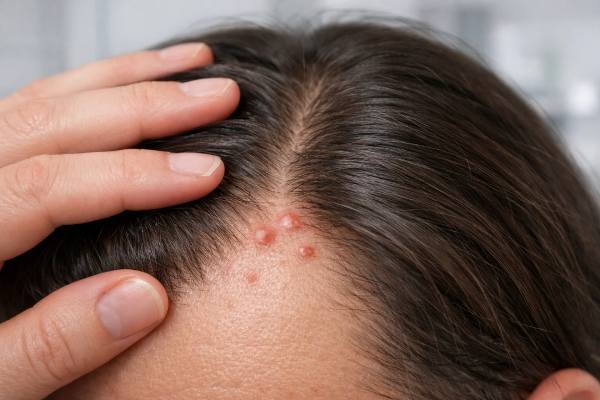
A scalp ingrown hair happens when a hair fails to grow straight out of the follicle opening and instead curls, bends, or gets trapped back into the skin. That trapped hair acts like a tiny foreign body. The surrounding skin responds with redness, swelling, tenderness, itch, or a pimple-like bump. On the scalp, this often shows up as a sore spot you feel before you clearly see it.
True ingrown hairs are usually most likely after the hair has been cut very short, shaved, plucked, or broken near the skin line. A sharp cut end can curve sideways or downward and re-enter the surrounding skin. That process is more common in curly or coarse hair because the hair shaft naturally arcs as it grows. The scalp is not the most classic location for this problem, but it can happen, especially after close clipper cuts, razor shaving, frequent edge-ups, transplant-area shaving, or repeated friction at the back of the head.
One reason this topic gets confusing is that many scalp bumps get called ingrown hairs even when they are not. A single tender papule with a visible trapped hair is one thing. Recurrent clusters of bumps, pus-filled lesions, crusting, and soreness across the occipital scalp are often better described as folliculitis or another inflammatory scalp condition. The article on scalp folliculitis and related bumps is useful here because it helps separate a simple trapped hair from a broader follicle problem.
A typical ingrown hair on the scalp often has several features:
- It is localized rather than spread across the whole scalp.
- It may feel like a tender bump or small pustule.
- Sometimes a looped or trapped hair is visible at the surface.
- It often appears after recent clipping, shaving, or friction.
- It may improve once the hair is released or the trigger stops.
What it usually does not look like is widespread flaky inflammation, diffuse tenderness, or multiple draining nodules. Those patterns suggest that the scalp problem is no longer just one misdirected hair.
It also helps to understand what an ingrown hair is not. It is not the same as normal hair emerging through the scalp. It is not the same as dandruff. It is not simply “dirty pores.” And it is not always the reason for every scalp bump after a haircut. Some bumps come from bacterial folliculitis, yeast-related folliculitis, acne-like eruptions, irritation from products, or chronic inflammatory disorders that happen to center around follicles.
That distinction matters because an ingrown hair is usually self-limited if handled gently. A misdiagnosed inflammatory scalp disease can linger, scar, and affect hair density. The smarter approach is to treat a small isolated bump conservatively, but to reassess quickly if the pattern starts repeating, spreading, or leaving marks behind.
Why They Happen on the Scalp
Ingrown hairs on the scalp are usually the result of several small forces working together rather than one single cause. The first is hair shape. Curly, tightly curled, or coarse hair is more likely to bend back toward the skin after being cut short. A straight hair is more likely to grow outward cleanly. A curved hair has more opportunity to re-enter the skin or become trapped under surface debris.
The second factor is how the hair is removed or cut. Very close shaving with a razor, aggressive clipper fades, repeated lineups, and plucking short hairs create the perfect setup for a sharp hair tip to grow inward. Cutting against the grain, stretching the skin while shaving, and using dull blades can increase the chance even further. This is why scalp ingrown hairs are often seen around shaved heads, the nape, the occipital scalp, and any area that gets clipped extremely close on a regular schedule.
The third factor is occlusion and friction. Sweat, helmets, tight hats, headbands, rough collars, workout caps, and the pressure of lying on the same area can all irritate follicles. Friction does not create an ingrown hair by itself, but it can inflame the follicle opening, increase rubbing, and make it easier for a short hair to get trapped. That is especially relevant at the back of the scalp, where repeated contact is common.
Surface buildup also matters. Oil, dead skin, product residue, and heavy pomades can narrow the follicle opening or create a stickier environment around newly cut hairs. That does not mean the scalp needs harsh scrubbing. In fact, over-cleansing can worsen irritation. But when buildup and occlusion are constant, trapped hairs become more likely.
Other contributors include:
- Picking or scratching at bumps.
- Hair breakage close to the scalp.
- Sweaty environments with repeated friction.
- Inflammation after hair dye or harsh chemical exposure.
- A tendency toward folliculitis or acne-like eruptions.
- Curly regrowth after transplant-area shaving or surgical prep.
One nuance worth knowing is that some scalp ingrown hairs are really the downstream effect of another scalp problem. For example, fungal infection, inflamed folliculitis, or a strong chemical reaction can distort the follicle opening and make trapped hairs more likely. The article on chemical burns from hair products is especially relevant when bumps start after a relaxer, bleach, color, or scalp-active treatment, because irritation can quickly be mistaken for “just ingrowns.”
People also differ in how easily they develop the problem. Hair texture, grooming routine, scalp oiliness, sweating pattern, and skin sensitivity all influence risk. That is why one person can keep a shaved scalp for years without trouble while another develops tender bumps after every close cut.
The practical takeaway is that scalp ingrown hairs are usually a mechanics problem plus an irritation problem. The hair has to be cut or positioned in a way that allows re-entry, and the skin environment has to make that re-entry easier. Prevention works best when it addresses both sides of that equation.
How to Tell an Ingrown Hair From Other Scalp Bumps
One of the most useful steps in treating scalp bumps is recognizing when a bump is probably a simple ingrown hair and when it is something else. On the scalp, that line matters because the mimics are common. Many people assume every tender follicle after a haircut is an ingrown hair, but the scalp has a long differential diagnosis.
A likely ingrown hair is usually small, localized, and tied to a trigger such as shaving, clipping, or friction. It may have a visible looped hair under the skin or a small central hair trapped in the bump. It often feels tender rather than deeply painful. The surrounding scalp usually looks fairly normal. In many cases, the bump settles once the area is left alone and the hair grows out.
Folliculitis looks similar at first, but it often involves more than one follicle. Instead of a single trapped hair, you may see clusters of red papules or pustules, itch, crusting, or recurring bumps across the same region. The back of the scalp is a common site. The article on scalp acne and acne-like bumps can help here because acneiform scalp eruptions and folliculitis are often confused with ingrown hairs, especially when the lesions are small and hidden under hair.
There are several clues that the bump may not be a simple ingrown hair:
- The bumps are spreading or arriving in crops.
- Pus, crusting, or drainage keeps recurring.
- The area feels hot, swollen, or deeply painful.
- Hair in the region seems to be thinning.
- Scars, dark marks, or firm plaques are starting to form.
- The problem is concentrated at the nape and keeps flaring after close cuts.
That last pattern raises more concern for acne keloidalis nuchae, a chronic inflammatory condition that often begins as small follicular papules on the occipital scalp or upper neck. Early on, it can look deceptively similar to “razor bumps.” Over time, it can scar. Likewise, painful pustules with crusting or tufted hairs can suggest folliculitis decalvans rather than ordinary ingrowns. Tender nodules and draining tracts suggest even more severe follicular inflammation.
The scalp can also produce bumps from contact dermatitis, psoriasis, seborrheic dermatitis, cysts, boils, and fungal infection. Children with inflamed tinea capitis may develop kerion, which can create swollen, painful areas that are not at all the same as a simple ingrown hair. This is why duration and pattern matter so much. A one-off bump after a haircut is not the same as a months-long cycle of recurrent lesions.
A good self-check uses four questions:
- Is this one bump or many?
- Did it follow shaving, clipping, or friction?
- Is there visible pus, crust, scarring, or hair loss?
- Does it keep coming back in the same area?
If the answer points toward repeated or spreading disease, the scalp needs a diagnosis, not just spot treatment. A true ingrown hair can be annoying. A chronic follicular disorder can change hair growth if it keeps smoldering untreated.
Prevention That Actually Helps
Preventing scalp ingrown hairs is less about one miracle product and more about changing the conditions that trap hairs in the first place. The goal is to let hair exit the follicle cleanly, keep the scalp opening clear without over-irritating it, and reduce the friction that turns a minor bump into a prolonged flare.
The first prevention step is to rethink how closely the scalp is cut. If ingrown hairs keep happening after very short clipper settings or razor shaving, the easiest fix is often to leave a little more length. Even a small increase in guard length can reduce the chance that a sharp cut hair tip will re-enter the skin. Cutting with the grain rather than against it also helps. So does avoiding repeated passes over the same area.
The second step is to avoid trauma before and after cutting. Dry shaving, dull blades, excessive pressure, and frequent touch-ups all increase irritation. If the scalp is already bumpy or inflamed, cutting over active lesions usually makes the cycle worse. Many people do better when they space cuts slightly farther apart and stop trying to maintain an ultra-close finish at the nape.
The third step is smart exfoliation. A little exfoliation can help reduce dead skin and follicular plugging, but too much can strip the scalp barrier and trigger more redness. This is where gentle, controlled use matters. The guide on scalp exfoliation without irritation is helpful because prevention works best when exfoliation is measured, not aggressive.
Useful prevention habits include:
- Avoid razor-close shaving if bumps are a recurring pattern.
- Use sharp, clean tools and do not share clippers.
- Cut in the direction of growth when possible.
- Reduce tight hats or helmets when the scalp is actively irritated.
- Wash sweat and heavy product buildup off the scalp promptly.
- Do not pick, squeeze, or scratch bumps.
- Keep pillowcases, hats, and clipper guards clean.
Certain products can help, but only if they match the problem. For people prone to clogged follicles, a gentle wash routine and occasional keratolytic ingredients may help. For people prone to irritation, simpler and less fragranced routines are often better. Prevention does not mean layering multiple acids, oils, and serums at once. That strategy often replaces ingrown hairs with irritated scalp dermatitis.
It is also worth identifying your main trigger category. Some people flare after haircuts. Others flare after sweat and occlusion. Others mainly worsen when they pick at tiny bumps and create deeper inflammation. Prevention becomes much more effective once the trigger pattern is clear.
A final point: if the scalp bumps are not actually ingrown hairs, preventive shaving advice alone will not solve them. Recurring pustules, pain, or scarring at the back of the scalp should push the conversation beyond grooming technique. Prevention is strongest when it matches the true diagnosis, not just the name the problem was given at first glance.
Safe Treatment at Home and at the Doctor
Most isolated scalp ingrown hairs can be treated conservatively at first. The main goals are to calm inflammation, prevent infection, and stop the cycle of squeezing and re-injury. The most common mistake is trying to “dig out” the hair with fingernails, tweezers, pins, or aggressive scraping. That can push bacteria deeper, tear the follicle opening, and increase the risk of scarring.
A safer home approach starts with warm compresses. A warm, not hot, compress for several minutes can soften the surface and reduce tenderness. Gentle cleansing helps keep sweat, oil, and residue from building up around the bump. If the area is very inflamed after close shaving or clipping, leaving it alone for a few days is often more useful than applying multiple active products at once.
Reasonable home measures may include:
- Warm compresses once or twice daily.
- Gentle cleansing after sweat or heavy product use.
- Avoiding close clipping until the area settles.
- Avoiding picking, squeezing, or repeated rubbing.
- Careful use of a mild exfoliating or anti-buildup product if the scalp tolerates it.
What should be avoided? Harsh scalp scrubs, repeated manual extraction, heavy occlusive pomades over inflamed bumps, and strong actives applied to broken skin. A scalp brush can feel satisfying in the moment but may worsen inflamed follicles if used too aggressively. If breakage is also part of the problem, the article on breakage versus true hair loss may help clarify whether the issue is the follicle, the hair shaft, or both.
Medical treatment becomes more relevant when bumps are painful, pus-filled, recurrent, or leaving marks. At that point, the diagnosis may be folliculitis, acne keloidalis nuchae, or another inflammatory condition rather than a simple ingrown hair. Depending on the pattern, a clinician may recommend topical antibiotics, benzoyl peroxide-style washes, keratolytic treatments, corticosteroid injections for selected lesions, oral antibiotics, antifungal therapy, or treatment aimed at a scarring disorder.
Sometimes the most important treatment is not a medication but a grooming change. If every fresh fade leads to the same occipital bumps, the haircut routine is part of the treatment plan. If every flare begins after a helmet-heavy week, friction control becomes therapeutic. If repeated picking is driving inflammation, behavior change matters as much as any prescription.
In-office treatment may also involve confirming the diagnosis through dermoscopy, culture, or occasionally biopsy when the scalp pattern is unusual or not responding. That is especially important when hair density seems affected.
A good rule is this: treat one small isolated bump gently and patiently. Treat repeated scalp “ingrowns” as a diagnosis problem until proven otherwise. That mindset prevents the two biggest errors in this area: over-treating a minor lesion and under-treating a chronic scalp disease.
When the Problem May Threaten Hair Growth
A simple ingrown hair usually does not cause meaningful hair loss. It creates a temporary inflammatory bump around one follicle, then settles as the hair grows out or the irritation resolves. The danger rises when the “ingrown hairs” are chronic, deeper, more inflamed, or part of a scarring follicular disorder.
The clearest warning signs are repetition and aftermath. If bumps keep returning in the same region, especially the back of the scalp, and are followed by dark spots, smooth shiny skin, firm plaques, or visibly thinner hair, the risk profile changes. That pattern suggests that the follicle is not just irritated for a few days. It is being repeatedly injured.
This matters because some scalp disorders begin with symptoms that sound minor. Early acne keloidalis nuchae may start as small papules that people describe as razor bumps. Folliculitis decalvans may begin with tender pustules and crusts that seem like infected ingrowns. Dissecting cellulitis can start with painful bumps before it progresses to nodules and drainage. In these situations, waiting too long can mean more permanent follicle damage.
You should seek prompt professional evaluation when:
- Bumps are painful, spreading, or draining.
- The same area repeatedly flares after haircuts.
- Scars, thickened plaques, or shiny patches are appearing.
- Hair in the affected region is thinning.
- You see tufted hairs, crusting, or bleeding.
- Home care has not improved things after a couple of weeks.
- The scalp also burns, itches intensely, or feels tender between lesions.
If hair thinning is part of the picture, the article on when hair loss needs dermatologist evaluation is relevant because scalp bumps plus reduced density deserve faster attention than either symptom alone.
A medical visit may include a careful scalp exam, magnified inspection, bacterial or fungal testing when appropriate, and discussion of haircut habits, friction, sweating, products, and timing. Some people are surprised that the answer is not simply “stop picking.” Others are surprised that the answer really is “stop clipping this area so closely.” Both outcomes are possible, which is why diagnosis matters.
The reassuring side of this topic is that many cases are manageable once the true trigger is identified. The cautionary side is that the scalp is not an area where repeated inflammation should be ignored for months. A small isolated ingrown hair is common and usually low risk. Recurrent inflamed scalp bumps are a different category.
The best way to protect hair growth is to intervene before the scalp starts laying down a record of repeated damage. In practical terms, that means not normalizing pain, pus, or scarring under the label of “just ingrown hairs” when the pattern has already outgrown that explanation.
References
- Folliculitis – StatPearls – NCBI Bookshelf 2023
- Acne Keloidalis Nuchae – StatPearls – NCBI Bookshelf 2023
- Differential diagnosis of posterior scalp hair loss 2024 (Review)
- The role of ingrown hairs in persistent kerion of children: A clinical study 2025 (Clinical Study)
- Pseudofolliculitis barbae; current treatment options 2019 (Review)
Disclaimer
This article is for educational purposes only and is not a substitute for personal medical care. Scalp bumps that look like ingrown hairs can also be folliculitis, fungal infection, contact reactions, or scarring inflammatory scalp disease. Seek medical evaluation for painful, draining, spreading, or scarring lesions, or for bumps that keep returning in the same area or seem to reduce hair density.
If this article helped, please share it on Facebook, X, or another platform your readers use most.