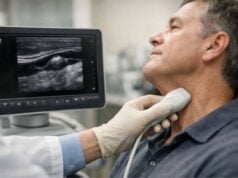
Intracranial arterial dissection happens when a small tear forms inside an artery within the skull, allowing blood to track into the vessel wall and narrow or weaken the channel that carries blood to the brain. “Dissection” means a tear that splits vessel layers. Some dissections mainly reduce blood flow and trigger stroke-like symptoms; others form a fragile bulge that can bleed. Because the brain depends on steady circulation, the right response is both urgent and careful: treat dangerous symptoms fast, then tailor prevention to the dissection’s location, appearance, and behavior over time. This guide explains what intracranial dissections are, why they occur, how they feel, how clinicians confirm the diagnosis, and what treatment and long-term management usually involve—so you can recognize red flags and understand the logic behind common care plans.
Table of Contents
- What intracranial arterial dissection means
- Why dissections happen and who’s at risk
- Symptoms, warning signs, and complications
- How doctors confirm the diagnosis
- Treatment options from meds to procedures
- Recovery, prevention, and when to seek help
What intracranial arterial dissection means
An intracranial arterial dissection is a defect in the wall of an artery located inside the skull—most often affecting arteries in the back of the brain’s circulation (vertebral or basilar), but it can occur in other intracranial vessels too. The artery wall is built like a layered tube. When a tear forms in the inner lining, blood can enter between layers and create an intramural hematoma (a pocket of blood within the wall). That pocket can do two different kinds of harm:
- Narrow the inner channel (stenosis) or block it, reducing blood flow to brain tissue and causing an ischemic stroke or transient ischemic attack (TIA).
- Weaken and balloon the wall outward, forming a dissecting aneurysm (a dissection-related bulge). If that bulge ruptures, it can cause bleeding around the brain, most classically subarachnoid hemorrhage (SAH).
Why intracranial dissections behave differently
Dissections inside the skull often act differently from dissections in the neck because intracranial arteries have less supportive outer tissue. That matters because a weakened wall may be more prone to forming an unstable bulge or bleeding. It also influences treatment choices: clinicians weigh the risk of clot-related stroke against the risk of hemorrhage, and that balance can change depending on imaging findings and symptoms.
Common patterns clinicians look for
Imaging may show signs such as a “double lumen,” an intimal flap, a tapered narrowing, or a segment that alternates between narrowing and dilation (“pearl-and-string” appearance). Some dissections are discovered after a clear event (sudden headache, neurological deficit), while others are found incidentally during scans for unrelated reasons.
A practical way to think about this condition is as a problem with the artery wall, not just the blood flowing through it. Early on, the key questions are: Is the dissection causing reduced blood flow? Is there a fragile dilation that could bleed? Is the lesion stable or changing over days to weeks? Those answers guide everything that follows.
Why dissections happen and who’s at risk
Intracranial arterial dissections can be spontaneous or triggered by a stressor. Often, there is no single obvious cause—more like a “perfect storm” where a vulnerable vessel meets mechanical strain or a temporary change in blood pressure. Understanding risk factors is useful because it shapes prevention and helps clinicians decide whether to screen for underlying conditions.
How a dissection starts
Most dissections begin with a small injury to the inner lining of the artery. Blood enters the wall and forms an intramural hematoma. If that hematoma pushes inward, the channel narrows and clots may form on the irregular surface. If it pushes outward, the wall can bulge, sometimes forming a dissecting aneurysm.
Common triggers and associations
While many people have no clear trigger, clinicians often ask about:
- Recent head or neck trauma, including minor trauma (falls, sports collisions).
- Sudden neck or head movement or intense exertion (heavy lifting, high-intensity training). A single movement is rarely the sole cause, but it can be a contributing factor.
- Severe blood pressure surges, such as during uncontrolled hypertension or stimulant use.
- Recent infection or inflammation, which may temporarily affect vessel integrity in some people.
- Migraine history, which is sometimes reported in dissection populations, though it does not prove cause-and-effect.
Underlying risk factors that matter
Some risks are about the vessel wall itself:
- High blood pressure (chronic or poorly controlled).
- Connective tissue disorders (for example, conditions that affect collagen or elastic tissue). These are uncommon, but they become more relevant if someone has dissections in multiple vessels, unusual bruising, very flexible joints, or a family history of vascular events at young ages.
- Fibromuscular dysplasia is better known for neck arteries, but broader vascular vulnerability can coexist.
- Smoking, diabetes, and high cholesterol don’t “cause” dissections the way they cause atherosclerosis, but they can worsen overall vascular health and complicate recovery.
Who is most affected
Intracranial dissections can occur at any age. They are often discussed in the context of younger or middle-aged adults because dissection is a notable stroke cause in people without typical atherosclerosis. Still, older adults can be affected, especially when hypertension and other vascular risks are present.
A useful prevention mindset is: you can’t change your vessel’s baseline architecture, but you can reduce avoidable strain (blood pressure spikes, smoking, stimulant exposure) and respond quickly if symptoms appear.
Symptoms, warning signs, and complications
Symptoms depend on which artery is involved and whether the main threat is reduced blood flow, bleeding, or pressure on nearby structures. Some signs are dramatic and sudden; others are subtle and easy to dismiss. Because delays can be dangerous, it helps to separate “call emergency services now” symptoms from “seek urgent evaluation” symptoms.
Symptoms from reduced blood flow (ischemia)
When the dissection narrows or blocks an artery, symptoms reflect the brain area losing blood supply. These can start abruptly or fluctuate:
- Sudden weakness or numbness of the face, arm, or leg (often on one side).
- Trouble speaking, slurred speech, or difficulty understanding words.
- Loss of coordination, clumsiness, vertigo, or trouble walking.
- Double vision, visual field loss, or sudden severe imbalance.
- Sudden confusion or severe headache with neurological symptoms.
Back-of-the-brain dissections (vertebral/basilar circulation) often cause dizziness, double vision, swallowing difficulty, hoarseness, or severe imbalance—symptoms that are sometimes mistaken for an inner ear problem.
Symptoms from bleeding (subarachnoid hemorrhage)
If a dissecting aneurysm ruptures, the hallmark symptom is often:
- A sudden “worst headache of my life” that peaks within seconds to a minute.
Other possible features include neck stiffness, vomiting, collapse, seizure, extreme sleepiness, or confusion. Any thunderclap headache—especially with vomiting, fainting, or neurological symptoms—should be treated as an emergency.
Headache or neck pain alone
Some dissections cause headache as the main symptom, sometimes around the back of the head or behind one eye. The pain may be persistent and unusual for the person. While headache alone has many benign causes, a new, severe, or atypical headache—especially with risk factors or neurological symptoms—deserves urgent assessment.
Potential complications
Key complications clinicians monitor for include:
- Ischemic stroke (from narrowing, clot formation, or artery-to-artery emboli).
- Recurrent or progressive narrowing that worsens symptoms.
- Dissecting aneurysm growth and risk of rupture.
- Rebleeding after hemorrhage, particularly early if the lesion is unsecured.
- Hydrocephalus or vasospasm after subarachnoid hemorrhage (complications related to bleeding around the brain).
Because symptoms can evolve, clinicians often repeat imaging during the first weeks. The goal is to catch “dynamic” behavior early—growth, new dilation, or worsening stenosis—when intervention is most helpful.
How doctors confirm the diagnosis
Diagnosis is a combination of symptom pattern, neurological examination, and imaging that looks at both the artery channel and the artery wall. Since other conditions can mimic dissection (clot from the heart, vasculitis, reversible vessel spasm syndromes, atherosclerotic plaque), clinicians try to confirm specific dissection features rather than relying on symptoms alone.
First-line imaging in urgent settings
In an emergency evaluation for stroke-like symptoms or thunderclap headache, common first steps include:
- CT head to look for bleeding.
- CT angiography (CTA) to evaluate intracranial arteries quickly for narrowing, occlusion, or aneurysmal dilation.
CTA is widely available and fast, which matters when treatment decisions must be made within minutes to hours.
MRI and vessel wall imaging
MRI can show brain injury from stroke and can also help characterize the dissection:
- MRI brain checks for acute ischemic lesions and their pattern.
- MR angiography (MRA) assesses vessel shape and flow.
- High-resolution vessel wall MRI (when available) can visualize an intramural hematoma or an intimal flap more directly. This can be especially helpful when the lumen findings are ambiguous.
Digital subtraction angiography (DSA)
DSA is an invasive catheter-based test that provides very detailed vessel images and can sometimes clarify uncertain cases. It is often used when:
- Noninvasive imaging is inconclusive but suspicion remains high.
- Clinicians are planning an endovascular procedure and need precise anatomy.
- The dissection appears complex, progressive, or high-risk.
Other evaluations that shape the plan
Even when dissection is confirmed, clinicians often evaluate:
- Blood pressure profile and cardiovascular risk factors.
- Cardiac sources of emboli if the stroke pattern suggests it.
- Connective tissue or genetic causes when dissections are recurrent, multifocal, or occur at a young age with suggestive physical features.
A key point: diagnosis is not only “yes or no.” It also asks: Is it stable? Is there a dissecting aneurysm? Is there hemorrhage? Those details determine whether treatment focuses on antithrombotic therapy, observation with repeat scans, urgent repair, or a combination.
Treatment options from meds to procedures
Treatment depends on presentation: ischemic symptoms, hemorrhage, or a high-risk lesion seen on imaging. Because intracranial dissections can both clot and bleed, clinicians tailor therapy to the dominant risk and adjust as the artery heals or evolves.
Emergency treatment for stroke symptoms
If someone presents with an acute ischemic stroke, clinicians evaluate standard stroke treatments:
- Clot-busting medication (thrombolysis) may be considered within the standard time window if the patient meets usual eligibility criteria and no bleeding is present.
- Mechanical thrombectomy may be considered if there is a large-vessel occlusion that is reachable and the patient fits standard criteria.
In dissection-related stroke, these decisions are individualized. The team weighs the benefits of restoring blood flow against bleeding risk and the anatomy of the dissection.
Antithrombotic therapy for ischemic presentations
To reduce recurrent stroke risk, clinicians often use:
- Antiplatelet therapy (commonly aspirin or similar medications), or
- Anticoagulation (blood thinners that reduce clot formation through a different pathway),
depending on imaging features, symptom severity, and hemorrhage risk. Some intracranial dissections—especially those with aneurysmal dilation or signs that suggest fragility—push clinicians away from stronger anticoagulation because bleeding risk becomes a priority. In other scenarios (for example, recurrent ischemic events despite antiplatelet therapy), anticoagulation may be considered.
Typical duration is often weeks to a few months, followed by reassessment and repeat imaging, but the exact timeline varies based on healing and risk profile.
When procedures are needed
Endovascular or surgical treatment is more likely when there is:
- Subarachnoid hemorrhage from a dissecting aneurysm (often treated urgently to prevent rebleeding).
- A growing dissecting aneurysm or a lesion that enlarges on follow-up imaging.
- Progressive narrowing or repeated ischemic events despite medical therapy.
- Mass effect (pressure on brainstem or cranial nerves), which is uncommon but serious.
Procedures vary by anatomy and collateral blood flow. Options can include parent artery occlusion (when other vessels can supply the territory), stent-based reconstruction, or flow-diverting devices in selected cases. The choice is highly specialized and depends on whether the artery segment can be safely sacrificed or must be preserved.
Follow-up as part of treatment
Because dissections can change over time, follow-up imaging is not an afterthought—it is a core part of treatment. A stable or improving artery may allow simplification of therapy; a changing lesion may trigger escalation.
Recovery, prevention, and when to seek help
Recovery after intracranial arterial dissection is not just about “getting through the acute event.” It is about preventing recurrence, supporting brain recovery if a stroke occurred, and reducing the chance of late complications from an evolving vessel lesion.
What recovery commonly looks like
Many dissections stabilize over weeks to months. If the main event was a small ischemic stroke, recovery often depends on the brain area involved and how quickly treatment began. Improvement can continue for months with rehabilitation. If the presentation involved subarachnoid hemorrhage, recovery can be longer and more variable because complications like vasospasm, hydrocephalus, fatigue, and cognitive slowing may occur.
Common recovery goals include:
- Rebuilding strength, balance, speech, or swallowing through therapy.
- Managing headaches with a plan that avoids unsafe medications when bleeding risk is relevant.
- Returning to work and driving with medical clearance and a gradual ramp-up.
Reducing risk day to day
These steps are practical and often recommended:
- Control blood pressure consistently. For many people, that means home readings several times per week until stable, then periodic checks.
- Avoid smoking and nicotine exposure.
- Limit stimulants (including non-prescribed stimulants) and discuss ADHD medications or decongestants with a clinician if you have vascular vulnerability.
- Use exercise wisely: walking, cycling, and moderate aerobic activity are often encouraged during recovery, while heavy straining and maximal lifts may be restricted early. Your clinician may give a time-limited “no heavy lifting” rule and then reintroduce gradually after follow-up imaging.
- Sleep and stress regulation: poor sleep and high stress can worsen blood pressure control and headache disorders.
Follow-up imaging and appointments
Your care team may schedule repeat CTA or MRA to confirm stability, healing, or resolution of aneurysmal dilation. If the dissection was treated with a stent or another device, follow-up is usually more structured, with specific timelines and medication plans.
When to seek urgent or emergency care
Call emergency services immediately for:
- Sudden one-sided weakness, face droop, speech trouble, severe imbalance, or vision loss.
- Thunderclap headache (instant peak intensity), especially with vomiting, fainting, seizure, or confusion.
Seek urgent medical evaluation for:
- A new, unusual headache that is severe or persistent, especially if you have a history of dissection.
- New neurological symptoms that come and go, even if they resolve.
The most protective habit is simple: treat sudden neurological changes and thunderclap headaches as time-sensitive emergencies. Fast evaluation saves brain tissue and can prevent catastrophic bleeding when a high-risk lesion is present.
References
- ESO guideline for the management of extracranial and intracranial artery dissection 2021 (Guideline)
- Cervical and intracranial artery dissections 2021 (Review)
- Comparison of outcomes between anticoagulation and antiplatelet therapies for intracranial arterial dissections 2024 (Observational Study)
- Difficulty and prospects of endovascular treatment for spontaneous intracranial artery dissection 2025 (Review)
Disclaimer
This article is for general education and does not replace medical care. Intracranial arterial dissection can cause stroke or brain bleeding and may require urgent evaluation and treatment. If you have sudden neurological symptoms (weakness, speech or vision changes, severe imbalance) or a sudden “worst headache,” seek emergency care immediately. Treatment choices depend on imaging findings, symptoms, and personal risk factors, so decisions should be made with a qualified clinician who can review your case and scans.
If you found this article helpful, please consider sharing it on Facebook, X (formerly Twitter), or any platform you prefer, and follow us on social media. Your support through sharing helps our team keep producing reliable health content.