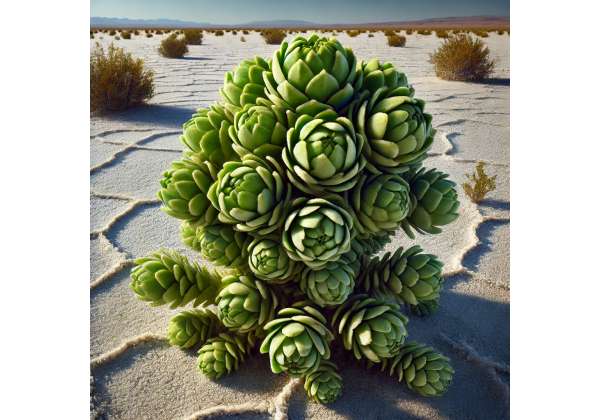
Iodine Bush, or Allenrolfea occidentalis, is one of those plants whose common name can easily create the wrong expectation. It is a salt-loving desert shrub native to the American Southwest and northern Mexico, not a standard medicinal iodine supplement and not a well-studied thyroid herb. Traditionally, it has been more important as a hardy halophyte and occasional food plant than as a mainstream remedy. Indigenous communities documented its seeds as a grain-like food for bread, porridge, and beverages, while modern plant science has focused more on its extreme salt tolerance, seed oil, and ecological value than on clinical medicine.
That does not make the plant uninteresting. In fact, Iodine Bush offers a useful lesson in how “health benefits” are sometimes nutritional, cultural, and ecological rather than strongly pharmaceutical. Its seeds have food potential, its tissues accumulate salts and minerals, and its survival in harsh alkaline soils has drawn attention from researchers interested in saline agriculture. Still, direct medicinal evidence in humans is very limited. The sections below explain what this plant is, what it contains, what benefits are realistic, how it has been used, and why safety and dosage require extra caution.
Fast Facts
- Iodine Bush is best understood as a traditional saline-land food plant, not a proven medicinal herb.
- Its main practical value lies in small edible seeds, possible seed oil use, and survival-food potential in harsh habitats.
- If your goal is iodine, adults generally need about 150 mcg per day from validated foods or supplements, not from Iodine Bush.
- People with thyroid disease, kidney disease, uncontrolled blood pressure, or pregnancy-related nutrition needs should avoid treating it as an iodine remedy.
- No standardized medicinal dose for Iodine Bush itself has been established.
Table of Contents
- What is Iodine Bush
- Key ingredients and properties
- What benefits are realistic
- How Iodine Bush is used
- How much per day
- Safety and who should avoid it
- What the evidence actually says
What is Iodine Bush
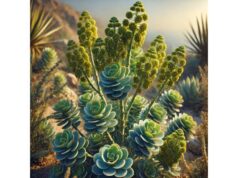
Iodine Bush is a perennial halophytic shrub in the amaranth family that thrives where many other plants fail. It grows on alkaline flats, salty playas, and mudflats across parts of Oregon, Idaho, California, Nevada, Utah, Arizona, New Mexico, Texas, and northern Mexico. Its stems are fleshy and jointed, its leaves are tiny and scale-like, and from a distance the plant often appears almost leafless. In harsh desert basins, it can form dark, low shrublands that stand out sharply against pale salt-encrusted ground.
The first important point for readers is that this plant’s common name is misleading if taken literally. “Iodine Bush” does not automatically mean “rich source of dietary iodine.” The name is better treated as a traditional common name than as a nutritional guarantee. That distinction matters because many people looking up the plant are really asking a thyroid or iodine-supplement question. In practice, there is no established role for Allenrolfea occidentalis as a clinically reliable source of iodine for human deficiency or thyroid support.
Its best-documented traditional human use is food. Ethnobotanical records describe seeds being used by Cahuilla, Yuma, and Pima communities as a grain for bread, porridge, and beverages. The Seri of Mexico are also recorded as having ceremonial associations with the plant. This places Iodine Bush in an older tradition of small-seed foods gathered from tough landscapes, somewhat like other resilient seed staples that helped people live with arid conditions. Readers who enjoy the broader story of grain-like plants may recognize some of that logic in small-seed foods like amaranth.
Ecologically, Iodine Bush is remarkable. It is among the more salt-tolerant shrubs of inland desert playas, able to grow where soil salinity is far beyond the comfort zone of ordinary crops. That has made it interesting to plant scientists, restoration ecologists, and researchers focused on saline agriculture. In those discussions, the plant is valued less as an herb in the usual wellness sense and more as a salt-adapted species with possible uses in food systems, forage, and degraded-land productivity.
So what is Iodine Bush, in the most useful plain-language sense? It is a desert halophyte with a documented food history, limited ethnobotanical cultural use, and very little validated medicinal history. That makes it a fascinating plant, but also one that needs careful framing. Its most responsible story is not “miracle mineral bush.” It is “underused saline-land plant with food potential and a misleadingly medicinal-sounding common name.”
Key ingredients and properties
When people ask about “key ingredients” in Iodine Bush, the most honest answer is that the plant does not have a well-established medicinal chemistry profile in the same way many popular herbs do. There is no widely recognized list of active compounds behind proven human therapeutic effects. Instead, the best-documented components are tied to its halophytic biology: mineral accumulation, seed oil, and the physiological traits that let it survive high salt.
One of the clearest findings from Allenrolfea-specific work is that the plant accumulates sodium and chloride in substantial amounts, while potassium, calcium, and magnesium occur in lower proportions. This is not surprising for a plant adapted to alkaline salt flats, but it is important from a health perspective. It means the plant’s tissues are shaped strongly by saline minerals. That alone makes it different from most gentle culinary herbs and one reason large, casual intake is not wise.
Its seeds are another key feature. Older species-specific work reported that the seed oil content is about 20 percent. That is nutritionally interesting because it suggests the seeds are more than emergency starch particles. They are a compact energy source with measurable lipid content. The same work also described the seed oil as containing both saturated and unsaturated fatty acids, although the profile was not presented as a ready-made medical ingredient. In other words, the seeds have food potential, but not a clinically proven therapeutic oil profile.
This leads to a useful distinction between “ingredients” and “active ingredients.” For Iodine Bush, the strongest documented ingredients are:
- Accumulated salts and minerals, especially sodium and chloride.
- Seed lipids with measurable oil content.
- Small seed reserves that made the plant useful as a grain-like food.
- General halophyte stress chemistry that supports survival in extreme environments.
What we do not have is strong evidence for a signature compound that makes the plant a reliable anti-inflammatory, antimicrobial, thyroid, or metabolic herb for humans. That absence matters. In many herb articles, it is easy to overreach by importing the language of flavonoids, alkaloids, or adaptogens without species-specific support. Iodine Bush is one of those cases where restraint is more accurate than decoration.
It is also worth being careful with the common name. People may assume a direct connection to iodine nutrition, but the plant is not nutritionally equivalent to marine iodine-rich foods or well-established iodine sources. Readers specifically looking for thyroid-related botanicals are usually better served by learning about kelp and concentrated iodine sources, because those are much more directly connected to iodine intake than Allenrolfea is.
So, from a medicinal-properties standpoint, Iodine Bush is best described as mineral-dense, seed-bearing, salt-adapted, and nutritionally interesting rather than pharmacologically proven. Its chemistry supports food and ecological interest more clearly than it supports traditional herbal medicine claims.
What benefits are realistic
The most realistic benefits of Iodine Bush are modest and practical. This is not a plant with a well-proven list of therapeutic outcomes in human trials. Instead, its value sits in a narrower and more grounded place: food use, potential energy contribution from seeds, and the broader nutritional promise of underused halophytes in saline environments.
The strongest human-facing benefit is historical food use. Ethnobotanical records show that the seeds were gathered, processed, and eaten as bread, porridge, and beverages. That matters because a plant that reliably enters food traditions has already crossed one important threshold: it was useful enough to harvest and process despite the effort involved. In a difficult desert environment, that kind of usefulness is a real health benefit, even if it does not look like modern supplement marketing.
A second realistic benefit is seed oil and calorie potential. The documented seed oil content suggests that Iodine Bush may have served as more than a filler food. Small seeds with meaningful oil content can provide dense energy in settings where edible plant resources are sparse. That is not the same as saying the oil treats disease, but energy reliability and nutrient access have always been part of human health.
A third benefit is indirect rather than medicinal. Modern reviews of halophytes highlight their value for food security, saline agriculture, and human welfare in landscapes where conventional crops struggle. From that perspective, Iodine Bush matters as part of a larger future-facing conversation about climate resilience, desert food systems, and underused edible plants. That does not turn it into a miracle crop, but it does give it genuine relevance.
What is not realistic is overpromising. There is no solid human evidence that Iodine Bush:
- Corrects iodine deficiency.
- Treats hypothyroidism or hyperthyroidism.
- Works as a dependable anti-inflammatory herb.
- Functions as a validated detox plant.
- Replaces measured iodine intake from standard foods or supplements.
That caution is especially important because its name invites misunderstanding. In wellness writing, names can tempt people to connect dots that the science does not support. “Iodine Bush” sounds like a thyroid plant, but the evidence does not justify treating it that way.
A better comparison is with other small, resilient food plants rather than with clinical herbs. In that sense, it belongs closer to the story of hardy, grain-like plant foods than to the story of drug-like botanicals. Readers interested in the nutritional side of resilient seeds may find that perspective easier to grasp when compared with other grain-like seed foods.
In short, the benefits of Iodine Bush are real only when they are described honestly. It may help diversify food systems in saline places. It has documented ethnobotanical food use. Its seeds may offer energy and oil. Beyond that, medicinal claims become increasingly speculative. For most readers, that grounded view is more useful than trying to force the plant into a role it has not truly earned.
How Iodine Bush is used
Iodine Bush has been used mainly as a food plant rather than as a modern herbal supplement. That single fact should shape how anyone approaches it today. Traditional records emphasize seed use, not capsule use, concentrated extracts, or standardized medicinal dosing.
The seed-centered food preparation seems to have been the main traditional pathway. Ethnobotanical notes describe seeds being processed into bread, porridge, and beverages. That means the plant was not generally treated like a tea herb sprinkled into hot water for casual daily use. Instead, it was gathered, cleaned, ground, and worked into simple foods. In practical terms, Iodine Bush seems to have belonged to the world of small-seed processing traditions rather than the world of tonic herbs.
That distinction matters because preparation changes risk. A food-style use spreads the plant over a meal and keeps it within a culinary frame. A concentrated medicinal use can magnify whatever salts or other compounds the plant carries. For a halophyte, that is an especially important issue.
If a modern reader wanted to think about use in the most careful way, the least speculative options would be:
- Historical-style seed meal in small food portions.
- Experimental culinary use rather than “supplement” use.
- Avoidance of concentrated self-made extracts.
- Avoidance of using the plant as a thyroid or iodine treatment.
There is also a strong harvesting caution here. Iodine Bush grows in saline basins, mudflats, and disturbed alkaline habitats. Those are not always clean places. A plant collected from a roadside playa, a polluted basin, or a contaminated drainage area is not equivalent to a carefully sourced food plant. Wildcrafting halophytes requires more judgment than many people expect because the environment can affect what the plant accumulates.
Another useful point is that food use does not necessarily translate into broad medicinal use. Many wild plants can be edible in modest forms without being appropriate as daily remedies. Iodine Bush seems to fit that pattern. Its best-documented use is modest, practical, and culinary. That makes it quite different from herbs that are traditionally steeped, smoked, poulticed, or taken in repeated medicinal doses.
Readers sometimes look for parallels among edible succulents or salt-tolerant greens. That comparison can be helpful to a point. Plants such as edible succulents such as purslane are often appreciated for food value first and medicinal associations second. Iodine Bush fits that general logic, although it is much less commonly used today and far less familiar in modern kitchens.
The smartest modern use principle is simple: treat Iodine Bush as a historically interesting food plant with limited medicinal proof. That means small-scale, respectful, food-style use is far easier to justify than concentrated therapeutic experimentation. If the goal is iodine nutrition, choose validated iodine sources. If the goal is herbal medicine, choose herbs with actual medicinal evidence. Iodine Bush sits in the middle, and it should be handled like a plant that belongs there.
How much per day
This is the section where Iodine Bush differs most sharply from common supplement articles. There is no validated human medicinal dosage for Allenrolfea occidentalis. No major clinical standard tells you how many milligrams, teaspoons, or capsules to take for a health outcome, because the underlying evidence is simply not there.
That means the most responsible dose advice begins with what not to do. Do not treat Iodine Bush as though it were a standardized iodine supplement. Do not assume its common name tells you how much iodine it contains. Do not try to reverse-engineer a thyroid dose from folklore or internet guesswork.
If your real interest is iodine itself, use established human iodine guidance instead. Adults generally need about 150 mcg per day. Pregnancy raises that need to about 220 mcg per day, and lactation raises it to about 290 mcg per day. Routine intake above 1,100 mcg per day is generally not recommended. Those numbers are practical because they come from actual nutrition guidance, not from speculation about this plant.
So where does that leave Iodine Bush itself? In food terms, not supplement terms. Because traditional use is better documented for seed meal and food preparations than for medicine, the safest position is this:
- There is no evidence-based medicinal dose.
- Culinary-scale use is more defensible than therapeutic-scale use.
- If used at all, it should remain a small, food-style experiment rather than a daily regimen.
- Large or repeated doses are not justified by current evidence.
Some readers still want a concrete rule. The most cautious one is to keep any exposure small enough to remain clearly in the category of food tasting rather than medicinal dosing. That is not a satisfying supplement-style answer, but it is the honest one.
Timing also depends on intention. If someone is exploring the plant as a traditional food ingredient, it belongs with meals. If someone is thinking about thyroid health, the correct timing question is not “when should I take Iodine Bush” but “am I using a validated iodine source at all.” For that reason, a clinically relevant iodine plan belongs with tested foods, iodized salt, or properly formulated supplements rather than this shrub.
The same principle applies to modern health writing more broadly. Some plants have a real dosage literature. Others do not. Iodine Bush is in the second group. That makes it very different from ingredients with clearer dose frameworks, such as better-defined fiber products like psyllium.
In plain language, then, the dosage answer is this: there is no established medicinal dose for Iodine Bush, and it should not be dosed as a thyroid remedy. If your goal is iodine intake, follow validated iodine recommendations from tested sources. If your goal is curiosity about traditional desert foods, stay with tiny, culinary-scale exposure rather than repeated medicinal use.
Safety and who should avoid it
Safety is where caution matters most with Iodine Bush, because uncertainty is high and the plant’s environment is extreme. A halophyte that thrives in salty, alkaline flats is not automatically dangerous, but it is not automatically gentle either. The plant’s mineral-loading biology alone is enough reason to avoid casual self-medication.
The first safety issue is misidentification of purpose. People may reach for Iodine Bush because they believe it is a natural iodine remedy. That is not a safe assumption. Someone with thyroid disease, a goiter history, autoimmune thyroid problems, or pregnancy-related iodine needs should not use this plant as a substitute for evidence-based nutrition guidance. If the goal is thyroid support, it is safer to study actual iodine sources and documented thyroid-relevant foods such as better-known thyroid-focused sea plants rather than rely on a desert shrub with unclear iodine value.
The second safety issue is mineral concentration. Because the plant accumulates salts in saline environments, large or repeated intake may be a poor choice for people who need to watch sodium or mineral balance. This includes:
- People with kidney disease.
- People with uncontrolled high blood pressure.
- People prone to fluid retention.
- People advised to limit salt intake.
- People with sensitive digestion.
A third issue is site contamination. Saline basins and disturbed alkaline flats can collect more than salt. Wild harvesting from unknown sites is not wise, especially near roadsides, industrial runoff, agricultural drainage, or polluted wetlands. Even when a plant species is technically edible, the location where it grew may make it unsuitable.
A fourth issue is special populations. Pregnant and breastfeeding people should avoid experimental use because reliable safety and nutritional data are lacking. Children should not be given the plant as a home iodine remedy. Older adults with multiple medications should be cautious for the same reason: lack of evidence is not proof of safety.
Potential side effects from overly adventurous use could include:
- Stomach irritation from strong, unusual plant material.
- Unwanted salt or mineral load.
- False reassurance in someone with real iodine deficiency.
- Delay in proper treatment for thyroid disease or other illness.
That last point is easy to miss, but it is one of the most important. The biggest risk may not be classic toxicity. It may be that someone uses Iodine Bush instead of getting accurate assessment of iodine intake, thyroid function, or nutritional status.
The best safety mindset is straightforward. Treat Iodine Bush as a historically interesting, potentially edible halophyte with limited medicinal evidence. Do not use it as a self-prescribed thyroid fix. Do not assume the common name equals clinical value. And do not make large or repeated doses part of a personal health plan without a much stronger evidence base than we currently have.
What the evidence actually says
The evidence for Iodine Bush is thin, and that is the most important conclusion of the entire article. There is enough information to write responsibly about the plant, but not enough to make sweeping therapeutic claims. Most of what is known comes from ethnobotany, flora descriptions, saline-agriculture research, and older species-specific work on growth, mineral accumulation, and seed oil.
The strongest evidence supports four things.
First, Allenrolfea occidentalis is a real, well-described halophyte of alkaline and saline basins in western North America. Its ecology and morphology are not in question.
Second, its seeds have documented traditional food use. Bread, porridge, and beverage preparations are not vague rumors. They are part of the plant’s ethnobotanical record.
Third, species-specific work does support meaningful seed oil content and strong salt-accumulating behavior. That makes the plant nutritionally and agriculturally interesting even if it does not make it a medicine.
Fourth, broader halophyte reviews support the idea that saline plants can contribute to food systems, fodder, and human welfare in harsh landscapes. Iodine Bush makes sense inside that bigger conversation.
What the evidence does not show is equally important. It does not show robust human clinical benefits for thyroid support, inflammation control, digestive disease treatment, or chronic illness. It does not establish a plant-specific iodine dose. It does not confirm the shrub as a safe substitute for iodine-rich foods or evidence-based supplements.
This matters because herb writing often drifts toward optimism when the evidence is sparse. With Iodine Bush, optimism has to stay narrow. The plant is promising as a saline-land resource. It is interesting as an underused edible seed plant. It may help future discussions about climate resilience and marginal-land agriculture. But those are not the same as validated medicinal claims.
The most honest position is a middle one. Iodine Bush is not useless, and it is not a fraud. It is simply a plant whose strongest value lies outside conventional herbal medicine. Its story is more about ethnobotany, desert adaptation, and food potential than about proven health treatment.
That may actually make it more interesting, not less. Many plants matter because they teach us how people lived with difficult land, how underused species support food diversity, and how common names can distort expectations. Iodine Bush does all three. For readers looking for a true medicinal herb, that may be disappointing. For readers interested in responsible plant knowledge, it is exactly the kind of nuance that makes the article worth reading.
References
- Halophytic characteristics and potential uses of Allenrolfea occidentalis 2002
- Iodine – Health Professional Fact Sheet 2024
- Exploring the Potentials of Halophytes in Addressing Climate Change-Related Issues: A Synthesis of Their Biological, Environmental, and Socioeconomic Aspects 2024 (Review)
- Allenrolfea occidentalis 2017
Disclaimer
This article is for educational purposes only and is not medical advice. Iodine Bush is not an established iodine supplement, not a validated thyroid treatment, and not a substitute for diagnosis or care from a qualified clinician. Anyone with thyroid disease, pregnancy-related nutritional concerns, kidney disease, or questions about iodine intake should rely on professional guidance and validated dietary sources rather than self-treating with this plant.
If this article helped you, please share it on Facebook, X, or any platform where careful, evidence-aware plant information can reach someone who needs it.