Ion channelopathies are conditions caused by faulty “gates” in cells that control the flow of charged particles like sodium, potassium, calcium, or chloride. When these gates do not open or close properly, tissues that rely on electrical signals—especially the heart, brain, and muscles—can misfire. For some people, symptoms come and go in episodes triggered by stress, fever, exercise, certain medicines, or even a heavy meal. For others, the condition is present from birth and shows up early with seizures, irregular heart rhythms, or muscle stiffness.
Because many ion channelopathies are inherited, a correct diagnosis can protect not only the patient, but also relatives who may be at risk without knowing it. This guide explains what ion channelopathies are, what causes them, how they feel, how doctors diagnose them, which treatments help most, and how to live more safely day to day.
Table of Contents
- What is an ion channelopathy?
- What causes ion channels to malfunction?
- Who is at risk and what triggers episodes?
- Symptoms by body system and possible complications
- How ion channelopathies are diagnosed
- Treatment and long-term management
What is an ion channelopathy?
Ion channels are tiny protein “doors” embedded in cell membranes. They open and close to let charged particles (ions) move in and out of the cell. That movement creates electrical signals and controls key tasks such as heartbeat timing, muscle contraction, and nerve firing.
An ion channelopathy happens when a channel does not work as designed. The problem may be:
- The channel opens too easily or stays open too long.
- The channel fails to open when it should.
- The channel opens at the wrong voltage or in the wrong situation.
- The channel is built incorrectly or placed incorrectly in the cell membrane.
Why the same type of defect can cause very different symptoms
The body uses many channel types, and the same ion can matter in different ways depending on the organ:
- In the heart, timing errors can cause dangerous rhythm problems.
- In skeletal muscle, instability can cause stiffness (myotonia) or sudden weakness (periodic paralysis).
- In the brain, abnormal excitability can contribute to seizures or migraines in certain syndromes.
- In some organs, channels affect fluid balance, hearing, or vision.
Inherited vs acquired channelopathies
Many channelopathies are genetic (present from birth due to a gene change). However, channel dysfunction can also be acquired, meaning triggered by a drug, toxin, or metabolic imbalance. For example, some medications can prolong the heart’s recovery phase and raise the risk of a specific dangerous rhythm, especially in people with an underlying susceptibility.
Why episodes happen
A defining feature of many ion channelopathies is that symptoms can be intermittent. A person may feel normal between attacks because the body compensates—until a trigger pushes the system past a threshold. Common “threshold” stressors include fever, adrenaline surges, electrolyte shifts, sleep loss, and certain anesthetics or heart medicines.
A helpful way to think about ion channelopathies is as “electrical stability problems.” Many are treatable, and risk can often be lowered substantially once the specific syndrome and triggers are recognized.
What causes ion channels to malfunction?
Ion channel problems come from two main sources: changes in the channel’s blueprint (genes) or changes in the channel’s environment (the body’s chemistry and exposures).
Genetic causes
Genes provide the instructions for building channels and the proteins that regulate them. A gene change can alter:
- The channel’s shape (so it gates incorrectly)
- How many channels reach the cell surface
- How the channel responds to voltage, temperature, or hormones
- How the channel interacts with partner proteins
Some gene changes are inherited from a parent. Others arise “new” in a child (a de novo change). Inherited forms may follow autosomal dominant patterns (one altered copy is enough) or recessive patterns (two altered copies are needed). The inheritance pattern matters for family screening and pregnancy planning.
Acquired causes and “unmasking”
Even without a known genetic syndrome, channel function can be disrupted by:
- Medications that affect sodium, potassium, or calcium currents
- Electrolyte disturbances, such as low potassium, high potassium, low magnesium, or low calcium
- Hormonal states, including thyroid disease and postpartum changes in some contexts
- Toxins and stimulants, which can increase adrenaline and alter electrical stability
- Fever, which can change how certain mutated channels behave, especially in some cardiac syndromes
Sometimes a person has a mild genetic tendency that stays hidden until an outside factor “unmasks” it—such as starting a QT-prolonging medication or developing severe diarrhea with electrolyte loss.
Why potassium and sodium get so much attention
Sodium and potassium currents strongly shape how nerves, heart cells, and muscle cells fire and reset. Small changes can have outsized effects:
- Too much inward sodium current can keep a cell overly excitable.
- Too little sodium current can slow conduction, creating dangerous rhythm patterns.
- Potassium currents help the heart and nerves “reset.” If they are delayed, recovery takes longer and rhythms can destabilize.
Structural heart disease vs primary electrical disease
A key concept is that many cardiac channelopathies occur without visible structural problems on an echo or MRI. That can be confusing—“How can the heart be normal but still dangerous?” The answer is that electrical timing can fail even when the heart muscle looks normal. This is one reason clinicians take fainting during exercise, unexplained seizures, or family history of sudden death seriously, even if basic tests appear reassuring.
Who is at risk and what triggers episodes?
Risk comes from biology (genes), personal history (previous episodes), and exposures (medicines, illness, lifestyle). The pattern differs by syndrome, but there are practical risk themes that apply broadly.
People at higher baseline risk
You may be at higher risk for an ion channelopathy if you have:
- A family history of sudden unexplained death, drowning without clear cause, unexplained car accidents, or “seizures” with normal brain imaging
- Fainting with exercise, strong emotion, or sudden loud noises
- Episodes of muscle weakness or stiffness triggered by rest after exercise, cold, or high-carbohydrate meals
- A personal history of unexplained arrhythmias, especially in a structurally normal heart
- Childhood-onset seizures that are difficult to classify or respond unusually to medications
Common triggers that can worsen many channelopathies
These triggers matter because they shift electrical stability quickly:
- Fever and infection (including dehydration)
- Sleep deprivation
- Severe emotional stress or sudden fright
- Intense exercise without appropriate precautions in certain cardiac syndromes
- Electrolyte shifts (vomiting, diarrhea, crash diets, diuretics)
- Alcohol binges (can affect rhythm stability and hydration)
- Cold exposure (notably for some muscle stiffness syndromes)
Medication triggers and safety habits
Drug sensitivity is one of the most preventable risks. Practical steps include:
- Keep an updated medication list, including over-the-counter cold medicines and supplements.
- Before starting a new drug, ask whether it can affect heart rhythm or electrolytes.
- Be cautious with stimulants (including certain “energy” products).
- Tell every clinician and dentist if you have a diagnosed or suspected channelopathy, especially before procedures or anesthesia.
Life stages that can change risk
Symptoms may shift with:
- Puberty (hormonal changes can alter excitability)
- Pregnancy and postpartum (changes in volume, hormones, sleep, and stress)
- Aging (comorbidities and medication exposure increase)
What “trigger control” really means
Trigger control is not about avoiding life. It is about identifying the few high-impact risks for your specific syndrome and building a plan. For many people, that plan reduces attacks dramatically and lowers emergency risk.
Symptoms by body system and possible complications
Ion channelopathies often create symptoms that are episodic, confusing, or mislabeled. Recognizing the “shape” of symptoms can point toward the right diagnosis.
Heart-related symptoms
Cardiac channelopathies can cause rhythm instability, sometimes without warning. Symptoms may include:
- Fainting (syncope), especially with exercise, emotion, or sudden noises
- Palpitations (fast, pounding, or irregular heartbeat)
- Near-fainting with chest tightness or shortness of breath
- Seizure-like activity triggered by loss of blood flow (may mimic epilepsy)
- Sudden collapse (a medical emergency)
Complications can include life-threatening ventricular arrhythmias. Because episodes may be brief, some people “bounce back” and feel fine afterward, which can delay evaluation.
Muscle-related symptoms
Skeletal muscle channelopathies often show a repeatable pattern:
- Myotonia: muscle stiffness and delayed relaxation, often worse after rest or in cold
- Transient weakness: episodes of limb weakness, sometimes on waking or after exercise
- Muscle pain, cramps, or fatigue that feels out of proportion
- Eyelid or facial stiffness, hand grip “locking,” or trouble releasing a handshake
In periodic paralysis, weakness can range from mild to profound. Severe attacks may affect breathing muscles, which is an emergency.
Brain and nerve symptoms
Some channelopathies affect brain excitability, leading to:
- Seizures or seizure-like events
- Migraine variants (in certain syndromes)
- Episodic imbalance or coordination problems
- Developmental or cognitive effects in some pediatric genetic disorders
Red flags that should prompt urgent evaluation
Seek urgent care for:
- Fainting during exercise or while startled
- New chest pain with palpitations or shortness of breath
- Weakness affecting breathing, swallowing, or speech
- Repeated “seizures” with normal neurologic testing or strong family history of sudden death
- Severe weakness plus abnormal potassium on a blood test (if known)
Why misdiagnosis is common
Because episodes come and go, routine exams can look normal. Symptoms are also easy to attribute to anxiety, dehydration, “panic attacks,” or routine cramps. The difference with channelopathies is the pattern: consistent triggers, family clustering, and objective findings on ECG, EMG, or lab tests during an episode.
A key insight is that “unexplained fainting” and “unexplained weakness” deserve a structured workup—especially when the story repeats in the same way.
How ion channelopathies are diagnosed
Diagnosis is usually a stepwise process: define the syndrome clinically, capture objective evidence, then confirm with targeted testing (often genetic).
Step 1: A detailed symptom timeline
Clinicians look for:
- Age at first symptom and frequency of episodes
- Triggers (exercise, rest after exercise, cold, fever, stress, meals, medications)
- Family history (syncope, seizures, sudden death, implanted defibrillators, “heart problems”)
- Recovery pattern (minutes vs hours vs days)
- Associated signs (hearing loss, muscle hypertrophy, facial features, connective tissue signs)
Keeping a short diary can be surprisingly powerful: what happened, what preceded it, how long it lasted, and how you recovered.
Step 2: Capture electrical evidence
Tests depend on suspected organ involvement:
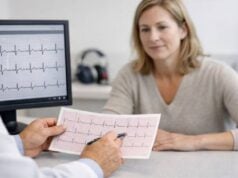
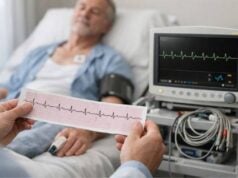
- ECG and rhythm monitoring for suspected cardiac syndromes
- Exercise testing or pharmacologic provocation in selected cases, performed under specialist supervision
- EMG (electromyography) for muscle hyperexcitability syndromes, often showing characteristic patterns
- Neurologic evaluation for seizure syndromes, sometimes including EEG
For heart-related symptoms, clinicians also rule out structural disease with echocardiography and sometimes cardiac MRI, because treatment paths differ.
Step 3: Labs that matter during episodes
For weakness attacks, blood tests during symptoms can be decisive, especially:
- Potassium, magnesium, calcium
- Kidney function (important for potassium handling)
- Thyroid function when periodic paralysis is suspected
- Creatine kinase in some muscle conditions
If an episode is predictable, clinicians sometimes plan “capture labs” so results are not missed.
Step 4: Genetic testing and family screening
Genetic testing is often the confirmation step, but it should be interpreted carefully:
- A clearly harmful variant can confirm the diagnosis and guide family testing.
- A “variant of uncertain significance” may not explain symptoms by itself.
- A negative panel does not fully rule out a channelopathy if the clinical picture is strong.
When a diagnosis is likely, first-degree relatives may be offered screening (ECG, clinical evaluation, and sometimes targeted genetic testing). This can prevent tragedies in families where the first sign might otherwise be a sudden event.
Specialist care improves accuracy
Channelopathies often sit at the intersection of cardiology, neurology, genetics, and anesthesiology. Centers experienced with inherited arrhythmias or neuromuscular disorders can shorten the path to a correct diagnosis and provide clearer safety guidance.
Treatment and long-term management
Treatment is highly syndrome-specific, but the overall strategy is consistent: stabilize the electrical system, reduce triggers, and protect against worst-case events.
Core treatment approaches
Most care plans combine:
- Trigger management (fever control, hydration, sleep, avoiding known drug triggers)
- Targeted medications to reduce abnormal excitability
- Emergency planning for high-risk situations
- Family evaluation when inherited risk is likely
Examples of treatment by major category
Cardiac channelopathies (primary electrical heart diseases) may involve:
- Beta-blockers for certain syndromes, especially when episodes are triggered by adrenaline surges
- Antiarrhythmic medications in selected conditions under specialist guidance
- Implantable cardioverter-defibrillator (ICD) for people at high risk of life-threatening arrhythmias
- Lifestyle tailoring around specific triggers (for example, fever control or exercise modifications depending on syndrome)
- Careful medication review to avoid QT-prolonging or pro-arrhythmic drugs when relevant
Skeletal muscle channelopathies often focus on symptom control and attack prevention:
- Sodium channel blockers (commonly used for myotonia in appropriate patients)
- Individualized potassium strategies for periodic paralysis (this can mean supplementation in some contexts or avoidance in others, depending on subtype and labs)
- Regular meal timing and balanced carbohydrates to reduce swings that provoke attacks
- Warm-up strategies and cold avoidance for cold-sensitive stiffness syndromes
- Pre-anesthesia planning because some muscle channelopathies raise anesthesia-related risks
Neurologic channelopathies may require precision in antiseizure therapy:
- Some genetic epilepsies respond better to certain drug classes than others
- Avoiding medications that can worsen specific channel-related seizure patterns is sometimes as important as choosing the “right” drug
- For children, development and learning supports should be integrated early when needed
Living safely: practical habits that reduce risk
Helpful, widely applicable habits include:
- Treat fever promptly and stay well hydrated during illness.
- Avoid crash diets; aim for steady nutrition and electrolytes.
- Build a medication “safety check” routine before starting new prescriptions.
- Carry medical identification if you have a confirmed high-risk diagnosis.
- If you have fainting or rhythm risk, discuss driving, swimming supervision, and return-to-sport decisions with your clinician.
When to seek care
Contact urgent services for:
- Syncope, near-syncope, or seizures with suspected cardiac cause
- Severe weakness, especially with breathing or swallowing difficulty
- Palpitations with chest pain, shortness of breath, or faintness
- Any episode that is new, more intense, or different from your typical pattern
The most important point is hopeful: many channelopathies become far more manageable once the diagnosis is clear. A tailored plan can reduce episodes, protect the heart and muscles, and give families clarity about risk.
References
- Recent insights into channelopathies 2024 (Review)
- 2022 ESC Guidelines for the management of patients with ventricular arrhythmias and the prevention of sudden cardiac death 2022 (Guideline)
- Cardiac Channelopathies: Clinical Diagnosis and Promising Therapeutics 2025 (Review)
- Skeletal muscle channelopathies: a guide to diagnosis and management 2021 (Review)
- Guidelines on clinical presentation and management of nondystrophic myotonias 2020 (Guideline)
Disclaimer
This article is for educational purposes and does not replace medical advice, diagnosis, or treatment from a qualified clinician. Ion channelopathies can involve life-threatening heart rhythm problems or severe weakness, and urgent evaluation is essential for fainting, seizure-like collapse, chest pain with palpitations, breathing difficulty, or sudden profound weakness. Treatment choices—especially heart rhythm medications, electrolyte strategies, and decisions about exercise, driving, procedures, or anesthesia—must be individualized based on your diagnosis, test results, and overall health. If you think you may have a channelopathy, seek care from a clinician experienced in inherited arrhythmias, neuromuscular disorders, or medical genetics.
If you found this article helpful, please share it on Facebook, X (formerly Twitter), or any platform you prefer, and follow us on social media. Your support through sharing helps our team continue producing high-quality, trustworthy health content.