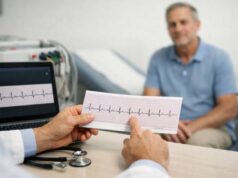
Ischemia happens when part of the body does not get enough blood flow to meet its needs. Without adequate blood, tissues receive less oxygen and fewer nutrients, and waste products build up. Sometimes this shortage is brief and reversible; other times it progresses to permanent injury. What makes ischemia challenging is that it is not one single disease—it is a problem that can affect the heart, brain, intestines, kidneys, or limbs, each with different warning signs and timelines.
In daily life, ischemia is often tied to narrowed or blocked arteries, sudden clots, or severe drops in blood pressure. The most important skill is recognizing which symptoms need emergency care—because early treatment can prevent disability or death. This article explains what ischemia is, why it occurs, who is most at risk, how it feels in different organs, how it is diagnosed, and what treatment and long-term management usually involve.
Table of Contents
- What ischemia is and why it matters
- What causes ischemia and who is at risk?
- Symptoms by organ and danger signs
- How ischemia is diagnosed
- Treatment options and what to expect
- Management, prevention, and when to seek care
What ischemia is and why it matters
Ischemia means inadequate blood supply to a tissue. Blood is not just “fuel delivery.” It brings oxygen and glucose, carries hormones and immune cells, and removes carbon dioxide and metabolic waste. When flow drops below what the tissue needs, cells shift into an emergency mode. If flow is restored quickly, the tissue may recover fully. If the shortage lasts too long, cells begin to die—leading to an infarction (a zone of dead tissue). The time window for rescue depends on the organ: the brain and heart tolerate only limited interruption, while other tissues may have slightly longer margins.
Why ischemia happens: supply vs demand
Ischemia is not always caused by a total blockage. Clinicians often think in two overlapping categories:
- Supply problem: blood cannot reach the tissue because an artery is narrowed, blocked, torn, or squeezed.
- Demand problem: blood flow is “normal,” but the tissue needs more than the circulation can deliver (for example, severe anemia or extreme rapid heart rate).
Understanding this split helps explain why a person can have ischemia even when scans do not show a complete blockage.
Common forms of ischemia people search for
Ischemia is an umbrella term that includes several organ-specific conditions:
- Cardiac ischemia: reduced blood flow to heart muscle, often felt as chest pressure or shortness of breath.
- Cerebral ischemia: reduced blood flow to part of the brain, causing stroke or transient symptoms.
- Limb ischemia: reduced blood flow to a leg or arm, causing pain with walking or sudden severe pain with coldness.
- Mesenteric ischemia: reduced blood flow to intestines, often causing severe abdominal pain.
- Renal ischemia: reduced blood flow to kidneys, affecting function and blood pressure control.
Why early recognition saves lives
Ischemia can be reversible, but it can also flip into permanent injury quickly. The biggest preventable harms come from delays—waiting too long to seek care or attributing dangerous symptoms to indigestion, muscle strain, or anxiety. The purpose of diagnosis and treatment is to reopen flow when needed, stabilize the circulation, and prevent recurrence with risk-factor control.
What causes ischemia and who is at risk?
Ischemia usually stems from problems in arteries, blood composition, or circulation. The cause shapes both urgency and treatment. A sudden artery blockage calls for emergency reopening, while gradual narrowing often requires long-term management and risk reduction.
Major causes of reduced blood flow
Common supply-side causes include:
- Atherosclerosis: fatty plaque builds up and narrows arteries over years. This is the most frequent underlying driver of heart and leg ischemia.
- Thrombosis: a clot forms at the site of a plaque rupture, abruptly blocking flow (typical in heart attack and many strokes).
- Embolism: a clot travels from elsewhere (often the heart in atrial fibrillation) and lodges downstream.
- Arterial dissection: a tear in the artery wall creates a flap that blocks flow.
- Vasospasm: the artery constricts intensely, limiting flow even without a large plaque.
- External compression: swelling, compartment syndrome, tumors, or surgical complications can squeeze vessels.
Demand-side or systemic contributors include:
- Severe anemia (less oxygen delivery)
- Low blood pressure or shock (global low perfusion)
- Very fast heart rate (reduced time for coronary filling)
- Severe lung disease (less oxygen in the blood)
Risk factors that make ischemia more likely
The biggest drivers are the same ones linked to vascular disease:
- High blood pressure
- High LDL cholesterol
- Diabetes or insulin resistance
- Smoking or nicotine exposure
- Chronic kidney disease
- Obesity and low physical activity
- Older age
- Family history of early cardiovascular disease
Certain conditions raise risk of clot-related ischemia:
- Atrial fibrillation and other rhythm disorders
- Heart valve disease or prosthetic valves
- Recent major surgery or prolonged immobility
- Cancer and some cancer treatments
- Pregnancy and postpartum period (mostly clot-related risks)
Why “risk stacking” matters
Ischemia is often the end result of stacked risk. A person may have mild plaque for years without symptoms. Then an added stress—dehydration, infection, missed blood pressure medicines, stimulant use, or an inflammatory flare—tips the balance toward a clot or spasm.
What you can change today
While age and genetics cannot be changed, many high-impact risks can:
- Blood pressure control
- Smoking cessation
- LDL reduction (often with medication when indicated)
- Diabetes management
- Regular aerobic activity
- Sleep apnea treatment
- Consistent medication use (especially antiplatelets, statins, and antihypertensives when prescribed)
Reducing risk does not just lower the chance of ischemia; it often makes episodes less severe and treatments more effective when problems occur.
Symptoms by organ and danger signs
Ischemia is one word, but symptoms depend on the organ. Some forms cause dramatic pain; others are quiet until damage is advanced. The most important skill is recognizing emergency patterns.
Heart (cardiac ischemia)
Common symptoms include:
- Chest pressure, heaviness, tightness, or burning (may spread to arm, jaw, neck, or back)
- Shortness of breath, sweating, nausea, or unusual fatigue
- Symptoms triggered by exertion and relieved by rest (stable angina pattern)
Not everyone has classic chest pain. Older adults, women, and people with diabetes may have “atypical” symptoms such as breathlessness, faintness, or profound fatigue.
Brain (cerebral ischemia)
Brain ischemia can cause sudden:
- Face droop
- Arm or leg weakness or numbness (often one-sided)
- Trouble speaking or understanding speech
- Vision loss or double vision
- Severe dizziness with imbalance
Symptoms that last minutes and resolve can still signal danger (transient ischemic attack) and require urgent evaluation.
Legs and arms (limb ischemia)
Chronic limb ischemia may cause:
- Calf or thigh pain with walking that improves with rest (claudication)
- Slow-healing foot wounds or toe pain at rest (more advanced disease)
Acute limb ischemia is an emergency. Watch for:
- Sudden severe pain
- Pale or blue color change
- Cold limb
- Numbness or weakness
- Weak or absent pulse
Intestines (mesenteric ischemia)
This can be life-threatening and is often missed early. Key patterns:
- Severe abdominal pain that feels out of proportion to the exam
- Nausea, vomiting, diarrhea, or blood in stool
- Pain after eating and unintended weight loss in chronic forms
Kidneys and other organs
Renal ischemia may present with:
- Sudden worsening kidney function
- Hard-to-control blood pressure
- Flank pain in some cases
Emergency danger signs: do not wait
Seek emergency care immediately for:
- New severe chest pain or pressure, especially with sweating, nausea, or breathlessness
- Stroke symptoms (face droop, arm weakness, speech trouble)
- Sudden severe leg pain with coldness or numbness
- Severe abdominal pain with faintness or bloody stool
- Collapse, confusion, or signs of shock (clammy skin, very low blood pressure)
A useful rule: sudden symptoms that affect strength, speech, breathing, or circulation are emergencies until proven otherwise.
How ischemia is diagnosed
Diagnosis begins with urgency triage: is this potentially limb-, organ-, or life-threatening right now? Clinicians then use a mix of history, physical exam, lab tests, and targeted imaging to confirm reduced blood flow and identify the cause.
First step: pattern recognition and focused exam
Clinicians ask:
- When did symptoms start? Were they sudden or gradual?
- Are symptoms triggered by exertion, meals, or stress?
- Is there a known history of vascular disease, arrhythmia, diabetes, or smoking?
- Are there warning signs of stroke, heart attack, or acute limb ischemia?
The physical exam looks for:
- Blood pressure differences between arms
- Heart rhythm irregularity
- New heart murmurs
- Weak pulses, cold extremities, or color change
- Neurologic deficits (speech, strength, coordination)
- Abdominal tenderness, guarding, or signs of poor perfusion
Key tests by suspected location
For possible cardiac ischemia:
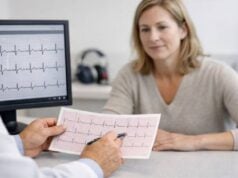
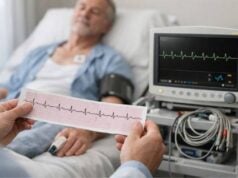
- ECG and repeat ECGs
- Blood tests for heart muscle injury markers
- Echocardiogram in many cases
- Stress testing or coronary imaging when stable and appropriate
For suspected cerebral ischemia:
- Rapid brain imaging (CT or MRI depending on context)
- Vascular imaging of head/neck arteries
- Heart rhythm evaluation to look for embolic sources
For suspected limb ischemia:
- Doppler pulse assessment and ankle-brachial index (ABI) when stable
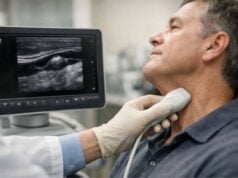
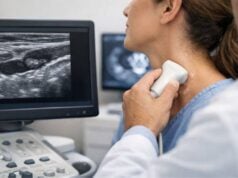
- Duplex ultrasound for arterial flow
- CT or MR angiography when planning intervention or assessing severe disease
For suspected mesenteric ischemia:
- CT angiography is commonly used to evaluate mesenteric vessels
- Blood tests for metabolic stress and organ function
- Surgical consultation when severe or unstable
Why “normal” early tests can be misleading
Ischemia can be transient. ECG changes may come and go. Pain may resolve while risk remains. Some blood tests rise only after a delay. That is why clinicians often repeat tests over time and rely on the overall clinical picture, not a single data point.
Risk stratification and next-step planning
After confirming ischemia, teams estimate:
- How much tissue is threatened
- How fast injury could become irreversible
- Whether the cause is plaque rupture, clot, spasm, dissection, or low-flow state
- Which intervention offers the best risk–benefit balance
A good diagnosis process ends with clear answers: where ischemia occurred, why it happened, and what will prevent it from happening again.
Treatment options and what to expect
Treatment depends on organ and cause, but it usually follows the same priorities: restore flow when needed, prevent clots from worsening, stabilize vital signs, and address the underlying vascular problem.
Emergency restoration of blood flow
When ischemia threatens organ survival, treatment may include:
- Reperfusion procedures: opening blocked arteries with catheter-based techniques, surgery, or clot-directed therapy (varies by organ).
- Clot management: antiplatelet therapy, anticoagulation, or clot-removal strategies when appropriate.
- Supportive care: oxygen, IV fluids or blood pressure support, pain control, and treatment of triggers such as infection or severe anemia.
Time matters most in:
- Heart attack patterns with ongoing ischemia
- Stroke caused by large-vessel occlusion (in selected cases)
- Acute limb ischemia
- Acute mesenteric ischemia
Medications commonly used to reduce ischemia risk
Depending on the scenario, clinicians may prescribe:
- Antiplatelet agents to reduce artery-clot risk
- Anticoagulants when embolic risk is high (for example, atrial fibrillation)
- Statins to stabilize plaque and lower LDL
- Blood pressure medicines to reduce arterial stress
- Medicines that widen vessels or reduce heart workload in angina patterns
- Diabetes therapies that improve vascular outcomes in appropriate patients
The exact combination is individualized. The safest plan accounts for bleeding risk, kidney function, drug interactions, and the specific vascular diagnosis.
Procedures for chronic or recurrent ischemia
When narrowed arteries limit flow persistently, options may include:
- Angioplasty and stenting in selected arterial beds
- Surgical bypass in advanced disease
- Endarterectomy in specific high-risk carotid disease contexts
- For limb ischemia, wound care plus revascularization planning when ulcers or rest pain occur
What recovery often involves
Recovery is not just “healing.” It is rebuilding resilience and preventing recurrence:
- Cardiac rehabilitation or supervised exercise therapy for vascular disease
- A medication adherence plan with monitoring of side effects
- Repeat imaging or functional testing to confirm stability
- Risk-factor targets (blood pressure, LDL, glucose, smoking cessation)
What to expect emotionally
Ischemia events can be frightening. Many patients feel uncertainty because symptoms may have been subtle or dismissed earlier. A structured follow-up plan and clear “when to seek help” rules reduce anxiety and improve outcomes.
Management, prevention, and when to seek care
Long-term management focuses on reducing future ischemia risk and improving day-to-day function. The most effective plans combine medical therapy, lifestyle changes, and targeted monitoring.
Everyday prevention that changes outcomes
High-impact steps include:
- Blood pressure control with home monitoring and consistent medication use
- LDL reduction, often requiring a statin and sometimes additional lipid therapy
- Diabetes management with individualized targets and medication adherence
- Smoking cessation, including avoiding secondhand smoke
- Regular aerobic activity, building toward about 150 minutes per week when safe, plus strength training that avoids extreme strain if vascular disease is advanced
- Heart-healthy eating emphasizing fiber-rich plants, lean proteins, and reduced ultra-processed foods
- Sleep and stress stability, including screening for sleep apnea when indicated
Small daily choices matter because ischemia risk is cumulative. Lowering average blood pressure and LDL over months and years reduces future events more than occasional short bursts of effort.
Medication safety and follow-up habits
Useful routines:
- Keep an updated medication list and bring it to every visit.
- Refill before running out to avoid gaps.
- Ask about drug interactions, especially if taking anticoagulants or multiple blood pressure agents.
- Schedule follow-up labs and imaging as recommended to track kidney function, cholesterol, and vascular status.
Special situations: travel, illness, and procedures
Plan ahead when risk rises:
- During long travel, stand and walk periodically and stay hydrated.
- During febrile illness, manage fever, fluids, and medications as directed.
- Before surgery or dental procedures, ask whether antiplatelet or anticoagulant medicines need adjustment (never stop them without guidance).
When to seek urgent or emergency care
Seek emergency care for:
- Sudden chest pressure, shortness of breath, or collapse
- Any stroke symptoms, even if they resolve
- Sudden severe limb pain with coldness, numbness, or weakness
- Severe abdominal pain, especially with faintness or bloody stool
Seek prompt medical evaluation (same day or urgent visit) for:
- New exertional chest discomfort
- Increasing leg pain with walking, new foot wounds, or rest pain
- Repeated dizziness, palpitations, or unexplained fatigue in someone with vascular risk factors
Ischemia is serious, but it is also highly actionable. When people understand the warning signs and control the major risk drivers, they often regain confidence and reduce the chance of future events substantially.
References
- 2022 ACC/AHA Guideline for the Diagnosis and Management of Aortic Disease: A Report of the American Heart Association/American College of Cardiology Joint Committee on Clinical Practice Guidelines 2022 (Guideline)
- 2021 Guideline for the Prevention of Stroke in Patients With Stroke and Transient Ischemic Attack 2021 (Guideline)
- 2020 ESC Guidelines for the management of acute coronary syndromes in patients presenting without persistent ST-segment elevation 2020 (Guideline)
- 2022 ESC Guidelines for the management of patients with ventricular arrhythmias and the prevention of sudden cardiac death 2022 (Guideline)
Disclaimer
This article is for general education and does not replace medical advice, diagnosis, or treatment. Ischemia can become life-threatening when it affects the heart, brain, intestines, or limbs. Seek emergency care immediately for sudden chest pain or pressure, shortness of breath, stroke symptoms, sudden severe limb pain with coldness or numbness, fainting, or severe abdominal pain—especially if accompanied by weakness, confusion, or bloody stool. Treatment and prevention plans must be individualized based on the organ involved, the cause of reduced blood flow, your medications, and your overall health. Always follow guidance from your clinician and do not start or stop prescription medicines without medical supervision.
If you found this article helpful, please share it on Facebook, X (formerly Twitter), or any platform you prefer, and follow us on social media. Your support through sharing helps our team continue producing quality content.