Ischemic cardiomyopathy is a form of long-term heart weakness caused by poor blood supply to the heart muscle over time. Instead of one brief episode, the damage usually builds after repeated or significant blockages in the heart’s arteries, often following heart attacks or years of severe coronary disease. The result is a heart that cannot pump as strongly as it should, leading to fatigue, shortness of breath, and fluid buildup.
What makes this condition especially important is that it often has two tracks: treating heart failure symptoms and correcting the blood-flow problem that created the weakness in the first place. Many people improve when both are addressed—through medications, procedures that restore blood flow, and careful daily management. This article explains how ischemic cardiomyopathy develops, who is at risk, which symptoms deserve urgent attention, how doctors confirm the diagnosis, and what treatment and long-term planning typically involve.
Table of Contents
- What ischemic cardiomyopathy is
- Causes and risk factors that drive it
- Symptoms, complications, and urgent warning signs
- How doctors diagnose it
- Treatment options and what to expect
- Management, prevention, and living well
What ischemic cardiomyopathy is
Ischemic cardiomyopathy is a type of heart muscle weakness caused by reduced blood flow through the coronary arteries. “Ischemic” refers to insufficient blood supply, and “cardiomyopathy” means disease of the heart muscle. In this condition, parts of the heart have been injured—often by one or more heart attacks—or have lived for years under low-grade oxygen shortage because coronary arteries are narrowed. Over time, the left ventricle (the main pumping chamber) becomes weaker, stiffer, or enlarged, and the heart cannot keep up with the body’s needs.
How it differs from other cardiomyopathies
Cardiomyopathy can be caused by viruses, toxins, genetic disorders, or long-standing high blood pressure. Ischemic cardiomyopathy is different because the primary driver is coronary artery disease. That difference matters because restoring blood flow may improve symptoms and, in some cases, improve heart function or survival.
Two contributors: scar and “hibernating” muscle
Heart muscle can be affected in two main ways:
- Permanent scar after a heart attack. Scar tissue does not contract well and can distort heart shape.
- Chronically underperfused but viable muscle, sometimes described as “sleeping” muscle. It contracts poorly because it is conserving energy, but it may recover after blood flow is improved.
Clinicians try to determine how much heart muscle is scarred versus potentially recoverable, because that influences decisions about stents, bypass surgery, or continued medical therapy alone.
What happens inside the heart as it adapts
When pumping weakens, the body activates stress hormones and fluid-retaining systems to maintain blood pressure. In the short term, this helps. Over months and years, it can worsen heart failure by increasing workload, raising pressure inside the heart, and promoting fluid buildup in lungs and legs.
Why this condition is treatable—even when it’s chronic
While damage cannot always be reversed, outcomes can improve significantly with:
- Heart failure medications that reduce workload and protect the heart
- Revascularization (restoring blood flow) when appropriate
- Devices that prevent sudden rhythm death in selected patients
- Lifestyle steps that reduce progression and future heart attacks
The key is recognizing it early and matching treatment to both the heart muscle problem and the artery problem.
Causes and risk factors that drive it
Ischemic cardiomyopathy is usually the downstream result of coronary artery disease. Most people develop it after one major heart attack, multiple smaller heart attacks, or years of significant narrowing that reduces oxygen delivery to the heart—especially during exertion.
Direct causes
Common pathways include:
- Prior myocardial infarction (heart attack) with scar formation in the left ventricle
- Multivessel coronary artery disease causing repeated low-oxygen episodes
- Left main coronary disease or severe proximal blockages, which affect large territories
- Chronic total occlusions (completely blocked arteries) that the heart has compensated around, sometimes imperfectly
- Recurrent plaque rupture and microinfarcts, leading to patchy scarring over time
Sometimes ischemic cardiomyopathy is diagnosed after a person presents with heart failure symptoms, and clinicians later discover silent or “missed” heart attacks on imaging or ECG.
Risk factors that accelerate coronary disease
The most important modifiable risks include:
- High blood pressure
- High LDL cholesterol
- Diabetes or prediabetes
- Smoking or nicotine exposure
- Obesity and low activity
- Poor sleep quality and untreated sleep apnea
- Chronic kidney disease
- High triglycerides or metabolic syndrome
Non-modifiable risks include:
- Older age
- Male sex (risk tends to appear earlier, though women are significantly affected as well)
- Family history of early coronary disease
- Certain inherited lipid disorders
“Triggers” that can tip stable disease into damage
Even with known coronary disease, specific events can precipitate injury:
- Stopping antiplatelet or statin therapy without medical guidance
- Severe emotional stress or stimulant use, which spikes blood pressure and heart rate
- Uncontrolled infections, causing inflammation and higher clot risk
- Profound anemia, which reduces oxygen-carrying capacity
Associated conditions that worsen outcomes
Some comorbidities raise the likelihood of progression and complications:
- Atrial fibrillation (reduces efficient filling and can worsen symptoms)
- Valve problems, especially mitral regurgitation caused by a remodeled ventricle
- Peripheral artery disease (signals widespread atherosclerosis)
- Depression or social barriers that reduce medication adherence and rehab participation
A practical takeaway: ischemic cardiomyopathy is rarely “just bad luck.” It reflects years of risk exposure, which means risk reduction is powerful even after diagnosis. Tight control of blood pressure, LDL, diabetes, and smoking cessation can meaningfully change the course.
Symptoms, complications, and urgent warning signs
Symptoms can develop gradually or appear suddenly after an event such as a heart attack. Many people notice reduced stamina first—tasks that used to be easy begin to feel harder. Because symptoms overlap with aging, lung disease, or deconditioning, clinicians focus on patterns, progression, and objective findings.
Common symptoms of ischemic cardiomyopathy
Typical symptoms include:
- Shortness of breath with activity, then later at rest
- Trouble lying flat or waking up breathless at night
- Swelling in ankles, legs, or abdomen
- Rapid weight gain over days from fluid retention
- Fatigue, low exercise tolerance, and “heavy legs”
- Chest discomfort or pressure with exertion (angina), though some have little or none
- Palpitations or irregular heartbeat
- Reduced appetite or early fullness (fluid congestion can affect the gut)
Complications that clinicians monitor closely
Ischemic cardiomyopathy increases risk of:
- Worsening heart failure with repeated hospitalizations
- Dangerous arrhythmias, including ventricular tachycardia/fibrillation
- Sudden cardiac death, particularly when pumping function is significantly reduced
- Stroke, especially if atrial fibrillation develops or if clots form inside a poorly contracting ventricle
- Kidney dysfunction, due to reduced perfusion and congestion
- Mitral regurgitation from remodeling (the valve may leak as the ventricle stretches)
Urgent warning signs: when to seek emergency care
Seek emergency care immediately for:
- New or worsening chest pressure lasting more than a few minutes, especially with sweating, nausea, or breathlessness
- Severe shortness of breath at rest or coughing pink frothy sputum
- Fainting, near-fainting, or a sudden collapse
- A very fast, sustained heartbeat with dizziness or chest discomfort
- New weakness on one side, trouble speaking, or sudden vision loss (possible stroke)
- Rapid weight gain plus worsening breathlessness over 24–72 hours
Subtle signals that deserve prompt evaluation
Not every concerning change is an ambulance-level emergency, but these should trigger a quick call to a clinician:
- Needing more pillows to sleep than usual
- A steady upward trend in daily weight
- Increasing swelling despite usual medicines
- Reduced urine output or increasing lightheadedness with standing
- Angina that appears with less activity than before
A useful rule: in ischemic cardiomyopathy, symptoms often worsen because of fluid overload, new ischemia, or an arrhythmia. Each has specific treatments, so rapid evaluation can prevent escalation.
How doctors diagnose it
Diagnosis requires answering two questions: (1) how weak is the heart and how is it functioning, and (2) is coronary artery disease the cause—and if so, how severe and treatable is it. Because treatment decisions can be high-stakes, clinicians often use multiple tests that complement each other.
Clinical evaluation and baseline tests
Clinicians start with:
- A detailed symptom timeline and triggers
- Medical history (heart attacks, stents, smoking, diabetes, family history)
- Physical exam for fluid overload (lung crackles, leg swelling, jugular venous pressure)
Common initial tests include:
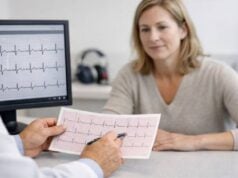
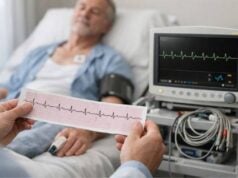
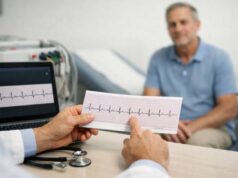
- ECG for old infarct patterns, ischemia clues, or rhythm issues
- Blood tests that assess kidney function, anemia, thyroid status, and heart strain markers
- Chest imaging when congestion is suspected
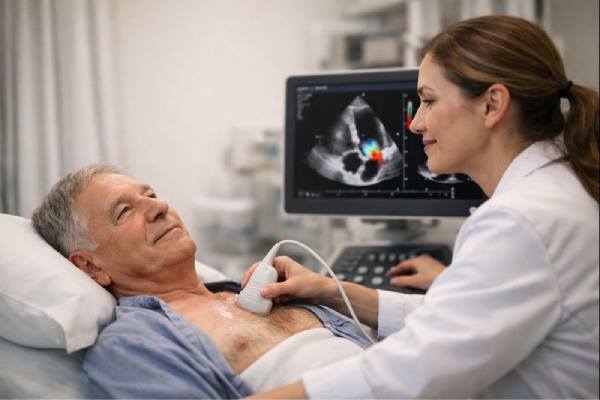
Echocardiogram: the core imaging test
An echocardiogram shows:
- Ejection fraction and overall pumping function
- Regional wall motion abnormalities (areas that do not contract well)
- Chamber sizes and wall thickness
- Valve function, especially mitral regurgitation
- Pulmonary pressures and signs of right-heart strain
A pattern of regional abnormalities often supports ischemic disease, while diffuse global weakness may suggest non-ischemic causes—though overlap can occur.
Testing the coronary arteries
To confirm coronary artery disease and plan treatment, clinicians may use:
- Stress testing with imaging to evaluate inducible ischemia
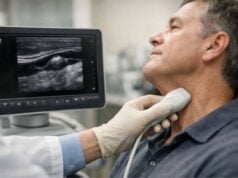
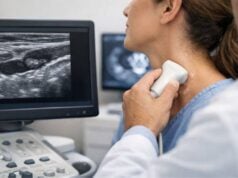
- CT coronary angiography in selected stable patients
- Invasive coronary angiography (cardiac catheterization) when anatomy needs precise definition or when symptoms suggest high risk
Viability and scar assessment
Some decisions hinge on whether weakened areas are scarred or potentially recoverable. Tests may include:
- Cardiac MRI with scar mapping
- Nuclear imaging or PET in selected cases
- Stress echo patterns suggesting viable muscle
This helps determine whether revascularization is likely to improve function or primarily improve symptoms and reduce future events.
Ruling out additional contributors
Even when coronary disease is present, clinicians may evaluate for compounding problems such as:
- Uncontrolled blood pressure
- Alcohol or toxin exposure
- Sleep apnea
- Iron deficiency anemia
- Inflammatory or infiltrative diseases (when suspected)
A clear diagnosis is not just a label. It is a map: which heart segments are affected, what the artery anatomy looks like, how much is reversible, and what the safest next step is.
Treatment options and what to expect
Treatment typically combines three pillars: heart failure medications, therapies that reduce future coronary events, and (when appropriate) procedures that restore blood flow. The best plan is individualized and often adjusted over weeks to months as blood pressure, kidney function, and symptoms respond.
Guideline-based heart failure medications
Most patients benefit from a combination of medicines that lower workload and improve survival in reduced pumping function, commonly including:
- Beta-blockers to slow heart rate and reduce oxygen demand
- ACE inhibitors, ARBs, or ARNI therapy to relax vessels and reduce remodeling
- Mineralocorticoid receptor antagonists to reduce fluid and fibrosis
- SGLT2 inhibitors (originally diabetes medicines) that improve heart failure outcomes in many patients
- Diuretics to relieve congestion (symptom control rather than long-term remodeling)
Doses are usually increased gradually. Early side effects such as lightheadedness or changes in kidney labs are monitored carefully.
Coronary disease protection
Because ischemic cardiomyopathy sits on top of coronary artery disease, clinicians often use:
- High-intensity statins (and sometimes add-on lipid therapy)
- Antiplatelet therapy (especially after stenting or recent acute coronary syndrome)
- Blood pressure and diabetes control tailored to vascular risk
- Smoking cessation strategies and cardiac rehabilitation
Revascularization: stents or bypass
When coronary anatomy and symptom burden support it, restoring blood flow can:
- Reduce angina
- Lower future heart attack risk in selected settings
- Improve survival in certain high-risk patterns (for example, significant left main or multivessel disease) and may improve function when viable muscle is present
Options include:
- Percutaneous coronary intervention (PCI) with stenting
- Coronary artery bypass grafting (CABG), often favored when disease is complex or extensive
The choice depends on anatomy, surgical risk, diabetes status, ventricular function, and patient goals.
Devices and advanced therapies
Some patients benefit from:
- ICD implantation to prevent sudden death in those with persistently low ejection fraction despite therapy
- Cardiac resynchronization therapy (CRT) when electrical timing is abnormal (wide QRS pattern) and symptoms persist
- Advanced therapies (LV assist devices or transplant evaluation) for refractory cases at specialized centers
What “success” usually looks like
Many patients see:
- Fewer symptoms and fewer hospitalizations
- Better exercise tolerance over months
- Improved quality of life with rehab and optimized medicines
- Clearer emergency thresholds (what symptoms require immediate care)
Even when ejection fraction does not normalize, stable control with fewer flare-ups is a meaningful success.
Management, prevention, and living well
Long-term management is where ischemic cardiomyopathy outcomes are often decided. The goal is not perfection; it is stability—fewer flare-ups, safer activity, and lower risk of future heart attacks and rhythm events.
Daily habits that protect the heart
High-impact steps include:
- Track weight daily; a rise of about 1–2 kg over a few days often signals fluid retention.
- Follow a heart-healthy eating pattern with attention to sodium if congestion is a recurring issue.
- Build aerobic activity gradually, ideally through cardiac rehabilitation or a clinician-approved plan.
- Stop smoking completely; even “some days” smoking keeps risk high.
- Prioritize sleep and evaluate for sleep apnea if loud snoring or daytime sleepiness is present.
If alcohol is used, discuss safe limits with a clinician; heavy use can worsen heart function and rhythm stability.
Medication adherence and monitoring
Practical routines:
- Use a pill organizer and refill early to avoid missed days.
- Monitor blood pressure at home and bring readings to visits.
- Keep scheduled lab checks for kidney function and electrolytes, especially after dose changes.
- Ask before starting over-the-counter decongestants or NSAIDs, which can raise blood pressure or worsen fluid retention in some patients.
Preventing decompensation: act early
Many hospitalizations are preceded by days of subtle change. Contact your clinician promptly if you notice:
- Rising daily weights
- Increasing ankle swelling
- Needing extra pillows to breathe comfortably
- Reduced exercise tolerance compared with baseline
- New palpitations or irregular pulse
Early diuretic adjustment and trigger treatment (infection, anemia, medication lapse) can prevent emergency escalation.
Long-term prevention of new ischemic injury
Because further ischemia worsens cardiomyopathy, prevention often includes:
- LDL targets that are aggressive enough for high vascular risk
- Blood pressure goals that avoid frequent spikes
- Diabetes management that reduces vascular events
- Vaccination and infection prevention where appropriate, because systemic illness can destabilize heart failure
When to seek urgent help
Call emergency services for:
- New or worsening chest pressure that does not resolve quickly with rest
- Severe breathlessness, fainting, or collapse
- Stroke symptoms
- Rapid sustained palpitations with dizziness or chest discomfort
Living well with ischemic cardiomyopathy is possible. The most effective path is consistent follow-up, gradual lifestyle change, and a written “action plan” for symptom flare-ups—so you are not making decisions in the moment when you feel unwell.
References
- 2022 ESC Guidelines for the management of patients with ventricular arrhythmias and the prevention of sudden cardiac death 2022 (Guideline)
- 2022 AHA/ACC/HFSA Guideline for the Management of Heart Failure 2022 (Guideline)
- 2023 AHA/ACC Guideline for the Management of Patients With Chronic Coronary Disease 2023 (Guideline)
- 2023 ESC Guidelines for the management of acute coronary syndromes 2023 (Guideline)
- 2024 ACC Expert Consensus Decision Pathway for Treatment of Heart Failure With Reduced Ejection Fraction 2024 (Consensus)
Disclaimer
This article is for general education and does not replace medical advice, diagnosis, or treatment. Ischemic cardiomyopathy can lead to life-threatening complications such as heart attack, dangerous heart rhythms, stroke, or severe heart failure. Seek emergency care immediately for chest pressure that persists or worsens, sudden severe shortness of breath, fainting, new confusion, or stroke symptoms. Medication choices, procedure decisions, and activity recommendations must be individualized based on your heart function, coronary anatomy, kidney function, bleeding risk, and other medical conditions. Always follow your clinician’s guidance and do not start or stop prescription medicines without medical supervision.
If you found this article helpful, please share it on Facebook, X (formerly Twitter), or any platform you prefer, and follow us on social media. Your support through sharing helps our team continue producing quality content.