Ischemic heart disease happens when the heart muscle does not get enough blood to meet its needs. For many people, it builds quietly over years as the heart’s blood vessels narrow. For others, it appears suddenly—through a heart attack or a dangerous rhythm—without much warning. Either way, the core problem is the same: the heart is working while its fuel line is partly blocked.
This condition can show up as chest pressure during a brisk walk, unexpected shortness of breath, or fatigue that feels out of proportion to effort. It can also be “silent,” especially in older adults or people with diabetes. The good news is that ischemic heart disease is often treatable and preventable from worsening. The most important steps are learning the warning signs, getting the right tests, and following a plan that protects the heart every day—not only during emergencies.
Table of Contents
- What ischemic heart disease is
- What causes it and who is at risk?
- Symptoms, complications, and red flags
- How it’s diagnosed
- Treatments that work and what to expect
- Management, prevention, and when to seek care
What ischemic heart disease is
Ischemic heart disease is reduced blood supply to the heart muscle, most often because the coronary arteries (the vessels that feed the heart) have narrowed or become blocked. When blood flow cannot keep up with the heart’s workload, the muscle becomes “under-fueled.” That mismatch can cause symptoms, weaken heart function over time, or trigger a heart attack if a vessel suddenly closes.
How it develops: slow narrowing vs sudden blockage
Many people picture a heart attack as the first and only sign. In reality, ischemic heart disease often begins as gradual narrowing from plaque buildup. That narrowing may not matter at rest, but it can become limiting during exertion—when the heart needs more oxygen. A sudden event can occur when a plaque ruptures and a clot forms on top of it, sharply reducing flow. This is why someone can have years of stable symptoms and then, unexpectedly, an emergency.
Common “types” people experience
Ischemic heart disease is an umbrella term that includes several patterns:
- Stable angina: predictable chest pressure or breathlessness with activity, relieved by rest.
- Unstable angina: new, worsening, or rest symptoms that suggest higher short-term risk.
- Heart attack (myocardial infarction): heart muscle injury due to prolonged loss of blood flow.
- Ischemia without major blockages: symptoms caused by spasm or problems in the small vessels, even when large arteries look less obstructed.
These patterns matter because they guide urgency and treatment. Stable symptoms often lead to outpatient evaluation and optimization of long-term therapy, while unstable symptoms require urgent assessment.
Why ischemia can feel different from person to person
The heart and nervous system do not signal trouble the same way in everyone. Some people feel classic chest pressure. Others feel shortness of breath, nausea, sweating, or an unusual “I can’t keep up” fatigue. Symptoms can also be muted in diabetes due to nerve changes, which is one reason routine risk screening and prompt evaluation of subtle changes are important.
The long-term consequence if untreated
Ongoing poor blood flow can lead to scarring and weakening of the heart muscle, increasing the risk of heart failure and abnormal rhythms. The goal of care is to prevent sudden events, reduce symptoms, and slow progression so the heart remains strong for years.
What causes it and who is at risk?
The most common cause of ischemic heart disease is plaque buildup in the coronary arteries. Plaque is a mix of cholesterol, inflammatory cells, and fibrous tissue that thickens artery walls over time. The narrowing reduces blood delivery, and plaque rupture can trigger a clot that blocks flow more suddenly.
Main causes
Ischemic heart disease usually comes from one or more of these mechanisms:
- Atherosclerosis: long-term plaque buildup that narrows arteries.
- Blood clots forming on plaque: the typical cause of many heart attacks.
- Coronary spasm: sudden tightening of an artery that temporarily reduces flow.
- Small-vessel dysfunction: impaired flow regulation in tiny vessels, which can cause symptoms even when large arteries look less blocked.
- Supply-demand imbalance: severe anemia, very fast heart rates, or extremely low blood pressure can limit oxygen delivery even without a major new blockage.
Risk factors that matter most
Some risks are fixed, but many are changeable. The biggest drivers include:
- High blood pressure
- High LDL cholesterol
- Diabetes or insulin resistance
- Smoking or nicotine exposure (including vaping in many cases)
- Chronic kidney disease
- Obesity and low physical activity
- Family history of early heart disease
- Older age
Lifestyle and social factors also shape risk: poor sleep, chronic stress, limited access to healthy food, and difficulty affording medications can raise the likelihood of events.
Why “risk stacking” raises danger quickly
Ischemic heart disease often becomes clinically obvious when risks stack together. For example, mild plaque plus uncontrolled blood pressure plus smoking plus a sedentary stretch during illness is far more dangerous than any one factor alone. This is why clinicians focus on a bundle of improvements, not a single “magic” fix.
Who needs extra vigilance
Certain groups benefit from earlier evaluation and tighter prevention plans:
- People with diabetes (risk is higher and symptoms may be less typical)
- Those with prior stroke, leg artery disease, or kidney disease (signals widespread vascular disease)
- People with strong family history, especially if events occurred before age 55 in men or before age 65 in women
- Individuals with inflammatory conditions that raise vascular risk over time
A practical takeaway for prevention
If you control the main drivers—blood pressure, LDL cholesterol, glucose, and smoking—your risk can drop meaningfully, even if you already have plaque. Prevention is not just about avoiding a heart attack; it is about preserving stamina, protecting heart function, and reducing the chance of sudden, life-altering events.
Symptoms, complications, and red flags
Ischemic heart disease can range from mild, stable symptoms to emergencies. A common challenge is that symptoms may be subtle or mistaken for indigestion, stress, or getting “out of shape.” Paying attention to patterns—what triggers symptoms and how quickly they improve—often provides the clearest clues.
Common symptoms
Symptoms may include:
- Chest pressure, tightness, heaviness, or burning (not always sharp pain)
- Shortness of breath, especially with exertion
- Pain or discomfort in the jaw, neck, shoulder, back, or one/both arms
- Nausea, sweating, or lightheadedness
- Unusual fatigue, especially if it limits routine tasks
- Reduced exercise tolerance (needing to stop sooner than usual)
Some people describe angina as “a band around the chest” or “a weight on the sternum,” rather than pain.
Symptoms that can be “atypical” but important
In older adults, women, and people with diabetes, ischemia may show up as:
- Breathlessness without chest discomfort
- Sudden exhaustion or weakness
- Nausea or stomach discomfort
- Sleep-disturbing symptoms (waking breathless or sweaty)
- A sense of doom or unexplained anxiety during exertion
A key clue is change: a new symptom, a faster onset, or symptoms triggered by less activity than before.
Complications to know about
Ischemic heart disease can lead to:
- Heart attack: prolonged blockage causing heart muscle injury
- Heart failure: weakened pumping due to repeated ischemia or scarring
- Arrhythmias: abnormal heart rhythms that can cause fainting or sudden death
- Angina progression: symptoms become more frequent or occur at rest
- Reduced quality of life: activity avoidance can lead to deconditioning, worsening symptoms in a loop
Red flags: when to seek emergency care
Get emergency help immediately for:
- Chest pressure or discomfort lasting more than a few minutes, or that returns repeatedly
- Chest symptoms plus shortness of breath, sweating, nausea, or fainting
- New severe breathlessness at rest
- Sudden collapse, fainting, or new confusion
- A very fast or irregular heartbeat with dizziness or chest discomfort
If you have nitroglycerin prescribed and symptoms do not improve quickly as instructed by your clinician, treat it as an emergency rather than “waiting it out.”
A practical “don’t ignore” rule
If symptoms are new, worsening, occurring at rest, or triggered by much less activity than usual, assume higher risk until proven otherwise. It is safer to be evaluated promptly—even if the final diagnosis is not heart-related—than to miss a narrow window where treatment can prevent major heart damage.
How it’s diagnosed
Diagnosis aims to answer three questions: is the heart currently in danger, is there evidence of reduced blood flow or injury, and what is the best next test to define risk and guide treatment. Clinicians often use a stepwise approach so people at low risk are not over-tested, while high-risk cases move quickly.
History, exam, and risk assessment
Clinicians begin by clarifying:
- What the discomfort feels like (pressure vs sharp pain)
- Triggers (exertion, stress, cold weather, heavy meals)
- Duration and relief (rest, medicines)
- Associated symptoms (breathlessness, nausea, sweating)
- Personal risks (smoking, diabetes, family history) and prior heart disease
The exam checks blood pressure, heart rhythm, lung congestion, and signs of poor circulation.
Core tests in acute settings
When symptoms suggest possible heart attack or unstable angina, common early tests include:
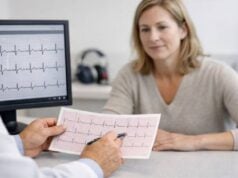
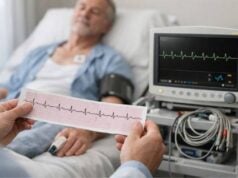
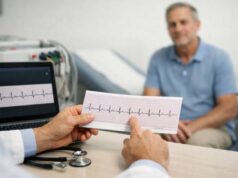
- Electrocardiogram (ECG): looks for ischemia patterns or prior injury.
- Blood tests for heart injury markers: typically repeated over hours to detect change.
- Chest imaging when needed: to evaluate other causes and look for fluid overload.
A normal early ECG does not fully rule out risk, which is why clinicians often repeat testing.
Testing when symptoms are stable
If symptoms are exertional and stable, clinicians may use:
- Exercise treadmill testing (in selected patients)
- Stress imaging tests that assess blood flow or wall motion during exertion or medication-induced stress
- CT coronary angiography in appropriate cases to evaluate coronary anatomy
- Echocardiography to assess pumping function and valve status
The right test depends on age, baseline ECG, ability to exercise, kidney function, prior stents/bypass, and how likely coronary disease is based on history.
Coronary angiography: defining anatomy when stakes are higher
Cardiac catheterization provides detailed information about blockages and is used when:
- Symptoms suggest high-risk disease
- Noninvasive tests indicate significant ischemia
- There is suspicion of a heart attack or unstable condition
- Revascularization (stents or bypass) is being considered
What diagnosis should deliver
A good workup does more than label a condition. It should clarify:
- Whether symptoms are truly due to ischemia
- How severe the risk is in the short term
- Which vessels are involved and how treatable the pattern is
- What plan reduces future events (medication, procedures, lifestyle, follow-up)
If the testing pathway feels confusing, ask your clinician what risk category you fall into and what specific decision the next test is meant to guide.
Treatments that work and what to expect
Treatment for ischemic heart disease has two goals: relieve symptoms today and prevent heart attacks and complications tomorrow. Most people do best with a combination of medication, lifestyle steps, and—when indicated—procedures that improve blood flow.
Medications that reduce risk and improve symptoms
Common medication categories include:
- Antiplatelet therapy (often aspirin, and sometimes an additional agent after stenting or acute coronary syndrome) to reduce clot formation on plaque
- Cholesterol-lowering therapy (often a high-intensity statin, with add-on therapy when needed) to stabilize plaque and lower future event risk
- Blood pressure medications to reduce arterial stress and heart workload
- Anti-anginal medicines that reduce symptoms by lowering heart oxygen demand or improving supply (choice depends on heart rate, blood pressure, and comorbidities)
Many people are surprised that “feeling fine” is not the only target. Some medicines are taken primarily to prevent events even if symptoms are mild.
Revascularization: stents and bypass surgery
Procedures that restore flow can be helpful when:
- Symptoms persist despite good medical therapy
- Blockages are high risk because of location or extent
- An acute coronary syndrome is present
- There is evidence of significant ischemia on testing
Stents can open focal narrowed areas, while bypass surgery is often considered for more complex or widespread disease, especially in certain high-risk patterns. The best option depends on anatomy, diabetes status, heart function, and procedural risk.
Cardiac rehabilitation: an underused “treatment”
Structured rehab programs improve exercise tolerance, reduce symptoms, and support long-term adherence. A typical program includes supervised exercise, nutrition support, smoking cessation resources, and education on symptom recognition. For many patients, rehab is where confidence returns.
What to expect after diagnosis
A realistic timeline looks like this:
- Early stabilization: symptoms controlled, immediate risks assessed.
- Medication optimization over weeks: doses adjusted based on blood pressure, heart rate, and side effects.
- Decision point: procedure vs continued medical therapy, guided by symptoms and test findings.
- Long-term prevention plan: targets for LDL, blood pressure, glucose, activity, and follow-up.
Side effects and safety monitoring
Because therapies can affect blood pressure, heart rate, bleeding risk, and liver or kidney function, clinicians monitor labs and symptoms. If you feel faint, develop black stools, notice unusual bruising, or have severe muscle pain or weakness after starting new medicines, report it promptly rather than stopping medications on your own.
Management, prevention, and when to seek care
Long-term management turns ischemic heart disease from a recurring threat into a structured plan. The most effective approach is consistent, not dramatic: steady risk reduction, symptom monitoring, and rapid action when patterns change.
Daily habits that make a measurable difference
Many clinicians focus on a few high-yield targets:
- Activity: build toward about 150 minutes per week of moderate aerobic activity, plus strength work 2 days per week, if your clinician says it is safe.
- Smoking: complete cessation is one of the fastest ways to lower risk.
- Nutrition: emphasize fiber-rich foods (vegetables, legumes, whole grains), lean proteins, and healthier fats; reduce ultra-processed foods and sugary drinks.
- Weight and waist management: even modest loss can improve blood pressure, glucose control, and exercise tolerance.
- Sleep: treat sleep apnea when present; poor sleep worsens blood pressure and inflammation.
Targets to discuss with your clinician
Targets vary by person, but common themes include:
- Blood pressure control that avoids frequent spikes
- LDL cholesterol lowered enough to meaningfully reduce events (often requiring medication in people with known disease)
- Diabetes targets that balance safety with prevention
- A plan for stress management that is realistic and repeatable
Ask for your specific numbers and how often they should be checked.
Medication routines that prevent setbacks
Practical strategies:
- Use a weekly pill organizer and refill early.
- Keep a current medication list on your phone or wallet.
- Avoid stopping antiplatelets or statins abruptly without medical guidance.
- Ask before using over-the-counter decongestants or anti-inflammatory medicines, which can raise blood pressure or strain the heart in some people.
Planning for travel, illness, and procedures
Risk rises during disruption. Prepare by:
- Moving regularly on long trips (stand, walk, stretch every 1–2 hours when possible).
- Staying hydrated and avoiding heavy alcohol intake during travel.
- Having a clear “sick day” plan for medications if you develop vomiting, dehydration, or significant infection.
- Informing clinicians about your heart disease before surgeries or dental procedures, so medications are managed safely.
When to seek care
Emergency care is warranted for:
- Chest pressure at rest or lasting more than a few minutes
- Symptoms with sweating, nausea, fainting, or severe shortness of breath
- Sudden collapse or new confusion
Prompt (same-day or urgent) evaluation is appropriate for:
- New exertional chest discomfort or breathlessness
- Angina that is occurring more often or with less activity
- New swelling, rapid weight gain, or reduced exercise tolerance
Ischemic heart disease is serious, but it is also highly actionable. A clear plan—paired with steady follow-through—often lets people live fully while lowering the risk of future emergencies.
References
- 2024 ESC Guidelines for the management of chronic coronary syndromes 2024 (Guideline)
- 2023 AHA/ACC/ACCP/ASPC/NLA/PCNA Guideline for the Management of Patients With Chronic Coronary Disease: A Report of the American Heart Association/American College of Cardiology Joint Committee on Clinical Practice Guidelines 2023 (Guideline)
- 2021 AHA/ACC/ASE/CHEST/SAEM/SCCT/SCMR Guideline for the Evaluation and Diagnosis of Chest Pain: A Report of the American College of Cardiology/American Heart Association Joint Committee on Clinical Practice Guidelines 2021 (Guideline)
- 2023 ESC Guidelines for the management of acute coronary syndromes 2023 (Guideline)
Disclaimer
This article is for general education and does not replace medical advice, diagnosis, or treatment. Ischemic heart disease can lead to heart attack, dangerous heart rhythms, heart failure, and sudden death. Seek emergency care immediately for chest pressure that persists or worsens, sudden severe shortness of breath, fainting, new confusion, or symptoms of stroke. Treatment choices—medications, procedures, and activity plans—must be individualized based on your symptoms, test results, other medical conditions, and bleeding risk. Do not start, stop, or change prescription medicines without guidance from a qualified clinician.
If you found this article helpful, please share it on Facebook, X (formerly Twitter), or any platform you prefer, and follow us on social media. Your support through sharing helps our team continue producing quality content.