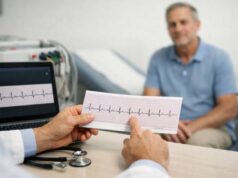
Ischemic peripheral vascular disease describes reduced blood flow to the limbs—most often the legs—because arteries have narrowed or become blocked. Many people first notice it as leg pain or cramping that appears when walking and eases with rest. Others discover it later, when a small foot wound will not heal, or when toes feel unusually cold or numb. These symptoms can be easy to dismiss, but they often signal widespread artery disease that also increases the risk of heart attack and stroke.
The good news is that this condition is highly actionable. Early testing can confirm whether the problem is circulation, nerves, joints, or something else. Treatment can improve walking distance, protect the skin and feet, and lower the risk of dangerous events. This article explains what’s happening inside the arteries, why it develops, how doctors diagnose it, and how daily management can keep you active and safe.
Table of Contents
- What it is and how it affects legs and feet
- What causes it and who is at highest risk?
- Symptoms and complications to watch for
- How it’s diagnosed and what tests mean
- Treatment options that improve flow and function
- Management, prevention, and when to seek urgent care
What it is and how it affects legs and feet
Ischemic peripheral vascular disease usually refers to peripheral artery disease—a reduction in blood flow to the arms or legs due to narrowed arteries. The legs are affected most often because they demand high blood flow during walking and climbing stairs. When an artery is narrowed, the muscles below that point receive enough blood at rest, but not enough during activity. This mismatch produces the classic symptom pattern: discomfort with exertion that improves with rest.
Where the narrowing occurs
Artery narrowing can occur anywhere from the aorta down to small arteries in the calf and foot. Common sites include:
- The iliac arteries in the pelvis
- The femoral and popliteal arteries in the thigh and behind the knee
- The tibial arteries in the lower leg
The location affects symptoms. Thigh or buttock pain often suggests disease higher in the pelvis, while calf pain is more typical of lower leg artery disease.
What reduced flow does to tissues over time
When blood flow stays low for months or years, several changes can follow:
- Muscles fatigue earlier and recover more slowly after walking
- Skin and nails become thin, dry, or slow-growing
- Minor cuts heal more slowly because tissues do not receive enough oxygen
- Nerves may become more sensitive to ischemia, causing burning or numbness
In advanced disease, the body tries to compensate by growing collateral vessels—small alternative pathways. Collaterals can delay severe symptoms, but they rarely restore normal circulation fully.
Why this is more than a “leg problem”
Peripheral artery disease is often a sign of atherosclerosis throughout the body. People with leg ischemia have a higher risk of heart attack and stroke because the same plaque process can affect coronary and carotid arteries. That is why treatment is not only about walking farther—it is also about lowering cardiovascular risk.
Two broad clinical pictures
Many people fall into one of these categories:
- Intermittent claudication: exertional leg discomfort that reliably improves with rest.
- Chronic limb-threatening ischemia: rest pain, ulcers, or gangrene due to severely reduced perfusion.
Knowing which picture fits is crucial, because limb-threatening ischemia requires urgent specialist care to prevent tissue loss.
What causes it and who is at highest risk?
The main cause of ischemic peripheral vascular disease is atherosclerosis. Over time, plaque builds inside artery walls, narrowing the channel for blood flow. In some cases, plaque can rupture and form a clot that suddenly worsens symptoms. Less commonly, reduced flow comes from artery inflammation, clotting disorders, or structural compression, but the overall risk profile is usually dominated by traditional cardiovascular risks.
Major causes
Common mechanisms include:
- Atherosclerotic narrowing: the most frequent cause, typically progressive over years
- Thrombosis on plaque: a clot forms at a narrowed segment and worsens obstruction
- Embolism: a clot travels from the heart or large vessels and blocks a limb artery (often sudden onset)
- Arterial dissection or injury: less common, may occur after trauma or procedures
- Inflammatory artery disease: can cause narrowing in specific populations
- Vasospasm: temporary narrowing, usually not the main driver of chronic leg ischemia
Risk factors with the biggest impact
The strongest and most consistent risks include:
- Smoking: one of the most powerful risk factors for both development and progression
- Diabetes: increases plaque burden and harms small-vessel circulation, raising ulcer risk
- High blood pressure
- High LDL cholesterol
- Chronic kidney disease
- Older age
- Family history of early atherosclerotic disease
Among these, smoking and diabetes often have the most visible effect on limb outcomes, especially when combined with high LDL.
Why symptoms may appear “late”
Many people develop plaque silently. Symptoms often start when narrowing becomes severe enough that activity triggers oxygen shortage. Some people have limited symptoms because they avoid walking due to joint pain, back problems, or deconditioning. This can mask disease until a wound fails to heal.
Higher-risk groups who benefit from earlier screening
Earlier evaluation is especially important for:
- People with diabetes over age 50 (or younger with additional risk factors)
- Current or former smokers
- People with known coronary disease, stroke, or carotid disease
- Those with chronic kidney disease
- Anyone with exertional leg symptoms that limit walking distance
A practical takeaway: peripheral vascular disease is often a “system signal.” If you have it in the legs, it is wise to treat the entire cardiovascular risk profile aggressively—not just the leg symptoms.
Symptoms and complications to watch for
Symptoms depend on how severely blood flow is reduced, where the narrowing occurs, and how active a person is. Some people have typical claudication. Others have non-classic symptoms such as leg fatigue or slowed walking pace. A careful symptom description helps clinicians distinguish artery problems from spinal stenosis, arthritis, nerve pain, or venous disease.
Classic symptoms: intermittent claudication
Typical features include:
- Cramping, aching, tightness, or fatigue in the calf, thigh, or buttock during walking
- Symptoms that appear at a fairly consistent distance or intensity
- Relief within a few minutes of rest
- Return of symptoms when activity resumes
People often describe “having to stop and stand” during walks. The stop–start pattern is a key clue.
Other possible symptoms
Ischemic peripheral vascular disease may also cause:
- Cold feet or toes compared with the other side
- Numbness, burning, or tingling (sometimes overlapping with neuropathy)
- Weak pulses in the feet
- Slower hair growth on legs, thin shiny skin, or thickened toenails
- Erectile dysfunction in some men, especially with pelvic artery disease
Complications that need close attention
Important complications include:
- Chronic limb-threatening ischemia: rest pain in the foot/toes, ulcers, or gangrene
- Poor wound healing: even small blisters can become serious if perfusion is low
- Infections: reduced blood flow weakens tissue defenses, raising risk of deep infections
- Amputation risk: rises sharply in severe disease, especially with diabetes and ongoing smoking
- Cardiovascular events: higher risk of heart attack and stroke due to systemic plaque
Urgent red flags: when to seek emergency care
Get emergency help immediately for signs of acute limb ischemia:
- Sudden severe leg or foot pain
- Pale, blue, or mottled skin color change
- Coldness compared with the other limb
- New numbness or weakness
- Inability to move toes or foot normally
- A suddenly absent pulse (if you are told how to check)
These symptoms can progress quickly. Rapid revascularization can be limb-saving.
Early “foot warning signs” that should not wait
Prompt evaluation is warranted for:
- Any non-healing foot wound lasting more than 1–2 weeks
- Toe pain at rest, especially worse at night or improved by dangling the leg
- New black discoloration of toes or skin
- New swelling, redness, or warmth around a wound (possible infection)
A useful rule: if pain is occurring at rest or a wound is not healing, treat it as urgent, not routine.
How it’s diagnosed and what tests mean
Diagnosis combines symptom patterns, physical findings, and objective circulation tests. The goal is to confirm reduced arterial blood flow, locate the disease, and determine severity so treatment matches risk.
History and physical exam
Clinicians ask:
- Where is the discomfort (calf, thigh, buttock, foot)?
- What triggers it (walking distance, stairs, speed)?
- How quickly does it resolve with rest?
- Are there rest symptoms or wounds?
The exam focuses on:
- Foot temperature and color
- Skin integrity, ulcers, and nail changes
- Pulses in groin, behind knee, and feet
- Bruits (whooshing sounds) over narrowed arteries
- Capillary refill and sensation, especially in diabetes
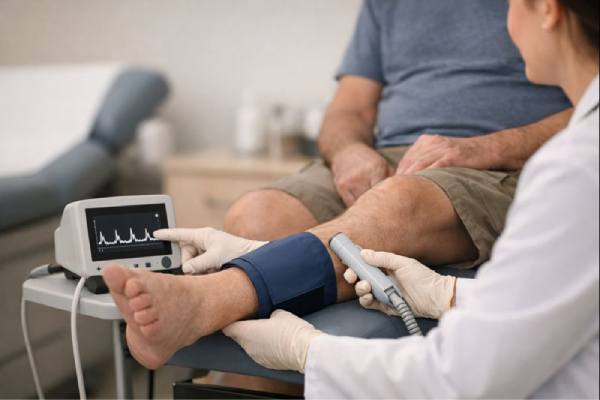
Ankle-brachial index (ABI): the foundational test
ABI compares blood pressure in the ankle with blood pressure in the arm. It is quick, noninvasive, and useful for:
- Confirming peripheral artery disease in people with exertional symptoms
- Estimating severity
- Tracking changes over time
In diabetes or kidney disease, arteries can become stiff and falsely elevate ABI readings. In those cases, clinicians may use toe pressures or other tests.
Toe-brachial index and perfusion measurements
Toe pressure testing is helpful when:
- ABI is unreliable due to calcified, stiff arteries
- There are wounds or suspected limb-threatening ischemia
- Clinicians need to assess healing potential in the foot
Other measurements may include skin perfusion pressure or transcutaneous oxygen testing in specialized settings, especially when ulcer healing decisions are needed.
Ultrasound and imaging to map disease
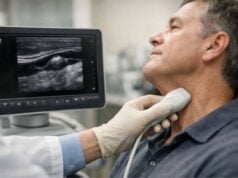
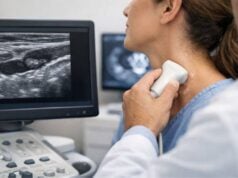
Duplex ultrasound can show:
- Where narrowing is located
- How fast blood is moving through a segment
- Whether there is a significant blockage
When intervention is being considered, clinicians may use:
- CT angiography or MR angiography to visualize the arterial tree
- Catheter angiography in selected cases, often when treating at the same time
How diagnosis guides treatment choices
Testing helps clinicians decide:
- Is this stable claudication or limb-threatening ischemia?
- Is medical therapy and supervised exercise enough, or is revascularization needed?
- Which artery segments should be targeted if intervention is planned?
- How urgent is the situation, especially with ulcers or rest pain?
A clear diagnostic pathway prevents two common problems: missing severe disease in a quiet presentation, and over-treating mild disease that can improve with structured rehab and risk control.
Treatment options that improve flow and function
Treatment has two parallel aims: improve limb symptoms and reduce long-term cardiovascular risk. Many people focus only on walking pain, but lowering heart attack and stroke risk is often the most important outcome benefit.
Core medical therapy for vascular protection
Most patients benefit from a prevention-focused medication plan, often including:
- Antiplatelet therapy to reduce artery-clot risk (choice individualized)
- High-intensity lipid-lowering therapy to stabilize plaque and lower LDL
- Blood pressure control tailored to cardiovascular risk
- Diabetes management with attention to foot protection and neuropathy
- Smoking cessation support, which may include medication and structured programs
These therapies can slow disease progression and reduce major events.
Exercise therapy: the most effective symptom tool for many
For claudication, supervised exercise therapy can significantly improve walking distance and reduce pain over time. A typical approach:
- Walk until moderate discomfort appears
- Rest until symptoms improve
- Repeat for a set duration
- Progress gradually over weeks
This training helps muscles use oxygen more efficiently and improves collateral circulation. Many people see meaningful gains within 8–12 weeks when consistent.
Symptom-directed medication options
Some patients may use medications aimed at improving walking tolerance or addressing coexisting conditions such as hypertension or angina. The best choice depends on bleeding risk, heart history, and overall vascular profile. Decisions should be individualized, especially if a person has both coronary and peripheral artery disease.
Revascularization: when procedures are needed
Procedures are considered when:
- Claudication severely limits daily life despite medical and exercise therapy
- There is rest pain, ulcers, or gangrene (limb-threatening ischemia)
- Anatomy suggests a high likelihood of meaningful improvement
Options include:
- Endovascular treatment (balloon angioplasty, stents, atherectomy) for suitable lesions
- Surgical bypass for more extensive disease or when endovascular options are less durable
The decision often balances symptom burden, anatomy, expected durability, and procedural risk.
Wound and foot care as “limb-saving therapy”
If ulcers are present, successful treatment often requires:
- Pressure offloading (special footwear, inserts, or boots)
- Infection control when needed
- Regular debridement in appropriate settings
- Perfusion optimization (medical therapy and revascularization when indicated)
In severe disease, limb outcomes often hinge as much on foot care and infection control as on the artery procedure itself.
Management, prevention, and when to seek urgent care
Living well with ischemic peripheral vascular disease is about consistent prevention, smart activity, and early response to skin and symptom changes. The goal is to stay mobile, protect the feet, and lower the risk of limb-threatening complications and cardiovascular events.
Daily management habits that matter
High-impact routines include:
- Walk regularly, using a structured plan that gradually increases total walking time.
- Inspect feet daily, especially if you have diabetes or neuropathy. Look between toes and along the heel.
- Keep skin moisturized but avoid lotion between toes (moisture there can promote fungal growth).
- Wear well-fitting shoes and socks; avoid barefoot walking, even at home.
- Protect from cold exposure, which can worsen symptoms in some people.
Risk-factor control: your strongest long-term tool
Priorities usually include:
- Complete smoking cessation
- LDL reduction with appropriate lipid therapy
- Blood pressure control
- Diabetes management with an emphasis on foot protection and infection prevention
- Weight and activity goals that are realistic and sustainable
Even when symptoms improve, staying on prevention therapy reduces the chance of heart attack and stroke.
Travel and illness planning
During long travel:
- Move legs often, stand periodically, and stay hydrated.
- Avoid tight straps that restrict circulation around calves or ankles.
During illness:
- Maintain hydration and medication routines as directed.
- Watch feet closely if activity decreases; pressure spots can develop quickly in neuropathy.
When to seek urgent or emergency care
Emergency care is needed for:
- Sudden severe leg or foot pain with coldness, numbness, weakness, or color change
- A rapidly worsening painful swollen foot with fever or spreading redness
- New black or purple discoloration of toes or skin
Prompt medical evaluation (same day or urgent visit) is warranted for:
- Any foot wound that is not improving within 1–2 weeks
- New rest pain in the foot or toes, especially at night
- Claudication that is rapidly worsening or occurring with much less walking than before
How to measure progress realistically
Useful markers include:
- Longer walking distance before symptoms start
- Faster symptom recovery after rest
- Stable skin integrity with no new wounds
- Fewer episodes of rest pain
- Consistent control of blood pressure, LDL, and glucose targets set by your clinician
With steady management, many people improve walking ability and reduce serious risk—often more than they expected when symptoms first appeared.
References
- 2022 AHA/ACC Guideline for the Management of Patients With Lower Extremity Peripheral Artery Disease 2022 (Guideline)
- 2021 Guideline for the Prevention of Stroke in Patients With Stroke and Transient Ischemic Attack 2021 (Guideline)
- Global Vascular Guidelines on the Management of Chronic Limb-Threatening Ischemia 2019 (Guideline)
- 2023 AHA/ACC/ACCP/ASPC/NLA/PCNA Guideline for the Management of Patients With Chronic Coronary Disease: A Report of the American Heart Association/American College of Cardiology Joint Committee on Clinical Practice Guidelines 2023 (Guideline)
Disclaimer
This article is for general education and does not replace medical advice, diagnosis, or treatment. Ischemic peripheral vascular disease can progress to limb-threatening ischemia, infection, and tissue loss, and it is also linked to higher risk of heart attack and stroke. Seek emergency care immediately for sudden severe leg or foot pain, coldness, numbness, weakness, fainting, or rapid color change, or for a rapidly worsening painful foot with fever or spreading redness. Treatment choices—including medications, exercise programs, and procedures—must be individualized based on circulation tests, symptoms, wound status, diabetes control, kidney function, and bleeding risk. Do not start or stop prescription medicines without guidance from a qualified clinician.
If you found this article helpful, please share it on Facebook, X (formerly Twitter), or any platform you prefer, and follow us on social media. Your support through sharing helps our team continue producing quality content.