An ischemic stroke happens when blood flow to part of the brain is blocked. Without oxygen-rich blood, brain cells begin to fail within minutes, and the effects can spread quickly. That is why stroke is treated as an emergency even if symptoms seem to ease or come and go. In some people, the first warning is subtle—an arm that feels clumsy, words that will not come out right, or sudden dizziness that seems “off.” In others, the change is dramatic and immediate. The good news is that modern treatment can limit damage when it is started fast, and focused prevention can sharply lower the chance of a second stroke. This guide explains what ischemic stroke is, why it occurs, how it is diagnosed, what treatments work best, and how recovery and long-term protection usually look.
Table of Contents
- What happens during an ischemic stroke
- What causes ischemic stroke and who is at risk
- Early symptoms and dangerous look-alikes
- How ischemic stroke is diagnosed quickly
- Treatments that limit brain damage
- Recovery, prevention, and when to get urgent help
What happens during an ischemic stroke
Ischemic stroke is the most common type of stroke. It occurs when an artery supplying the brain becomes blocked, cutting off oxygen and glucose that brain tissue needs to function. The block is usually caused by a clot forming on top of fatty plaque inside an artery, or by a clot that travels from the heart or a larger artery and lodges in a brain vessel.
A useful way to picture the problem is to imagine two zones around the blockage:
- The core: tissue that loses blood flow so completely that cells are likely to die quickly.
- The penumbra: tissue around the core that is under-supplied but still salvageable if blood flow is restored in time.
Modern emergency stroke care is built around saving as much penumbra as possible. That is why “time is brain” is not just a slogan. The earlier blood flow is restored, the more brain function can be preserved, and the better the odds of walking, speaking, and thinking independently afterward.
Not all ischemic strokes are the same, and location matters as much as size. A small blockage in a deep artery can cause major weakness if it disrupts a critical pathway. A larger blockage on the brain’s surface may affect speech, vision, or spatial awareness depending on which hemisphere and region is involved. Some strokes mainly affect balance and coordination (often in the brainstem or cerebellum), which can be missed because people expect stroke to look like arm weakness.
Ischemic strokes are often classified by likely cause, because the cause shapes prevention:
- Large-artery atherosclerosis: narrowing or blockage from plaque in arteries like the carotid.
- Cardioembolic stroke: a clot from the heart, commonly linked to atrial fibrillation.
- Small-vessel (lacunar) stroke: blockage of tiny deep vessels, often tied to long-term high blood pressure or diabetes.
- Other or unknown causes: including artery tears, inflammation, or rarer clotting disorders.
Even when symptoms improve quickly, damage can still be occurring. A “mini-stroke,” also called a transient ischemic attack (TIA), is a warning that a larger stroke may follow—sometimes within hours or days. Treating TIA as an emergency is one of the most effective ways to prevent a disabling stroke.
What causes ischemic stroke and who is at risk
An ischemic stroke usually results from one of three broad problems: a narrowed artery that closes off, a clot that travels and gets stuck, or a small vessel that becomes blocked after years of strain. Many people have more than one contributor, which is why prevention often requires a “bundle” approach rather than one single fix.
Common causes
- Plaque rupture in an artery: Fatty buildup (atherosclerosis) can crack, triggering clot formation and sudden blockage. This is common in the carotid arteries in the neck and in arteries inside the brain.
- Clots from the heart: Irregular heart rhythms—especially atrial fibrillation—can allow blood to pool and clot. Valve disease, recent heart attack, and heart failure can also raise risk.
- Small-vessel disease: Long-standing high blood pressure can thicken and damage small arteries deep in the brain. Diabetes and smoking worsen this process.
Less common but important causes include:
- Artery dissection: A tear in an artery wall (often the carotid or vertebral artery) can trigger clotting and blockage. It may follow neck trauma or occur spontaneously.
- Inflammation of blood vessels: Certain autoimmune conditions can inflame arteries.
- Unusual clotting states: Some inherited or acquired conditions make blood more likely to clot, particularly in younger patients or in those with repeated events.
Risk factors that matter most
Some risks are non-modifiable, but many are highly treatable. The strongest drivers include:
- High blood pressure
- High LDL cholesterol or known plaque disease
- Diabetes or insulin resistance
- Tobacco use (including vaping nicotine for some people, depending on exposure and vascular risk profile)
- Atrial fibrillation or other high-risk heart conditions
- Prior stroke or TIA
- Sleep apnea that is untreated
- Chronic kidney disease
- Obesity and inactivity
Why “clusters” of risk are dangerous
Stroke risk rises sharply when multiple factors stack together. For example, moderately high blood pressure plus smoking plus high LDL is not “three small problems.” Together they accelerate plaque formation and make clots more likely. This is why prevention plans often prioritize the highest-impact steps first: controlling blood pressure, stopping tobacco, and lowering LDL.
Practical clues to hidden risk
Some people do not realize they have a stroke risk condition until an evaluation reveals it. Clinicians often look for:
- Silent atrial fibrillation (found on longer heart rhythm monitoring)
- Significant carotid narrowing (found on ultrasound or CT/MR angiography)
- Poorly controlled blood pressure at home despite “normal” office readings
- High cholesterol in people with strong family history
Understanding your personal “stroke pathway”—artery disease, heart-related clots, or small-vessel injury—helps the medical team choose the most effective long-term prevention strategy.
Early symptoms and dangerous look-alikes
Ischemic stroke symptoms begin suddenly because blood flow is interrupted abruptly. The most important rule is simple: new, one-sided, or abrupt neurologic symptoms are an emergency—even if they improve.
The most common early symptoms
Many strokes show a recognizable pattern, often summarized by FAST:
- Face: one side droops or feels numb
- Arm: weakness, clumsiness, or drifting of one arm
- Speech: slurred speech, trouble finding words, or inability to understand language
- Time: act immediately—call emergency services
Other frequent symptoms include:
- Sudden numbness or weakness in the leg, especially on one side
- Sudden trouble seeing in one or both eyes (blurred, dim, or missing areas of vision)
- Sudden confusion or difficulty following a conversation
- Sudden trouble walking, loss of balance, or coordination problems
- A sudden, severe headache can occur, though it is more typical of bleeding strokes; it still warrants urgent evaluation
Symptoms that are easy to miss
Some strokes do not look like the “classic” picture:
- Posterior circulation strokes (brainstem/cerebellum) may cause dizziness, vomiting, double vision, severe unsteadiness, or slurred speech without obvious arm weakness.
- Right-brain strokes can cause neglect (not noticing one side of the body or space), which a person may not recognize as abnormal.
- Small deep strokes can cause isolated hand weakness, facial droop, or a “pure” sensory change.
Transient ischemic attack (TIA): the rehearsal you must not ignore
A TIA causes stroke-like symptoms that resolve, often within minutes to an hour. Even though symptoms improve, the risk of a full stroke can be high soon afterward. A TIA is best treated as a “stroke warning siren,” not a problem that has passed.
Dangerous look-alikes (and why timing still matters)
Some conditions can mimic stroke:
- Low blood sugar can cause confusion, weakness, and speech difficulty.
- Seizures may leave temporary weakness afterward.
- Migraine with aura can cause numbness, visual changes, or speech disruption.
- Inner ear disorders can cause vertigo and imbalance.
Because the treatments for ischemic stroke are time-sensitive, it is safer to be evaluated urgently than to try to self-diagnose. Emergency teams can quickly check blood sugar, assess neurologic signs, and image the brain to separate stroke from mimics.
“Call now” red flags
Seek emergency care immediately for:
- Any new facial droop, arm/leg weakness, or speech change
- Sudden vision loss or double vision
- Sudden inability to walk normally or severe imbalance
- Symptoms that improve but do not feel fully normal
A fast response is not overreacting—it is how brain tissue is saved.
How ischemic stroke is diagnosed quickly
Diagnosing ischemic stroke is a race against time, but it is also a careful safety check. Clinicians must confirm that symptoms are due to a stroke, determine whether bleeding is present, and identify whether a large artery is blocked—because that changes treatment.
Step 1: Rapid bedside assessment
The emergency team starts with:
- Time last known well: the last moment the person was normal. This is often the most important detail for treatment eligibility.
- Focused neurologic exam: looking at speech, strength, vision, coordination, and attention.
- Immediate basic tests: especially blood glucose, since low sugar can mimic stroke.
They may use a standardized stroke scale to measure severity and track changes.
Step 2: Brain imaging to rule out bleeding
A non-contrast CT scan is commonly used first because it is fast and excellent at detecting bleeding. This matters because clot-busting medicine is dangerous if the problem is a hemorrhage. Early in an ischemic stroke, the CT can look normal; that does not rule out stroke.
An MRI can detect ischemic injury earlier and with more detail in many cases, but access and timing vary. Some hospitals use MRI when it can be obtained without delaying treatment.
Step 3: Vessel imaging to find blockages
If the team suspects a large vessel blockage—especially with major weakness, speech loss, or gaze deviation—they often add imaging to see arteries:
- CT angiography (CTA) or MR angiography (MRA) can identify a blocked large artery and guide whether thrombectomy (clot removal) may help.
- Some centers use perfusion imaging (CT or MR) to estimate how much tissue is core versus penumbra, which can expand treatment options in selected patients.
Step 4: Laboratory tests for safe treatment
Blood tests do not diagnose stroke, but they support safe care, such as:
- Platelet count and clotting studies when indicated
- Kidney function (important for contrast imaging and medication choice)
- Cardiac markers in some cases
Step 5: Finding the cause to prevent the next stroke
Once the immediate emergency is stabilized, the team looks for the stroke source:
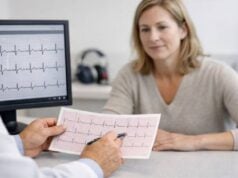
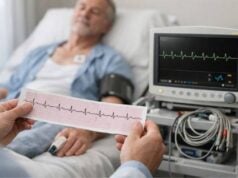
- Heart rhythm monitoring for atrial fibrillation
- Echocardiogram when a heart source is suspected
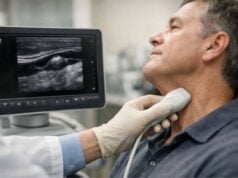
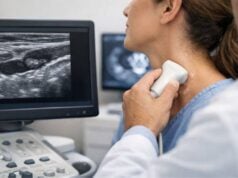
- Carotid ultrasound/CTA/MRA for carotid narrowing
- Blood pressure patterns, cholesterol profile, and diabetes screening
A helpful way to think about diagnosis is “two diagnoses at once”: first, confirm stroke and treat it fast; second, identify why it happened so prevention is tailored instead of generic.
Treatments that limit brain damage
Acute ischemic stroke treatment aims to restore blood flow, prevent the clot from worsening, and protect the brain and body during a vulnerable period. The exact plan depends on how long symptoms have been present, the location of the blockage, bleeding risk, and imaging results.
Emergency priorities in the first minutes
Teams focus on stabilizing:
- Airway, breathing, and oxygen levels
- Blood pressure in a safe range for the situation
- Blood glucose (both low and very high levels can worsen outcomes)
- Temperature (fever can increase injury)
Clot-dissolving medicine (thrombolysis)
For selected patients, an IV “clot-busting” medicine can improve outcomes when given early and safely. Key points:
- It is most effective when given as soon as possible after symptom onset.
- Eligibility depends on imaging (no bleeding), timing, and medical factors such as recent surgery or high bleeding risk.
- Some systems use tenecteplase in certain settings; others use alteplase, depending on local protocols and patient factors.
The decision is individualized because the benefit of restoring blood flow must outweigh bleeding risk.
Mechanical thrombectomy (clot removal)
For strokes caused by a large vessel blockage, mechanical thrombectomy can be life-changing. A specialist threads a catheter through an artery to remove the clot. It is typically considered when:
- Imaging shows a large artery is blocked, and
- Symptoms are significant, and
- The person meets time and imaging criteria suggesting salvageable brain tissue
Many people assume stroke treatment is only medication. In reality, thrombectomy is one of the most powerful tools in modern stroke care for appropriate candidates.
Antiplatelet and anticoagulant decisions
After acute treatment decisions are made, prevention begins:
- Antiplatelet therapy (such as aspirin) is common for many non-cardioembolic strokes.
- Anticoagulation (blood thinners aimed at clot prevention in the heart) is used when atrial fibrillation or another high-risk heart source is identified, usually started after careful timing decisions based on stroke size and bleeding risk.
Preventing early complications
Stroke can trigger complications even after blood flow is restored. Hospitals monitor closely for:
- Brain swelling (more common with large strokes)
- Bleeding into the stroke area
- Aspiration pneumonia due to swallowing difficulty
- Blood clots in the legs from immobility
- Heart rhythm problems
What families can ask in the moment
Clear questions can help:
- What time was “last known well,” and what treatments are time-limited?
- Is there a large vessel blockage, and is thrombectomy an option?
- What is the plan for blood pressure and glucose right now?
- What is being done to prevent swallowing-related choking or pneumonia?
Fast treatment opens the door to recovery. The earlier the intervention, the more likely the brain has tissue that can be saved.
Recovery, prevention, and when to get urgent help
Recovery after ischemic stroke is a process, not a single milestone. The brain can relearn skills through repetition and targeted therapy, and the body can regain strength with consistent training. At the same time, prevention becomes urgent because the risk of another stroke is highest in the first weeks and months after the first event.
What recovery typically looks like
Many people see the fastest gains in the first days to weeks, but meaningful improvement can continue for months. Recovery depends on stroke size, location, speed of treatment, and overall health. A structured plan often includes:
- Physical therapy: strength, balance, walking, and endurance
- Occupational therapy: hand function, daily activities, driving readiness, adaptive strategies
- Speech-language therapy: speech clarity, language, thinking skills, and swallowing safety
Small daily practice sessions often outperform occasional long sessions. Consistency matters more than intensity alone.
Secondary prevention: the “big levers” that reduce recurrence
Prevention is most effective when it is specific and measurable. Common pillars include:
- Blood pressure control: often the single most powerful long-term risk reducer
- Cholesterol lowering: especially LDL reduction when plaque disease is present
- Antiplatelet or anticoagulant therapy: matched to stroke mechanism
- Diabetes management: aiming for stable, safe glucose control
- Smoking cessation: including avoiding secondhand smoke exposure when possible
- Sleep apnea evaluation and treatment: particularly if snoring, daytime sleepiness, or resistant hypertension is present
- Activity and diet: a sustainable plan that supports weight, blood pressure, and metabolic health
A practical weekly goal many teams use is at least 150 minutes of moderate activity (as tolerated and cleared), plus strength training 2 days per week, adapted to disability level.
Preventing complications at home
Depending on deficits, planning may include:
- Home safety changes to prevent falls
- Medication routines to avoid missed doses
- Swallowing strategies and diet texture changes when needed
- Monitoring for depression, which is common and treatable after stroke
When to seek urgent care during recovery
Call emergency services immediately for:
- Any new FAST symptoms, even if they resolve
- Sudden severe headache with neurologic changes
- New confusion, fainting, chest pain, or severe shortness of breath
- Significant bleeding or head injury if taking blood thinners
A realistic, hopeful outlook
Many people fear they will “plateau.” Progress often comes in waves: a new therapy approach, improved stamina, better sleep, or optimized medications can restart gains. Prevention and recovery work best when they are treated as a long-term partnership between the patient, family, and care team—with clear targets, regular follow-up, and early response to new symptoms.
References
- 2024 Guideline for the Primary Prevention of Stroke: A Guideline From the American Heart Association/American Stroke Association 2024 (Guideline)
- 2021 Guideline for the Prevention of Stroke in Patients With Stroke and Transient Ischemic Attack: A Guideline From the American Heart Association/American Stroke Association 2021 (Guideline)
- European Stroke Organisation (ESO) guidelines on intravenous thrombolysis for acute ischaemic stroke 2021 (Guideline)
- European Stroke Organisation (ESO) expedited recommendation on tenecteplase for acute ischaemic stroke 2023 (Guideline)
Disclaimer
This article is for general education and does not replace medical advice, diagnosis, or treatment. Ischemic stroke is a medical emergency that can cause permanent disability or death. Call emergency services immediately for sudden face drooping, arm or leg weakness, speech trouble, vision loss, severe imbalance, fainting, or any rapidly worsening neurologic symptom—even if it improves. Stroke treatments are time-sensitive, and eligibility depends on timing, imaging, and individual risks. Do not start, stop, or change antiplatelet or anticoagulant medicines without clinician guidance, as these drugs can cause serious bleeding and must be individualized.
If you found this article helpful, please share it on Facebook, X (formerly Twitter), or any platform you prefer, and follow us on social media. Your support through sharing helps our team continue producing quality content.