Italian Lavender, botanically known as Lavandula stoechas, is a Mediterranean aromatic herb often grouped under the broader lavender umbrella, though it is not the same plant as common lavender used in many modern calming products. Its traditional uses are wider and somewhat sharper in character: folk medicine has used it for cough, digestive discomfort, headaches, inflammatory complaints, wound care, and aromatic nervous-system support. Modern phytochemical research shows why it still attracts interest. Its flowers and aerial parts contain volatile compounds such as fenchone, camphor, and 1,8-cineole, along with flavonoids, tannins, coumarins, mucilages, and other phenolic substances that may contribute to antioxidant, antimicrobial, wound-healing, and anti-inflammatory effects.
At the same time, Italian Lavender should not be treated as interchangeable with gentler lavender species. Its chemistry varies by region, and the higher camphor and fenchone profile in many L. stoechas oils means its safety, dosage, and likely effects need a more careful lens. The sections below explain what it contains, what it may realistically help with, how it is used, how much is sensible, and where the evidence still stops short.
Key Insights
- Italian Lavender may support mild wound healing and inflammatory balance, especially in topical or extract-based forms.
- Traditional use also points to cough relief, digestive soothing, and aromatic support for headaches and tension.
- A cautious infusion range is about 1 to 2 g dried flowering tops in 250 mL water once daily, used short term rather than as a daily habit.
- Avoid unsupervised use during pregnancy, breastfeeding, seizure disorders, or when using concentrated essential oil internally.
Table of Contents
- What is Italian Lavender
- Key compounds and medicinal properties
- What might Italian Lavender help with
- How Italian Lavender is used
- How much per day
- Safety, interactions, and who should avoid it
- What the evidence actually says
What is Italian Lavender
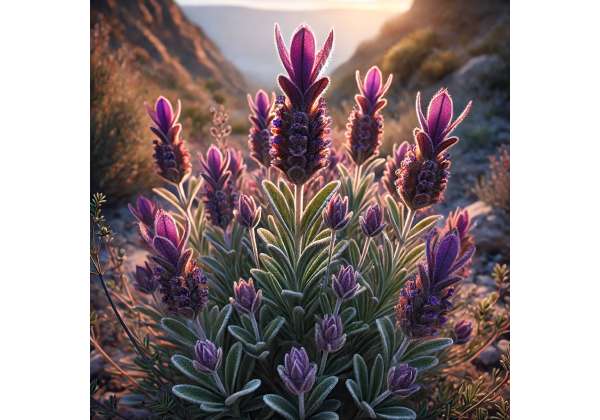
Italian Lavender is a flowering shrub of the mint family, native to the Mediterranean basin and especially associated with dry, sunny, rocky landscapes. Many readers may know it better by other common names such as Spanish lavender or French lavender, depending on region and gardening tradition. Visually, it differs from common lavender because its flower heads are shorter and topped with distinctive petal-like purple bracts that give it a more ornamental, butterfly-like appearance. The leaves are narrow, gray-green, and strongly aromatic when rubbed.
Historically, Lavandula stoechas was never just a garden plant. Mediterranean traditional medicine used it as a cephalic tonic, carminative, expectorant, antispasmodic, and wound-support herb. Ethnomedicinal records describe uses for pulmonary infections, inflammatory conditions, headaches, migraine, colic pain, urinary complaints, rheumatic discomfort, wounds, eczema, and even tea or soup-like household preparations. In Turkish folk use, flower infusions were described as expectorant, stimulant, menstrual-supportive, and wound-healing. In Palestinian tradition, decoctions of the aerial parts were used for migraine and epilepsy. These uses show how broad the historical reputation of the plant once was, even if modern clinical evidence does not confirm all of them.
What makes Italian Lavender especially important to distinguish from other lavenders is its chemical personality. While many people associate “lavender” with soft floral notes and soothing linalool-rich oil, L. stoechas often has a very different dominant profile. In many populations, fenchone, camphor, and 1,8-cineole are the leading volatile compounds. That matters because these constituents can change both fragrance and physiologic behavior. In plain language, Italian Lavender is not just a stronger-smelling version of true lavender. It is a related but distinct medicinal aromatic with its own traditional role, its own research profile, and its own safety questions.
The best way to approach it is as a traditional Mediterranean lavender with genuine pharmacologic interest, especially for topical, inflammatory, respiratory, and antimicrobial contexts, but not as a one-size-fits-all calming herb. Readers who mainly want a soft respiratory herb often do better starting with great mullein for airway comfort, then treating Italian Lavender as a more specialized aromatic plant rather than the first option in a home herb cabinet.
Key compounds and medicinal properties
Italian Lavender’s medicinal profile starts with its chemistry, and that chemistry is both rich and variable. Reviews and analytic studies of Lavandula stoechas describe hydroethanolic extracts containing flavonoids, catechic tannins, sterols, coumarins, leucoanthocyanins, and mucilages. Species-specific work also identifies flavone glycosides in the leaves and aerial parts, including apigenin 7-glucoside, luteolin, luteolin 7-glucoside, and luteolin 7-glucuronide, alongside triterpene-type constituents such as oleanolic acid, ursolic acid, lupeol, erythrodiol, and beta-sitosterol.
The volatile fraction is what usually gets the most attention. Across different Mediterranean populations, the essential oil commonly shows a fenchone-camphor-1,8-cineole pattern, though the percentages can change sharply by geography, plant part, harvest time, and local chemotype. Some recent analyses have found camphor as the leading compound, followed by fenchone and smaller but still meaningful amounts of oxygenated monoterpenes and aromatic alcohols. Other studies report similar dominance by fenchone, camphor, and 1,8-cineole, though not always in the same order. This matters because these volatile compounds help explain many of the plant’s antimicrobial, aromatic, and physiologic effects.
From a medicinal-properties perspective, the plant’s chemistry suggests several overlapping actions:
- Flavonoids and phenolic compounds support antioxidant and anti-inflammatory potential.
- Tannins may contribute mild astringent and tissue-toning behavior.
- Coumarins and related phytochemicals may influence vascular and inflammatory responses.
- Volatile monoterpenes such as camphor, fenchone, and 1,8-cineole contribute aromatic, antimicrobial, and sometimes more stimulating or penetrating effects.
- Mucilage-like compounds in non-volatile extracts may partly explain traditional soothing and respiratory uses.
This mixed chemistry is why Italian Lavender feels different from the more familiar “relaxing lavender” narrative. In practice, L. stoechas may still calm or support the nervous system in some traditional contexts, but its oil is often less floral and more camphoraceous. That sharper profile makes it interesting for respiratory blends, external use, and antimicrobial investigation, but it also means it should not automatically be assumed to behave like gentler lavender products used in modern sleep or stress formulas.
It is also helpful to remember that essential-oil chemistry does not act in isolation. Whole-plant infusions and extracts can behave differently because they include tannins, flavonoids, and water-soluble compounds that may soften or broaden the plant’s effect. This is one reason traditional tea use and essential-oil use should not be treated as identical. For readers who like comparing antioxidant-rich aromatic herbs, the broader logic is somewhat similar to green tea and other polyphenol-rich plants, though the route of use and volatile chemistry are obviously very different.
What might Italian Lavender help with
Italian Lavender may help in several areas, but the realistic answer depends on whether we are talking about traditional use, laboratory data, or modern human evidence. Traditional use is broad. Preclinical evidence is encouraging. Human clinical evidence that is clearly specific to Lavandula stoechas is still limited. That means the plant deserves interest, but not hype.
One of the strongest modern signals is anti-inflammatory activity. Experimental work on hydroalcoholic extracts has shown that L. stoechas can reduce inflammatory mediators, improve oxidative status, lower pro-inflammatory cytokine and enzyme expression, and reduce swelling in animal models. Some studies also reported intestinal anti-inflammatory effects in colitis-type models, which supports the old idea that the herb may have value beyond surface-level soothing. This is still animal and cell-model evidence, but it is stronger than vague reputation alone.
Wound healing is another promising area. In an experimental diabetes wound model, the Lavandula stoechas-treated group showed the highest wound-healing percentages over several checkpoints, with microscopic findings that supported faster tissue repair and improved collagen-related changes. That aligns well with older folk uses that describe the plant as a wound-healing or skin-support herb. It also suggests that topical use may be more evidence-grounded than casual internal use.
The essential oil also shows antimicrobial and antioxidant properties in vitro. Studies of oils from multiple Moroccan sites found activity against several bacteria and Candida albicans, alongside notable antioxidant performance. More recent essential-oil blending research again highlighted antibacterial activity, even though the strongest inhibition sometimes came from combinations rather than L. stoechas alone. These results matter most in the context of topical care, preservation research, or laboratory pharmacology, not as proof that the herb will treat infections at home.
Traditional uses for cough, colic pain, headache, rheumatic complaints, and wound care are still relevant, especially because the plant’s chemistry makes them plausible. Yet if your main goal is a gentle calming herb, it is worth remembering that evidence for stress and sleep is much stronger for other herbs and other lavender species. A person seeking a softer nervous-system plant might find lemon balm as a gentler calming herb a more comfortable place to begin. Italian Lavender’s strengths are probably most realistic in topical support, inflammatory balance, aromatic respiratory use, and traditional short-term applications rather than daily relaxation formulas.
How Italian Lavender is used
Italian Lavender can be used as a dried herb infusion, an aromatic steam or inhalation aid, a diluted essential oil in topical preparations, or as part of more structured extract-based products. The best form depends on the goal. Traditional use favors the flowers and aerial parts, while modern research often focuses on hydroalcoholic extracts or essential oils rather than ordinary household tea.
For traditional-style internal use, the most reasonable form is a mild infusion of dried flowering tops. This matches the historical record better than capsules or raw essential oil. The tea route makes the most sense when the goal is short-term support for cough, digestive heaviness, or a feeling of cold, damp congestion rather than a strong sedative effect. Because the volatile chemistry can be sharper than common lavender, the infusion should stay moderate rather than heavily concentrated.
Aromatic use is another familiar pathway. The essential oil, when properly diluted or diffused, may be used in inhalation-style approaches for fragrance, respiratory freshness, or traditional clearing effects. But this is not the same as assuming it is safe for all people or at all doses. Camphor-rich oils deserve more restraint than casual “drop it everywhere” aromatherapy culture often suggests.
Topical use may be the most defensible modern option. Given the wound-healing and anti-inflammatory findings in animal models, it is reasonable to see diluted topical use as a stronger lane than routine internal use. That might include well-formulated salves, compresses, or diluted essential-oil preparations used on intact skin or carefully chosen areas. It should not mean applying undiluted oil to irritated skin or open wounds without judgment.
A measured practical approach looks like this:
- Use dried flowering tops for tea, not essential oil taken by mouth.
- Keep aromatic use moderate and well ventilated.
- Dilute essential oil before skin use.
- Prefer short, purpose-specific use over daily habit.
- Stop if irritation, headache, or overstimulation appears.
This is also where many people confuse “lavender” as a category. Lavandula stoechas is often discussed alongside common lavender, but the route of use should be more conservative. Readers wanting a respiratory aromatic comparison might find eucalyptus for colds and aromatic steam support a useful point of contrast. Eucalyptus is not necessarily safer in every context, but it makes the idea clearer: not every fragrant herb is meant for relaxed, all-purpose daily sipping.
How much per day
No standardized modern oral dose has been established for Italian Lavender in the way that some supplements have validated daily ranges. That is one of the most important practical limitations. Most available dose signals come from traditional preparation habits, animal work, or extract research rather than from large human trials. As a result, the safest guidance is conservative.
For an infusion, a cautious starting range is about 1 to 2 g of dried flowering tops in 250 mL of hot water, steeped for about 5 to 10 minutes, taken once daily at first. If well tolerated and still useful, some traditional users would increase to one cup twice daily for a short period. That said, this is a practical herbal range, not a clinically proven dose. Because the chemistry is often richer in camphor and fenchone than common lavender, stronger is not necessarily better.
For inhalation or room diffusion, keep exposure modest. A few drops in a diffuser or steam bowl is usually more sensible than prolonged heavy inhalation. Aromatic plants with stimulating monoterpenes can become unpleasant fast, especially in small rooms, around children, or in people who are scent-sensitive. The goal is a light aromatic effect, not saturation.
For topical use, dilution matters more than quantity. A 1% to 2% essential-oil dilution in a carrier oil is a prudent upper range for general adult use on small skin areas, while more concentrated experimental products should be left to structured formulations rather than home improvisation. Research on wound healing used extract-based preparations, not casual undiluted essential oil.
A few practical rules help keep the dose question realistic:
- Start lower than you think you need.
- Use short-term rather than continuous daily exposure.
- Avoid oral essential oil unless specifically directed by a qualified clinician.
- Keep topical use diluted and limited.
- Stop if you notice headache, skin burning, nausea, agitation, or unusual sensitivity.
The duration question matters as much as the amount. A few days to two weeks of careful use is a more defensible frame than months of unsupervised internal use. If symptoms persist, that is a signal to reassess rather than push the dose higher. People who want herbs with much clearer intake ranges often prefer products such as psyllium with better-defined dosage guidance. Italian Lavender is not that kind of herb. It works best when approached as a short-term, purpose-driven aromatic rather than a routine daily supplement.
Safety, interactions, and who should avoid it
Safety with Italian Lavender is not simply a footnote. It is part of the core identity of the plant. Many L. stoechas oils are rich in camphor and fenchone, and while those compounds contribute to fragrance and bioactivity, they also push the plant away from the “always gentle” image people may associate with lavender. Extract studies also show that high doses can produce clear toxicity signs in animals, including hyperactivity, ataxia, convulsions, and death. This does not mean ordinary tea is equivalent to an animal toxicity model. It does mean the plant should not be treated like a harmless daily beverage. The most sensible safety approach is to keep internal use light, brief, and clearly secondary to safer first-line options.
People who should avoid unsupervised use include:
- Pregnant or breastfeeding people.
- Children.
- People with seizure disorders.
- People with strong scent sensitivity or migraine triggered by aromatics.
- Anyone taking sedatives, anticonvulsants, or multiple central nervous system medicines.
- People with chronic liver or kidney disease until more specific safety data exist.
Topical use can also cause problems if the oil is used undiluted. Skin irritation, redness, stinging, and allergic responses are possible, especially in people with eczema-prone or reactive skin. Keep essential oil away from eyes, mucous membranes, and damaged skin unless the product is specifically designed for that context.
Interaction concerns are partly theoretical and partly practical. A strongly aromatic oil may add to sedative or neurologic effects in some people, while camphor-containing products can be risky if misused. It is also wise not to combine Italian Lavender with multiple stimulating essential oils in the same trial if you have never used it before. More complexity makes it harder to identify what is causing benefit or irritation.
A good stop-use checklist includes:
- Burning or rash after topical use.
- Headache or dizziness after inhalation.
- Nausea or agitation after internal use.
- Any unusual neurologic symptom, especially tremor or confusion.
For people mainly seeking an inflammation-support herb rather than a camphor-rich aromatic, boswellia as a better-studied anti-inflammatory option is usually easier to dose and easier to place within a modern self-care routine. Italian Lavender belongs to the category of interesting traditional plants that deserve respect, not everyday casual experimentation.
What the evidence actually says
The evidence on Italian Lavender is promising, but it is still mostly preclinical. That is the most important bottom-line point. Traditional medicine and modern laboratory work both suggest real value, yet the strongest human evidence seen in broader “lavender” discussions largely comes from other species, especially Lavandula angustifolia, not from Lavandula stoechas itself. For this species, the case is strongest in phytochemistry, animal models, and targeted in vitro work.
On the positive side, several things are reasonably well supported. First, the plant has a rich and variable chemistry dominated in many samples by camphor, fenchone, and 1,8-cineole, with additional phenolic and flavonoid content that helps explain antioxidant and anti-inflammatory behavior. Second, anti-inflammatory activity has been demonstrated in vitro and in vivo, including reduced inflammatory mediators and measurable benefit in animal edema and colitis models. Third, wound-healing activity in a diabetic wound model is encouraging enough to make topical use a serious area for future research, especially because it aligns with long-standing folk use for wounds. Fourth, antimicrobial and antioxidant activity of the essential oil is real, although the degree of effect varies with site, chemotype, and formulation.
What remains uncertain is just as important:
- There are not enough species-specific human trials to define clear therapeutic doses.
- Human evidence for anxiety, sleep, and mood is stronger for other lavender species than for L. stoechas.
- Chemotype variation means one essential oil may not behave like another.
- Safety margins narrow when people move from tea or diluted topical use toward concentrated essential oil or heavy internal exposure.
That means Italian Lavender should not be marketed as a proven cure for anxiety, asthma, infection, chronic inflammation, or wound disease. It is better understood as a traditional Mediterranean aromatic with meaningful laboratory promise and selective practical uses, especially in topical and short-term aromatic contexts. Readers who enjoy aromatic plant medicine may compare this with rosemary and other better-studied Mediterranean aromatics, where the path from traditional use to modern interpretation is somewhat more clearly mapped.
In the end, Italian Lavender deserves a balanced conclusion. It is not merely ornamental, and it is not just folklore. It has real pharmacologic interest. But it also has a sharper chemistry, a less settled dose range, and a thinner human evidence base than many people assume when they hear the word lavender. That balance is exactly why it should be used thoughtfully.
References
- A Comprehensive Review of Lavandula stoechas L. (Ustukhuddus) Plant: Phytochemistry, Pharmacology, and In Silico Studies – PubMed 2025 (Review)
- The Effect of Lavandula stoechas on Wound Healing in an Experimental Diabetes Model – PubMed 2023
- Anti-inflammatory activity of hydroalcoholic extracts of Lavandula dentata L. and Lavandula stoechas L – PubMed 2016
- Chemical Profiling and Biological Properties of Essential Oils of Lavandula stoechas L. Collected from Three Moroccan Sites: In Vitro and In Silico Investigations – PMC 2023
- Assessing the Optimal Antibacterial Action of Lavandula stoechas L., Thymus zygis L., and Eucalyptus camaldulensis Dehnh Essential Oils | MDPI 2024
Disclaimer
This article is for educational purposes only and is not medical advice. Italian Lavender is not interchangeable with every other lavender species, and its essential oil may be richer in camphor and fenchone than the gentler lavender products many people know. Do not use it to self-treat seizures, chronic inflammatory disease, persistent respiratory symptoms, infected wounds, or any condition that needs diagnosis or prescription care. Anyone who is pregnant, breastfeeding, taking neurologic or sedative medication, or considering internal essential-oil use should speak with a qualified clinician first.
Please share this article on Facebook, X, or any other platform where careful, evidence-aware herbal information can help someone else.