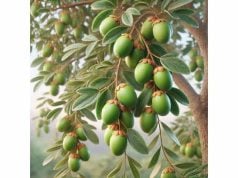
Jaborandi is a Brazilian medicinal shrub best known as the natural source of pilocarpine, a potent alkaloid that strongly stimulates salivary, tear, and sweat glands. That makes it very different from the mild “wellness herbs” people often brew casually at home. In modern practice, jaborandi matters less as a loose herb and more as the plant behind standardized pilocarpine medicines used for dry mouth after head and neck radiation, Sjögren-related sicca symptoms, and selected ophthalmic applications. Just as important, the plant’s traditional reputation can be misleading: the same cholinergic action that may improve dryness can also trigger sweating, urinary frequency, nausea, visual changes, and other dose-related effects. Current plant research also highlights a second issue many readers miss: wild jaborandi has been pressured by harvesting, so sustainability matters alongside safety. For most people, the practical question is not whether jaborandi is “natural,” but whether its highly active chemistry is appropriate, standardized, and medically supervised.
Core Points
- The best-supported benefit is improved saliva production for dry mouth when standardized pilocarpine is used.
- Prescription pilocarpine eye drops can help in specific eye-care settings, but they are not interchangeable with homemade jaborandi.
- A common adult oral pilocarpine range is 5 mg three to four times daily, with some regimens titrated up to 30 mg per day.
- People with uncontrolled asthma, serious heart or kidney disease, narrow-angle glaucoma, or pregnancy should avoid self-using jaborandi.
Table of Contents
- What is jaborandi
- Key ingredients and actions
- Does jaborandi help
- How jaborandi is used
- How much per day
- Side effects and who should avoid it
- What the evidence really shows
What is jaborandi
Jaborandi usually refers to Pilocarpus microphyllus, a shrub native to Brazil whose leaves became commercially important because they contain pilocarpine, a strong imidazole alkaloid with clear pharmacologic activity. Modern plant research describes jaborandi as more than a folk remedy: it is a medicinal raw material with a specialized chemistry that has shaped real prescription drugs. That is why articles that frame it as a simple household herb tend to miss the point. Jaborandi sits closer to the boundary between herbal medicine and pharmaceutical sourcing than many culinary or tonic herbs do.
The plant also carries a conservation story. Recent research notes that natural populations have declined under pressure from unsustainable harvesting for pilocarpine extraction. In plain terms, jaborandi has been valued so heavily for its alkaloids that the plant itself has paid a price. That matters for readers because it changes the practical conversation: responsible use is not only about what works, but also about whether the herb is sourced, cultivated, and standardized in a way that does not depend on damaging wild populations.
Historically, jaborandi leaves were associated with strong sweating and salivation. Modern medicine refined that crude effect into pilocarpine-based products, which offer measurable dosing and clearer prescribing rules. Today, when clinicians use pilocarpine, the goal is usually focused and symptom-driven: improving salivary output in people with troublesome xerostomia, helping selected patients with dry-eye and dry-mouth symptoms related to Sjögren disease, or using ophthalmic pilocarpine in prescription eye products. That is a major shift from traditional broad-use herbalism. The plant remains important, but the evidence-based form of use is now much more standardized.
This distinction is worth emphasizing because many readers search for “jaborandi benefits” and assume the dried leaf, tincture, capsule, and prescription tablet all behave the same way. They do not. Leaf chemistry varies, and clinical recommendations are built around pilocarpine products with known strength, not around casual homemade preparations. A sensible way to think about jaborandi is this: it is a medicinal source plant with real effects, not a forgiving self-experiment herb. That framing helps set realistic expectations for benefits, dosage, and risk.
Key ingredients and actions
The key ingredient in jaborandi is pilocarpine. It is the compound that explains nearly all of the plant’s best-known medical effects and most of its adverse effects. Pharmacologically, pilocarpine acts as a cholinergic parasympathomimetic with predominant muscarinic action. That phrase sounds technical, but the practical meaning is simple: it pushes the body toward secretion and smooth-muscle responses associated with the parasympathetic nervous system. In the right setting, that can be helpful. In the wrong setting, it can be uncomfortable or unsafe.
Because of that muscarinic action, pilocarpine can increase secretion from exocrine glands, including salivary, lacrimal, sweat, gastric, pancreatic, intestinal, and respiratory mucous glands. In the eye, topical pilocarpine can cause miosis and accommodative changes. Those actions are exactly why the compound has such a narrow practical identity: it is useful when a clinician wants more saliva or a specific eye effect, but it can also cause sweating, blurred vision, night-vision problems, abdominal symptoms, urinary urgency, and bronchial effects. The same mechanism drives both the upside and the downside.
For readers trying to understand jaborandi as a plant rather than as a drug source, the most useful point is that its chemistry is specialized. Recent transcriptomic work shows that researchers are still mapping how jaborandi makes pilocarpine and how that biosynthetic machinery differs across tissues. That tells us two things. First, the plant is biochemically complex. Second, the old idea that a leaf is just a leaf does not fit here; the active constituents depend on plant biology, growth conditions, and extraction context.
Jaborandi is not chemically empty beyond pilocarpine, but those other constituents are much less clinically established. Researchers continue to investigate related metabolites and broader pathways, yet the gap between laboratory interest and proven human benefit remains large. That is why claims about jaborandi as an antioxidant, neuroprotective herb, or broad anti-inflammatory remedy should be read cautiously. There may be intriguing secondary compounds in the plant, but the clinically meaningful reputation of jaborandi still rests on pilocarpine. For a reader choosing between wellness experimentation and medically grounded use, that is the most important takeaway.
Does jaborandi help
Yes, but the helpful answer is narrower than many search results suggest. The strongest evidence is not that raw jaborandi leaf broadly boosts health. It is that standardized pilocarpine can improve salivary flow and dryness symptoms in selected patients. In Sjögren disease, clinical guidelines describe meaningful improvement in oral dryness and salivary flow in randomized trials, while also noting that side effects are common. That makes jaborandi relevant, but in a very targeted way.
For radiation-related xerostomia after head and neck cancer treatment, the benefit is also practical rather than dramatic. When pilocarpine works, people may speak more easily, swallow with less effort, rely less on constant sipping, and feel less mouth discomfort. Reviews and product guidance describe gains in saliva production and symptom relief, especially when treatment is continued long enough to judge whether a real response has occurred. It is not a cure for damaged salivary tissue, but it can improve day-to-day function in the right patient.
Eye-related use is more complicated. Prescription pilocarpine eye drops remain part of ophthalmic care, and newer formulations are approved for presbyopia. These products can temporarily improve near vision in adults, but they also carry warnings about blurred or dim vision, night-driving caution, and rare retinal complications in susceptible individuals. That is an important reminder that eye benefit does not mean a casual home remedy. When jaborandi chemistry is used for the eye, it is used with product-specific instructions and risk screening.
The realistic outcome question matters. Jaborandi-related therapy is most helpful when the goal is specific and measurable: more saliva, less oral dryness, or a defined ophthalmic effect. It is not a general vitality enhancer, and it is not a good example of a more-is-better herb. Readers interested in gentler, tradition-based eye support often also look at eyebright and ocular-support herbs, but jaborandi is far more pharmacologically active and should be treated with greater caution. In other words, it can help, but mainly when used as a targeted medical tool rather than a broad self-care supplement.
How jaborandi is used
In modern practice, jaborandi is usually used through pilocarpine products rather than through the raw herb itself. The most established forms are oral tablets for dry mouth and prescription ophthalmic drops for specific eye indications. Researchers have also explored topical oral systems such as mouthwashes, films, gels, and buccal delivery platforms to improve local benefit while reducing systemic adverse effects. That trend is telling: instead of encouraging casual herbal use, the field is moving toward tighter, more controlled delivery.
For oral use, product information generally recommends taking tablets with water and aligning doses with meals or bedtime, depending on the indication. The goal is not only adherence but tolerability. People who respond may notice less mouth dryness, better speech comfort, and less dependence on saliva substitutes. Even then, oral pilocarpine is usually part of a broader dryness strategy that can include hydration, saliva substitutes, dental protection, and symptom tracking. That matters because jaborandi-related therapy works best when it is integrated into a plan, not treated as a stand-alone miracle fix.
For eye use, administration is more exacting. Prescription drops are used at defined intervals, and if multiple eye products are used together, dosing should be separated. Dropper contamination matters. Night driving and visual blur precautions matter. Retinal warning symptoms matter. In other words, the form of use changes the level of vigilance required. Jaborandi’s eye-related usefulness comes with instructions that are closer to conventional drug handling than to ordinary herbal practice.
What about teas, tinctures, and capsules marketed as jaborandi? That is the least reliable path. Because the active chemistry can vary, and because the plant’s effects are potent enough to cause real parasympathetic overstimulation, self-dosing a non-standardized preparation is hard to justify. Sustainability concerns add another reason to avoid casual leaf use. Readers who want a gentler, non-cholinergic approach for mouth comfort often compare jaborandi with marshmallow root’s soothing mucilage, which works in a very different and usually milder way. Jaborandi is not the herb to treat like a harmless everyday tea.
How much per day
The most important dosage point is this: there is no trustworthy universal dose for raw jaborandi leaf that can be recommended the way one might recommend a culinary herb infusion. The clinically meaningful dosing guidance belongs to standardized pilocarpine products. That means anyone searching “how much jaborandi per day” should mentally translate the question into what dose of pilocarpine is used for this condition under medical supervision.
For severe xerostomia after head and neck irradiation, product guidance commonly starts at 5 mg three times daily. Some references note that improvement may be judged over 4 to 8 weeks, and if there is no meaningful benefit after roughly 2 to 3 months, treatment may be stopped. In people who tolerate therapy but need more effect, daily totals up to 30 mg may be considered, though higher doses generally raise the likelihood of adverse effects. This is a classic example of a medicine where the therapeutic window matters more than the natural label.
For Sjögren-related dry mouth and dry eyes, a common adult regimen is 5 mg four times daily. Some guidelines also note a practical titration strategy: begin lower and work upward if needed, especially in patients who are sensitive to sweating or other cholinergic effects. A careful start-low approach can be more realistic than jumping immediately to a full target dose.
Ophthalmic dosing is product-specific, not herb-specific. Some modern pilocarpine eye drops are labeled as one drop in each eye once daily for presbyopia, and users are instructed to space them from other topical eye products by at least 5 minutes. Older ophthalmic pilocarpine products have different concentrations and schedules for different eye conditions, which is another reason not to generalize one eye-drop regimen to all eye-related uses. In short, dose depends on form, indication, and tolerance. There is no safe one-size-fits-all jaborandi dose for self-treatment.
Side effects and who should avoid it
Jaborandi-related side effects make perfect sense once you remember what pilocarpine does. If it stimulates glands and cholinergic pathways, then sweating, increased urination, nausea, flushing, diarrhea, dizziness, visual changes, and headache are not surprising. Clinical trials and prescribing documents consistently identify sweating as one of the most common complaints, with urinary frequency and flushing also appearing regularly. Reviews of xerostomia treatment add nausea, vomiting, rhinitis, and dizziness to the familiar pattern. The side-effect profile is not mysterious; it is the expected cost of the mechanism.
Some people should avoid jaborandi or use it only under close supervision. Product information warns against use in uncontrolled asthma and clinically significant uncontrolled cardiorenal disease. Caution is also advised in controlled asthma, chronic bronchitis, COPD, significant cardiovascular disease, gallstones or biliary disease, peptic ulcer disease, renal insufficiency, nephrolithiasis, and narrow-angle glaucoma. Excessive sweating can become more than an annoyance if it causes dehydration. For that reason, people who cannot reliably replace fluids are poor candidates for casual use.
Pregnancy, breastfeeding, and fertility deserve extra attention. Current prescribing information does not support casual use in pregnancy, and fertility concerns remain unresolved enough that precaution is advised. There are also visual safety issues: both oral and ophthalmic pilocarpine can impair night vision, produce blurred vision, or create problems when switching focus between near and distant objects. Prescription eye products add warnings about rare retinal tear or detachment risk, especially in those with pre-existing retinal disease. That is why eye symptoms such as sudden floaters, flashes, or vision loss require urgent evaluation.
Drug interactions matter too. Pilocarpine should be used carefully with beta blockers because of possible conduction disturbances. Other parasympathomimetic drugs can add to pilocarpine’s effects, while anticholinergic drugs may oppose them. Put simply, jaborandi is not something to combine casually with other medications just because it came from a plant. The prudent default is to treat it with the same seriousness you would give any active prescription agent.
What the evidence really shows
The evidence for jaborandi is strongest when it is really evidence for pilocarpine. That may sound like a fine distinction, but it changes the conclusion. Modern clinical guidance, product labeling, and review articles consistently focus on standardized pilocarpine tablets or eye drops. These sources support a clear, targeted use case for symptomatic dryness and selected eye indications. They do not support the idea that raw jaborandi leaf has been broadly validated as a general-purpose tonic, detox herb, or daily wellness supplement.
The benefits are real, but they are conditional. They depend on the indication, the formulation, the dose, and whether the person still has enough residual gland function to respond. They also have to be weighed against tolerability. Even in favorable settings, side effects are common enough that dose escalation is often cautious, and discontinuation is reasonable when benefit does not emerge within a defined window. This is not a take-it-and-see herb in the casual sense; it is closer to symptom management with a plant-derived cholinergic drug.
For the raw plant itself, the research pattern suggests promise at the biochemical level but limited direct human evidence. Current plant studies focus on biosynthesis, tissue expression, sustainable production, and secondary metabolites, while clinical sources stay focused on pilocarpine products. That split strongly suggests that most confident health claims about jaborandi tea, powder, or extract run ahead of the evidence. It is reasonable to say the plant is medically important. It is not reasonable to pretend that every non-standardized preparation has been clinically validated.
The practical bottom line is straightforward. Jaborandi has legitimate medicinal value, but mainly as the source of a powerful, standardized compound. If the goal is relief of dry mouth or a specific ophthalmic effect, there is a rational evidence-based pathway through supervised pilocarpine use. If the goal is everyday herbal self-care, jaborandi is usually not the gentlest or safest place to start. Respecting both its potency and its ecological cost leads to the most honest conclusion: useful, yes, but only when used precisely and with clear expectations.
References
- Decoding pilocarpine biosynthesis and its roles in Pilocarpus microphyllus through a comparative transcriptomics approach 2025
- British Society for Rheumatology guideline on management of adult and juvenile onset Sjögren disease 2024 (Guideline)
- A Review on the Role of Pilocarpine on the Management of Xerostomia and the Importance of the Topical Administration Systems Development 2022 (Review)
- Salagen 5 mg Film Coated Tablets 2025 (SmPC)
- VUITY (pilocarpine hydrochloride) 2023
Disclaimer
This article is for educational purposes only and is not medical advice, diagnosis, or treatment. Jaborandi and pilocarpine can cause meaningful side effects, interact with medications, and may be unsafe in some health conditions. Do not start, stop, or replace prescribed treatment with jaborandi or pilocarpine without guidance from a qualified clinician, especially if you have asthma, heart disease, kidney disease, glaucoma, are pregnant, or use other prescription medicines.
If this guide was useful, please share it on Facebook, X, or your preferred platform so others can find accurate, balanced information on jaborandi.