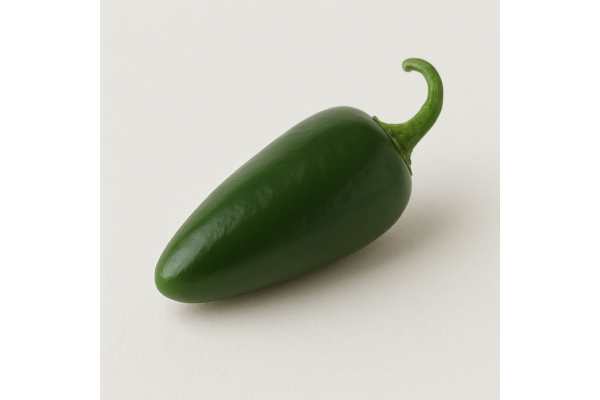
Jalapeños are among the most familiar chili peppers worldwide, offering a distinctive balance of heat, aroma, and crunch. They sit in the mild to medium range on the Scoville scale, which makes them approachable for many people compared with very hot chilies. Beyond their flavor, jalapeños provide vitamin C, vitamin A precursors, fiber, and a range of bioactive compounds such as capsaicin and various antioxidants.
You will find jalapeños in salsas, tacos, nachos, salads, marinades, and even infused oils and condiments. They can be enjoyed fresh, pickled, smoked (as chipotles), roasted, or dried. Each form has slightly different culinary and nutritional qualities.
This article walks through what is currently known about jalapeños: their nutrition profile, potential health effects, risks and intolerances, and practical advice on buying, storing, cooking, and portion sizes. The goal is to help you use jalapeños in a way that supports health, respects individual tolerance, and fits naturally into a balanced diet.
Key Takeaways for Jalapeños
- Jalapeños provide vitamin C, carotenoids, and capsaicin, which together may support antioxidant defenses and metabolic health.
- Regular small servings can contribute to flavor and satisfaction without a major calorie load when used in place of heavy sauces.
- A typical moderate serving is about 10–20 g (around 1–2 small peppers) several times per week for most healthy adults.
- People with reflux, irritable bowel issues, or a history of chili sensitivity may need to limit or avoid jalapeños.
- Very high intakes or concentrated chili products can irritate the digestive tract, skin, or eyes and should be handled cautiously.
Table of Contents
- Jalapeños Background and Culinary Roles
- Jalapeño Nutrition Profile and Compounds
- Evidence on Jalapeño Health Benefits
- Risks, Allergies and Drug Interactions
- Selecting Jalapeños Quality and Storage
- Cooking Jalapeños and Nutrient Retention
- Portions, Comparisons and Jalapeño FAQs
Jalapeños Background and Culinary Roles
Jalapeños belong to the species Capsicum annuum, the same broader group as bell peppers, cayenne, and many other common cultivars. They originated in Mexico and remain tightly associated with Mexican and Tex-Mex cooking, but they are now grown and used worldwide. Their typical heat range is roughly 2,500–8,000 Scoville Heat Units, which places them above poblano and below serrano or habanero peppers in pungency.
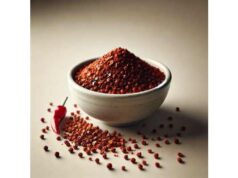
Fresh jalapeños are usually harvested green, when their flavor is grassy, crisp, and bright. As they ripen to red, they become slightly sweeter and often a little hotter. Red jalapeños are frequently smoked and dried to become chipotle peppers, which have a deeper, smoky flavor and are used in sauces, marinades, and rubs.
Common culinary uses include:
- Sliced fresh in tacos, sandwiches, grain bowls, and salads.
- Finely chopped in salsas, guacamole, pico de gallo, and fresh relishes.
- Pickled in vinegar brines for burgers, nachos, hot dogs, and pizzas.
- Roasted or grilled and added to soups, stews, and rice dishes.
- Stuffed with cheese, beans, or meat and baked or air-fried.
Jalapeños are also used to flavor oils, vinegars, and butters. Because they bring intense flavor with minimal calories, they can help make vegetable-rich dishes, lean proteins, and whole grains more appealing without relying on heavy cream-based sauces or large amounts of salt.
In many cuisines, jalapeños are combined with aromatic ingredients such as onion, garlic, cilantro, lime juice, and tomato. This combination not only builds flavor but also layers different plant compounds and nutrients in one dish. The seeds and inner white rib contain much of the pungancy; leaving them in increases heat, while removing them moderates it.
From a practical perspective, jalapeños are widely available and relatively inexpensive. Their versatility makes them a useful “bridge chili” for people who want to enjoy spicy food but are not ready for very hot varieties. With a bit of practice, home cooks can tune heat levels by adjusting the amount used, the part of the pepper included, and the cooking method.
Jalapeño Nutrition Profile and Compounds
Jalapeños are low in calories but dense in certain vitamins and plant compounds. A typical 10–20 g serving (around 1–2 small peppers) contributes only a few kilocalories, mostly from carbohydrate, yet provides notable micronutrients.
Key macronutrient features per roughly 45 g (about one medium pepper) include:
- Very low energy (around 10 kcal).
- Minimal fat (well under 1 g).
- Small amounts of carbohydrate, including a couple of grams of naturally occurring sugars.
- Around 1 g of fiber, which supports digestive health and may add a sense of fullness.
- Trace amounts of protein.
Micronutrient content is more striking. Fresh jalapeños supply:
- Vitamin C: A single pepper can provide a meaningful portion of daily vitamin C needs, supporting immune function, collagen formation, and antioxidant defense.
- Vitamin A precursors: Jalapeños contain carotenoids such as beta-carotene and lutein, particularly in more mature red peppers. These support eye health and broader antioxidant activity.
- Vitamin K and some B vitamins: Amounts are modest, but they contribute to overall intake when jalapeños are used regularly.
- Minerals: Small amounts of potassium, manganese, and others are present, again contributing incrementally.
Beyond classical nutrients, jalapeños contain a range of bioactive compounds:
- Capsaicinoids: Capsaicin and related molecules drive the pungent sensation. They activate TRPV1 receptors, which are involved in heat and pain detection and also play roles in metabolic regulation and vascular tone.
- Polyphenols: Jalapeños contain flavonoids and other phenolic compounds that support antioxidant activity.
- Carotenoids: Especially in red or fully ripe peppers, pigments such as capsanthin and beta-carotene contribute to color and potential antioxidant effects.
Processing changes the nutrition profile. Pickled jalapeños generally retain fiber and many phytochemicals but have added sodium; vitamin C decreases somewhat with processing and storage. Smoked or dried peppers (like chipotles) are more concentrated in many compounds per gram but are often used in smaller amounts. Roasting and grilling can reduce some heat-sensitive vitamins while making certain flavors and other compounds more accessible.
Overall, jalapeños are not a major calorie or macronutrient source but act as a concentrated “flavor plus phytochemical” ingredient. In a diet that already includes fruits, vegetables, whole grains, and lean proteins, they can add nutrients and plant diversity with minimal energy cost.
Evidence on Jalapeño Health Benefits
Most research on health effects of jalapeños focuses on capsaicin and related compounds found across hot peppers rather than on jalapeños alone. Still, because jalapeños are a common and moderate source of these compounds, findings are relevant when scaled to realistic intakes.
Metabolic and weight-related effects
Capsaicin activates TRPV1 channels, which can modestly increase energy expenditure, stimulate thermogenesis, and influence appetite signals in the short term. Human trials with chili-containing meals or capsaicin supplements report:
- Slight increases in calorie burning after meals.
- Small reductions in spontaneous energy intake in some people.
- Possible improvements in certain markers associated with metabolic syndrome when part of a broader healthy lifestyle.
These effects are usually modest and not a substitute for diet quality and physical activity. Eating jalapeños occasionally will not cause dramatic weight loss, but using them to replace heavy sauces and to make vegetables and lean proteins more appealing can support healthier habits.
Cardiovascular and metabolic health
Observational studies in various countries suggest that people who eat spicy foods more frequently tend to have lower rates of some causes of death, including cardiovascular disease. This does not prove cause and effect, since people who enjoy spicy foods may also differ in other lifestyle or diet aspects.
Experimental and clinical studies of capsaicin and chili consumption suggest potential mechanisms:
- Mild improvements in blood lipid profiles in some contexts.
- Effects on vascular function that may support better blood flow.
- Influences on glucose metabolism and insulin sensitivity in certain groups, although findings are mixed.
Regular, moderate consumption of jalapeños as part of a balanced diet may contribute to these patterns, but current evidence does not support using jalapeños or capsaicin as stand-alone therapy for metabolic or cardiovascular conditions.
Digestive and gut-related effects
Capsaicin has a complex relationship with the digestive tract. At low to moderate doses, it may:
- Stimulate saliva and gastric juices, supporting digestion.
- Influence gut microbiota composition and gut barrier function in ways that could be beneficial, although these mechanisms are still being clarified.
At higher doses or in sensitive individuals, however, the same compound can irritate the stomach or intestines, leading to discomfort, burning, or diarrhea. For people with no existing digestive problems, using jalapeños in culinary amounts is generally well tolerated.
Pain and inflammation
Topical capsaicin creams are widely used in pain management for neuropathic pain and arthritis. The mechanisms involve desensitizing pain fibers after an initial burning phase. This is distinct from dietary use but illustrates how the same compound can act in different contexts.
Eating jalapeños will not provide the same targeted pain relief as medical topical products, but habitual chili consumption may interact with pain perception over time, and some people report that spicy foods offer subjective comfort or relief in certain situations.
In summary, jalapeños can be part of a pattern that supports metabolic and cardiovascular health when combined with balanced eating and active living. However, they should be seen as one useful component rather than a miracle ingredient.
Risks, Allergies and Drug Interactions
For many healthy adults, culinary amounts of jalapeños are safe. However, their pungent compounds can cause problems in certain situations. Understanding these risks helps you decide what level of intake is appropriate for you.
Gastrointestinal irritation
The most common issue with jalapeños is digestive discomfort. Capsaicin can:
- Aggravate heartburn or gastroesophageal reflux in some individuals.
- Trigger stomach pain, cramping, or loose stools at higher intakes.
- Worsen symptoms in people with irritable bowel syndrome or inflammatory bowel diseases.
If you notice a consistent pattern of symptoms after spicy meals, it is reasonable to reduce or avoid jalapeños and other chilies, or to switch to milder varieties.
Contact irritation and eye exposure
Handling jalapeños can irritate the skin, especially around nails or small cuts. Touching the face or eyes after cutting peppers can cause intense burning and tearing. To reduce risk:
- Consider wearing disposable gloves when chopping larger amounts.
- Wash hands thoroughly with soap after handling.
- Avoid touching your face or contact lenses until you are sure all residues are gone.
If capsaicin reaches the eyes, flushing with plenty of clean water and, ideally, saline solution is recommended. Oil or dairy-based liquids on the skin can sometimes help dissolve capsaicin if washing alone does not relieve the sensation.
Allergic and hypersensitivity reactions
True allergies to chili peppers are relatively uncommon but possible. Signs may include:
- Itching in the mouth or throat.
- Hives, swelling of lips or face, or difficulty breathing.
- Rapid onset after ingestion.
Anyone with suspected allergic reactions to peppers should seek medical evaluation and avoid jalapeños until cleared by a professional. Cross-reactivity may occur with related peppers or, occasionally, with pollens in people with certain pollen food syndromes.
Interactions and special populations
Potential considerations include:
- Gastric or intestinal ulcers: Very spicy foods may exacerbate symptoms in some individuals, even though the relationship between chili intake and ulcer formation is not straightforward.
- Certain medications: There is no common, strong interaction between jalapeños and typical prescription drugs at culinary doses. However, people on medications that already irritate the stomach (such as some anti-inflammatory drugs) may be more sensitive to spicy foods.
- Pregnancy and breastfeeding: Moderate use of jalapeños in normal meals is generally considered acceptable unless the pregnant person experiences significant heartburn or digestive upset. Capsaicin can appear in breast milk and may affect infant tolerance, so some breastfeeding parents prefer milder foods.
- Children: Young children may be more sensitive to spice. Mild introduction under supervision and in very small amounts may be acceptable, but intense heat should be avoided.
As with any food, individual tolerance varies. When in doubt—especially in the presence of chronic digestive disorders, serious medical conditions, or complex medication regimens—discuss spicy food intake with a healthcare professional.
Selecting Jalapeños Quality and Storage
Choosing good jalapeños and storing them properly helps preserve both flavor and nutrient content while reducing waste.
How to choose fresh jalapeños
When shopping, look for:
- Firm peppers with smooth, glossy skin.
- A deep green color (or rich red, for ripe jalapeños) without significant yellowing.
- Stems that are fresh-looking and not dried out.
- No soft spots, wrinkles, or mold, especially near the stem end.
Occasionally you will see small white or brown “stretch marks” or lines on the skin. In some growing regions, these can indicate more mature, potentially hotter peppers. Slight corking is not inherently a quality defect but may change heat and flavor.
Pickled and processed jalapeños
For jarred or canned jalapeños:
- Check ingredient lists and choose products with simple brines (water, vinegar, salt, spices) rather than those with many additives.
- Be mindful of sodium content; pickled jalapeños can be quite salty.
- Inspect the jar for clear brine and intact slices; cloudy brine or bulging lids can be warning signs of spoilage.
Smoked jalapeños (chipotles) can be sold dried, canned in adobo sauce, or as a powder. High-quality products will smell pleasantly smoky and not overly acrid. Store them tightly sealed to prevent moisture and flavor loss.
Sustainability and sourcing
From a sustainability standpoint, peppers are relatively efficient crops. However, environmental impact varies with farming practices, transport distance, and packaging:
- Buying locally grown jalapeños in season can reduce transport-related impact and often improves freshness.
- Organic options may reduce synthetic pesticide use, though evidence on residue levels and health effects at typical intakes is still evolving.
- Choosing minimally packaged peppers (for example, loose peppers instead of multiple small plastic clamshells) can reduce packaging waste.
Supporting growers and brands that prioritize sustainable water use, fair labor, and integrated pest management contributes to broader ecological and social benefits.
Storage tips
To store fresh jalapeños:
- Refrigerate them unwashed in a breathable bag in the crisper drawer.
- They typically keep for about one week, sometimes longer, before softening.
- Wash just before use rather than before storage to limit moisture-related spoilage.
For longer storage:
- Slice and freeze jalapeños in a single layer on a tray, then transfer to airtight containers or freezer bags. Frozen peppers work well in cooked dishes.
- Prepare homemade pickles using a safe, tested brine recipe if you want a longer shelf life with a different flavor profile.
- Dry thin slices in a dehydrator or low oven, then store in airtight jars away from light and heat.
Proper storage maintains flavor, reduces food waste, and helps you keep jalapeños on hand without constant shopping.
Cooking Jalapeños and Nutrient Retention
How you prepare jalapeños affects heat, flavor, and nutrient retention. Thoughtful handling lets you tailor dishes to different preferences and health goals.
Managing heat level
Several factors influence perceived spiciness:
- Seeds and ribs: Much of the direct heat sensation resides in the white inner membrane (placenta) and nearby seeds. Removing these parts before cooking produces milder results.
- Cooking time: Prolonged cooking can mellow sharp heat and integrate flavor into the dish. Quick raw uses, such as fresh salsas, deliver a brighter but sometimes more intense bite.
- Fat and protein content of the dish: Capsaicin is fat-soluble. Dishes that contain dairy, plant oils, or fatty ingredients can “carry” heat differently and may soften the burn compared with extremely lean, watery dishes.
If you are cooking for a mixed group, you can reserve some peppers with ribs and seeds for those who like more heat and remove them for others.
Techniques and nutrient considerations
Different cooking methods have distinct effects:
- Raw: Offers the highest vitamin C content and a crisp texture but may be more likely to cause digestive discomfort in very sensitive individuals.
- Roasting or grilling: Adds smoky flavor and softens texture. High, dry heat may reduce some heat-sensitive nutrients like vitamin C but can make carotenoids and certain polyphenols more accessible.
- Sautéing: Light sautéing in a small amount of oil helps release aromas and disperse capsaicin into the dish, potentially improving flavor with moderate nutrient loss.
- Pickling: Preserves peppers for longer and adds acidity, which many people enjoy. Some water-soluble vitamins leach into the brine, but fiber and many phytochemicals remain.
To support nutrient retention:
- Avoid excessively long cooking at very high temperatures when possible.
- Add jalapeños later in the cooking process if you want to preserve some fresh flavor and vitamin C.
- Use the whole pepper (including skin) to retain fiber and many phytonutrients.
Safe handling in the kitchen
When preparing jalapeños:
- Wash the peppers under running water just before use.
- Trim the stem end and slice lengthwise if you wish to remove ribs and seeds.
- Use a small spoon or knife to scrape out the inner membrane for a milder pepper.
- Wash cutting boards and tools promptly with hot, soapy water to avoid cross-contact with other foods.
If you are sensitive to capsaicin on the skin, wear gloves or lightly oil your hands before handling, then wash thoroughly. Avoid inhaling smoke when roasting or grilling larger quantities, as airborne capsaicin can irritate the airways.
Incorporating jalapeños into balanced meals
Jalapeños work especially well in:
- Bean dishes, lentil soups, and chili, where they add brightness and complexity.
- Grain bowls and salads, where small amounts of heat encourage slower, more mindful eating.
- Egg dishes and breakfast items, such as omelets, breakfast tacos, or shakshuka variations.
Using jalapeños to highlight vegetables and legumes instead of relying heavily on salt, sugar, or rich sauces aligns well with heart- and metabolic-health-focused eating patterns.
Portions, Comparisons and Jalapeño FAQs
Because jalapeños are typically used as a flavoring rather than a staple, there is no single “official” serving size that applies to everyone. However, practical guidance can help.
Reasonable portions and frequency
For most healthy adults:
- A moderate culinary serving might be about 10–20 g of fresh jalapeño per meal (around 1–2 small peppers or ½ of a large pepper).
- This can be enjoyed several times per week as part of mixed dishes without meaningfully affecting calorie intake.
People who are accustomed to spicy foods may tolerate larger amounts. If you are new to chilies, starting with small quantities and slowly increasing lets you assess tolerance and preference.
Those with sensitive digestion, reflux, or certain bowel conditions may need to limit intake or avoid chili entirely based on individual experience and medical advice.
How jalapeños compare with other peppers
Heat and nutrition vary across peppers:
- Bell peppers: Essentially no heat, but higher per-serving volume and similar or greater vitamin C content. Good for those who want flavor without spice.
- Serrano peppers: Smaller and often hotter than jalapeños, with a cleaner, sharper heat.
- Habanero and other very hot chilies: Much hotter, containing more capsaicin per gram. They are typically used in tiny amounts; this can influence risk and tolerance.
- Chipotle (smoked jalapeños): Deeper, smoky flavor, used dried, as a powder, or canned in sauces. Heat is moderate but can feel more intense because of concentration.
From a macronutrient perspective, differences are small. The main distinctions are heat level, specific phytochemical profile, and how they fit into dishes.
Common questions
Do jalapeños cause ulcers?
Current evidence suggests that normal culinary amounts of chili peppers do not cause ulcers by themselves. However, spicy foods can worsen symptoms in people who already have ulcers or other stomach conditions.
Can jalapeños help with weight loss?
They may slightly increase energy expenditure and help some people feel more satisfied with meals, especially when used to flavor high-fiber dishes and lean proteins. On their own, they are not a weight-loss solution, but they can support healthier cooking practices.
Are pickled jalapeños less healthy than fresh?
Pickled jalapeños retain many beneficial compounds and are a convenient pantry ingredient. The main concern is often sodium content. Rinsing them briefly before use can reduce surface salt, and balancing them with lower-sodium foods helps manage overall intake.
Is it safe to eat jalapeños every day?
Many people can eat small to moderate amounts daily without issues. If you experience heartburn, abdominal pain, or bowel changes after spicy meals, reducing frequency or serving size is wise. Any persistent or severe symptoms should be discussed with a healthcare professional.
Do jalapeños have a lot of carbs?
No. They contribute only a small amount of carbohydrate per pepper and are unlikely to significantly impact blood sugar in the context of a balanced meal. As always, people with diabetes should follow individualized guidance from their healthcare team.
References
- Effects of Capsicum annuum supplementation on the components of metabolic syndrome: a systematic review and meta-analysis 2020 (Systematic Review)
- Capsaicin, the Spicy Ingredient of Chili Peppers: Effects on Gastrointestinal Tract and Composition of Gut Microbiota at Various Dosages 2022 (Animal Study)
- Dietary Capsaicin: A Spicy Way to Improve Cardio-Metabolic Health? 2022 (Systematic Review)
- Consumption of spicy foods and total and cause specific mortality: population based cohort study 2015 (Cohort Study)
- Jalapeno peppers, raw: nutrition data and analysis 2023 (Nutrient Database Resource)
Disclaimer
The information in this article is intended for general educational purposes only. It does not provide medical advice and is not a substitute for professional diagnosis, treatment, or personalized nutrition counseling. Individual tolerance to jalapeños and other spicy foods varies widely, especially in the presence of digestive disorders, chronic diseases, pregnancy, or complex medication regimens.
Always consult a qualified healthcare professional or registered dietitian before making major changes to your diet, using high doses of chili or capsaicin-containing products, or relying on foods or supplements to treat any medical condition. Never disregard or delay seeking professional advice because of something you have read here.
If you found this article helpful, you are warmly invited to share it with others on Facebook, X (formerly Twitter), or any platform you prefer. Thoughtful sharing supports our ability to continue creating clear, evidence-informed nutrition content for readers around the world.