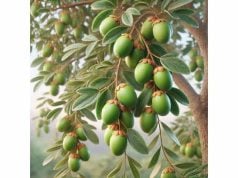
Javanese ginger, often called red ginger, is a hotter, more aromatic form of common ginger that is widely used across Indonesia and other parts of Southeast Asia as both a culinary spice and a traditional remedy. Its smaller rhizome packs a sharper bite, and that intensity reflects a dense mix of pungent compounds such as gingerols and shogaols. In practical terms, people reach for it most often to ease nausea, support digestion, warm the body during colds, and add a stronger anti-inflammatory edge to teas, broths, and herbal preparations.
What makes Javanese ginger interesting is the gap between tradition and evidence. Some uses, especially nausea relief and mild digestive support, are backed reasonably well by research on ginger as a whole. Other claims, such as strong antimicrobial, blood-sugar, or joint benefits, look promising but still depend heavily on lab work, animal studies, or trials using ordinary ginger rather than this exact variety. That makes Javanese ginger valuable, but not magical. Used thoughtfully, it can be a useful herb with a clear place in food, home care, and carefully chosen supplement routines.
Quick Overview
- Javanese ginger may help most with nausea, stomach discomfort, bloating, and motion-related queasiness.
- Its gingerols and shogaols appear to drive much of its anti-inflammatory and antioxidant activity.
- A common adult oral range is 500 mg to 1 g, up to 3 times daily, depending on the form and purpose.
- Concentrated products are best avoided without medical advice if you are pregnant, on blood thinners, or prone to gallbladder problems.
Table of Contents
- What is Javanese ginger?
- Which compounds matter most?
- What can it help with?
- How can you use it?
- How much should you take?
- Side effects and interactions
- What does the evidence say?
What is Javanese ginger?
Javanese ginger is a pungent red-tinged variety of Zingiber officinale, the same species as common ginger, but it is generally described as smaller, hotter, and more concentrated in some of the compounds that give ginger its heat and medicinal reputation. In Indonesian herbal practice it is often used in warming drinks, postpartum tonics, respiratory blends, and digestive preparations. That traditional pattern matters because it tells you how the plant is actually used: not as an abstract “superfood,” but as a strong kitchen medicine that sits between food and remedy.
Botanically, the important part is the rhizome, the underground stem that stores volatile oils, pungent phenolics, and aromatic resins. Fresh rhizome has a bright, sharp, almost peppery taste. Dried rhizome tastes deeper and warmer because drying shifts the chemistry toward shogaols, which are usually more pungent than gingerols. That is one reason red ginger powders and decoctions can feel stronger than fresh slices.
In everyday use, Javanese ginger fits three roles at once:
- A flavoring herb for soups, broths, spice pastes, and teas.
- A traditional support for nausea, gas, low appetite, chills, and minor aches.
- A modern supplement ingredient in powders, capsules, extracts, oils, and functional drinks.
It also helps to place Javanese ginger in its family. It belongs to the Zingiberaceae group, the same botanical family as turmeric and galangal. These rhizomes share a pattern: they are rich in aromatic compounds, they are central to Southeast Asian food traditions, and they often carry overlapping claims around digestion, inflammation, and immunity. Still, they are not interchangeable. Javanese ginger is usually chosen when a formula needs warmth, pungency, and a direct digestive or anti-nausea effect.
A useful way to think about it is this: Javanese ginger is best treated as a stronger, more targeted ginger rather than a separate miracle herb. It is most credible when used for short-term digestive comfort, motion-related nausea, warming teas, and culinary support. It becomes less certain when it is marketed as a standalone fix for chronic disease.
That distinction can save readers a lot of confusion. The herb is real, useful, and pharmacologically active. But the most dependable benefits still come from the same place they have for centuries: moderate, well-timed use in food, tea, and carefully selected preparations.
Which compounds matter most?
The medicinal profile of Javanese ginger starts with its pungent phenolic compounds, especially gingerols and shogaols. These are the molecules most often linked to the herb’s heat, aroma, antioxidant behavior, and many of its anti-inflammatory effects. In red ginger, the vanilloid fraction is especially important, and some analyses suggest higher concentrations of these pungent compounds than in common ginger.
The key groups to know are:
- Gingerols, especially 6-gingerol, which dominate in fresh ginger.
- Shogaols, especially 6-shogaol, which become more prominent after drying or heating.
- Zingerone, a less pungent breakdown product with a warmer, sweeter profile.
- Gingerdiones and related vanilloids, which may contribute to anti-inflammatory and metabolic effects.
- Volatile oils and sesquiterpenes, including zingiberene, curcumene, bisabolene, and sesquiphellandrene, which influence aroma and may add antimicrobial or digestive effects.
This chemistry explains a lot about how the herb behaves. Fresh Javanese ginger tends to feel brighter and more stimulating in the stomach. Dried powder tends to feel hotter and sometimes harsher, but it may deliver stronger shogaol-driven activity. That is why fresh slices are often preferred in tea or broth, while dry powders and extracts are more common in capsules and concentrated supplements.
The compounds also point to a practical rule: preparation changes the herb. Boiling, drying, alcohol extraction, and oil extraction do not produce identical remedies. A tea, a powder capsule, and an essential oil may all be “red ginger,” but they do not act the same way or carry the same safety profile.
In real-world use, the chemistry translates into a few likely actions:
- Stimulation of gastric motility and digestive signaling.
- Modulation of inflammatory messengers.
- Antioxidant activity that may protect tissues from oxidative stress.
- Mild antimicrobial action in lab settings.
- Sensory warming that can make people feel less chilled or congested.
Javanese ginger also fits into a broader family of medicinal rhizomes, including curcuma rhizomes, but its chemistry is more pungent-forward than pigment-forward. Turmeric is known for curcuminoids. Javanese ginger is known for gingerols, shogaols, and aromatic oils.
For readers comparing supplements, this matters more than marketing language. A useful label tells you whether the product is fresh powder, dried powder, ethanolic extract, standardized extract, or essential oil, and whether it mentions gingerol content. A vague label that says only “red ginger blend” tells you very little. With this herb, strength depends less on brand storytelling and more on how the rhizome was processed.
What can it help with?
Javanese ginger has many claimed benefits, but they do not all stand on equal ground. The strongest practical case is still for nausea and mild digestive discomfort. After that, the evidence becomes more conditional. Some areas look promising, but the effect size, ideal dose, and best patient group are still not settled.
The most realistic benefit categories are these:
- Nausea relief. This is the most evidence-supported use for ginger overall. It is especially relevant for motion sickness, pregnancy-related nausea, and some forms of postoperative or treatment-related nausea.
- Digestive comfort. Ginger can help with bloating, gas, stomach heaviness, and sluggish digestion, especially when taken before or with meals.
- Mild anti-inflammatory support. Some studies suggest ginger preparations may improve inflammatory markers or modestly reduce pain in selected settings.
- Cold-weather and upper-respiratory comfort. Warm ginger drinks may ease the subjective experience of chills, throat irritation, and congestion, though that is not the same as treating an infection.
- Appetite and gastric stimulation. Traditional use often includes low appetite, queasy digestion, and “cold stomach” patterns.
For nausea, timing matters as much as dose. Ginger tends to work best when taken shortly before a trigger, such as travel, or in divided doses during periods of recurrent nausea. People often underestimate this point and use it only after symptoms are fully established.
For digestion, Javanese ginger is often best viewed as a motility and comfort herb rather than a cure for structural digestive disease. It may help food move along more comfortably and may reduce bloating or cramping for some people. That does not mean it treats ulcers, gallbladder attacks, inflammatory bowel disease, or persistent unexplained pain.
Its anti-inflammatory reputation is more nuanced. Ginger compounds clearly show anti-inflammatory activity in laboratory models, and human research suggests possible improvement in some oxidative stress and inflammatory markers. But that does not automatically translate into major symptom relief for arthritis, muscle pain, or chronic inflammatory disorders in every user. Some people report meaningful benefit, while others notice very little.
This is also where Javanese ginger’s stronger character may be useful. In a culinary context, it can deliver noticeable warmth and digestive stimulation in relatively small amounts. A broth with fresh slices after a heavy meal, or a warm infusion during a nauseated morning, often makes more sense than taking large amounts daily for months without a clear reason.
The bottom line is simple. Javanese ginger is most helpful when the goal is specific and short range:
- Settle the stomach.
- Reduce queasiness.
- Warm and stimulate digestion.
- Add gentle anti-inflammatory support to a broader plan.
The more dramatic claims, such as major weight loss, cancer prevention, or broad infection control, should be treated as preliminary and not as reasons to self-medicate serious illness.
How can you use it?
Javanese ginger is unusually versatile because it works as both a food and a remedy. The best form depends on what you want from it. Fresh rhizome is usually the gentlest place to start, while powders and extracts are better when you want a more measured or portable dose.
Common forms include:
- Fresh slices or grated rhizome
- Dried powder
- Tea or decoction
- Capsules
- Liquid extract or tincture
- Syrups and herbal tonics
- Essential oil for aroma or external products
For home use, a tea is often the most practical form. Slice 2 to 5 grams of fresh rhizome thinly, simmer it in water for 10 to 15 minutes, then sip it slowly. This approach makes sense for cold mornings, post-meal bloating, or mild nausea. Adding honey is fine for taste, but avoid turning it into a very sugary “health drink,” which can undercut digestive goals.
Powder is more concentrated and easier to standardize. It works well in capsules, cooking, and drink mixes, though it can irritate sensitive stomachs faster than fresh ginger. If a powder is very pungent, start with a lower amount than you expect.
In food, Javanese ginger shines in savory preparations. It pairs well with garlic, broth, citrus, and herbs such as lemongrass. In that setting, it is not just medicinal. It improves flavor, reduces the need for excessive salt, and makes heavy dishes feel lighter and easier to digest.
A practical way to choose the form is to match it to the job:
- For queasiness or travel: capsule, powder, or a strong tea taken before symptoms.
- For bloating after meals: fresh tea or grated ginger in food.
- For low appetite or cold weather: warm decoction or broth.
- For ongoing supplement use: standardized capsules with clear dose labeling.
Essential oil needs special caution. It is not the same as eating the rhizome, and it should not be swallowed unless a qualified professional specifically directs it. Most essential oil use is aromatic or diluted for external applications.
The biggest mistake people make is using the wrong form for the wrong goal. A weak ginger tea is comforting but may be too light for travel nausea. A concentrated extract may be convenient but too irritating for someone with reflux. A kitchen amount may support digestion well but should not be mistaken for a therapeutic dose tested in trials.
A good rule is to start with the least aggressive form that fits your goal, then adjust only if needed. With Javanese ginger, stronger is not always better.
How much should you take?
There is no universally accepted dosage that is specific to Javanese ginger alone, so most practical guidance borrows from clinical research and monographs on ginger rhizome more broadly. That is reasonable, but it also means dose advice should stay flexible and form-specific.
A sensible adult framework looks like this:
- For motion-related nausea: about 500 to 750 mg of powdered ginger taken 30 minutes before travel is a common traditional-use range, while some monograph-based guidance allows 1 to 2 g taken about 1 hour before travel.
- For mild digestive complaints such as bloating or flatulence: roughly 180 mg to 1 g, up to 3 times daily, is a commonly cited powdered range.
- For broader traditional uses such as appetite support, minor aches, or cold symptoms: about 250 mg to 1 g, up to 3 times daily, is often used for powdered preparations.
- For fresh ginger tea: 2 to 5 grams of fresh rhizome per cup is a practical home-preparation range.
The most important dose variables are not only milligrams, but also:
- Preparation type. Fresh, powdered, tinctured, and standardized extracts are not equivalent.
- Timing. Nausea support often works best before the trigger. Digestive support often works best before meals or shortly after eating.
- Body sensitivity. Someone prone to reflux, diarrhea, or stomach burning may need a smaller dose.
- Goal and duration. A travel dose can be occasional. A daily supplement needs more caution and clearer reasoning.
For many adults, a conservative starting point is 250 to 500 mg once or twice daily, or one mild tea daily, then adjusting only if it feels helpful and well tolerated. If you move into higher daily totals, do it with a clear purpose rather than because a label claims “maximum strength.”
Duration matters too. For short-term needs, such as travel, indigestion after a heavy meal, or a brief wave of nausea, Javanese ginger is usually used as needed. For repeated daily use beyond a few weeks, it is worth asking whether the root problem has been identified. Herbs are most helpful when they are part of a strategy, not a substitute for a diagnosis.
Two practical cautions improve safety:
- Do not stack several ginger products at once without adding up the total daily intake.
- Be cautious with spicy blends that also contain cayenne, black pepper extracts, or strong acids, since these can make irritation more likely.
If a supplement label does not state the amount of ginger per serving, or whether it is powder or extract, you cannot dose it confidently. In that case, treat it like an imprecise wellness product rather than a measured herbal intervention.
Side effects and interactions
Javanese ginger is generally well tolerated when used in food or moderate supplement amounts, but “natural” does not mean side-effect free. Its most common problems are digestive, especially when the dose is too high or the form is too concentrated.
The most likely side effects include:
- Heartburn
- Stomach upset
- Belching
- Nausea from overuse
- Loose stools or diarrhea
- Mouth or throat irritation from very strong preparations
These effects are more likely with dried powders, concentrated extracts, or repeated doses taken on an empty stomach. Fresh tea is often easier on the stomach, though not always.
The biggest safety conversation is drug interaction risk. Ginger may affect platelet activity and may increase bleeding risk in some contexts, so concentrated products deserve caution if you take:
- Warfarin or other anticoagulants
- Antiplatelet drugs such as clopidogrel
- Aspirin in regular medicinal doses
- High-dose nonsteroidal anti-inflammatory drugs before surgery
It may also have modest blood-sugar-lowering or blood-pressure-lowering effects, which means people taking diabetes or antihypertensive medication should pay attention to symptoms, especially if they are also making other supplement changes.
Certain groups should be more careful:
- Pregnant people. Ginger is commonly used for nausea, and available data are somewhat reassuring, but guidance is not uniform. Concentrated Javanese ginger products should be used only with clinician input.
- Breastfeeding people. Safety data are limited for concentrated products.
- Children. Culinary use is one thing; supplement-style dosing is another. Many formal monographs do not recommend routine medicinal use in younger children without supervision.
- People with gallbladder disease. Ginger may stimulate bile flow, which can be a problem for some individuals.
- People with reflux or gastritis. Strong preparations can worsen burning.
- Anyone preparing for surgery. It is sensible to stop concentrated supplements in advance unless your clinician says otherwise.
One subtle point is worth remembering: interaction risk is highest with concentrated supplements, not with normal culinary use. A slice in soup is not the same as a multi-capsule extract routine. That distinction is often lost in online warnings.
Another practical issue is product quality. Some “red ginger” supplements combine ginger with caffeine, stimulant herbs, or poorly described spice blends. In those products, side effects may come from the formula, not the ginger alone. If a label is vague, or the product promises fat burning, detox, and immune support all at once, skepticism is appropriate.
Stop using Javanese ginger and seek medical care if you develop rash, wheezing, severe abdominal pain, black stools, persistent vomiting, or unusual bleeding. Those are not normal adjustment effects.
What does the evidence say?
The evidence for Javanese ginger is best described as layered. There is one layer for ginger in general, which includes human trials and evidence syntheses. Then there is a thinner layer for Zingiber officinale var. rubrum specifically, which includes traditional use, chemical analyses, lab studies, and a smaller number of direct clinical data. Readers get the most accurate picture when those layers are kept separate.
What looks fairly solid:
- Ginger has credible evidence for reducing some forms of nausea and vomiting.
- Traditional use for mild digestive complaints is plausible and consistent with the herb’s pharmacology.
- Anti-inflammatory and antioxidant effects are biologically credible and supported by some human data, though results vary.
What looks promising but not settled:
- Meaningful relief of joint pain or chronic inflammatory symptoms
- Clinically important effects on blood sugar, blood lipids, or weight
- Strong antimicrobial or antiviral benefits in real-world human use
- Broad respiratory or immune benefits beyond symptomatic comfort
Why the uncertainty? Because the studies differ in almost every important way:
- They use different preparations, from fresh powder to extracts.
- They use different doses and durations.
- They enroll different populations, from healthy adults to patients with chronic conditions.
- They often study ginger generally, not Javanese ginger specifically.
- They do not always measure outcomes that matter directly to patients.
That last point is important. A change in a lab marker is interesting, but it is not the same as less pain, fewer sick days, or better long-term health. Javanese ginger often performs very well in mechanistic research, but consumer expectations should be based on human outcomes, not only cell studies.
The best way to use the evidence is to rank benefits by confidence. High-confidence use is nausea support. Moderate-confidence use is mild digestive support and short-term symptomatic comfort. Lower-confidence use includes long-term metabolic, antimicrobial, and disease-modifying claims.
This does not make the herb unimportant. It makes it appropriately placed. Javanese ginger is a strong culinary herb with practical medicinal value. It likely works best as part of a broader strategy that includes diet, hydration, sleep, medical care when needed, and realistic goals. That evidence-aware approach is much more useful than either dismissing the herb or treating it like a cure-all.
For readers who like comparing herbs by evidence quality, Javanese ginger currently stands on firmer ground than many traditional botanicals, but it is still not as clinically defined as heavily studied options used for narrow targets, such as some standardized pain or inflammation herbs discussed in boswellia research. In other words, the herb deserves respect, but also restraint.
References
- Zingiber officinale var. rubrum: Red Ginger’s Medicinal Uses 2022 (Review)
- European Union herbal monograph on Zingiber officinale Roscoe, rhizoma 2025 (Guideline)
- The Use of Ginger Bioactive Compounds in Pregnancy: An Evidence Scan and Umbrella Review of Existing Meta-Analyses 2024 (Umbrella Review)
- Ginger for treating nausea and vomiting: an overview of systematic reviews and meta-analyses 2024 (Overview of Systematic Reviews)
- Antioxidant and anti-inflammatory effects of ginger supplementation in adults: a GRADE-assessed systematic review and dose-response meta-analysis of randomised controlled trials 2025 (Systematic Review and Meta-analysis)
Disclaimer
This article is for educational purposes only and is not a diagnosis or treatment plan. Javanese ginger may be appropriate for mild digestive or nausea-related support, but concentrated products can cause side effects and may interact with medications, especially blood thinners, diabetes medicines, and blood pressure drugs. Pregnant or breastfeeding individuals, children, and people with gallbladder disease, reflux, bleeding risk, or planned surgery should get personalized medical advice before using medicinal doses.
If this guide was useful, please share it on Facebook, X, or any platform you prefer so more readers can find clear, practical information on Javanese ginger.