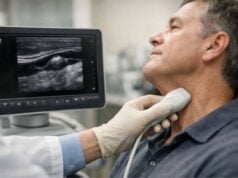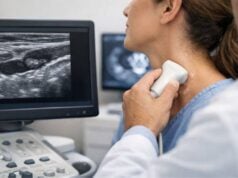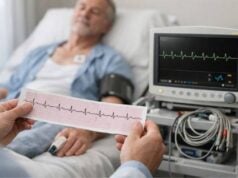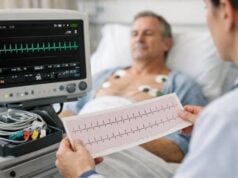
Jervell and Lange-Nielsen syndrome is a rare inherited condition that affects both hearing and the heart’s rhythm. Children are typically born with severe hearing loss, but the heart risk may remain hidden until a fainting spell, a seizure-like episode, or—more rarely—a sudden collapse brings it to attention. What makes this condition especially important is that the heart problem is treatable once it is recognized, and early treatment can be lifesaving. Families often need clear, practical guidance: what the diagnosis means, how to keep a child safe at home and school, and which therapies reduce risk the most. This article explains how the syndrome affects the body, what causes it, the symptoms that matter, how doctors confirm it, and what treatment and long-term management usually involve.
Table of Contents
- What is it and how it affects the body?
- What causes it and who is at risk?
- First symptoms and serious complications
- How is it diagnosed and confirmed?
- Which treatments work best?
- Management, prevention, and when to seek care
What is it and how it affects the body?
Jervell and Lange-Nielsen syndrome (often shortened to JLNS) is the most severe form of an inherited “long QT” condition that also includes congenital (present from birth) sensorineural hearing loss. The heart issue is called long QT syndrome because the QT interval on an electrocardiogram (ECG) is longer than normal. That longer interval reflects delayed “resetting” of the heart’s electrical system after each beat. When the reset is too slow, dangerous rhythm problems can occur.
Why the heart becomes vulnerable
In JLNS, the problem usually involves a potassium channel that helps the heart recover electrically between beats. When this channel does not work well, the heart can develop rapid, chaotic rhythms such as torsades de pointes, which may cause sudden fainting or cardiac arrest. Episodes are often triggered by spikes in adrenaline—strong emotion, sudden fright, running, jumping, or swimming—because the heart is being asked to speed up quickly.
A practical way to picture this: the heart’s “recovery phase” is running behind schedule. When the next beat arrives too soon, the electrical system can trip into an unstable rhythm.
Why hearing is affected too
The same potassium channel is also important in the inner ear, where it supports the fluid balance needed for normal hearing. In JLNS, channel dysfunction can disrupt inner-ear function early in development, leading to profound bilateral hearing loss from birth. That combination—severe congenital deafness plus a markedly prolonged QT interval—is the hallmark of the syndrome.
How JLNS differs from other long QT conditions
Many long QT syndromes are inherited in a dominant pattern and may not involve hearing loss. JLNS, in contrast, is typically inherited in a recessive pattern and tends to present earlier and with higher arrhythmia risk. QTc values (a heart-rate–corrected QT measurement) are often very prolonged, frequently above 500 ms, and clinical events may occur in childhood if untreated.
The key message is hopeful: once identified, JLNS can often be managed with a structured plan that includes medication, trigger control, family education, and—when appropriate—procedures that further reduce risk.
What causes it and who is at risk?
JLNS is caused by inherited changes in genes that form or regulate a potassium channel. Most cases involve KCNQ1, and a smaller portion involve KCNE1. These genes provide instructions for parts of a channel that helps control electrical recovery in the heart and supports fluid balance in the inner ear.
Inheritance pattern that shapes family risk
JLNS is most often autosomal recessive, meaning a child typically inherits one non-working copy of the gene from each parent. Parents usually do not have JLNS themselves because they have one working copy. However, some carriers may have subtle ECG changes or mild long QT features, so family screening is still important.
This inheritance pattern has practical implications:
- If both parents are carriers, each pregnancy has a 25% chance of JLNS, a 50% chance of being a carrier, and a 25% chance of inheriting two working copies.
- JLNS may be more common in communities with higher rates of related-parent unions, but it can occur in any family.
Why severity can differ between children
Even with the same diagnosis, risk and symptoms can vary. Several factors can influence how strongly JLNS shows up:
- The specific gene change (some variants reduce channel function more than others)
- Other “modifier” genes that slightly raise or lower arrhythmia risk
- Baseline QTc length (longer QTc generally signals higher risk)
- Whether early symptoms have already occurred (syncope or cardiac arrest history matters)
- Environmental stressors and medical triggers
Triggers that raise arrhythmia risk day to day
JLNS events are often precipitated by situations that increase adrenaline or destabilize the heart’s electrical balance. Common triggers include:
- Intense exercise, especially swimming or sudden sprinting
- Startle responses (alarm clocks, loud noises, sudden fear)
- Strong emotional distress
- Fever and dehydration in some children
- Low potassium or low magnesium levels
- Medications that prolong the QT interval
Families sometimes focus only on exercise, but medication exposure is a major preventable risk. Many common drugs can prolong QT, and risk can increase when drugs are combined or when a child is ill and dehydrated.
Who should be evaluated early
JLNS is rare, so routine screening of all children is not standard. But certain situations should prompt early ECG consideration:
- A child with congenital severe-to-profound hearing loss
- Unexplained fainting, seizures, or “spells,” especially with exercise or emotion
- A family history of sudden unexplained death at a young age
- A sibling known to have long QT syndrome or JLNS
Identifying risk early is not about restricting life unnecessarily—it is about preventing a first life-threatening event with a plan that is both realistic and protective.
First symptoms and serious complications
JLNS can present in ways that are easy to misinterpret, especially before anyone suspects a heart rhythm disorder. Many children appear healthy between events. The first clue may be a fainting episode during play, a collapse in the pool, or a seizure-like spell that leads to treatment for epilepsy before an ECG is obtained.
Common early symptoms
Symptoms often reflect brief reductions in brain blood flow caused by an abnormal rhythm:
- Sudden fainting (syncope), often during exercise, excitement, or fright
- “Seizures” that do not respond as expected to anti-seizure medication
- Palpitations (older children may describe a fast, pounding heartbeat)
- Near-fainting with dizziness, gray-out vision, or nausea
- Episodes that occur in clusters during stress, illness, or poor sleep
Because hearing loss is present from birth, families may assume the conditions are unrelated. In JLNS, they are connected by the same channel problem.
Hearing-related features and developmental considerations
Children typically have profound bilateral sensorineural hearing loss. Early audiology support, language access, and family-centered communication planning are essential for development and safety. A child who cannot hear alarms, shouted warnings, or poolside instructions faces different environmental risks. That is not a reason to restrict growth and independence, but it does require thoughtful planning.
Some individuals may also experience balance issues, and families sometimes report motion sensitivity or delayed gross motor milestones. These features vary and are not present in every child.
Serious complications to understand clearly
The most feared complications are related to arrhythmia:
- Torsades de pointes leading to fainting or seizure-like activity
- Ventricular fibrillation causing cardiac arrest
- Sudden cardiac death, especially in untreated or undertreated children
Secondary complications can also matter:
- Head injury from sudden fainting
- Anxiety, avoidance of activity, or reduced confidence after episodes
- Medication nonadherence during adolescence (a common risk period)
- Complications from devices (for example, inappropriate shocks in children with defibrillators)
Red flags that require urgent evaluation
Seek urgent medical assessment if any of the following occur, especially in a child with congenital hearing loss or known long QT risk:
- A first-ever fainting episode during exertion, swimming, or strong emotion
- Fainting with injury, cyanosis (blue color), or prolonged unresponsiveness
- A seizure-like episode with rapid recovery and no post-seizure confusion
- Family history of sudden death under age 40, especially during activity or sleep
- Recurrent “spells” that remain unexplained after routine evaluations
JLNS is a condition where the right diagnosis can transform outcomes. Treating the cause—an electrical rhythm vulnerability—often prevents repeated events and allows a safer, more predictable life.
How is it diagnosed and confirmed?
Diagnosis of JLNS typically involves three pillars: ECG findings, hearing evaluation, and genetic confirmation. Because the stakes are high, clinicians also work to rule out conditions that mimic JLNS events, such as epilepsy, vasovagal fainting, structural heart disease, and other inherited arrhythmia syndromes.
Step one: ECG and careful QTc measurement
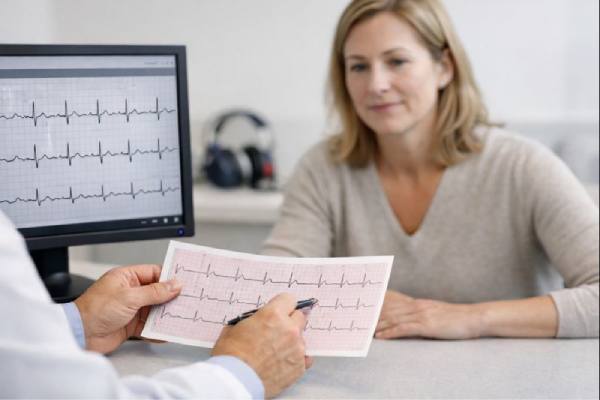
The first test is usually a standard 12-lead ECG. Clinicians measure the QT interval and correct it for heart rate (QTc). In JLNS, QTc is often markedly prolonged, and T-wave patterns may look abnormal. Because QT measurement can vary with technique and heart rate, an experienced clinician may repeat ECGs or use additional leads and methods to confirm the value.
If a child has congenital hearing loss and an unexpectedly prolonged QTc, JLNS becomes a strong consideration.
Step two: history and family pattern
Doctors look closely at:
- Circumstances of episodes (exercise, swimming, emotional stress, startle)
- Any sudden deaths in relatives, unexplained drownings, or “seizure” deaths
- Medication exposures that may prolong QT
- Prior ECGs in parents or siblings, even if they feel well
This history helps distinguish JLNS from other long QT subtypes and guides urgent risk reduction while testing proceeds.
Step three: audiology and syndromic evaluation
Audiology confirms the type and degree of hearing loss. In JLNS, hearing loss is usually congenital, bilateral, and severe-to-profound. Clinicians also evaluate for other causes of syndromic deafness. The goal is not to over-test, but to ensure the combined heart-and-hearing picture truly fits JLNS.
Genetic testing and cascade screening
Genetic testing can confirm the diagnosis by identifying disease-causing variants in KCNQ1 or KCNE1. A confirmed result also enables:
- Testing of parents to clarify carrier status
- Testing of siblings and other relatives (cascade screening)
- More precise counseling about future pregnancies
- Better planning for long-term management and emergency preparedness
Additional tests that support safety
Depending on the situation, clinicians may also order:
- Holter monitoring (24–48 hours) to look for rhythm instability
- Exercise testing in selected patients to assess QT behavior and triggers
- Echocardiography to evaluate heart structure (often normal in JLNS)
- Blood tests for electrolytes if episodes occurred during illness or dehydration
A helpful mindset for families is to treat diagnosis as an urgent “systems check.” The goal is to identify the rhythm vulnerability early, start protective therapy quickly, and build a plan that reduces risk in real-world situations such as school, sports, and swimming.
Which treatments work best?
Treatment in JLNS focuses on preventing dangerous rhythms before they start. Most children need a combination of medication, trigger management, and—when risk remains high—procedures or devices that add extra protection. Because JLNS is typically high risk, clinicians often treat aggressively and early.
Beta-blockers as the foundation
Nonselective beta-blockers are the cornerstone of therapy. They blunt the adrenaline surge that often triggers events. In many pediatric long QT programs, nadolol or propranolol are commonly used, and doses are adjusted for weight and response. The practical goals are:
- Consistent daily coverage (missed doses can be dangerous)
- Adequate dosing without intolerable side effects
- Clear plans for vomiting illness, fasting, or surgery days
Families often worry about fatigue or low heart rate. Those concerns are real, but clinicians usually prioritize arrhythmia prevention and then fine-tune dose timing, school schedules, and activity plans to keep life workable.
Left cardiac sympathetic denervation
Left cardiac sympathetic denervation (LCSD) is a surgical procedure that reduces the heart’s exposure to sympathetic nerve signals. It does not cure JLNS, but it can lower event rates, especially in children who remain symptomatic despite beta-blockers or who cannot tolerate adequate doses. LCSD is most often considered in:
- Recurrent syncope or documented torsades despite therapy
- Very high-risk profiles where medication alone may not be sufficient
- Situations where adding a defibrillator is being considered and risk reduction is needed
LCSD is typically performed by specialized teams and is often part of a broader strategy rather than a standalone solution.
Implantable cardioverter-defibrillator and pacing strategies
An implantable cardioverter-defibrillator (ICD) may be recommended for children who have survived cardiac arrest or who continue to have dangerous arrhythmias despite optimized therapy. ICD decisions in children are complex because they involve long-term device management, growth-related lead issues, and the psychological impact of shocks. Specialists weigh:
- Clear survival benefit in the individual child
- Likelihood of recurrent arrhythmia despite best medical therapy
- Family readiness and follow-up capacity
Some children benefit from pacing strategies when pauses or slow heart rates contribute to arrhythmia risk, but this is individualized.
Acute episode care and medication precautions
Families should know that emergency departments treat unstable long QT rhythms differently than typical fainting. Acute torsades may require magnesium and rhythm stabilization, while certain medications should be avoided. This is one reason many families carry a diagnosis letter, medication lists, and emergency instructions.
Hearing treatment alongside cardiac safety
Cochlear implantation and other hearing interventions can be life-changing for communication and development. For JLNS, procedural planning should include cardiac precautions: anesthesia teams need to avoid QT-prolonging drugs when possible, maintain electrolytes, and monitor rhythm carefully.
The most effective treatment plan is not just a prescription—it is a system: consistent medication use, safer environments, informed caregivers, and clear escalation steps when symptoms appear.
Management, prevention, and when to seek care
Long-term management of JLNS is about building a life that is both safe and full. The best plans are specific: they address school, sports, swimming, illness days, travel, and the teenage years when independence grows and adherence can slip.
Daily routines that reduce risk
Practical habits make a measurable difference:
- Take beta-blockers at the same times each day; use alarms and backup reminders.
- Keep a current “avoid” list of QT-prolonging medications and share it with all clinicians.
- Prevent dehydration, especially during hot weather, travel, or stomach illness.
- Treat fevers promptly and discuss illness plans with the cardiology team.
- Maintain regular sleep; exhaustion can amplify stress responses and trigger behaviors.
If vomiting prevents medication intake, families should follow a prearranged plan rather than improvising.
School, sports, and swimming safety
Many children with JLNS can participate in activity with appropriate safeguards. Schools and coaches should understand:
- The child’s diagnosis and emergency action plan
- Who can administer CPR and use an AED (automated external defibrillator)
- How to recognize syncope as a potential cardiac event, not “just fainting”
- The importance of supervised swimming and water activities
Swimming deserves special attention because long QT conditions—especially those linked to exercise triggers—carry increased risk in water. “Supervised” should mean more than someone nearby; it should include rapid rescue capability and access to emergency response.
Home planning and caregiver education
A strong home plan typically includes:
- Family training in CPR
- An AED in the home when recommended by the care team
- Clear instructions for babysitters and relatives
- Medical identification jewelry or a wallet card
- A written plan for urgent symptoms and for emergency department visits
Families often find it helpful to keep a one-page document that lists diagnosis, current medications and doses, drugs to avoid, and specialist contact details.
Genetic counseling and family screening
Because JLNS is inherited, family planning and screening are part of prevention:
- Testing siblings can identify silent risk early.
- Carrier testing informs future pregnancy decisions.
- Some families explore reproductive options that reduce recurrence risk.
These conversations can be emotionally heavy, so many families benefit from a genetic counselor who can explain choices clearly and without pressure.
When to seek urgent or emergency care
Seek urgent evaluation for:
- Any fainting episode, especially during exertion, swimming, or strong emotion
- Seizure-like activity with sudden collapse or rapid recovery
- Palpitations with dizziness, chest pain, or near-fainting
- Repeated vomiting that prevents medication intake
- New or worsening symptoms after a medication change
Call emergency services immediately for collapse, unresponsiveness, abnormal breathing, or any suspected cardiac arrest. Early CPR and AED use save lives, and caregivers should feel empowered to act.
The most important prevention tool is consistency: consistent medication, consistent avoidance of high-risk drugs, and consistent preparation for the situations where adrenaline spikes or illness disrupts routine.
References
- 2022 ESC Guidelines for the management of patients with ventricular arrhythmias and the prevention of sudden cardiac death 2022 (Guideline)
- Left cardiac sympathetic denervation in children with Jervell Lange-Nielsen syndrome and drug refractory torsades – A case series 2023 (Clinical Case Series)
- Congenital Long QT Syndrome in Children and Adolescents: A General Overview 2024 (Review)
- Molecular mechanisms of function deficiencies in KCNQ1 variants associated with Jervell and Lange–Nielsen syndrome 2025 (Review)
- Jervell and Lange-Nielsen Syndrome – GeneReviews® – NCBI Bookshelf 2017 (Expert Review)
Disclaimer
This article is for educational purposes only and does not replace medical advice, diagnosis, or treatment. Jervell and Lange-Nielsen syndrome is a high-risk cardiac condition that requires care from qualified clinicians, typically including pediatric cardiology/electrophysiology and audiology teams. If you or your child has fainting, seizure-like episodes, palpitations with dizziness, or collapse—especially during exercise, swimming, or strong emotion—seek urgent medical evaluation. In an emergency (unresponsiveness, abnormal breathing, suspected cardiac arrest), call emergency services immediately and begin CPR/AED use if available.
If you found this article helpful, please share it on Facebook, X (formerly Twitter), or any platform you prefer, and follow us on social media. Your support through sharing helps our team continue producing high-quality, reliable health content.