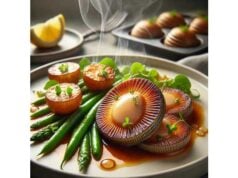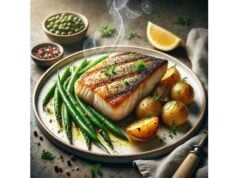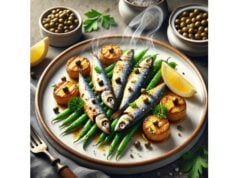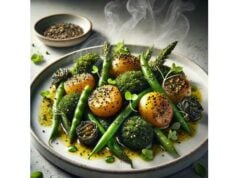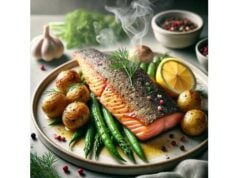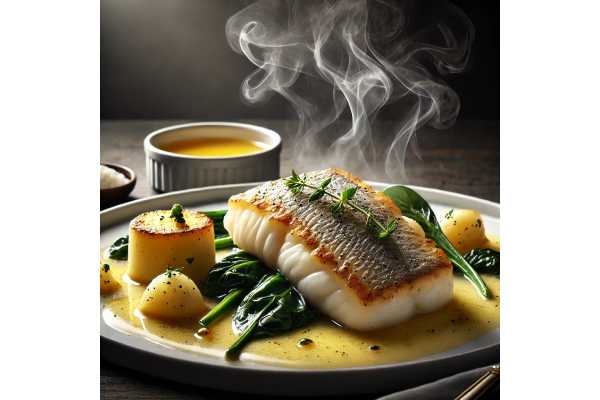
John Dory (Zeus faber) is a prized, lean white fish adored by chefs for its sweet, delicate flavor and soft, large flakes. Its distinctive dark spot and wide, flat body hide firm, pearly fillets that cook in minutes and take well to gentle heat. In the kitchen, John Dory shines when simply pan-roasted with butter and capers, steamed with herbs and lemon, or poached in a light broth; yet it is sturdy enough for a golden breadcrumb crust or a quick grill. Nutrition-wise, it is high in complete protein, naturally low in fat, and a useful source of vitamin B12, niacin, selenium, and phosphorus. Mercury levels are generally modest for a demersal fish, and portion sizes are straightforward to manage. With thoughtful sourcing—favoring responsible fisheries, careful handling, and smart storage—John Dory can be a standout centerpiece for elegant dinners and weeknight meals alike. This guide turns the science and sourcing into practical, cook-friendly advice.
Fast Facts
- Lean, high-protein white fish (about 18–20 g protein and 0.7–2 g fat per 100 g), supplying vitamin B12, niacin, selenium, and phosphorus.
- Typical serving: 120–150 g cooked fillet (about 4–5 oz), 1–2 times weekly within a varied seafood plan.
- Safety caveat: as with all finfish, allergy is possible; proper chilling and thorough cooking or reputable raw sourcing are essential.
- Limit or avoid: individuals with confirmed finfish allergy; for pregnancy and young children, follow national seafood guidance and rotate species.
Table of Contents
- Detailed Overview
- Nutrition Profile
- Evidence-Based Health Benefits
- Risks, Allergies and Interactions
- Selecting, Quality, Sustainability and Storage
- Preparation, Cooking and Nutrient Retention
- Portions, Comparisons and FAQs
Detailed Overview
John Dory is a deep-bodied, laterally compressed fish found in temperate and subtropical waters of the Atlantic, Mediterranean, and parts of the Indo-Pacific. Recognizable by its round “thumbprint” spot, it hunts small fish and crustaceans near reefs and sandy bottoms. Despite its somewhat austere look, it yields luxurious fillets prized in French, Mediterranean, and modern coastal cuisines. The flesh is white to off-white, moist, and subtly sweet, with large, delicate flakes that stay tender when cooked with care.
Culinary appeal rests on three strengths. First, flavor neutrality with character: John Dory tastes clean and sweet, neither muddy nor overly fishy, making it an ideal partner for bright acids, fresh herbs, and gentle fats. Second, texture: the muscle fibers are fine and tender, which means a crisp sear outside and a just-set center are easy to achieve. Third, versatility: it handles poaching, steaming, pan-roasting, shallow frying, and parchment-baking without falling apart when you mind time and temperature.
Because the fish is lean, overcooking can dry it out. Aim for gentle heat and pull it from the pan when the center just turns opaque. Butter, olive oil, brown butter, or light cream sauces lend richness without overpowering; lemon, capers, chives, dill, tarragon, and fennel highlight its sweetness. John Dory is also excellent in refined dishes: butter-basted fillets over spring peas and morels, or in a saffron fish stew finishing just before service.
From a purchasing perspective, John Dory is typically sold as skinned fillets or whole fish (which are bony and have a low fillet yield—roughly 30–35%). Whole fish provide superior freshness cues—clear eyes, bright skin, and a clean sea aroma—while expertly trimmed fillets offer convenience. Sustainability varies by region and gear; look for landings from well-managed stocks and avoid fish from habitats sensitive to bottom gear, when alternatives are available. With smart sourcing and respectful cooking, John Dory brings restaurant-level elegance to the home table.
Nutrition Profile
Notes: Values below reflect raw John Dory fillet per 100 g (typical ranges). Cooking alters water content and nutrient density. % Daily Value (%DV) uses adult DVs and is approximate.
Macros and Electrolytes (per 100 g, raw)
| Nutrient | Amount | %DV |
|---|---|---|
| Energy | 82–95 kcal | — |
| Protein | 18.0–19.5 g | 36–39% |
| Total fat | 0.7–1.9 g | 1–3% |
| Saturated fat | 0.2–0.4 g | 1–2% |
| Carbohydrate | 0 g | — |
| Sodium | ~55–70 mg | 2–3% |
| Potassium | ~300–380 mg | 6–8% |
| Water | ~78–80 g | — |
Fats and Fatty Acids (per 100 g, raw)
| Component | Amount |
|---|---|
| Omega-3 EPA + DHA | ~0.15–0.35 g |
| Omega-6 total | ~0.02–0.06 g |
| Cholesterol | ~45–60 mg |
Vitamins (per 100 g, raw)
| Vitamin | Amount | %DV |
|---|---|---|
| Vitamin B12 (cobalamin) | ~1.0–2.0 µg | 42–83% |
| Niacin (vitamin B3) | ~4.0–6.0 mg | 25–38% |
| Vitamin B6 (pyridoxine) | ~0.3–0.4 mg | 18–24% |
| Vitamin D (cholecalciferol) | ~1–4 µg (40–160 IU) | 5–20% |
Minerals (per 100 g, raw)
| Mineral | Amount | %DV |
|---|---|---|
| Selenium | ~30–45 µg | 55–82% |
| Phosphorus | ~190–230 mg | 15–18% |
| Magnesium | ~25–35 mg | 6–8% |
| Calcium | ~10–25 mg | 1–2% |
| Iron | ~0.3–0.7 mg | 2–4% |
| Zinc | ~0.3–0.7 mg | 3–6% |
| Iodine | variable (often 30–120 µg) | 20–80% |
Protein and Amino Acids
- Complete protein with all essential amino acids. Leucine often ~1.6–1.9 g/100 g; lysine ~2.0–2.3 g/100 g (typical for lean white fish).
- High digestibility supports muscle repair when protein is distributed across meals.
Bioactives/Phytonutrients
- Marine omega-3s (EPA, DHA) at modest levels help contribute to weekly totals; rotate with oily fish for higher intake.
Allergens & Intolerance Markers
- Contains fish proteins (e.g., parvalbumin) that can trigger IgE-mediated allergy in susceptible individuals.
Contaminants/Residues
- Methylmercury: generally low to moderate for a demersal species; varies by size and harvest area.
- Environmental residues: usually well below regulatory limits in responsibly managed fisheries.
Footnote on labels and products: Sodium rises in brined, smoked, or pre-seasoned fillets. Breaded or fried preparations raise calories and fat. Fortified products are uncommon for this species; any enrichment should be clearly labeled.
Evidence-Based Health Benefits
1) High-quality protein with few calories
With roughly 18–20 g protein and under 2 g fat per 100 g raw, John Dory provides a strong protein-to-calorie ratio. A typical cooked portion (120–150 g) yields ~25–32 g protein for ~150–210 kcal depending on cooking fat. That supports satiety, post-exercise recovery, and maintenance of lean mass across adulthood. Distributing protein evenly (e.g., 25–35 g per meal) optimizes muscle protein synthesis and may help appetite control.
2) Micronutrient coverage for metabolic and cellular health
John Dory contributes vitamin B12 and niacin, essential for energy metabolism and red blood cell function, plus selenium—a cofactor in antioxidant enzymes and thyroid hormone metabolism. Phosphorus supports bone health and energy transfer (ATP). While no single fillet meets every need, building seafood into meals a few times weekly improves micronutrient diversity without excessive calories.
3) Modest omega-3s as part of a rotation
Lean fish like John Dory do not match salmon or sardines for EPA and DHA, but they still contribute. The pragmatic approach is variety: enjoy John Dory for flavor and protein density while rotating in oily fish to reach weekly omega-3 targets. This pattern balances culinary enjoyment with cardiometabolic benefits associated with regular seafood intake.
4) Culinary versatility that promotes healthier patterns
Because the flavor is mild, home cooks can pair John Dory with vegetables, legumes, and whole grains in countless combinations—think lemony beans and greens, tomato-fennel broths, or herb salads. Replacing higher-saturated-fat meats with lean fish a couple of times a week nudges overall diet quality in a heart-friendly direction.
5) Family-friendly texture and taste
John Dory is tender and not “fishy,” making it a gentle introduction for seafood-cautious eaters. Quick-cooking techniques—parchment parcels, light pan-roasts, or gentle poaching—deliver consistent success and help households establish a steady seafood habit.
Perspective: Benefits come from the pattern—varied seafood 1–2+ times weekly in balanced meals—rather than any single serving. If omega-3 intake is a specific goal, rotate oily species in on other days.
Risks, Allergies and Interactions
Fish allergy
Like other finfish, John Dory can trigger IgE-mediated reactions. Symptoms range from hives and lip swelling to anaphylaxis. Individuals with known finfish allergy should avoid John Dory unless evaluated and cleared by an allergist. Dining out carries a higher cross-contact risk; communicate clearly and consider venues with strong allergy protocols.
Mercury and contaminants
John Dory generally falls in the low-to-moderate mercury group compared with large, long-lived predators. Sensible precautions include species rotation and adherence to national seafood guidance for pregnancy, breastfeeding, and young children. Cooking does not remove mercury; portion sizing and frequency are the levers you control.
Spoilage and handling
Because the fillets are thin and delicate, quality declines quickly if improperly chilled. Keep at ≤4 °C (≤40 °F), cook within 24–48 hours of purchase, and refrigerate leftovers promptly for up to 2 days. Red flags include sour or ammonia-like odors and mushy texture. When in doubt, discard.
Parasites
Wild fish can harbor anisakid larvae. Proper cooking to 63 °C (145 °F) or freezing to validated parasite-kill steps for raw preparations manages risk. If you enjoy crudos or lightly cured dishes, purchase sashimi-grade fish from reputable suppliers who follow strict freezing protocols.
Sodium and additives
Plain fillets are naturally low in sodium. Pre-brined, smoked, or breaded products can increase sodium considerably. If sodium is a concern, choose plain fish and season with citrus, herbs, and umami vegetables rather than excess salt.
Medication considerations
- Anticoagulants: John Dory is not high in vitamin K, but keep your overall diet consistent if you use vitamin K–sensitive medications.
- Thyroid disorders: iodine content varies; keep weekly seafood intake steady and consult your clinician if you manage thyroid disease.
Bones and choking risk
Pin bones are uncommon in well-trimmed John Dory fillets but do check before serving to children or anyone with swallowing difficulties.
Selecting, Quality, Sustainability and Storage
Buying guide
- Names and identity: Sold as John Dory, St. Peter’s fish (regionally), or by the scientific name Zeus faber. Confirm species if labeling is unclear.
- Whole vs fillets: Whole fish offer the best freshness cues but yield is low (30–35%). Skinned fillets are convenient and commonly sold center-cut for even thickness.
- Fresh vs frozen: High-quality IQF (individually quick frozen) fillets can outperform “fresh” fish that traveled long distances. Look for intact glaze and no freezer burn.
- Freshness checks: Flesh should be moist and translucent with a clean, oceany scent. Avoid dull, sticky, or strong-smelling fillets.
Sustainability snapshot
- John Dory is typically harvested with trawls or gillnets as part of mixed demersal fisheries. Stock health and bycatch vary by region. Favor landings from well-managed fisheries and gear with bycatch mitigation. When eco-labels or credible regional recommendations are available, they help signal responsible practices.
- Diversifying your seafood choices across species and catch areas reduces pressure on any single stock and broadens culinary horizons.
Storage and handling
- Refrigeration: Store on ice or at 0–2 °C (32–36 °F). Use within 24–48 hours. Keep fillets on a rack over paper towels; replace towels if wet.
- Freezing: Vacuum-seal or wrap tightly (plastic + foil). Freeze at −18 °C (0 °F) up to 3–4 months for best quality. Thaw in the refrigerator on a rack overnight.
- Leftovers: Chill within 2 hours; reheat gently or serve cold within 48 hours.
Traceability and quality clues
- Prefer vendors who can tell you the harvest area and gear, and who handle fish over real ice with good drainage.
- Transparent origin labeling, lot codes, and clear “previously frozen” disclosures are good signs.
- Avoid fillets sitting in meltwater or stacked warm under heat lamps.
Smart substitutions
- If John Dory is unavailable, consider lemon sole, flounder, hake, or halibut (for a firmer, richer option). For stronger omega-3s, rotate trout, sardines, or salmon on other days.
Preparation, Cooking and Nutrient Retention
John Dory is lean and delicate, rewarding gentle heat and precise timing. Because it contains little fat, pairing with healthy oils or a light butter sauce adds flavor and helps carry fat-soluble aromas.
Core techniques (reliable and fast)
- Pan-roasted with lemon and capers
- Pat fillets dry; season lightly with salt and pepper.
- Heat a thin film of oil in a nonstick or well-seasoned skillet over medium-high.
- Sear 2–3 minutes on the first side until lightly golden; flip and cook 1–2 minutes more.
- Add a knob of butter, capers, and lemon juice; baste for 20–30 seconds.
- Finish with chopped parsley. Pull when just opaque in the center.
- Parchment parcels (en papillote)
- Place fillet on a bed of shaved fennel and cherry tomatoes; add lemon slices and a drizzle of olive oil.
- Seal in parchment and bake at 200 °C (400 °F) for 10–12 minutes.
- Steam inside the parcel preserves moisture and delicate B vitamins.
- Gentle poach in court-bouillon
- Simmer a light aromatic broth (onion, celery, fennel, peppercorns).
- Slide in fillets; maintain barely a simmer for 5–7 minutes.
- Serve with a spoon of aromatic broth, dill, and a squeeze of lemon.
- Golden breadcrumb bake
- Mix panko with lemon zest, chopped herbs, and a teaspoon of olive oil.
- Spread thin Dijon on the fish, top with crumbs, and bake at 220 °C (425 °F) for 8–10 minutes on a preheated tray.
Nutrient-savvy tips
- Avoid overcooking: Pull at just-opaque; carryover heat finishes the center.
- Use healthy fats mindfully: A tablespoon of olive oil or a small pat of butter adds flavor and satiety with modest calories.
- Season smartly: Rely on lemon, vinegars, herbs, and umami (capers, tomatoes, olives) to enhance taste with less salt.
- Keep coatings light: Thin crumb or batter layers add crispness without heavy oil absorption.
Flavor pairings and sides
- Bright: lemon, capers, parsley, chives.
- Anise notes: fennel, tarragon.
- Mediterranean: tomatoes, olives, basil.
- Spring accents: peas, asparagus, mint.
- Comforting: light cream-mustard, mashed new potatoes, sautéed greens.
What to avoid
- Prolonged frying that dries lean fillets.
- Thick, heavy sauces that mask delicate flavor.
- Holding cooked fish hot for long; quality drops quickly—serve promptly.
Portions, Comparisons and FAQs
Practical portions and weekly frequency
- Adults: 120–150 g cooked (4–5 oz) per serving.
- Weekly pattern: 1–2 servings of John Dory within a variety of seafood totaling ~225–340 g (8–12 oz) per week for most adults.
- Children and pregnancy: Follow national guidance emphasizing lower-mercury species, age-appropriate portions, and species rotation.
How John Dory compares
- Versus cod or haddock: similarly lean; John Dory’s flakes are larger and moister, with a sweeter finish.
- Versus halibut: leaner and more delicate; halibut is thicker and higher in omega-3s per portion but can dry if overcooked—both reward careful timing.
- Versus salmon or trout: much lower in fat and omega-3s; better for high-protein, lower-calorie plates. Rotate oily fish to raise EPA + DHA intake.
Buying and kitchen swaps
- Choose center-cut fillets for pan-searing and use thin tail pieces for chowders, pies, or fish cakes.
- For gluten-free crumbs, try crushed cornflakes or almond meal with herbs.
- When fish availability is limited, hake or flounder are dependable substitutes in most recipes.
FAQs
Is John Dory sustainable?
Sustainability depends on region and gear. Look for landings from well-managed stocks, responsible gear, and transparent labeling. Diversifying your seafood choices also supports overall ocean health.
Is John Dory high in mercury?
Generally low to moderate. Keep portions within weekly guidance and rotate species, especially during pregnancy and for young children.
Can I eat it raw?
If properly handled and frozen to parasite-kill standards, John Dory can be served as crudo. When in doubt, cook to 63 °C (145 °F).
Does breading ruin the health profile?
A thin crumb baked on a hot tray uses less oil than deep-frying. Pair with vegetables and a bright salad to keep the meal balanced.
What wine pairs well?
Crisp whites like sauvignon blanc, albariño, or Chablis complement the fish’s sweetness and lemony sauces.
References
- Selenium Consumer Fact Sheet (2024)
- Vitamin B12 Consumer Fact Sheet (2024)
- Advice about Eating Fish (2024)
- Responsible Fisheries: Demersal fisheries management guidance (2011)
- Omega-3 fatty acids and cardiovascular disease: evidence update (2017)
Disclaimer
This guide is for general education and is not a substitute for personalized medical advice, diagnosis, or treatment. Nutrient and contaminant levels vary by species, size, and harvest area. If you are pregnant or breastfeeding, have a finfish allergy, thyroid disorder, kidney disease, cardiovascular disease, or take prescription medications (including anticoagulants), seek advice from a qualified health professional and follow your local public health guidance.
If you found this article helpful, please consider sharing it on Facebook, X (formerly Twitter), or your preferred platform. Your support helps us continue producing clear, practical, evidence-based food guides.