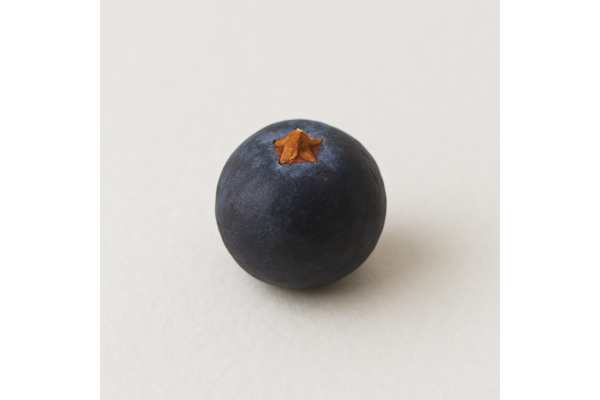
Juniper berries are small, dark blue “berries” with a piney, resinous aroma and a long history in both cooking and traditional medicine. Despite the name, they are actually the fleshy cones of the juniper shrub, most famously used to flavor gin, but also found in stews, pickles, sauces, and herbal blends.
In the kitchen, juniper berries contribute a distinctive mix of citrus, pine, and subtle sweetness that pairs particularly well with rich, gamey meats, fermented vegetables, and hearty winter dishes. Beyond flavor, they contain aromatic oils, phenolic compounds, and modest amounts of vitamins and minerals that may support antioxidant defenses, digestion, and urinary tract health when used appropriately.
At the same time, juniper is a potent plant. The same compounds that may offer benefits can irritate the kidneys or uterus at high doses or in vulnerable groups. This article explains how juniper berries work, where they may help, and how to enjoy them safely in everyday cooking and herbal use.
Core Points
- Juniper berries contain aromatic oils and polyphenols that may support antioxidant capacity, digestion, and urinary function.
- Culinary amounts are small but can meaningfully enhance flavor while adding minimal calories and sodium.
- A practical culinary portion is about 0.5–1 g (roughly 3–6 dried berries) per serving, used a few times per week.
- People who are pregnant, have kidney disease, or take strong diuretics should generally avoid internal juniper use unless advised otherwise.
- High-dose supplements and essential oil products carry more risk than typical food use and warrant professional guidance.
Table of Contents
- Juniper Berry Background and Uses
- Juniper Berry Nutrition and Components
- Juniper Berry Health Effects and Research
- Juniper Berry Risks, Allergy and Interactions
- Choosing Juniper Berries Quality and Storage
- Preparing Juniper Berries for Flavor and Nutrition
- Juniper Berry Portions Comparisons and FAQs
Juniper Berry Background and Uses
Juniper berries come primarily from Juniperus communis, an evergreen shrub or small tree that grows across much of the Northern Hemisphere. The berries start green and ripen over two to three years into deep blue or purple, developing their characteristic resinous, slightly fruity aroma during this period. Only female plants bear berries, which are usually harvested when fully mature.
Historically, juniper berries have been used in European, Scandinavian, and Central Asian cuisines, as well as in various traditional medicine systems. In cooking, they are best known for:
- Flavoring gin and some other spirits.
- Seasoning game meats such as venison, wild boar, and duck.
- Enhancing pork, lamb, and hearty beef stews.
- Adding complexity to sauerkraut, pickles, and fermented vegetables.
- Contributing to spice blends and marinades for roasted or smoked foods.
The flavor profile is complex: piney and woody at first, followed by citrus-like brightness and a gentle bitterness. Because the flavor is intense, even a few crushed berries can change a dish. Cooks often pair juniper with bay leaves, black pepper, garlic, rosemary, thyme, and citrus zest to build layers of aroma.
Juniper berries are sold dried, sometimes slightly waxy on the surface, and may be whole, cracked, or ground. Whole berries stay aromatic longer and are often lightly crushed just before use to release their oils. Ground juniper is convenient but loses potency faster and is more prone to oxidation.
Beyond culinary applications, juniper berries and their essential oil have been used traditionally as:
- Mild diuretics and urinary tract tonics.
- Digestive aids, particularly for heavy or fatty meals.
- Topical preparations in some folk practices for joint discomfort.
- Aromatic agents in baths, inhalations, and ritual or cleansing practices.
Modern research is exploring these traditional uses, but evidence is uneven and often based on concentrated extracts, not on the small amounts used in recipes. Understanding this distinction is essential when deciding how to include juniper in your diet.
Juniper Berry Nutrition and Components
From a macronutrient standpoint, juniper berries contribute very little energy at typical culinary doses. A tablespoon of dried berries (around 6–8 g) provides roughly:
- Modest calories, largely from natural sugars.
- A small amount of fiber.
- Trace protein and negligible fat.
However, a normal serving in a dish is usually much smaller—often only a gram or two per person—so the direct contribution to daily macronutrient intake is minor. Their interest lies primarily in micronutrients and plant bioactive compounds.
Dried juniper berries contain small amounts of:
- Vitamin C and some B vitamins.
- Minerals such as iron, copper, chromium, and manganese in trace amounts.
Again, because culinary quantities are small, juniper is not a major vitamin or mineral source by itself, but it can modestly enrich the nutrient profile of dishes when used regularly alongside other herbs and spices.
The most distinctive aspect of juniper berries is their essential oil and related phytochemicals. Key components include:
- Monoterpenes such as α-pinene, β-pinene, myrcene, sabinene, limonene, and γ-terpinene.
- Oxygenated compounds like terpinene-4-ol, which has been associated with diuretic and antimicrobial effects.
- Flavonoids and other polyphenolic compounds with antioxidant activity.
- Organic acids, sugars, and small amounts of tannins and resins.
These compounds are mainly responsible for juniper’s aroma, flavor, and many of its proposed biological effects. The essential oil content of dried berries can be significant, but extraction into food depends on preparation: dry heat, fat, alcohol, and long simmering all help release aromatic components.
It is important to distinguish between:
- Culinary use of whole or crushed berries, which delivers relatively low doses of these compounds spread across a meal.
- Herbal teas, tinctures, or capsules, which concentrate certain constituents and are often taken more frequently.
- Essential oil, which is extremely concentrated and should never be ingested casually.
Because essential oils are so potent, even small internal doses can approach levels used in animal experiments. Culinary use is far more dilute, but the same bioactive families are present. This is why juniper can offer meaningful functional effects at the level of flavor, yet also why safety and dosage deserve careful attention.
Juniper Berry Health Effects and Research
Juniper berries have long been used in traditional medicine for digestion, urinary health, and metabolic support. Modern research is beginning to clarify these uses, although most evidence comes from laboratory and animal studies, with relatively few well-controlled human trials.
Antioxidant and antimicrobial properties
Extracts and essential oil from juniper berries show notable antioxidant activity in vitro. They can neutralize free radicals and protect biological models from oxidative damage. This activity is largely attributed to the combined effect of monoterpenes, flavonoids, and other phenolic compounds.
Juniper berry extracts and essential oil also demonstrate antimicrobial effects against a range of bacteria and fungi in laboratory conditions. This supports traditional use of juniper as a preservative and helps explain why it has been used in meat products and fermented foods. In real-world cooking, however, the antimicrobial effect will depend on the concentration achieved in the food and should not be relied on as the sole method of preservation.
Digestive support and appetite
Traditional uses often involve juniper as a carminative and digestive stimulant, especially for heavy or fatty meals. Aromatic constituents can:
- Stimulate saliva and gastric juice secretion.
- Enhance perception of flavor and richness, potentially improving satisfaction with smaller portions.
- Contribute to a sense of digestive comfort in some individuals.
These effects are similar to those of other aromatic herbs such as rosemary and thyme. People with sensitive stomachs, however, may experience irritation if they consume strong preparations or large amounts.
Urinary tract and diuretic effects
Juniper berries and oils have been used as mild diuretics, increasing urine output. Compounds such as terpinene-4-ol are thought to influence kidney function and glomerular filtration. Traditionally, juniper has been included in blends for urinary discomfort and water retention.
While experimental data support a diuretic effect in animals and some human experiences, the clinical evidence in modern controlled trials remains limited. In addition, stimulating the kidneys is not always desirable, especially in people with underlying kidney disease or those taking medications that already affect fluid balance.
Metabolic and blood sugar effects
Several animal studies suggest that juniper berry extracts can influence:
- Blood glucose levels.
- Blood lipid profiles, including cholesterol and triglycerides.
- Body weight and markers of insulin sensitivity in experimental diabetes models.
These findings are promising but are not directly transferable to everyday culinary use in humans. Doses are often higher, and extracts are standardized in ways that do not match typical kitchen use. Juniper should not replace established treatments for diabetes or lipid disorders, but it may be part of broader dietary patterns that support metabolic health.
Joint and inflammatory conditions
Juniper has been used traditionally for joint stiffness and rheumatic complaints, sometimes as a tea and sometimes topically in liniments or baths. Experimental research indicates that juniper extracts can influence inflammatory pathways and oxidative stress in cells. Clinical data in humans are sparse, so any benefit here should be considered preliminary and supportive at best.
Overall, the current evidence suggests that juniper berries can contribute modest antioxidant, digestive, and urinary effects at culinary or mild herbal doses. Stronger therapeutic claims require more rigorous human research, and higher-dose preparations belong under the supervision of a qualified practitioner.
Juniper Berry Risks, Allergy and Interactions
Juniper is a strong herb, and its safety profile depends heavily on form, dose, duration of use, and individual health status. While small culinary amounts are generally well tolerated for most healthy adults, certain risks deserve careful attention.
Kidney and urinary concerns
Older literature raised concerns that juniper might be directly toxic to the kidneys, especially as essential oil. More recent animal studies suggest that juniper berry oil does not harm normal kidneys at doses far above typical food use. Even so, the diuretic and stimulating nature of juniper means it is usually not recommended for:
- People with known kidney disease, reduced kidney function, or a history of significant kidney problems.
- Individuals taking strong diuretics or other medications that place stress on the kidneys.
For these groups, adding a potentially stimulating herb without supervision is not advisable, especially in concentrated forms such as tinctures, capsules, or essential oils.
Pregnancy, breastfeeding, and fertility
Traditional sources often caution against internal use of juniper during pregnancy, because some juniper species have been associated with uterine stimulation and possible abortifacient effects in animals. Safety data in humans are incomplete, but most professional herbal references advise:
- Avoiding internal medicinal doses of juniper berries and essential oil during pregnancy.
- Exercising caution when breastfeeding, as essential oil components may pass into breast milk.
People trying to conceive or undergoing fertility treatment should also approach high-dose juniper products with caution and seek professional guidance.
Gastrointestinal irritation
In some individuals, especially at higher intakes, juniper may:
- Cause stomach discomfort, burning, or nausea.
- Increase reflux symptoms.
- Loosen stools or aggravate existing digestive conditions.
If you notice a consistent pattern of symptom flare after using juniper, it is sensible to reduce the amount, limit use to occasional culinary doses, or avoid it altogether.
Allergic and hypersensitivity reactions
True allergy to juniper berries appears to be uncommon but possible. Potential signs include:
- Itching or swelling in the mouth or throat after ingestion.
- Skin rash, hives, or swelling when handling berries or oil.
- Breathing difficulty or systemic symptoms.
Anyone who suspects an allergic reaction should seek prompt medical care and avoid further exposure until evaluated.
Potential drug interactions
Because juniper may act as a mild diuretic and influence blood sugar and blood pressure in some contexts, there is theoretical potential for interactions with:
- Diuretic medications and drugs that alter electrolyte balance.
- Medications for hypertension or heart failure.
- Diabetes medications and insulin.
- Lithium and other drugs with narrow therapeutic windows that depend on kidney excretion.
At culinary doses, significant interactions are unlikely for most people, but regular use of medicinal preparations alongside prescription drugs should be discussed with a healthcare professional.
In summary, juniper berries can be safe for many people when used in modest culinary amounts. Those with kidney disease, pregnancy, complex medical conditions, or multiple medications should avoid self-prescribing juniper and instead seek personalized advice.
Choosing Juniper Berries Quality and Storage
High-quality juniper berries provide better flavor and a more predictable profile of active compounds. Careful selection and storage also reduce the risk of contamination and waste.
Selecting good dried berries
When buying dried juniper berries:
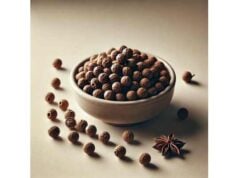
- Look for whole berries that are plump rather than shriveled, with a deep blue or purple-black color and a slight dusty bloom.
- Avoid berries that are faded brown, crushed to powder in the jar, or show signs of mold.
- Open the container if possible and smell the berries; they should have a clear, piney, citrusy aroma rather than a dull or musty scent.
Organic certification may reduce exposure to certain pesticides, though juniper shrubs often grow in relatively low-input systems. The primary quality marker is scent: if the aroma is weak, the berries are likely old and less useful.
Ground juniper and blends
Ground juniper offers convenience in spice rubs and seasoning mixes. However:
- Ground products lose volatile oils more quickly because of increased surface area.
- Light, heat, and oxygen accelerate this loss, so the flavor may fade within months.
If you use juniper often in small amounts, buying whole berries and grinding or crushing only what you need just before cooking is usually more economical and aromatic.
Foraged juniper berries
In some regions, people collect juniper berries from wild shrubs. Foraging can be rewarding, but it comes with risks:
- Not all juniper species are considered suitable for culinary or medicinal use; some are more irritating or potentially toxic. Accurate identification is essential.
- Berries should be harvested away from polluted areas (roadsides, sprayed fields, industrial zones) to minimize contaminant exposure.
- Local regulations and conservation concerns may restrict harvesting in protected areas.
Unless you are confident in plant identification and local conditions, commercially sourced food-grade berries are safer.
Essential oil and extracts
If you choose to use juniper essential oil or concentrated extracts:
- Select products from reputable suppliers who specify the botanical name (Juniperus communis), plant part (berries vs. wood or needles), and batch testing.
- Ensure the product is intended for the way you plan to use it (aromatherapy, topical use, food flavoring), as purity and regulatory standards differ.
Essential oil should be stored carefully and used with caution, especially for internal or medicinal purposes.
Storage recommendations
To preserve quality:
- Store dried berries in airtight containers, away from light, heat, and moisture. A dark glass jar in a cool cupboard works well.
- Whole berries typically retain good flavor for about one year; they may last longer but with gradual aroma loss.
- Ground juniper is best used within six months, or sooner if you notice fading scent.
Proper storage maintains flavor, supports more consistent culinary results, and helps you avoid relying on higher quantities to achieve the same effect.
Preparing Juniper Berries for Flavor and Nutrition
Thoughtful preparation allows you to capture juniper’s complex aroma while moderating intensity and supporting nutrient retention.
Crushing and macerating
Whole berries are hard and can be somewhat woody if used intact. Common preparation steps include:
- Lightly crushing berries with a mortar and pestle, the flat side of a knife, or a spice grinder.
- Allowing them to sit briefly with a small amount of oil, vinegar, or wine to pull out aromatic compounds.
- Adding the crushed berries and liquid to marinades, stews, or sauces.
Crushing increases the release of essential oils, which carry both flavor and many of the bioactive constituents. Because those oils are volatile, it is best to crush shortly before use rather than far in advance.
Cooking methods
Different techniques influence taste and compound stability:
- Low, slow simmering: Adding crushed berries early in a stew, braise, or soup allows their flavor to permeate the dish. Some heat-sensitive components may decline, but the overall aromatic profile remains robust.
- Short cooking or finishing: Stirring juniper into a dish toward the end of cooking preserves brighter notes and more volatile compounds. This can be useful when you want a fresher, less cooked flavor.
- Dry toasting: Briefly toasting berries in a dry pan before crushing can add additional warmth and complexity but may drive off some lighter volatiles if overdone.
When using juniper in dishes that cook for a long time, you may choose to add a small portion early and a second, smaller portion in the last 10–15 minutes for layered flavor.
Pairing with foods
Juniper berries pair particularly well with:
- Rich meats: venison, lamb, duck, goose, pork shoulder, and sausages.
- Root vegetables: carrots, parsnips, celeriac, and beets.
- Cabbage family vegetables: sauerkraut, braised cabbage, and Brussels sprouts.
- Ferments and pickles: beet pickles, mixed vegetable ferments, and brined olives.
In non-alcoholic drinks, juniper can be used to create “gin-inspired” botanical infusions with citrus peel, coriander, and other aromatics. These are usually made by simmering or cold-infusing crushed berries and then straining thoroughly.
Herbal teas and culinary infusions
Some people prepare juniper as a tea or infusion by:
- Crushing a small number of berries (for example, 1–2 g).
- Pouring hot water over them and steeping for 10–15 minutes.
- Straining and drinking in moderation, often as part of a blend with milder herbs.
Because teas and infusions provide higher exposure per serving than typical food use, it is prudent to use low doses for limited periods and to avoid such preparations in pregnancy, kidney disease, or when taking interacting medications.
Topical and aromatic use
Juniper essential oil is commonly used in:
- Massage blends at low dilution, often combined with other oils.
- Bath or foot soak preparations.
- Diffusers or inhalation blends for its forest-like aroma.
Essential oil should always be diluted before skin contact and patch-tested for sensitivity. Internal use of essential oil should not be attempted without qualified supervision due to concentration and potential toxicity at inappropriate doses.
Juniper Berry Portions Comparisons and FAQs
Because juniper is powerful, using appropriate amounts is central to safe and enjoyable consumption.
Reasonable culinary portions
For most healthy adults, practical guidelines include:
- About 0.5–1 g of dried juniper berries (roughly 3–6 average berries), lightly crushed, per serving of a stew or roast.
- For a family-sized dish serving four, this might translate to 1–2 teaspoons of crushed berries in total.
- In fermented or pickled foods, recipes often call for slightly higher amounts, but the berries are spread across many portions.
These amounts can be used occasionally or a few times per week in varied dishes. People who are new to juniper may prefer to start with half these quantities and adjust based on taste and tolerance.
Herbal and supplemental use
For teas or short-term herbal use, traditional references sometimes suggest doses of several grams per day divided into multiple servings. However, given potential kidney and pregnancy concerns and variability in individual response, such uses should be guided by a practitioner familiar with both juniper and your medical history.
Concentrated capsules, tinctures, or essential oil products are not equivalent to food use. They deliver higher levels of active compounds and are generally inappropriate for self-prescribing, especially in vulnerable groups.
Comparisons with other herbs and spices
Compared with some commonly used botanicals:
- Rosemary and thyme also contain monoterpenes and have antioxidant and antimicrobial effects, but do not share the same level of concern regarding kidneys and pregnancy.
- Coriander and fennel are well-known carminatives that support digestion with a gentler safety profile at culinary doses.
- Cinnamon and cloves offer strong antioxidant and antimicrobial actions but have their own safety considerations at high intakes.
Juniper stands out for its intense piney flavor, historical association with urinary and metabolic uses, and narrower margin between gentle and potentially problematic doses, particularly in extract or oil form.
Frequently asked questions
Are juniper berries safe to eat directly?
Culinary berries from Juniperus communis are generally safe to eat in small quantities as part of a meal. Eating large handfuls regularly is not advisable due to the concentration of essential oils.
Can children have juniper-flavored foods?
Occasional exposure to small amounts of juniper as part of a family meal is likely acceptable for many children, but strong juniper teas, tinctures, or capsules are not recommended without professional advice.
Is juniper berry low in carbohydrates?
Yes. Even a generous culinary amount provides only a few grams of carbohydrate at most, spread across multiple servings. It is unlikely to significantly affect blood sugar in the context of a balanced meal.
Can I use juniper if I do not drink alcohol?
Absolutely. Juniper can flavor non-alcoholic stews, roasted dishes, ferments, and botanical infusions. Its association with gin does not mean it must be used in alcoholic beverages.
How long can I safely include juniper in my diet?
Juniper can be part of long-term cooking habits when used in modest culinary amounts and when you do not have contraindications such as kidney disease or pregnancy. If you wish to use higher doses for therapeutic aims, it is best to do so for defined periods under professional guidance.
References
- Potential of Juniperus communis L as a nutraceutical in human and veterinary medicine 2019 (Systematic Review)
- A phytopharmacological review on a medicinal plant: Juniperus communis 2016 (Review)
- Chemical composition and antioxidant properties of juniper berry (Juniperus communis L.) essential oil: action on Saccharomyces cerevisiae antioxidant protection 2014 (Experimental Study)
- Juniper: uses, benefits, and dosage 2024 (Monograph)
- Community herbal monograph on Juniperus communis L., pseudo-fructus 2009 (Regulatory Monograph)
Disclaimer
The information provided in this article is intended for general educational purposes and does not constitute medical, nutritional, or pharmacological advice. Juniper berries and related preparations can interact with health conditions and medications, and their safety depends on dose, preparation, and individual factors.
Always consult a physician, pharmacist, or registered dietitian before using juniper berries or juniper-based products for therapeutic purposes, especially if you are pregnant, breastfeeding, living with kidney or cardiovascular disease, managing diabetes, or taking prescription medications. Never delay, disregard, or modify professional medical advice because of information you have read online.
If you found this article useful, you are kindly invited to share it with friends, family, or colleagues on Facebook, X (formerly Twitter), or any other platform you prefer. Your thoughtful sharing helps support the continued creation of careful, evidence-informed content.