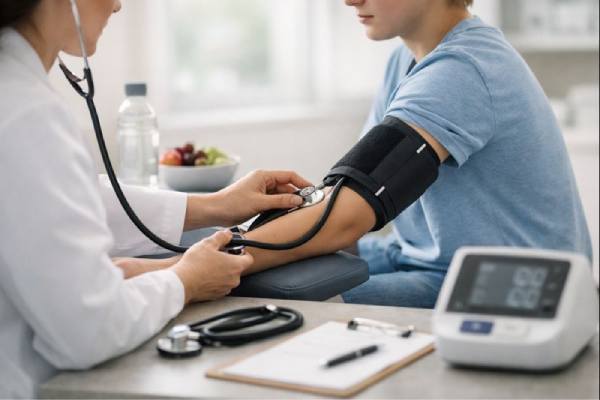
Juvenile hypertension—often described as high blood pressure in children and teens—is easier to miss than many people expect. Most young people with elevated readings feel completely fine, so the condition can quietly build pressure on the heart, blood vessels, eyes, and kidneys over time. The good news is that early detection usually opens the door to effective, practical steps: improving sleep, changing food routines, increasing daily movement, addressing stress, and, when needed, using medication safely.
Because blood pressure changes with age and body size, “normal” for a 7-year-old is not the same as “normal” for a 17-year-old. That is why the first goal is always a correct measurement and a clear diagnosis—then a plan that fits your child’s health, growth, and daily life.
Table of Contents
- What it is and why it matters
- What causes juvenile hypertension?
- Risk factors: who is more likely?
- Symptoms and possible complications
- How doctors diagnose it
- Treatment options and what to expect
- Daily management, prevention, and when to seek care
What it is and why it matters
Blood pressure is the force of blood pushing against artery walls. Juvenile hypertension means that force is consistently higher than it should be for a child or teenager—not just once during a stressful visit or after running to the clinic.
In younger children, clinicians interpret readings using age-, sex-, and height-based ranges. In teens (especially around age 13 and up), thresholds often align more closely with adult cutoffs. This matters because a “slightly high” number on a school sports physical might be a real signal, not a fluke.
Why it matters comes down to time under pressure. Arteries, the heart, and kidneys are designed to handle normal pressure for decades. When pressure stays high:
- The heart muscle can thicken to push against resistance, which can reduce efficiency over time.
- Artery walls can stiffen earlier, which may make blood pressure rise further.
- Kidneys can be strained, since they filter blood through tiny vessels that dislike high pressure.
- Eyes and the brain’s small vessels can also be affected, especially in severe cases.
The long-term concern is not just “a high number now,” but how early hypertension can set a person on a track toward adult cardiovascular disease. The encouraging reality is that childhood and adolescence are also prime years for prevention: weight patterns, sodium habits, physical activity, sleep, and stress management are still flexible. Even modest improvements—kept consistent—can meaningfully lower readings and protect organs.
A useful way to think about juvenile hypertension is as a signal: sometimes it points to lifestyle and environment, and sometimes it points to an underlying medical cause that deserves attention. Either way, it is actionable.
What causes juvenile hypertension?
Juvenile hypertension usually falls into two broad categories: primary (also called essential) and secondary hypertension.
Primary hypertension means there is no single disease causing the elevated pressure. It is increasingly common in adolescents and is strongly linked to a mix of factors, including body weight, diet quality, physical inactivity, sleep problems, and family history. Primary hypertension often develops gradually and may be found during routine checks.
Secondary hypertension means high blood pressure is a result of another condition. It is more common in younger children, in kids with very high readings, or when hypertension appears suddenly. Common secondary causes include:
- Kidney-related problems: kidney scarring, congenital abnormalities, inflammation, or reduced kidney function.
- Renal artery narrowing (reduced blood flow to the kidneys), which can push the body to raise pressure.
- Heart conditions, such as coarctation (narrowing) of the aorta.
- Hormone-related conditions affecting thyroid, adrenal glands, or cortisol balance.
- Sleep-disordered breathing, including obstructive sleep apnea, which can raise nighttime and daytime pressure.
- Medications and substances, such as stimulant medications for ADHD (in some patients), certain decongestants, oral steroids, hormonal contraceptives, energy drinks/caffeine excess, nicotine exposure, and illicit substances.
There is also a third, easy-to-overlook contributor: measurement and context. A cuff that is too small, anxiety during the visit (“white coat” effect), recent exercise, pain, or even a full bladder can temporarily elevate readings. That is why diagnosis relies on repeated, properly taken measurements—sometimes including home or ambulatory monitoring.
Finally, in many adolescents, multiple small drivers stack together: high sodium food, low potassium intake (few fruits/vegetables), insufficient sleep, stress, and limited movement can add up. Identifying the biggest drivers for a specific child is often the fastest route to improvement.
Risk factors: who is more likely?
Risk factors are not “fault.” They are clues—helping families and clinicians decide who needs closer screening, earlier lifestyle support, or a deeper medical workup.
Common risk factors for juvenile hypertension include:
- Family history of hypertension, early heart disease, or stroke.
- Excess body weight, especially when weight is carried around the abdomen.
- Low physical activity and high daily sedentary time (including long stretches of screen time).
- High-sodium eating patterns, often driven by packaged snacks, fast food, processed meats, instant noodles, and salty sauces.
- Low intake of protective foods, especially fruits, vegetables, beans, nuts, and dairy or fortified alternatives (these can support potassium, magnesium, and calcium intake).
- Poor sleep: short sleep duration, inconsistent sleep schedules, or snoring and breathing pauses.
- Chronic stress (school pressure, family stress, bullying, anxiety), particularly when stress coping relies on disrupted sleep or comfort eating.
- Certain medical conditions, such as kidney disease, diabetes, inflammatory diseases, or congenital heart disease.
- Birth and early-life factors, including low birth weight or prematurity, which may influence blood vessel and kidney development.
- Secondhand smoke exposure and vaping/nicotine use.
- Medication exposures, including some stimulants, steroids, and other agents that can raise blood pressure in susceptible children.
Age also shapes risk. Younger children with hypertension are more likely to have a secondary cause, while adolescents are more likely to have primary hypertension—especially if obesity, inactivity, and family history are present. That pattern influences evaluation: a 6-year-old with high readings is usually investigated more aggressively than a 16-year-old with mild elevations and clear lifestyle drivers.
A practical insight: risk factors often cluster. For example, a teen who sleeps 6 hours, skips breakfast, relies on salty cafeteria foods, and rarely moves during the day may show elevated blood pressure even if they do not “look unhealthy.” In those cases, the most effective plan is not a perfect diet or intense workout program—it is a small set of realistic changes that can be sustained for months.
Symptoms and possible complications
Most children and teens with hypertension have no symptoms, which is why routine screening matters. When symptoms do appear, they may be subtle or easy to blame on school stress, dehydration, or lack of sleep.
Possible symptoms include:
- Headaches (especially frequent or severe)
- Dizziness or feeling faint
- Blurred vision or visual “spots”
- Nosebleeds that are frequent or hard to stop
- Shortness of breath, chest discomfort, or unusual fatigue with activity
- Heart palpitations (a racing or pounding heartbeat)
- Poor concentration or irritability (often linked to sleep issues that also raise blood pressure)
Severe hypertension is less common but more urgent. Concerning signs can include intense headache, confusion, weakness, chest pain, severe shortness of breath, fainting, or seizures—especially when paired with very high readings.
Complications depend on how high the pressure is and how long it has been present. In young people, clinicians focus on target-organ effects—early changes that signal the body is under strain:
- Heart: thickening of the heart muscle (often assessed with an ultrasound/echocardiogram in certain cases).
- Kidneys: protein in the urine, reduced kidney function, or worsening kidney disease.
- Blood vessels: early stiffness or reduced flexibility of arteries.
- Eyes: changes in the small vessels of the retina (usually in more severe or long-standing cases).
Another “complication” is emotional: repeated high readings can cause fear and frustration in families. It helps to remember that hypertension management is not a single test or a single appointment—it is a measured process. Once blood pressure is accurately confirmed, most families can make a plan that reduces readings and lowers risk without turning life upside down.
How doctors diagnose it
Diagnosis starts with getting the measurement right, then proving that readings are consistently elevated.
Key steps typically include:
- Correct office measurement
- The cuff size must fit the child’s arm (too small can falsely raise numbers).
- The child should sit quietly for several minutes, feet supported, arm at heart level.
- Multiple readings are often taken and averaged.
- Repeat visits
- A single high reading is not enough for diagnosis in most situations.
- Clinicians look for a pattern across separate days.
- Home blood pressure monitoring
- Some families use a validated home device (often an upper-arm cuff).
- A helpful approach is taking two readings in the morning and two in the evening for a set number of days, then sharing averages with the clinician.
- Home readings can reduce anxiety effects and show real-life patterns.
- Ambulatory blood pressure monitoring
- This is a wearable monitor that checks blood pressure over 24 hours, including sleep.
- It can uncover “white coat” hypertension (high in clinic, normal at home) or “masked” hypertension (normal in clinic, high in daily life).
- Nighttime readings can be especially informative.
- Evaluation for causes and risk
- History: family history, sleep quality, diet patterns, activity, stress, medications, supplements, nicotine exposure.
- Physical exam: growth pattern, heart sounds, pulses, and signs suggesting a secondary cause.
- Common tests may include urine testing, basic blood work for kidney function and electrolytes, and screening for cholesterol and blood sugar depending on age and risk.
- Imaging (such as a kidney ultrasound) or specialized testing may be considered if secondary hypertension is suspected.
A practical point many families appreciate: diagnosis is often less about chasing a single “magic number” and more about understanding the trend. Clinicians want to know: How high is the blood pressure on average? Is it worse at night? Is there evidence the heart or kidneys are being affected? Are there clear lifestyle drivers—or red flags suggesting an underlying condition?
That information shapes treatment intensity and helps avoid both under-treatment and over-treatment.
Treatment options and what to expect
Treatment is individualized, but most plans follow a stepwise path: confirm the diagnosis, address reversible drivers, and add medication when benefits clearly outweigh risks.
Lifestyle treatment is the foundation for most children and teens, especially when readings are mildly to moderately elevated and there is no urgent complication. Effective components include:
- Food pattern changes that are realistic
- Emphasize minimally processed foods: fruit, vegetables, beans, whole grains, yogurt or fortified alternatives, lean proteins, nuts (age-appropriate), and healthy oils.
- Reduce sodium by targeting the biggest sources first: fast food meals, packaged snacks, instant soups/noodles, processed meats, and salty sauces.
- Aim for consistent meal timing to reduce “all-day grazing” on salty foods.
- Movement that fits teen life
- Many teens do better with short, repeatable sessions than one long workout.
- A good target for most is about 60 minutes of physical activity daily, mixing brisk walking, sports, cycling, dance, or bodyweight exercises.
- Strength-building activities a few days per week can help insulin sensitivity and body composition, which supports blood pressure control.
- Sleep and breathing
- Improving sleep duration and consistency can lower blood pressure.
- Snoring, witnessed breathing pauses, or chronic daytime sleepiness should prompt evaluation for sleep-disordered breathing.
- Weight support when appropriate
- In many teens, even modest, gradual changes in body composition can improve blood pressure.
- The goal is often not rapid weight loss, but healthier growth, better fitness, and a stable routine.
Medications may be recommended when:
- Blood pressure is persistently high despite lifestyle changes over time,
- Hypertension is more severe at diagnosis,
- The child has symptoms, diabetes, kidney disease, or evidence of organ strain,
- A secondary cause requires targeted treatment.
Common medication classes used in pediatrics include:
- ACE inhibitors or ARBs (often preferred in certain kidney-related situations),
- Calcium channel blockers,
- Thiazide-type diuretics.
Families often worry about lifelong medication. In reality, some adolescents use medication temporarily while lifestyle changes take hold; others need longer-term treatment due to genetics or an underlying condition. Follow-up is essential—doses may be adjusted as the child grows, activity changes, or stress levels shift.
What to expect: improvement is usually measured in weeks to months, not days. A steady plan that a teen can follow matters more than a “perfect” plan that collapses after two weeks.
Daily management, prevention, and when to seek care
Daily management is where most success happens—through routines that reduce blood pressure without making the child feel “medicalized.” The best plans are simple, trackable, and centered on habits the family can sustain.
A practical home plan often includes:
- A monitoring routine (if recommended)
- Use the same arm and a consistent time of day.
- Avoid measuring right after exercise, caffeine, or emotional upsets.
- Track readings in a simple log with sleep notes, stress, and symptoms when relevant.
- Sodium reduction with a “swap” mindset
- Replace salty snacks with lower-sodium options most days.
- Choose restaurant meals less often, and when you do, consider splitting portions or choosing grilled/less-sauced items.
- For many teens, an upper daily sodium goal around 2,300 mg/day is a useful benchmark; younger children often benefit from lower targets tailored by a clinician.
- Potassium-supporting foods most days
- Bananas, oranges, beans, lentils, potatoes, tomatoes, leafy greens, and yogurt can help—unless a clinician advises restriction due to kidney disease.
- Movement built into the week
- Aim for daily activity, but plan for barriers: weather, exams, or busy schedules.
- Consider “minimums” (for example, a 15–20 minute brisk walk) on hard days, and longer activity on easier days.
- Sleep protection
- A consistent wake time is often more effective than a perfect bedtime.
- Keep screens out of the last 30–60 minutes before sleep when possible.
- If snoring or breathing pauses are present, treat that as a medical priority.
- Stress and stimulant awareness
- Encourage a realistic schedule that includes decompression.
- Watch for energy drinks, excessive caffeine, vaping/nicotine, and unmonitored supplements.
Prevention starts early: routine blood pressure checks at health visits, healthy school meals, daily activity, and sleep are the basics. For families with strong hypertension history, prevention also includes earlier conversations about food routines and stress coping.
When to seek care urgently
Seek urgent medical evaluation if a child or teen has very high readings and symptoms such as severe headache, chest pain, severe shortness of breath, fainting, confusion, weakness, or seizures. Even without symptoms, very high readings repeated at rest warrant immediate guidance.
For most families, the right mindset is balanced: take juvenile hypertension seriously, but do not panic. With accurate diagnosis and a stepwise plan, many young people bring blood pressure down and protect their long-term health.
References
- Ambulatory Blood Pressure Monitoring in Children and Adolescents: 2022 Update: A Scientific Statement From the American Heart Association 2022 (Scientific Statement)
- Pediatric Primary Hypertension: An Underrecognized Condition: A Scientific Statement From the American Heart Association 2023 (Scientific Statement)
- Hypertension in Children and Adolescents: A Position Statement From a Panel of Multidisciplinary Experts Coordinated by the French Society of Hypertension 2021 (Position Statement)
- Pediatric Hypertension: A Condition That Matters 2024 (Review)
- Approach to Diagnosis and Management of Pediatric Hypertension in an Outpatient Setting 2025 (Review)
Disclaimer
This article is for educational purposes only and does not replace medical advice, diagnosis, or treatment from a qualified clinician. Blood pressure in children and teens must be interpreted with age- and size-appropriate methods, and treatment decisions should be made with a healthcare professional who can consider the full medical history, exam findings, and test results. If you suspect dangerously high blood pressure or your child has severe symptoms (such as chest pain, severe headache, fainting, confusion, weakness, or seizures), seek urgent medical care.
If you found this article helpful, please consider sharing it on Facebook, X (formerly Twitter), or any platform you prefer—and follow us on social media. Your support through sharing helps our team keep producing reliable, practical health content.