Juvenile Raynaud’s phenomenon is a pattern of sudden “spasms” in the small blood vessels of the fingers or toes that temporarily reduces blood flow. During an attack, skin color may change—often white, then blue, then red—along with coldness, numbness, or pain. In many children and teens, episodes are mild and happen mainly in cold weather or during stress. In others, Raynaud’s can be a clue that the immune system is irritating blood vessels, sometimes before other signs appear.
Because the same symptom can range from harmless to important, the goal is not to panic—it’s to sort out which type your child has, reduce attacks, and recognize warning signs early. With the right plan, most young people stay active and do well long-term.
Table of Contents
- What juvenile Raynaud’s is
- Why attacks happen
- Risk factors and who needs extra screening
- Early symptoms and warning signs
- How doctors diagnose it
- Treatment, daily management, and when to seek help
What juvenile Raynaud’s is
Raynaud’s phenomenon is a reversible drop in blood flow to the extremities—usually fingers and toes—caused by an exaggerated narrowing of small arteries and arterioles. In a typical episode, the body reacts to cold or emotional stress by “clamping down” on blood vessels to preserve core temperature. In Raynaud’s, that clamp-down is stronger and lasts longer than it should.
In children and teens, clinicians usually think in two broad categories:
- Primary Raynaud’s phenomenon: attacks happen on their own, with no underlying disease found. This is the more common pattern in otherwise healthy adolescents. Episodes are often symmetric (both hands), and the skin returns to normal without lasting damage.
- Secondary Raynaud’s phenomenon: attacks are linked to another condition that affects blood vessels or blood flow. In youth, the most important group is connective tissue disease, such as juvenile systemic sclerosis, lupus, mixed connective tissue disease, or inflammatory myopathies. Secondary Raynaud’s is more likely to be painful, severe, or associated with skin changes and ulcers.
A practical way to picture Raynaud’s is as a temporary traffic jam in tiny vessels. When the jam clears, blood rushes back, which can cause throbbing, tingling, or burning. Many families notice patterns: attacks cluster in winter months, during exams, or after holding a cold drink. Episodes often last minutes, but can be longer—especially if the child stays in the trigger environment.
Raynaud’s is not the same as “cold hands.” Lots of kids have cool fingers. Raynaud’s is about episodes—sudden changes with a clear start and end—often paired with color shifts and altered sensation. Recognizing that pattern is the first step toward making the condition manageable and, when needed, ensuring a deeper evaluation happens at the right time.
Why attacks happen
A Raynaud’s attack is driven by a mismatch between vessel constriction and relaxation. Several systems that normally keep circulation steady—nerves, vessel lining, blood chemistry, and hormones—tilt toward constriction. In everyday life, that can be triggered by something as simple as walking into an air-conditioned store after sweating outside.
Key mechanisms that can contribute include:
- Overactive “fight-or-flight” signaling: Cold and stress stimulate sympathetic nerves, which tell peripheral vessels to constrict. In Raynaud’s, this response can be exaggerated, especially in fingers and toes.
- Sensitive vessel muscle: The smooth muscle in small arteries may constrict more intensely to the same stimulus.
- Endothelial imbalance: The vessel lining (endothelium) helps release substances that widen vessels (vasodilators) and substances that narrow them (vasoconstrictors). In secondary Raynaud’s, endothelial dysfunction can become more prominent and persistent.
- Microvascular changes in secondary disease: Some autoimmune conditions can cause structural changes in tiny vessels over time. That’s why secondary Raynaud’s can progress from episodic symptoms to complications like sores.
- Blood flow “thickness” factors: Dehydration, nicotine exposure, and some medical conditions can increase viscosity or affect small-vessel flow, making attacks more likely or more intense.
Triggers are often predictable once you track them. Common ones in young people include:
- Cold air, cold water, frozen foods, ice rinks, winter sports
- Rapid temperature transitions (warm classroom → cold outdoors)
- Emotional stress, performance anxiety, conflict, startling events
- Vibration exposure (some tools or intense, repetitive equipment)
- Nicotine exposure (including secondhand smoke and vaping)
- Certain medications that tighten vessels (some ADHD stimulants, decongestants, migraine medicines, and beta-blockers), depending on the individual
An underappreciated detail in juveniles is behavioral pacing: kids often “push through” numbness until the episode is severe. Teaching earlier warming strategies can shorten the total time of reduced blood flow and reduce pain during rewarming.
Finally, not every color change is Raynaud’s. “Acrocyanosis” (persistent bluish hands/feet without clear episodes) can look similar but behaves differently and often has a different set of management strategies. That’s one reason careful history matters—because the “why” guides the next steps.
Risk factors and who needs extra screening
Juvenile Raynaud’s can happen in any child, but certain patterns increase either the chance of having it or the chance that it is secondary (linked to another condition). Understanding risk factors helps families decide how urgently they need evaluation and how closely to monitor changes over time.
Factors linked with developing Raynaud’s attacks include:
- Age and sex: It is commonly recognized in adolescence and is more frequently reported in girls, especially after puberty.
- Cold climate and seasonal exposure: Winter months, poorly heated classrooms, and outdoor sports increase frequency.
- Family history: A parent or sibling with Raynaud’s, migraines, or autoimmune disease raises suspicion that the child may be predisposed.
- Nicotine exposure: Smoking, vaping, and secondhand smoke can increase attacks by tightening vessels and impairing vessel lining function.
- Stress load and sleep debt: Stress does not “cause” Raynaud’s by itself, but it can amplify nervous system signals that trigger attacks.
- Medication and stimulant use: Some children notice worsening with certain vasoconstrictive drugs. This does not mean the medication must stop, but it may affect the management plan.
Features that increase concern for secondary Raynaud’s—and should prompt more deliberate screening—include:
- New onset with rapid worsening over weeks to months
- Asymmetry (one hand or a few fingers much worse than the others)
- Attacks with severe pain or prolonged recovery
- Skin or nail changes: thickened skin, shiny tight skin, fingertip pits, cracking around nailfolds, or non-healing sores
- Systemic symptoms: persistent fatigue, fevers, unexplained weight loss, joint swelling, muscle weakness, mouth ulcers, rashes, or chest pain with deep breathing
- History suggesting clotting or vessel inflammation: swelling of an entire finger (dactylitis-like), purple spots, or unexplained bruising patterns
A useful family tool is a two-week trigger log: note temperature exposure, emotional events, duration of episode, which digits are involved, and whether rewarming helps within 10–20 minutes. Primary Raynaud’s often shows repeatable triggers and faster resolution. Secondary Raynaud’s can be less predictable and may be accompanied by ongoing finger discomfort even between attacks.
Even when the initial workup looks reassuring, some adolescents need periodic follow-up (for example every 6–12 months) if they have positive autoimmune markers, abnormal nailfold findings, or evolving symptoms. Screening is not about labeling—it’s about catching a developing condition early, when interventions can prevent complications.
Early symptoms and warning signs
The classic Raynaud’s episode is easiest to recognize when you know what to look for. Many kids don’t describe “color changes” at first—they describe sensations: “my fingers go dead,” “they sting when they warm up,” or “my hands don’t work for a few minutes.”
Common symptoms during an attack include:
- Coldness in fingers or toes, often suddenly
- Numbness or tingling, sometimes with clumsiness (trouble zipping a coat, holding a pen)
- Color changes, which may be:
- white or pale (reduced blood flow)
- blue or purplish (low oxygen in the tissues)
- red and throbbing (blood returning)
- Pain during the “rewarming” phase, ranging from mild pins-and-needles to intense burning
- Swelling or puffiness after rewarming in some individuals
In juveniles, episodes can be short—a few minutes—especially if the child warms quickly. But in a cold environment, repeated attacks can stack back-to-back and feel like one long episode.
Warning signs that should raise urgency include:
- Sores, ulcers, or black scabs on fingertips or toes
- Persistent finger pain between attacks, especially at night
- Marked asymmetry, such as one finger repeatedly turning white/blue while others don’t
- Reduced pulses, significant hand swelling, or a finger that looks “dusky” and does not recover with warming
- New skin changes, including tightness, thickening, or shiny skin over fingers
- Nailfold changes visible to the naked eye, such as ragged cuticles, recurrent bleeding points, or severe cracking
- Associated systemic clues, such as joint swelling, a new rash, mouth ulcers, muscle weakness, or unexplained fevers
Families often ask whether Raynaud’s is “dangerous.” In primary Raynaud’s, permanent damage is uncommon. The main burden is discomfort, missed activities, and stress about unpredictable attacks. In secondary Raynaud’s, risk rises because the underlying condition can cause persistent vessel injury. That’s why warning signs matter: they shift the goal from comfort alone to protecting tissue and identifying an underlying driver.
A practical self-check for teens is the “rewarm test”: if a typical episode improves after 10 minutes of active warming (gloves, warm water—not hot, or hand warmers), that leans toward a more benign pattern. If episodes frequently last 30–60 minutes despite warming, or if pain is intense, it’s reasonable to request a more thorough evaluation.
How doctors diagnose it
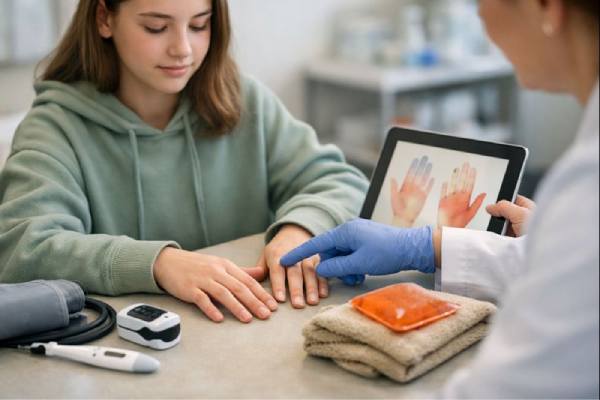
Diagnosis starts with a detailed story, because Raynaud’s is defined by episodic changes. A clinician will usually ask the child to describe exactly what happens from start to finish: what triggers it, which fingers/toes are involved, what colors appear (if any), how long it lasts, and what helps. Photos taken during an episode can be surprisingly helpful.
A focused exam looks for clues of secondary causes, including:
- Skin thickening, tightness, or swelling of fingers
- Rashes, mouth ulcers, joint swelling, muscle tenderness or weakness
- Signs of chronic reduced blood flow (fingertip pits, scars, ulcers)
- Differences in pulses or blood pressure between arms (less common, but important)
Common diagnostic steps include:
- Confirm the pattern
The clinician distinguishes Raynaud’s from acrocyanosis, chilblains/pernio, frostbite injury, or simple cold sensitivity. - Basic labs when needed
Depending on symptoms and exam, clinicians may check blood counts, inflammation markers, thyroid tests, urinalysis, and autoimmune screening (often including an ANA test). The goal is not to “hunt” endlessly, but to look for patterns that suggest an immune-mediated process. - Nailfold capillaroscopy
This is a painless test where the clinician examines tiny vessels at the base of the fingernails under magnification. In primary Raynaud’s, the pattern is often normal. In some secondary conditions—especially systemic sclerosis-spectrum disorders—capillaroscopy may show enlarged loops, dropouts, or hemorrhages. In pediatrics, capillaroscopy is also used to decide who needs closer follow-up over time. - Assess severity and functional impact
Many clinics use symptom scores or ask how many attacks occur per week, typical duration, and whether school, sports, or sleep are affected. - Targeted testing if red flags exist
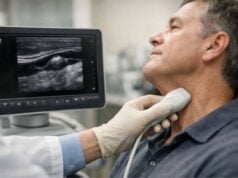
If the story suggests clotting problems, vessel inflammation, or structural artery issues, clinicians may add vascular ultrasound or refer to cardiology/vascular specialists. If autoimmune disease is suspected, pediatric rheumatology becomes the key partner.
A helpful mindset is that diagnosis is often a process, not a single appointment. Some teens clearly fit primary Raynaud’s from day one. Others start with mild symptoms but develop additional signs over months. For that group, the “diagnosis” includes a follow-up plan: what to watch, when to repeat certain tests, and what symptoms should trigger earlier re-evaluation.
Treatment, daily management, and when to seek help
Treatment aims to do three things: prevent attacks, shorten attacks when they happen, and protect skin and tissue—especially if Raynaud’s is secondary or severe. In juveniles, the best plans are practical enough to use on a school day, not just in theory.
Everyday prevention that actually works
- Warmth strategy (layered, not reactive): mittens are often warmer than gloves; consider glove liners; keep a spare pair at school. Many teens do better when they warm the whole body (hat, core layers), not only the hands.
- Pre-warming before exposure: warm hands for 2–3 minutes before going outdoors; use reusable hand warmers during commutes or sports.
- Avoid rapid temperature shifts: hold cold drinks with a sleeve; use insulated bottles; avoid direct contact with freezer items.
- Stress buffering: brief breathing routines (2–5 minutes), muscle relaxation, or short walks can reduce attack frequency in stress-triggered patterns.
- Skin care: moisturize after washing; protect cuticles; treat cracks early to reduce infection risk.
- Nicotine avoidance: this is one of the most consistent, modifiable factors for reducing attacks.
What to do during an attack
- Move to warmth quickly and rewarm gently (lukewarm water is safer than hot water when sensation is reduced).
- Wiggle fingers/toes; swing arms in a safe “windmill” motion to increase flow.
- Use heat packs on the palm or wrist (warming larger vessels can help fingers).
Medications and procedures (for persistent or severe cases)
If lifestyle steps don’t control symptoms—especially if attacks are frequent (for example, multiple times per week), painful, or causing functional limits—clinicians may use medication. In pediatrics, dosing is individualized and often weight-based, so the focus is on the strategy:
- First-line vasodilators: long-acting calcium channel blockers are commonly tried, with slow titration every 1–2 weeks until attacks decrease or side effects appear (headache, flushing, dizziness).
- Rescue add-ons: topical nitrates may help some patients but can cause headaches.
- Severe secondary Raynaud’s: specialists may consider medications such as phosphodiesterase-5 inhibitors or, in rare urgent cases, intravenous vasodilators. These choices are typically managed by pediatric rheumatology and sometimes cardiology.
When to seek urgent care
Seek urgent evaluation if any of the following occur:
- A finger or toe stays blue/black and does not improve with warming
- New ulcers, open sores, or signs of infection (spreading redness, pus, fever)
- Sudden severe pain with swelling of an entire digit
- New chest pain, fainting, or shortness of breath alongside Raynaud’s symptoms
For most teens with primary Raynaud’s, the outlook is good. The “win” is not perfect hands all winter—it’s fewer attacks, faster recovery, confidence about what’s normal, and a clear plan for when something changes.
References
- Capillary microscopy is a potential screening method for connective tissue disease in children with Raynaud’s phenomenon 2022
- Vasodilators for primary Raynaud’s phenomenon 2021 (Systematic Review)
- Raynaud’s Phenomenon: A Current Update on Pathogenesis, Diagnosis, and Management 2024 (Review)
- Clinical and Histopathological Characteristics of Raynaud’s Phenomenon 2021 (Review)
- Cold fingers under the lens: unveiling microvascular differences between children with primary Raynaud’s phenomenon and healthy individuals 2025
Disclaimer
This article is for educational purposes only and does not replace medical advice, diagnosis, or treatment. Raynaud’s symptoms in children and teens can range from mild to a sign of an underlying condition that needs timely care. If you or your child has severe pain, skin sores, persistent color change that does not resolve with warming, fainting, chest pain, or other concerning symptoms, seek urgent medical evaluation. For individualized guidance—including medication choices and follow-up plans—consult a qualified clinician, ideally one experienced in pediatric vascular or rheumatologic conditions.
If you found this article helpful, please consider sharing it on Facebook, X (formerly Twitter), or any platform you prefer, and follow us on social media. Your support through sharing helps our team continue producing clear, high-quality health content.