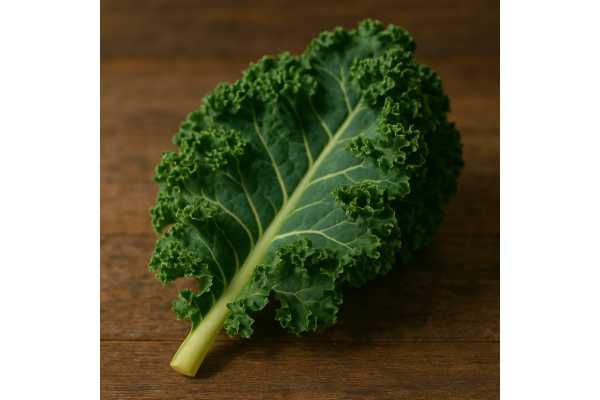
Kale has moved from traditional winter green to year round symbol of “eating well,” and for good reason. This hardy leafy vegetable, part of the Brassica family alongside cabbage and broccoli, offers an unusually dense mix of vitamins, minerals, fiber, and protective phytochemicals in a very low calorie package. Dark green curly and Tuscan (lacinato) varieties provide beta carotene, vitamin K, vitamin C, and a range of flavonoids and glucosinolates that have been studied for their antioxidant and anti inflammatory potential.
In the kitchen, kale is more flexible than its reputation suggests. Young leaves work well in salads and smoothies, while more mature leaves shine in sautés, soups, stews, and oven baked “chips.” It can be chopped, massaged, blended, or slow cooked, and it pairs easily with pulses, grains, eggs, fish, and meat. At the same time, its high vitamin K content, goitrogenic compounds, and modest oxalate content raise questions about thyroid health, kidney stones, and blood thinning medications. This guide walks through kale’s full nutrition profile, benefits, risks, sustainable use, and practical ways to cook it safely and deliciously.
Nutrition Snapshot for Kale
- Around 50 kcal, 3 g protein, 10 g carbohydrate, and about 2–4 g fiber per 100 g raw kale, with very high vitamin K, vitamin C, and beta carotene.
- Dark leafy kale provides minerals such as calcium, potassium, magnesium, and manganese with relatively low oxalate levels compared with spinach.
- A common serving is 1 cup (about 60–70 g) raw or ½ cup cooked kale, eaten most days as part of a varied vegetable pattern.
- People on vitamin K antagonists (such as warfarin) should keep kale intake consistent rather than avoiding it, and those with thyroid or kidney conditions should individualize portions.
- Only food amounts are recommended; very high dose concentrates, powders, or supplements require medical guidance.
Table of Contents
- Kale varieties history and uses
- Kale nutrition breakdown per 100 grams
- Evidence based benefits of kale
- Kale risks allergies and interactions
- Selecting storing and sustainable kale
- Cooking kale and protecting nutrients
- Kale serving sizes comparisons and questions
Kale varieties history and uses
Kale is one of the oldest cultivated vegetables in the Brassica family. Long before it became a smoothie ingredient, farmers in Europe and parts of Asia relied on robust kale types as winter greens that could tolerate cold, wind, and poor soils. Today, kale is grown worldwide and appears in cuisines from Scandinavian soups and German stews to Ethiopian dishes and Japanese tempura.
Several common types are sold under the umbrella term “kale”:
- Curly kale: ruffled leaves, bright or dark green, slightly peppery and fibrous.
- Lacinato or Tuscan kale (cavolo nero): long, dark blue green blistered leaves with a sweeter, deeper flavor.
- Red Russian or red kale: flatter leaves with purple stems and veins, tender when young.
- Baby kale: young leaves harvested early for salads and quick cooking.
Nutritionally, these varieties are similar, though deeper color often signals higher carotenoid and polyphenol content. Baby leaves are typically more tender with a milder flavor, while mature leaves contain more fiber and stand up better to longer cooking.
Kale belongs to the same botanical group as cabbage, broccoli, Brussels sprouts, and collards. Like them, it contains sulfurous compounds (glucosinolates) that can break down into biologically active isothiocyanates and indoles. These compounds help give kale its distinctive aroma when cooked and are a major focus of research into cancer prevention and detoxification pathways.
In everyday meals, kale is remarkably versatile:
- Raw in salads and slaws, especially when finely sliced and massaged with oil and acid to soften the texture.
- Lightly sautéed with garlic and olive oil as a side dish.
- Added to soups, stews, and curries near the end of cooking.
- Blended into smoothies for extra micronutrients and fiber.
- Baked into “chips” with a thin coat of oil and seasoning.
- Stirred into grains, pasta, or egg dishes for color and nutrients.
Because kale has a stronger texture and flavor than lettuce or spinach, many people enjoy it most when it is combined with ingredients that balance bitterness and toughness, such as citrus, nuts, seeds, dairy, or tahini based dressings.
Kale nutrition breakdown per 100 grams
Exact nutrient values vary with variety, soil, and analysis method. The following figures describe a typical composition for 100 g of raw kale leaves based on modern food composition data.
Macros and key electrolytes (per 100 g, raw)
| Nutrient | Amount | Approximate % Daily Value* |
|---|---|---|
| Energy | ~50 kcal | — |
| Protein | ~3 g | 6% |
| Total fat | ~1 g | 1% |
| Total carbohydrate | ~10 g | 4% |
| Dietary fiber | ~2–4 g | 7–14% |
| Total sugars | ~2 g | — |
| Sodium | ~40–45 mg | 2% |
| Potassium | ~450–500 mg | 10–11% |
| Water | ~85 g | — |
*Percent Daily Values are approximate and based on a 2,000 kcal diet.
Kale is therefore a low calorie, high volume vegetable with meaningful fiber and potassium. The relatively low sugar content and fiber matrix help give it a modest glycemic impact.
Vitamins (per 100 g, raw)
| Vitamin | Amount | Approximate %DV |
|---|---|---|
| Vitamin A (as provitamin A carotenoids) | ~3,000 µg RAE equivalents | >300% |
| Vitamin C (ascorbic acid) | ~120 mg | ~130% |
| Vitamin K (phylloquinone) | ~800 µg | >600% |
| Vitamin E | ~1.5 mg | 10% |
| Vitamin B6 | ~0.3 mg | 18% |
| Folate (Vitamin B9) | ~30 µg DFE | 7% |
| Thiamin, riboflavin, niacin, pantothenic acid | small amounts | 2–6% each |
The standout features here are:
- Very high vitamin K, critical for normal blood clotting and bone related proteins.
- High vitamin C, supporting immune health, collagen formation, and antioxidant defenses.
- High provitamin A carotenoids (beta carotene and others), important for vision, skin, and immune function.
- Lutein and zeaxanthin, carotenoids linked with eye health, are present in substantial amounts.
Minerals and trace elements (per 100 g, raw)
| Mineral | Amount | Approximate %DV |
|---|---|---|
| Calcium | ~140–150 mg | 11–12% |
| Iron | ~1.5–1.6 mg | 8–9% |
| Magnesium | ~45–50 mg | 11–12% |
| Phosphorus | ~90 mg | 7–8% |
| Potassium | ~450–500 mg | 10–11% |
| Manganese | ~0.8 mg | 35–40% |
| Zinc | ~0.6 mg | 5–6% |
| Copper | ~0.3 mg | 30–35% |
| Selenium | small amount | 1–3% |
Kale is noteworthy for providing calcium with relatively good bioavailability, alongside magnesium and vitamin K, which together support bone health. Manganese, copper, and iron contribute to antioxidant enzymes and red blood cell formation.
Phytonutrients and other components
- Glucosinolates, which can be converted into isothiocyanates and indoles with antioxidant and potential anti cancer effects.
- Flavonoids and phenolic acids with anti inflammatory and vascular benefits.
- Moderate nitrate content, which can support nitric oxide production and blood vessel function.
- Modest levels of natural anti nutrients such as oxalates, tannins, and phytates. Compared with spinach, kale is relatively low in oxalate per serving.
Glycemic index values for kale are very low, and its glycemic load in realistic portions is negligible. Its potential renal acid load is slightly alkaline, similar to other leafy greens.
Evidence based benefits of kale
Kale’s reputation as a nutrient dense food is supported by its composition and an expanding body of research on Brassica vegetables and kale specific products. No single food guarantees health, but kale can support several key areas when used within a balanced diet.
Cardiovascular and metabolic health
Kale brings together fiber, potassium, magnesium, nitrates, and antioxidant compounds. These can:
- Help lower or manage blood pressure by supporting vascular relaxation and countering sodium intake.
- Support healthy blood lipid profiles by reducing intake of saturated fat when kale replaces heavier sides and by providing soluble and insoluble fiber.
- Contribute to better endothelial function, partly through nitrate conversion to nitric oxide.
A recent randomized trial in adults with type 2 diabetes found that a freeze dried kale bar consumed daily improved markers such as HbA1c, insulin resistance, body weight, and calorie intake compared with a control product. Other controlled studies using powdered kale have reported improved bowel movements and changes in gut microbiota composition. These studies used concentrated forms, but they provide mechanistic support for including kale regularly as part of a vegetable rich pattern.
Gut health and digestion
Kale’s fiber content is moderate, but its mix of insoluble fiber, soluble fiber, and prebiotic carbohydrates feeds gut microbes and supports stool bulk. Regular intake can:
- Promote more regular bowel movements.
- Provide fermentable substrates for beneficial bacteria, which then produce short chain fatty acids such as butyrate.
- Contribute to a more diverse and resilient gut microbiome when combined with other plant foods.
Because kale is often eaten with other high fiber ingredients (beans, whole grains), its effects are best viewed as part of this broader pattern.
Bone and connective tissue health
Kale provides:
- Calcium and magnesium in supportive ratios.
- Very high vitamin K, which activates proteins such as osteocalcin that help bind calcium in bone.
- Vitamin C, essential for collagen synthesis in bones, cartilage, and connective tissues.
- Provitamin A carotenoids, which play roles in bone remodeling and immune function.
While kale is not a replacement for dairy or fortified foods in people with high calcium needs, it can meaningfully contribute to overall mineral and vitamin intake relevant to bone strength.
Eye and brain health
High levels of lutein and zeaxanthin in kale support macular pigment in the retina and may reduce risk of age related macular degeneration when consumed as part of a diet rich in leafy greens and colorful vegetables. Antioxidants and polyphenols also support brain health indirectly by reducing oxidative stress and inflammation.
Potential anti cancer properties
Epidemiological studies consistently link higher intake of cruciferous vegetables with lower risk of several cancers, including those of the digestive tract. Kale’s glucosinolates are converted during chewing, chopping, and digestion into compounds that can modulate detoxification enzymes, reduce DNA damage, and influence hormone metabolism. Kale specific trials in humans are still limited, so these findings remain part of a broader cruciferous vegetable pattern rather than a reason to focus on kale alone.
Kale risks allergies and interactions
Kale is safe for most people when eaten in reasonable food amounts, but some groups need to pay closer attention to portion size and preparation. Concerns usually center on vitamin K, goitrogenic compounds, and oxalates.
Vitamin K and blood thinning medications
Because kale is exceptionally rich in vitamin K, it can affect people taking vitamin K antagonist medications such as warfarin:
- Sudden large changes in kale intake can alter how these medications work, potentially making blood thinner or thicker than intended.
- Most guidelines do not require avoiding kale and other leafy greens completely; instead, they emphasize keeping vitamin K intake consistent day to day.
If you take warfarin or a similar medication, work with your clinician to set a stable pattern (for example, roughly one serving of leafy greens daily) and avoid abrupt increases or decreases in kale consumption.
Thyroid function and goitrogens
Kale, like other Brassica vegetables, contains glucosinolates that can be metabolized into goitrogenic compounds. In theory, very high intakes of raw kale in combination with low iodine status could interfere with thyroid hormone synthesis. However:
- Human data suggest that normal culinary amounts of cooked or mixed raw cruciferous vegetables are unlikely to harm thyroid function in people with adequate iodine.
- Cooking, blanching, or steaming kale reduces the concentration of some goitrogenic compounds.
- Most concerns arise from animal studies using large doses or from unusual diets relying on extremely high amounts of raw Brassica vegetables or juices.
People with existing hypothyroidism or iodine deficiency should discuss cruciferous vegetable intake with their endocrinologist or dietitian, but in many cases kale can remain part of the diet, especially when cooked and balanced with iodine rich foods.
Oxalates and kidney stones
Kale does contain oxalates, but at much lower levels per serving than high oxalate greens such as spinach, beet greens, or Swiss chard. For most individuals, kale is considered a low to moderate oxalate food, and it rarely poses a problem. Those with a history of calcium oxalate kidney stones should:
- Focus on general stone prevention strategies (adequate hydration, moderate sodium intake, pairing oxalate rich foods with calcium sources).
- Discuss individual tolerances with a nephrologist or kidney dietitian.
- Know that moderate kale intake is often compatible even in stone formers, but personalized advice is best.
Digestive sensitivity and allergies
Some people experience gas or mild digestive discomfort when increasing kale suddenly, particularly if it is consumed raw in large salads or smoothies. Introducing it gradually and chewing thoroughly can help, as can varying cooking methods. True allergies to kale are rare but can occur; symptoms such as hives, swelling, or breathing difficulty after eating kale require urgent medical evaluation.
Selecting storing and sustainable kale
Kale is widely available in supermarkets, farmers’ markets, and community supported agriculture schemes. Quality and sustainability start at the point of purchase and continue with how you handle the leaves at home.
How to choose fresh kale
When buying kale:
- Look for leaves that are firm, crisp, and deeply colored, without significant yellowing.
- Stems should be moist and not woody or shriveled.
- Avoid bunches with slimy spots, extensive browning, or a sour smell, which indicate age or poor storage.
- For raw salads, choose smaller, younger leaves or baby kale. For stews and sautés, mature leaves are fine.
Pre washed and bagged baby kale is convenient but tends to be more perishable. Check dates carefully, look for minimal condensation inside bags, and keep them cold.
Frozen kale can be useful for smoothies, soups, and cooked dishes. Because it is blanched before freezing, some vitamin C is lost, but minerals and many phytochemicals remain.
Storage at home
To keep kale fresh:
- Do not wash just before storing; excess moisture encourages decay. Instead, wrap the unwashed bunch loosely in a clean cloth or paper towel and place in a breathable bag in the refrigerator.
- Store in the vegetable drawer, away from ethylene producing fruits like apples and pears.
- Use within three to five days for best flavor and nutrient retention.
Washed and chopped kale can be stored in airtight containers with a dry paper towel to absorb excess moisture, but it tends to wilt faster than whole leaves.
If you have a surplus, kale can be:
- Blanched briefly, cooled, squeezed dry, and frozen in portions for later use in soups or sautés.
- Dehydrated or baked into chips, though this may reduce some thermolabile nutrients.
Sustainability considerations
From a sustainability perspective:
- Kale grows well in cooler climates and can be a winter hardy crop, reducing reliance on long distance imports in some regions.
- As a leaf crop, it has a relatively low water and land footprint compared with many animal foods.
- Organic or low pesticide kale may be preferred, especially if you consume large amounts or eat the leaves raw.
Choosing local kale in season, reducing food waste by using stems (finely chopped in soups or stir fries), and composting trimmings all improve the environmental profile of your kale consumption.
Cooking kale and protecting nutrients
Kale can be one of the most enjoyable vegetables when prepared well, but it can also be tough and bitter if handled roughly. Good technique improves taste, texture, and nutrient retention.
Cleaning and basic prep
- Rinse the leaves under cool running water to remove soil or grit, paying special attention to the base where dirt often collects.
- Shake dry or spin gently in a salad spinner.
- Strip leaves from thick central stems, especially in curly or mature kale. You can save stems for stocks or finely chop them for longer cooked dishes.
- Slice or tear leaves into the size your recipe calls for.
Maximizing nutrient retention
- Vitamin C and some B vitamins are sensitive to heat and water. To preserve them, prefer steaming, quick sautéing, or stir frying instead of long boiling.
- If you do boil kale, use the cooking water in soups or sauces to capture minerals that leach out.
- Lightly cooking kale can increase bioavailability of some carotenoids and make the leaves easier to chew and digest, so raw is not always nutritionally superior.
Popular cooking methods
- Sautéed kale: Cook chopped kale in a little olive oil with garlic or onion, adding a splash of water or stock to steam briefly, and finish with lemon juice or vinegar.
- Stewed or braised kale: Simmer kale with beans, tomatoes, and aromatics for a hearty dish, allowing time for stems to soften.
- Kale chips: Toss dry leaves with a thin coat of oil and seasonings, then bake at low to moderate heat until crisp but not browned.
- Smoothies: Blend raw kale with fruit, yogurt, or plant milk. Remove tough stems and blend thoroughly to improve texture.
- Salads: For mature curly kale, massage with a small amount of oil and salt to soften fibers, then add acidic ingredients (citrus, vinegar) and toppings.
Combining kale with fats such as olive oil, nuts, or seeds enhances absorption of fat soluble vitamins and carotenoids. Pairing it with vitamin C rich ingredients is less crucial because kale already provides plenty of vitamin C, but citrus and fruits can balance flavors.
Managing bitterness and texture
Bitterness and toughness are common complaints. To address them:
- Choose lacinato or baby kale if you prefer milder flavor.
- Use acid (lemon, vinegar), salt, and umami rich ingredients (parmesan, miso, soy sauce) to balance bitterness.
- Allow enough cooking time for stems and thick leaves to soften, or remove and cook stems longer than leaves.
With practice, you can adapt most spinach or chard recipes to use kale, adjusting cooking time and seasoning to suit its more robust character.
Kale serving sizes comparisons and questions
Portion size matters for getting benefits without running into issues related to vitamin K, goitrogens, or simply digestive tolerance.
Typical servings and frequency
For most adults:
- One serving of cooked kale is about ½ cup (roughly 80–90 g cooked from 1–2 packed cups raw).
- One serving of raw kale in salads or smoothies is often around 1 cup chopped (about 60–70 g).
- Including one to two servings of leafy greens per day, with kale as part of that mix, aligns with many dietary guidelines.
Those on warfarin or similar medications often aim for consistent daily intake rather than fluctuating between days with no greens and days with large quantities.
Children can enjoy smaller servings tailored to age and appetite, with attention to choking risk if leaves or stems are tough.
How does kale compare with other leafy greens?
- Spinach: Higher in oxalates but also rich in folate and iron. Kale has less oxalate, more vitamin C, and often more vitamin K.
- Romaine lettuce: Much lower in carotenoids and vitamin K per gram, though still a healthy option.
- Collard and mustard greens: Similar nutrient density to kale, often with higher calcium but slightly different flavor profiles.
From a practical standpoint, rotating kale with other dark leafy greens diversifies nutrients and phytochemicals and avoids overreliance on a single vegetable.
Can you eat kale every day?
For most people, yes, as long as:
- Portions are moderate, and kale is part of a varied mix of vegetables.
- You do not have uncontrolled thyroid disease, severe kidney issues, or medication regimens that require stricter oversight.
- Your intake of vitamin K is consistent if you are on warfarin.
People with highly restrictive diets who consume large amounts of raw kale juices or smoothies daily should seek medical and dietetic advice, as extremely high intake could shift iodine needs, thyroid function, or medication responses.
Is raw kale better than cooked?
Raw kale retains maximum vitamin C but may be harder to digest and more bitter. Cooking:
- Reduces some heat sensitive vitamins but can increase accessibility of carotenoids.
- Decreases certain goitrogenic compounds.
- Softens fibers, potentially improving tolerance and enjoyment.
A mix of raw and cooked kale across the week is often a sensible compromise.
Who should be cautious with kale?
- Individuals on vitamin K antagonist therapy (warfarin) who are not yet on a stable vitamin K intake.
- People with significant iodine deficiency or untreated hypothyroidism, particularly if they consume large amounts of raw kale.
- Those with complex kidney disease or a history of oxalate stones, who should tailor portions.
- Anyone who experiences clear allergic symptoms after eating kale.
For these groups, individualized guidance from a healthcare professional is important.
References
- Organic Raw Kale – Nutrition Facts 2025 (Composition Data)
- Nutritional Therapeutic and Functional Food Perspectives on Kale 2025 (Systematic Review)
- Beneficial Effects of a Freeze Dried Kale Bar on Type 2 Diabetes and Cardiometabolic Risk Factors 2024 (Randomized Controlled Trial)
- Do Brassica Vegetables Affect Thyroid Function 2024 (Systematic Review)
- Oxalate Content of Foods 2020 (Clinical Reference Table)
Disclaimer
The information in this article is intended for general educational purposes only and does not replace personalized medical advice, diagnosis, or treatment. Kale can interact with individual health conditions, medications, and nutrient needs, particularly in relation to thyroid function, blood thinning therapy, and kidney health. Always consult a qualified healthcare professional or registered dietitian before making substantial changes to your diet, especially if you have thyroid disease, kidney disease, a history of kidney stones, bleeding or clotting disorders, or if you use prescription medications that may be affected by vitamin K or major shifts in vegetable intake.
If you found this article on kale helpful, you are warmly invited to share it on Facebook, X (formerly Twitter), or any other platform you prefer. Your thoughtful support helps us continue to produce careful, evidence informed nutrition content for a wider community of readers.