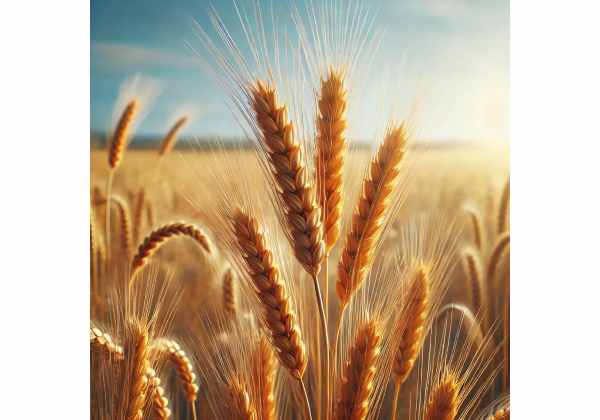
Kamut is best understood as an ancient wheat, not a medicinal herb in the classic sense. It is the common consumer name often used for khorasan wheat, a large-kernel cereal prized for its rich, buttery taste, golden color, and satisfying chew. What makes it interesting for health is not a single miracle compound, but its whole-grain package: more protein than many refined wheat foods, meaningful fiber, useful minerals, and carotenoid and phenolic compounds that help explain its antioxidant and anti-inflammatory potential.
For most people, the real value of Kamut lies in what it replaces. When whole or semi-whole khorasan wheat products take the place of highly refined flour foods, they may support steadier energy, better fullness, and healthier cardiometabolic markers over time. Small human trials also suggest possible improvements in cholesterol, blood sugar, and some inflammation-related markers when Kamut products replace modern wheat products for several weeks.
Still, Kamut is not for everyone. It is wheat, it contains gluten, and it does not belong in a gluten-free diet. The most useful way to view it is as a nutrient-dense whole grain with food-based medicinal properties, not as a cure-all grain or supplement.
Quick Facts
- Kamut may support steadier blood sugar and fuller meals when it replaces refined grain foods.
- Its best-known strengths are whole-grain fiber, protein, minerals, and antioxidant plant compounds.
- A practical food portion is about 1/2 to 1 cup cooked Kamut berries, roughly 90 to 180 g cooked.
- Avoid Kamut if you have celiac disease, wheat allergy, or a medically required gluten-free diet.
Table of Contents
- What is Kamut
- Key ingredients and nutrition
- Does Kamut improve health
- How to use Kamut
- How much Kamut per day
- Safety gluten and who should avoid it
- What the evidence actually says
What is Kamut
Kamut is the name most shoppers recognize, but the grain itself is khorasan wheat, a type of tetraploid wheat related to durum. The kernels are noticeably larger than standard wheat berries, and they cook into a grain that is firm, chewy, and gently sweet with a nutty finish. In the kitchen, Kamut behaves like a hearty whole grain: it works in pilafs, soups, salads, breakfast porridge, flour blends, pasta, crackers, and rustic bread.
There is one detail worth clearing up early. In scientific and agricultural terms, khorasan wheat is the species. In commercial use, Kamut is often used more loosely by consumers to describe khorasan wheat products. That matters because many people assume Kamut is a separate non-wheat grain. It is not. It is still wheat, which means it naturally contains gluten and shares many broad traits with other wheat types even when its taste, texture, and nutrient profile differ.
From a health perspective, Kamut fits best into the “food as foundation” category. It is not a concentrated botanical extract, and it does not work like a fast-acting herbal remedy. Its medicinal properties come from being a minimally processed whole grain with a useful mix of fiber, protein, micronutrients, and phytochemicals. In plain language, it can help because it improves the quality of the plate, not because it acts like a pharmaceutical.
That distinction helps set realistic expectations. A bowl of cooked Kamut is not going to lower cholesterol overnight or cure digestive problems in a week. But when it replaces refined flour foods consistently, it can shift the daily pattern in a healthier direction. Whole grains tend to work that way: the effects are modest per meal, but meaningful over months and years when habits stick.
Kamut also has a practical advantage many healthier grains lack. People often enjoy eating it. Its texture holds up well in savory dishes, and its mild sweetness makes it easy to use in breakfast bowls and grain salads. That matters because food that is nutritionally strong but hard to enjoy rarely becomes a lasting habit.
So when readers ask, “What is Kamut really?” the best answer is simple. It is an ancient-style wheat used as a whole grain and flour, valued for flavor, texture, and a somewhat richer nutrient profile than common refined wheat foods. Its health value is real, but it belongs in the realm of steady dietary improvement, not miracle-grain marketing.
Key ingredients and nutrition
Kamut’s “key ingredients” are not exotic compounds with dramatic names. They are the layered building blocks of a well-structured grain food: complex carbohydrate, fiber, protein, minerals, and plant pigments. Together, these help explain why Kamut can feel more satisfying and nutritionally useful than many refined wheat products.
The first important feature is protein. Ancient wheats, including Kamut, often contain somewhat more protein than common bread wheat, although this varies with cultivar, soil, and growing conditions. That does not turn Kamut into a high-protein food in the way Greek yogurt or legumes are, but it does improve meal quality. A grain with a bit more protein tends to be more filling and more helpful in mixed meals.
The second feature is fiber. Whole Kamut berries keep the bran and germ intact, which means they provide more fiber than refined flour products made from stripped-down grain. This matters for several reasons:
- Slower digestion and steadier energy
- Better fullness after meals
- More support for regular bowel movements
- More fermentable substrate for beneficial gut microbes
The third feature is micronutrients. Kamut is often discussed for its mineral density, especially magnesium, selenium, zinc, phosphorus, and manganese. These nutrients help support energy metabolism, antioxidant defenses, nerve function, and normal muscle function. Kamut also contributes B vitamins, which matter for carbohydrate metabolism and cellular energy use.
A fourth point that makes Kamut stand out is its carotenoid and phenolic content. Its warm golden color is not just cosmetic. Carotenoid pigments, including lutein-related compounds, contribute antioxidant activity, while phenolic compounds help explain some of the anti-inflammatory and redox-related findings seen in wheat research. These are not magic molecules, but they are one reason less-refined wheat foods tend to have broader nutritional value than white flour products.
There are also two practical caveats.
First, Kamut contains phytate, like many intact grains. Phytate can bind some minerals and modestly reduce absorption, especially in diets that are very grain-heavy and low in mineral diversity. In normal mixed diets, this is rarely a major problem, but soaking, sourdough fermentation, sprouting, and simply eating a varied diet can help.
Second, Kamut contains fructans and gluten-related proteins because it is wheat. For many people this is harmless. For others, it matters a great deal. Someone with celiac disease, wheat allergy, or certain IBS patterns may not tolerate it well even if the grain looks “ancient” or less processed.
The most useful nutritional insight is that Kamut is strongest when eaten in whole or semi-whole form. Whole berries, cracked grain, minimally processed flakes, and breads made from high-percentage whole khorasan flour preserve more of what makes the grain valuable. Highly refined Kamut pastry can still taste good, but it moves farther away from the reasons people seek the grain out in the first place.
Does Kamut improve health
Kamut may improve health, but the best answer is measured rather than dramatic. The strongest case for it is not that it acts like a medicinal supplement. It is that it can be a better grain choice than refined wheat foods and may, in some settings, compare favorably with modern wheat products.
The most realistic benefits fall into four areas.
1. Blood sugar and meal steadiness
Whole or semi-whole Kamut products digest more slowly than refined flour foods, especially when the grain remains intact or is paired with protein, fat, and vegetables. That can translate into steadier post-meal energy, better fullness, and less rebound hunger. Small studies also suggest khorasan-based diets may improve glucose-related markers when used consistently over several weeks.
2. Cholesterol and cardiometabolic support
Some crossover trials found that replacing usual cereal foods with khorasan wheat products was associated with improvements in total cholesterol, LDL cholesterol, blood glucose, and some oxidative stress markers. That does not prove Kamut is uniquely therapeutic, but it suggests that this grain pattern may be a helpful swap in people trying to improve metabolic risk.
3. Inflammation and oxidative balance
Kamut’s fiber, minerals, carotenoids, and phenolic compounds likely work together here. In the research, improvements in certain inflammatory and redox-related markers have appeared after several weeks of khorasan-based eating. This is one reason Kamut is sometimes described as having anti-inflammatory properties. A more accurate phrasing is that it may support a less inflammatory dietary pattern.
4. Digestive comfort and microbiome support
As a whole grain, Kamut delivers fermentable carbohydrate and bran-associated compounds that can support bowel regularity and beneficial microbial activity. Some people notice better satiety and more predictable digestion when whole grains replace low-fiber refined breads and snacks.
Still, three limits should stay front and center.
- Kamut is not a treatment for diabetes, heart disease, or IBS.
- Benefits seem to depend on replacement, not simple addition.
- Most studies are small and short.
That “replacement” idea is the most practical takeaway. Adding Kamut crackers to an otherwise ultra-processed diet is unlikely to do much. Replacing white pasta, soft refined bread, and low-fiber snacks with whole khorasan wheat products is where the grain makes more sense.
For readers who need a wheat-free route to similar goals, buckwheat for gluten-free nutrition may be a more suitable staple because it offers steady energy and fiber without gluten.
A final reality check helps. Kamut can help improve the quality of a pattern, but it is not nutritionally unbeatable. Oats, barley, rye, wild rice, beans, lentils, and many seeds can support the same larger goals. Kamut’s edge is that it combines palatability, texture, and whole-grain density in a way many people find easy to keep eating. That kind of adherence is often more useful than any one “superfood” claim.
How to use Kamut
Kamut is one of the easier ancient grains to use once you know which form you are buying. The grain shows up as whole berries, cracked grain, flakes, flour, pasta, breads, and ready-to-eat cereals. Each form has a slightly different role, and choosing the right one makes the health side much easier to capture.
Whole berries are the best option when your goal is fullness, slower digestion, and better fiber retention. They work well in:
- Grain bowls with roasted vegetables and beans
- Pilafs with herbs, mushrooms, or onions
- Soups where the grain can stay pleasantly chewy
- Cold salads with chickpeas, cucumber, parsley, and olive oil
A basic approach is to rinse the berries, soak them for several hours if you want faster cooking, then simmer until tender. Depending on age and soak time, they often take about 45 to 60 minutes on the stove. Batch-cooking is especially useful because cooked Kamut holds texture well in the fridge.
Kamut flakes work well for breakfast. They can be cooked like a porridge or soaked overnight, then topped with fruit, nuts, and yogurt. This is one of the easiest ways to use the grain consistently.
Flour and bread products can also be useful, but quality matters. A bread made mostly from whole khorasan flour is nutritionally different from a sweet bakery product that happens to contain a little Kamut flour. The more intact the grain structure and the simpler the ingredient list, the more likely you are to get the benefits people are seeking.
Pasta is another strong entry point. Kamut pasta often has a hearty bite and works well for people who want a slower, more substantial meal. Pairing it with vegetables, legumes, and olive oil turns it into a more balanced plate than the usual refined pasta meal.
Here are a few practical ways to use it well:
- Start with one swap, not a pantry overhaul. Replace one usual grain food each day.
- Keep the plate balanced. Kamut works best with protein, vegetables, and healthy fat.
- Favor intact or high-whole-grain forms over refined bakery items.
- Cook once and reuse. Leftover Kamut makes lunch easier and reduces the urge to rely on refined convenience foods.
For breakfast, Kamut porridge becomes even more filling when paired with fruit, nuts, and chia nutrition and uses for added soluble fiber and texture.
One final tip: taste matters. Kamut has a natural sweetness and richness that make it easier to enjoy than some health-focused grains people force themselves to eat. That makes it more likely to become part of a lasting pattern rather than a short-lived “healthy food phase.”
How much Kamut per day
Because Kamut is a food rather than a standardized extract, “dosage” is really about serving size, meal role, and frequency. There is no medicinal dose in milligrams. Instead, the useful question is how much Kamut fits well into a healthy pattern without crowding out variety or overshooting your carbohydrate needs.
A practical daily food range for most adults is:
- 1/2 to 1 cup cooked Kamut berries per serving
- Roughly 90 to 180 g cooked
- About 40 to 80 g dry grain, depending on the form and final texture
That amount works well as a side, salad base, or breakfast bowl. People with higher energy needs may comfortably eat more, while those aiming for tighter carbohydrate control may stay closer to the lower end.
If you are using Kamut in flour form, think in everyday food portions:
- 1 bowl of porridge made from flakes
- 1 serving of pasta
- 1 to 2 slices of dense whole-grain bread
- 1 serving of whole-grain cereal or pilaf
Timing matters less than context. Kamut tends to work best when used in meals where you want steady energy over several hours. That makes it especially useful at breakfast and lunch, or before a long afternoon when refined grains might leave you hungry too soon.
Clinical studies with khorasan wheat usually did not test one small serving. They used broader replacement patterns for about eight weeks, often swapping most cereal foods in the diet with khorasan-based bread, pasta, crackers, and similar products. That is an important insight: the evidence reflects a pattern change, not a single “dose.”
Three variables should guide how much you use:
Blood sugar goals
If you have diabetes or insulin resistance, portion size still matters. Kamut may be gentler than refined grain foods, but it is still a carbohydrate-rich grain.
Digestive tolerance
If you are not used to intact whole grains, jumping from very little fiber to large Kamut portions can cause bloating or gas. Start smaller and build up.
Overall grain diversity
Kamut should not be your only grain. Rotating grains improves variety and can reduce boredom, improve nutrient spread, and lower the chance that one food dominates the diet.
If your main goal is constipation relief, Kamut can help as part of a higher-fiber pattern, but it is not as targeted as psyllium for digestive support, which delivers much more concentrated soluble fiber.
The best “dosage” principle is this: eat enough Kamut to replace lower-quality grain foods, but not so much that you mistake one grain for a complete strategy. One sensible serving, used consistently, usually beats oversized portions taken with unrealistic expectations.
Safety gluten and who should avoid it
The most important safety point about Kamut is also the one most often misunderstood: Kamut is wheat, and it contains gluten. That means it is not safe for celiac disease and not appropriate for anyone on a strict gluten-free diet. “Ancient wheat” does not mean “gluten-free,” and it does not reliably mean “better tolerated.”
In fact, the modern evidence does not support the popular idea that ancient wheats are automatically lower in gluten or less problematic for people with celiac disease. Some analyses suggest ancient wheats can contain substantial gluten and relevant celiac-active proteins. For someone medically avoiding gluten, that should settle the issue.
The main groups who should avoid Kamut are:
- People with celiac disease
- People with wheat allergy
- People with non-celiac gluten sensitivity who know wheat triggers symptoms
- Anyone told by a clinician to follow a gluten-free diet
Other groups may not need full avoidance, but they should be thoughtful.
People with IBS or sensitive digestion
Kamut contains fructans, a fermentable carbohydrate found in wheat. Some people digest this well. Others notice bloating, cramping, or gas, especially with large portions, dense bread, or multiple wheat-based meals in one day. If wheat is a known IBS trigger for you, Kamut may not feel better simply because it is older or less common.
People using blood sugar medication
Kamut is still a grain carbohydrate. It may fit into a diabetes-friendly plate, but portions matter, and meal balance matters. Monitor your usual response rather than assuming ancient grains are automatically low impact.
People taking certain medicines or mineral supplements
Like other fiber-rich grains, Kamut can modestly affect the absorption timing of some drugs and minerals. If you take levothyroxine, iron, or other time-sensitive medications, it is sensible to avoid taking them at the exact same time as a high-fiber grain-heavy meal.
People with very low-carbohydrate or grain-restricted plans
Kamut may be nutritious, but it may not fit a medically supervised low-carb plan, renal diet, or other special eating pattern.
A few practical safety tips help:
- Introduce intact Kamut gradually if your current fiber intake is low.
- Drink enough water when increasing whole grains.
- Read labels carefully on packaged Kamut products, since sugar and sodium can vary widely.
- Do not assume sourdough or sprouting makes Kamut celiac-safe.
If wheat is off the table for you, flax for heart and cholesterol support can be one part of a non-wheat strategy, though it is a seed, not a grain, and works best alongside truly gluten-free staples.
The bottom line is clear. Kamut is safe for many adults when eaten as a food, but it is absolutely not a loophole around gluten-related medical conditions.
What the evidence actually says
The evidence on Kamut is promising, but it is not broad enough to justify sweeping claims. That is the fairest summary.
On the positive side, there are human studies, and that already puts Kamut ahead of many trend-driven foods that rely mostly on theory. Small randomized crossover trials have reported improvements in cholesterol, glucose-related measures, oxidative stress markers, and some inflammation-related markers when khorasan wheat products replaced modern wheat products for several weeks. Reviews of ancient wheats also support the idea that these grains can offer somewhat richer nutrient profiles than standard modern wheat in certain settings.
That said, there are several important limits.
The studies are small.
Many involve around 20 to 30 participants, which is useful for early insight but not enough to settle big questions.
The intervention periods are short.
Eight-week trials can show directional changes in biomarkers, but they do not prove long-term disease prevention or superiority over all other whole grains.
The comparison is often modern wheat, not every possible grain.
When Kamut performs well, that does not mean it will outperform oats, barley, rye, beans, or a broader Mediterranean-style grain pattern.
The research often uses specific khorasan products.
That means the findings may not translate perfectly to every item sold with Kamut on the label, especially highly processed foods with extra sugar, sodium, or refined flour.
Gluten safety is not ambiguous.
The evidence is much clearer here than in the benefits literature. Kamut is wheat and should not be promoted to people who must avoid gluten.
So what conclusions are reasonable?
- Kamut is a credible nutrient-dense whole grain.
- Replacing refined cereal foods with Kamut products may improve diet quality and some metabolic markers.
- Its health effects are probably driven by the whole food matrix, not one magic ingredient.
- It should be treated as a useful grain option, not a medicinal cure.
This last point is the most valuable. Kamut sits in the middle ground between ordinary staple and overhyped wellness product. It is more interesting than plain refined wheat because of its structure, nutrient density, and early clinical data. But it is less proven than marketing language sometimes suggests.
For readers making real-world decisions, that middle ground is enough. If you tolerate wheat and want a hearty whole grain with good culinary range, Kamut is a reasonable choice. If you need gluten-free food, it is the wrong choice. If you want a single grain to “fix” inflammation, cholesterol, or blood sugar, that expectation is too high. Kamut works best as part of a broader pattern built on whole grains, legumes, vegetables, healthy fats, and consistency.
References
- Ancient Wheats—A Nutritional and Sensory Analysis Review 2023 (Review)
- Do ancient wheats contain less gluten than modern bread wheat, in favour of better health? 2022 (Critical Review)
- Effects of whole grains on glycemic control: a systematic review and dose-response meta-analysis of prospective cohort studies and randomized controlled trials 2024 (Systematic Review and Meta-analysis)
- Characterization of Khorasan wheat (Kamut) and impact of a replacement diet on cardiovascular risk factors: cross-over dietary intervention study 2013 (Randomized Cross-over Trial)
- A khorasan wheat-based replacement diet improves risk profile of patients with type 2 diabetes mellitus (T2DM): a randomized crossover trial 2017 (Randomized Cross-over Trial)
Disclaimer
This article is for educational purposes only and is not a diagnosis or treatment plan. Kamut is a wheat grain, not a substitute for medical care, and it is not safe for celiac disease or wheat allergy. Nutrition needs vary by age, health status, medicines, and digestive tolerance, so speak with a qualified clinician or dietitian if you have diabetes, IBS, kidney disease, suspected food intolerance, or any condition that requires a special diet.
If this article helped you, please share it on Facebook, X, or your preferred platform to help more readers find accurate, balanced guidance.