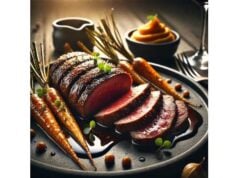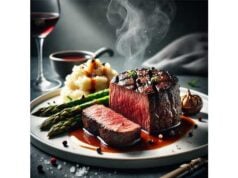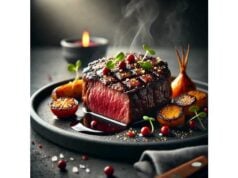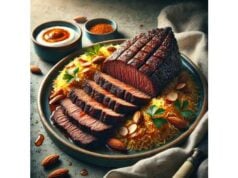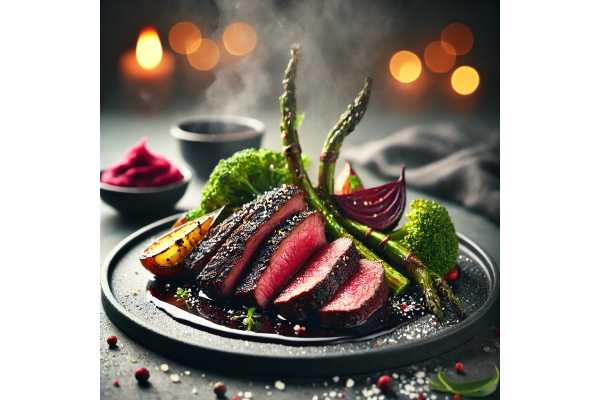
Kangaroo meat has moved from niche to mainstream in Australian kitchens and specialty markets worldwide. It’s a naturally lean red meat with a distinctive, mildly gamey flavour and a tender texture when cooked properly. Per 100 g, kangaroo typically provides high-quality protein with very little fat, along with notable amounts of iron, zinc, and vitamin B12. Because kangaroos roam and graze on native vegetation, the meat is free-range by default and often praised for its comparatively light environmental footprint. In the kitchen, it’s versatile: pan-seared steaks, minced kangaroo for bolognese and burgers, slow-cooked shanks, and quick stir-fries all showcase its strengths. This guide explains exactly what kangaroo offers nutritionally, how it can fit into a balanced diet, potential health benefits and risks, how to select and store it safely, and smart cooking methods that preserve nutrients while keeping the eating experience tender and juicy.
Fast Facts
- High-protein, very lean red meat providing ≈22–23 g protein and ≈1–2 g fat per 100 g.
- Notable source of iron (≈4.1 mg/100 g cooked loin) and vitamin B12 (≈2.5 µg/100 g).
- Safety: cook whole cuts to at least 63°C (rest 3–5 minutes); cook mince and sausages to 75°C.
- A practical serve is 65 g cooked (≈90–100 g raw), up to ~455 g cooked total weekly for adults.
- People with mammalian-meat (alpha-gal) allergy, pregnant people, and the immunocompromised should avoid undercooked game meats or limit intake as advised.
Table of Contents
- Kangaroo in Brief: What Sets It Apart
- Kangaroo Nutrition Profile (Per 100 g)
- Evidence-Based Health Benefits
- Risks, Allergies and Interactions
- Selecting, Quality, Sustainability and Storage
- Preparation, Cooking and Nutrient Retention
- Portions, Comparisons and FAQs
Kangaroo in Brief: What Sets It Apart
Kangaroo is a naturally lean, wild-harvested red meat with a clean, slightly sweet game flavour and a soft, fine-grained texture. Compared with many farmed red meats, kangaroo is impressively low in total and saturated fat while remaining rich in bioavailable protein and key micronutrients—especially iron, zinc, and vitamin B12. Because kangaroos are harvested from the wild rather than intensively farmed, their meat reflects a grass- and shrub-based diet and free-range movement. For cooks, that leanness means quicker sears, gentler internal temperatures, and attention to resting—techniques that keep cuts tender and juicy.
Dietitians often highlight kangaroo as a nutrient-dense option for people wanting the benefits of red meat with less fat. A typical 100 g raw steak (as-purchased) offers roughly 22–23 g of complete protein and about 1 g of fat, with practically no carbohydrate. Cooked loin fillet (100 g) provides around 4.1 mg of iron—useful for people with higher iron needs—and about 2.5 µg of vitamin B12 per 100 g, supporting red blood cell formation and neurological function. These numbers vary by cut and cooking method, but the pattern holds: kangaroo is “high protein, low fat,” with standout iron and B12.
Sustainability also draws interest. Wild harvesting can reduce grazing pressure on native vegetation and avoid many inputs associated with intensive livestock systems. That said, sustainability is multi-faceted—spanning humane harvesting, biodiversity impacts, regional quotas, and waste minimisation. Buying from reputable suppliers who meet national standards is key.
In the kitchen, you’ll find steaks (loin fillet, rump), mince, sausages, shanks, and tail. Steaks excel pan-seared to medium-rare to medium; mince is excellent in burgers, bolognese, and tacos; shanks reward low-and-slow braising; tail enriches soups and stews. Spice blends that work with lean beef or venison (pepper, juniper, thyme, garlic, native pepperberry) suit kangaroo, as do quick marinades that add moisture (olive oil, citrus, soy, herbs).
Kangaroo Nutrition Profile (Per 100 g)
How to use this section: The tables below group the nutrients that most meaningfully describe kangaroo’s value. Values are typical for lean cuts. Exact numbers vary by cut, age of animal, and cooking method. Use this to compare options and plan meals; the %DV figures are based on commonly used adult Daily Values.
Reference Daily Values (for %DV in tables): Protein 50 g; Total fat 78 g; Saturated fat 20 g; Carbohydrate 275 g; Sodium 2,300 mg; Iron 18 mg; Zinc 11 mg; Phosphorus 1,250 mg; Potassium 4,700 mg; Vitamin B12 2.4 µg; Vitamin B6 1.7 mg; Thiamin 1.2 mg; Riboflavin 1.3 mg; Niacin 16 mg.
Macros & Key Electrolytes (typical lean steak, raw)
| Nutrient (per 100 g) | Amount | %DV |
|---|---|---|
| Energy | 102 kcal | — |
| Protein | 22.5 g | 45% |
| Total Fat | 1.0 g | 1% |
| Saturated Fat | 0.4 g | 2% |
| Carbohydrate | 0.0 g | 0% |
| Sodium | 55–65 mg | 2–3% |
| Potassium* | ~350–450 mg | 7–10% |
*Potassium varies by cut and moisture content.
Vitamins (typical cooked loin/lean steak)
| Vitamin (per 100 g) | Amount | %DV |
|---|---|---|
| Vitamin B12 (cobalamin) | ~2.5 µg | 104% |
| Niacin (B3) | ~8.5–9.0 mg | 53–56% |
| Riboflavin (B2) | ~0.40–0.45 mg | 31–35% |
| Thiamin (B1) | ~0.15–0.20 mg | 13–17% |
| Vitamin B6 (pyridoxine) | ~0.4–0.6 mg | 24–35% |
Minerals (typical cooked loin/lean steak)
| Mineral (per 100 g) | Amount | %DV |
|---|---|---|
| Iron | ~4.1 mg | 23% |
| Zinc | ~3.05 mg | 28% |
| Phosphorus | ~190–220 mg | 15–18% |
| Selenium | ~10–25 µg | 18–45% |
Fats & Fatty Acids (typical lean steak, raw)
| Lipid (per 100 g) | Amount | Notes |
|---|---|---|
| Total Fat | ~1.0–1.4 g | Naturally very lean |
| Saturated Fat | ~0.4–0.6 g | Low compared with many red meats |
| Monounsaturated Fat | ~0.2–0.5 g | Varies by cut |
| Polyunsaturated Fat | ~0.2–0.4 g | Trace long-chain omega-3s present |
Footnotes:
- Values consolidated from recent Australian composition data for kangaroo cuts and health portals; “lean steak, raw” vs “cooked loin” distinctions are noted where relevant.
- Nutrient retention shifts with cooking; quick, moist-heat methods minimize B-vitamin losses.
- If you follow a medical diet that requires strict tracking (e.g., renal, low-sodium), rely on the product’s nutrition panel for the specific cut and brand.
Evidence-Based Health Benefits
1) High-protein, complete amino acid profile
Kangaroo provides ~22–23 g of high-quality protein per 100 g. Complete proteins supply all essential amino acids in proportions that support muscle repair, immune function, hormone synthesis, and satiety. For active adults and older adults concerned about preserving lean mass, swapping in a lean, iron-rich meat can support protein targets without adding much saturated fat.
2) Iron that is well absorbed
Kangaroo is notable for iron density—around 4.1 mg per 100 g cooked loin. Heme iron from meat is absorbed more efficiently than non-heme iron from plant foods. For adolescents, women with high iron needs, and endurance athletes, kangaroo can help move the needle on daily iron intake when included as part of a varied diet.
3) Reliable vitamin B12 and zinc
A 100 g serve of kangaroo typically provides roughly the full daily value for vitamin B12 and around a quarter to a third of the daily value for zinc. B12 supports red blood cell formation and neurological function; zinc contributes to immune function, wound healing, and taste and smell integrity.
4) Naturally low in total and saturated fat
With ~1 g total fat and ~0.4 g saturated fat per 100 g raw lean steak, kangaroo allows you to meet protein needs with minimal saturated fat. That can help dietary patterns stay within heart-healthy limits when balanced with plant foods, fish, and dairy.
5) Practical for weight-conscious meal plans
Calorie density is modest—about 100–115 kcal per 100 g for lean, raw cuts—so portion control is straightforward. Because protein induces satiety, kangaroo-based meals can be satisfying while staying within energy targets.
6) Culinary versatility supports adherence
A healthy choice you actually want to eat is the one you’ll stick with. Kangaroo adapts to quick weeknight cooking (stir-fries, tacos, burgers) and special-occasion dishes (pepperberry-crusted fillets), making it easier to maintain nutrient intake over time.
7) Sustainability considerations
As a wild-harvested meat, kangaroo avoids feed, water, and housing inputs used by intensive livestock systems and can reduce grazing pressure on native vegetation when responsibly managed. While sustainability can’t be reduced to a single metric, choosing accredited suppliers who follow national quotas and humane harvesting standards aligns nutrition goals with environmental stewardship.
How to apply these benefits in everyday meals
- Use kangaroo mince to replace part or all of beef mince in bolognese, chili, or burgers.
- Pair steaks with vitamin C–rich sides (capsicum, lemony greens) to further support iron absorption.
- Rotate kangaroo with fish, legumes, and poultry to meet weekly protein needs without exceeding red-meat recommendations.
Risks, Allergies and Interactions
Undercooked game meat and parasites
Like other wild game, kangaroo can carry parasites such as Toxoplasma gondii. The practical implication for home cooks: follow safe temperatures. Cook whole cuts (steaks, pieces, roasts) to at least 63°C and rest 3–5 minutes; cook mince, sausages, and offal to 75°C. These temperatures target common pathogens and help mitigate parasite risk.
Alpha-gal (mammalian meat) allergy
Tick bites can trigger alpha-gal syndrome, a carbohydrate-mediated allergy that causes delayed reactions (typically 3–6 hours) after eating mammalian meats, including kangaroo. People diagnosed with mammalian meat allergy are generally advised to avoid all mammalian meats and gelatin unless guided otherwise by an allergy specialist.
Lead fragments in wild-shot game
Studies of Australian game meats have detected lead fragments or elevated lead concentrations in some species harvested with lead-based ammunition. Commercial kangaroo products, when examined, showed no visible fragments in one survey, and mean lead concentrations were low compared with other game. Still, frequent consumers—especially children and people who are pregnant or trying to conceive—should minimize exposure by choosing reputable commercial products and trimming tissue around bullet entry paths when preparing hunter-harvested meat. Opting for lead-free ammunition in hunting contexts reduces risk.
Foodborne pathogens
As with any raw meat, improper handling can allow pathogens to multiply. Keep kangaroo refrigerated below 5°C, avoid cross-contamination, and cook to the temperatures noted above.
Who should limit or avoid kangaroo meat?
- Individuals with alpha-gal syndrome or red-meat allergy.
- Pregnant people and those immunocompromised should avoid undercooked/rare game meats; choose well-done mince and sausages.
- People advised to limit red meat for specific medical reasons should follow their clinician’s guidance.
Medication and nutrient interactions
No common medication interactions are specific to kangaroo meat itself. However, if you take iron supplements, coordinate dosing with your clinician, as high-dosage iron and certain antibiotics can interact. Dietary heme iron from meat generally doesn’t pose interaction problems at normal serving sizes.
Selecting, Quality, Sustainability and Storage
How to choose quality kangaroo
- Look for firm, moist, deep-red flesh with minimal surface moisture and no off odours.
- Check labelling for the cut (loin/fillet, rump, shank, mince), packed-on date, and storage guidance.
- Prefer vacuum-packed steaks for better shelf life and drip control.
- If buying mince, choose packs with the shortest chill chain (recently packed, well refrigerated).
Cuts and best uses
- Loin/fillet (tender): quick sear, grill, or stir-fry; ideal for steaks and medallions.
- Rump: versatile for steaks and kebabs; benefits from a brief marinade.
- Shank and tail: excellent for slow braises, soups, and stews (gelatin adds body).
- Mince: burgers, bolognese, tacos; cook thoroughly to 75°C.
Sustainability and sourcing
- Choose suppliers aligned with national harvesting codes and quotas, humane handling, and full traceability.
- Wild harvesting can reduce grazing pressure on ecosystems when managed responsibly.
- If you hunt, consider lead-free ammunition to reduce contamination risk and environmental lead.
Storage and handling
- Refrigeration: Store at or below 5°C. Use steaks within 2–3 days; mince within 1–2 days.
- Freezing: Wrap tightly; freeze at −18°C. Steaks keep 6–12 months; mince 3–4 months for best quality.
- Thawing: In the fridge (safest), or sealed in cold water changing every 30 minutes. Cook thawed mince the same day.
- Prep hygiene: Separate raw meat and ready-to-eat foods; sanitize boards and knives after use; wash hands thoroughly.
Quality cues once cooked
Properly cooked kangaroo is rosy to medium in the center for steaks (if whole cuts), juicy, and tender to a fork with slight resistance. Overcooking pushes moisture out and toughens texture—keep a thermometer handy and rest steaks before carving.
Preparation, Cooking and Nutrient Retention
General approach
Because kangaroo is so lean, cooking fast and hot (for steaks) or slow and moist (for shanks/tails) works best. For mince and sausages, cook thoroughly to an internal 75°C. For whole cuts, aim for 63–65°C and rest; this balances food safety with tenderness.
Step-by-step: perfect pan-seared kangaroo fillet (whole cut)
- Temper: Bring steaks to near-room temperature for 15–20 minutes while you preheat a heavy pan.
- Season: Lightly oil the meat (not the pan) and season with salt, pepper, and optional native pepperberry or thyme.
- Sear: Over medium-high heat, sear 1½–2½ minutes per side depending on thickness.
- Check temp: Target 63–65°C for medium-rare to medium (whole cuts).
- Rest: Rest 3–5 minutes on a warm plate; the temperature equalizes and juices redistribute.
- Slice: Carve across the grain; finish with lemon, olive oil, or a pepperberry pan sauce.
Moisture management for lean steaks
- Short marinades (30–60 min) with olive oil, lemon, garlic, and herbs help surface moisture and browning.
- Brushing with oil before searing improves crust without deep frying.
- Do not overcook: Beyond medium, leanness can make the meat dry.
Slow-cook strategy (shanks and tails)
- Brown lightly, then braise low and slow with aromatics (onion, celery, tomato), liquid (stock, red wine), and herbs until connective tissue turns silky.
- Add salt late to prevent toughening early in the cook.
Mince and burgers
- Keep mixtures moist with finely chopped onion, grated zucchini, or a spoon of yogurt.
- Handle gently to avoid dense patties.
- Cook to 75°C internal for safety; juices should run clear.
Nutrient retention tips
- Quick searing preserves B vitamins better than prolonged high-heat dry cooking.
- Avoid charring; trim blackened bits to minimize unwanted compounds.
- Pair with vitamin C–rich sides (citrus-dressed greens, capsicum) to support iron absorption.
- Save resting juices for pan sauces—nutrients and flavour live there.
Flavour pairing ideas
- Native Australian spices: pepperberry, wattleseed, lemon myrtle.
- Classic: garlic, rosemary, juniper, black pepper.
- Sauces: bush tomato chutney, mustard pan sauce, berry reductions.
Portions, Comparisons and FAQs
How much should I eat?
A standard serve of lean red meat is 65 g cooked (about 90–100 g raw). For adults, a practical weekly upper guide is about 455 g cooked lean red meat spread over the week. Within that total, kangaroo can rotate with beef, lamb, pork, fish, poultry, eggs, and legumes based on your needs and preferences.
How does kangaroo compare with other meats?
- Protein: Comparable to lean beef or venison per 100 g, with excellent amino acid completeness.
- Fat: Lower than most beef and lamb cuts; similar to skinless chicken breast on total fat.
- Iron: Higher than many common meats; roughly 4.1 mg per 100 g cooked loin.
- B12 and zinc: Strong contributors, often meeting a large portion of daily needs.
What about heart health?
Kangaroo is naturally low in saturated fat. In heart-conscious meal plans, it can be part of a balanced pattern that also emphasizes whole grains, legumes, vegetables, fruit, nuts, and fish.
Is kangaroo safe for kids?
Yes—when cooked and handled properly. Serve well-done mince and sausages (75°C). Avoid rare or undercooked servings for young children. Mince-based sauces (e.g., bolognese) are an easy entry.
I’m pregnant—can I eat kangaroo?
You can include kangaroo that is thoroughly cooked (no pink for mince/sausages; follow the temperatures above). Avoid undercooked or rare game meats to lower the risk of toxoplasmosis and other infections. Practice strict kitchen hygiene.
I have alpha-gal syndrome—can I have kangaroo?
No. Kangaroo is a mammalian meat and should be avoided unless your allergy specialist advises otherwise.
Cooking checklist (quick)
- Whole cuts: 63°C + rest.
- Mince/sausages/offal: 75°C.
- Clean boards/knives; separate raw and ready-to-eat foods.
- Refrigerate promptly and use within the suggested timeframes.
Seven easy meal ideas
- Pepperberry-crusted fillet with lemony rocket.
- Kangaroo mince tacos with salsa and avocado.
- Quick stir-fry with garlic, ginger, and greens.
- Kangaroo burger with beet relish and yogurt-mint sauce.
- Slow-braised shanks with tomato and thyme.
- Warm grain bowl with seared slices, roast pumpkin, and feta.
- Mediterranean-style kebabs with capsicum and red onion.
References
- How to meet your iron needs – infographic 2023 (Government health portal)
- Lead contamination in Australian game meat 2023 (Systematic investigation)
- Mammalian meat and tick allergy – Australasian Society of Clinical Immunology and Allergy (ASCIA) 2023 (Guideline)
- Toxoplasmosis 2024 (Food safety guidance)
- Educator Guide (Eat for Health): Australian Dietary Guidelines 2013 (Serving sizes and weekly red meat guidance)
Disclaimer
This article provides general nutrition and food-safety information about kangaroo meat and is not a substitute for personalized medical advice. Always consult a qualified healthcare professional or registered dietitian regarding your specific health needs, food allergies, pregnancy-related precautions, or medical conditions. If you have alpha-gal syndrome or have been advised to limit red meat, follow your clinician’s guidance.
If you found this helpful, please consider sharing it on Facebook, X (formerly Twitter), or your favourite platform to support our work in creating clear, evidence-based nutrition guides.