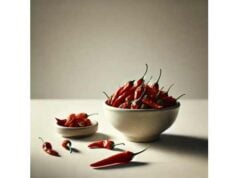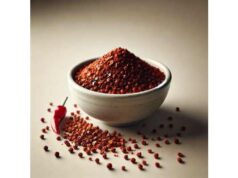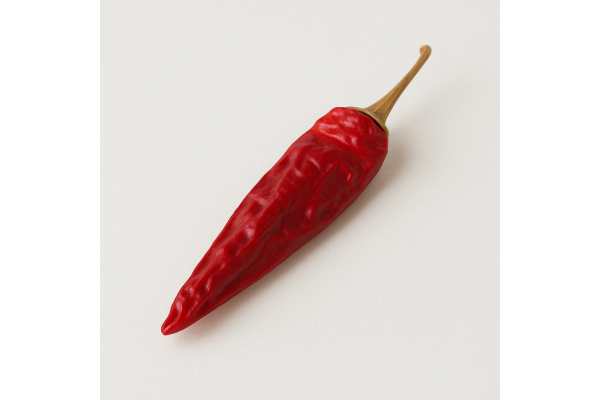
Kashmiri chili, often labeled Kashmiri mirch or Kashmiri red chili, is prized less for searing heat and more for its vivid color and gentle warmth. It is the spice that gives many Indian curries, tandoori dishes, and biryanis their deep red glow without making them intolerably spicy. Behind that color is a combination of carotenoid pigments and mild levels of capsaicin, along with fiber, vitamins, and other plant compounds that may support health when used in sensible amounts.
This guide looks closely at what makes Kashmiri chili unique: its nutrition profile, potential health benefits, how it compares to other chilies, and how to use it safely in everyday cooking. You will also find practical advice on choosing high-quality products, storing them to preserve color and potency, and using Kashmiri chili in ways that protect its nutrients and respect different levels of spice tolerance.
Essential Insights at a Glance
- Kashmiri chili provides carotenoid antioxidants, vitamin C, and mild capsaicin with less heat than most chili powders.
- Regular culinary use may contribute to antioxidant intake and modest metabolic or cardiovascular support as part of an overall healthy diet.
- A typical serving is about 0.5–1 teaspoon (1.5–3 g) per portion, used a few times per week, adjusted to individual tolerance.
- People with acid reflux, active ulcers, inflammatory bowel disease, or chili hypersensitivity should limit or avoid Kashmiri chili and discuss spicy foods with a healthcare professional.
Table of Contents
- What Sets Kashmiri Chili Apart
- Kashmiri Chili Nutrition and Key Compounds
- Research-Backed Benefits of Kashmiri Chili
- Risks, Sensitivities and Interactions
- Buying, Quality, Sustainability and Storage
- Cooking With Kashmiri Chili for Nutrition
- Portions, Comparisons and Common Questions
What Sets Kashmiri Chili Apart
Kashmiri chili comes from mild varieties of Capsicum annuum traditionally grown in and around the Kashmir region of India. You will most often encounter it as dried whole peppers or as a finely ground powder. Unlike many “hot” chili powders, Kashmiri chili is valued primarily for its intense red color and relatively gentle heat.
On the Scoville scale, which measures chili pungency, Kashmiri chili usually falls around 1,000–2,000 Scoville Heat Units. That places it in a similar or slightly milder range than poblano peppers and far below cayenne or bird’s eye chilies. In practice, that means you can use more of it for color and flavor before the heat becomes overwhelming.
Two features distinguish Kashmiri chili from many other red chilies:
- Color intensity
The rich red hue comes mainly from carotenoid pigments, especially capsanthin and related compounds in the chili’s skin. These pigments dissolve in fat and tint oils, ghee, and sauces a deep brick red. For cooks, this means you can achieve restaurant-style color in curries, tandoori dishes, and stews without relying on artificial dyes. - Flavor and aroma
Kashmiri chili often has a mild, slightly fruity, sometimes smoky note. It adds warmth and complexity rather than a sharp burn. In many spice blends, Kashmiri chili is used alongside hotter chilies: the Kashmiri portion brings color and roundness, while another chili contributes the main heat.
Common names and related products include:
- Kashmiri mirch / Kashmiri laal mirch – whole dried chilies or pure powder from Kashmiri-type peppers.
- Deggi mirch – a commercial style that may blend Kashmiri-type chilies with others; it is often mild and colorful but not always identical in flavor.
In recipes, Kashmiri chili is a practical bridge between sweet paprika (strong color, no heat) and hot chili powders (more heat, more capsaicin). It works well in:
- Tandoori marinades for poultry, paneer, or vegetables.
- Rogan josh, butter chicken, tikka masala, vindaloo (combined with other chilies).
- Lentil dishes, bean stews, and tomato-based sauces where color matters.
- Global dishes (e.g., chili oil, pasta sauces, shakshuka) when you want vivid color with moderate heat.
Understanding this balance of color and gentleness is key: Kashmiri chili is not a substitute for very hot chilies when intense burn is required, but it is an excellent tool for nuanced, visually striking dishes and for people who enjoy spice but prefer a milder profile.
Kashmiri Chili Nutrition and Key Compounds
Because Kashmiri chili is used in small amounts, it is more of a “nutrient-dense accent” than a major source of calories. Still, per 100 g of dry powder it contains a meaningful mix of macronutrients, micronutrients, and bioactive compounds.
Typical nutrition values for Kashmiri chili powder per 100 g (estimates from commercial analyses) include roughly:
- Energy: about 240–360 kcal
- Carbohydrate: around 30 g
- Protein: about 15–20 g
- Fat: around 6–20 g (mostly unsaturated)
- Fiber: roughly 25–30 g
Real-world usage is far smaller. A level teaspoon of powder weighs around 2–3 g, contributing approximately:
- 6–10 kcal
- 0.6–0.9 g carbohydrate
- 0.3–0.6 g protein
- a small but meaningful amount of fiber and carotenoids
From a macronutrient perspective, the effect on your daily energy intake is modest, although the fiber content can accumulate when you regularly use chili and other spices rich in fiber.
More interesting is the micronutrient and phytochemical profile.
Kashmiri chili typically provides:
- Vitamin C – present in fresh chilies and partly retained in dried ones, though some is lost during drying and long storage.
- Vitamin A activity – via carotenoids such as beta-carotene and capsanthin, which the body can convert to vitamin A to support vision, immune function, and epithelial health.
- Other vitamins and minerals – smaller amounts of vitamin B6, vitamin K, potassium, and iron, which contribute modestly in typical spice-sized servings.
The strongest health interest, however, comes from bioactive plant compounds:
- Capsaicin and related capsaicinoids
Kashmiri chili contains capsaicin, the compound that activates heat-sensitive receptors and creates the sensation of spice. Levels are lower than in hotter chilies but still present. Capsaicin has been studied for antioxidant, anti-inflammatory, metabolic, and analgesic effects, especially at supplemental doses and in higher-heat varieties. - Carotenoids specific to red chilies
Red Capsicum fruits are rich in carotenoids such as capsanthin, capsorubin, beta-carotene, zeaxanthin, and lutein. These pigments act as antioxidants, help quench free radicals, and may support eye and skin health. Some evidence suggests that peppers are significant contributors to dietary lutein and zeaxanthin intake in many diets. - Phenolic compounds and flavonoids
Chili peppers also contain phenolic acids and flavonoids that add to total antioxidant capacity. Their specific profile varies with variety, growing conditions, and processing.
Altogether, Kashmiri chili is not a stand-alone multivitamin, but it is a concentrated source of several protective compounds. When used frequently in cooking alongside vegetables, pulses, whole grains, and healthy fats, it can make a small but meaningful contribution to overall antioxidant and carotenoid intake.
Research-Backed Benefits of Kashmiri Chili
Most human research looks at chili peppers and capsaicin in general, not Kashmiri chilies specifically. However, because Kashmiri chili is one type of red chili with capsaicin and carotenoids, many of the broader findings are relevant, provided you understand that Kashmiri chili delivers milder doses.
Key areas where research suggests potential benefits include:
1. Antioxidant and anti-inflammatory support
Carotenoids such as capsanthin, beta-carotene, lutein, and zeaxanthin, together with vitamin C and other phenolic compounds, give red chilies meaningful antioxidant capacity. Laboratory and animal studies show that these compounds help neutralize reactive oxygen species and modulate inflammatory pathways.
Chronic low-grade inflammation and oxidative stress are linked to many long-term conditions, including cardiovascular disease and certain cancers. Spices like chili, used frequently in small amounts, are one way to increase the diversity of antioxidant compounds in the diet. While it is difficult to isolate the precise effect of Kashmiri chili in humans, a pattern of eating that includes colorful plant foods and spices is consistently associated with better health outcomes.
2. Metabolic health and weight management
Capsaicin has been studied for its effects on metabolism, energy expenditure, and appetite regulation. Controlled trials and meta-analyses suggest that capsaicin supplements and capsaicin-rich foods can modestly:
- increase thermogenesis and energy expenditure,
- slightly reduce appetite or increase satiety in some people, and
- lead to small reductions in body weight or waist circumference over time.
These effects are generally modest, and they do not replace the impact of overall calorie intake and physical activity. However, using chili-containing spices like Kashmiri chili as part of a flavorful, higher-fiber, minimally processed diet may make it easier for some people to enjoy satisfying meals with fewer excess calories, particularly when combined with mindful eating (spicy foods often slow eating speed).
Because Kashmiri chili is milder, the capsaicin dose per teaspoon is lower than in very hot chilies, so the metabolic effects are likely gentler as well. It is best thought of as a helpful flavor tool inside a broader lifestyle, not a stand-alone weight-loss solution.
3. Cardiovascular outcomes
Large observational studies in different populations have found that people who regularly eat chili peppers several times per week often have lower risks of cardiovascular and all-cause mortality compared with those who rarely eat them, even after adjusting for many lifestyle factors. The absolute risk reduction is not dramatic, and these studies cannot prove cause and effect, but they raise the possibility that chili consumption may be a marker or modest contributor to cardiometabolic resilience.
Potential mechanisms include:
- improved lipid profiles in some trials of capsaicin-rich interventions,
- slight improvements in insulin sensitivity and glucose handling,
- antioxidant and anti-inflammatory effects on blood vessels, and
- behavior-related effects, such as increased vegetable intake in chili-rich cuisines.
Kashmiri chili provides similar compounds with less heat, which may make it more accessible to individuals who find hotter chilies intolerable but still wish to include chili-based dishes in their eating pattern.
4. Eye and skin health from carotenoids
Chili peppers are among common dietary sources of carotenoids that support eye health, particularly zeaxanthin and lutein, which accumulate in the macula of the retina and help filter high-energy light. Carotenoid-rich diets are associated with a lower risk of age-related macular degeneration and may support skin resilience to UV-induced damage.
Kashmiri chili, with its strong red color, is typically high in these pigments. Again, the actual contribution in a teaspoon or two is modest, but when combined with other carotenoid-rich foods (leafy greens, orange vegetables, eggs), it helps diversify the mix of protective compounds.
Overall, the evidence suggests that including chili peppers such as Kashmiri chili in a varied, plant-forward diet can support long-term health. The benefits appear to arise from a combination of antioxidant, metabolic, vascular, and behavioral factors, rather than from any single magic effect.
Risks, Sensitivities and Interactions
For most healthy people, moderate use of Kashmiri chili as a culinary spice is considered safe. However, spicy foods are not universally tolerated, and high chili intake has been linked to some potential concerns. Understanding these helps you use Kashmiri chili in a way that suits your own body.
1. Digestive discomfort and reflux
Capsaicin stimulates the TRPV1 receptors in the mouth and throughout the digestive tract. In some individuals, this can lead to:
- burning sensations in the mouth or throat,
- heartburn or acid reflux,
- stomach pain or cramping, and
- looser stools or urgency.
People with conditions such as gastroesophageal reflux disease (GERD), gastritis, active peptic ulcers, or inflammatory bowel disease often find that spicy foods aggravate their symptoms, particularly in large amounts or on an empty stomach. Kashmiri chili is milder than many chilies, but sensitivity varies; even small amounts may be problematic for some.
If you have digestive issues, it is wise to:
- start with very small amounts,
- use Kashmiri chili in dishes that also contain fat and protein (which can temper irritation), and
- avoid very spicy meals close to bedtime.
Discontinue use and consult a healthcare professional if you notice persistent or worsening symptoms.
2. High-intake cancer risk vs moderate-intake benefits
Research on chili intake and cancer risk is complex. Some analyses of populations with very high chili consumption, particularly where extremely hot peppers and traditional preservation methods are common, have found associations between high spicy food intake and increased risk of certain cancers, such as gastric or esophageal cancer. At the same time, other studies report potential protective effects of chili consumption on overall mortality and some metabolic conditions.
The emerging picture is that dose and context matter:
- Low to moderate chili intake, embedded in a varied diet rich in fruits, vegetables, legumes, whole grains, and low in processed meats, appears safe and may be beneficial.
- Very high chili intake, especially in the setting of heavy alcohol use, smoking, and frequent consumption of very hot or pickled peppers, may be linked with higher cancer risk in some groups.
Kashmiri chili’s mild heat makes very high capsaicin exposure less likely, but portion size is still relevant. Using modest amounts to flavor food is a more cautious strategy than frequently consuming very large amounts of extremely spicy dishes.
3. Allergies and cross-reactivity
True allergy to chili peppers is uncommon but possible. Reactions can include oral itching, swelling, hives, or more severe symptoms. Kashmiri chili belongs to the nightshade family (Solanaceae), so people with known hypersensitivity to other nightshades (such as certain reactions to peppers, tomatoes, or eggplants) should be careful when trying it.
Milder forms of intolerance are more common and may show up as:
- mouth burning out of proportion to the amount eaten,
- flushing or excessive sweating, or
- prolonged digestive upset after meals with chili.
If you suspect allergy or severe intolerance, avoid chilies and seek evaluation from a healthcare professional before reintroduction.
4. Medications, supplements, and special populations
Culinary amounts of chili, including Kashmiri chili, are not generally known for major drug interactions. However, there are still some considerations:
- Gastro-irritant medicines – if you already take medicines that irritate the stomach (for example, certain anti-inflammatory drugs), combining them with very spicy meals can increase discomfort.
- Warfarin and vitamin K – chili peppers contain some vitamin K, but typical spice portions are small. Sudden, large increases in intake of any vitamin K–containing food, including chilies, could theoretically affect blood thinning control, so any major long-term change in diet should be discussed with a clinician.
- Pregnancy and breastfeeding – moderate culinary use is generally considered acceptable for those who tolerate chili, but spicy foods can worsen reflux and nausea. Concentrated capsaicin supplements are usually not recommended in pregnancy without medical supervision.
- Children – gentle spices like Kashmiri chili can be introduced in small amounts in many families, but children are often more sensitive. Start with tiny quantities and observe tolerance.
As a rule, if you have chronic gastrointestinal disease, are on multiple medications, or are considering high-dose capsules or extracts rather than food-level use, it is important to seek individual medical advice.
Buying, Quality, Sustainability and Storage
Kashmiri chili’s value lies in its color, aroma, and mild heat. These qualities depend heavily on the pepper variety, how it is processed, and how it is stored. A few careful choices at the shop and at home can make a noticeable difference.
1. Choosing authentic Kashmiri chili
When shopping for Kashmiri chili powder or whole chilies, look for:
- Color – a bright, deep red to brick red hue. Dull, brownish powder often signals age or poor storage.
- Ingredient list – products labeled simply as “Kashmiri chili powder” with “100% chili” as the only ingredient are ideal. Some blends marketed as Kashmiri-style may mix different chilies or add paprika.
- Absence of artificial dyes – avoid products listing added colorants. Genuine Kashmiri chili does not need synthetic dyes to look vibrant.
- Aroma – if you can smell the spice (in markets or after opening), it should have a clean, warm, chili fragrance with no rancid or musty notes.
Whole dried Kashmiri chilies should be:
- pliable rather than brittle,
- evenly red without excessive dark spots, and
- relatively thin-skinned, often slightly wrinkled but not moldy.
2. Sustainability and sourcing considerations
Kashmiri-type chilies are primarily grown in India. Ethical and environmental aspects to consider include:
- Farmer income and fair trade – smallholder farmers often grow chilies, so brands that work directly with growers, participate in cooperatives, or highlight fair pricing practices may support more resilient livelihoods.
- Pesticide use and standards – organic certification, where available, can offer extra reassurance, although even non-certified producers may follow careful practices.
- Transport and packaging – bulk purchasing, minimal plastic packaging, and using resealable containers at home all help reduce waste.
For most individual shoppers, the most practical sustainable steps are minimizing food waste (using what you buy before it goes stale) and choosing brands that communicate clearly about their supply chain and quality control.
3. Storing Kashmiri chili for color and potency
Carotenoids and volatile aroma compounds degrade with light, heat, air, and moisture. Good storage habits will protect both flavor and any nutritional value:
- Container – keep powder in an airtight jar or tin, ideally opaque or stored in a dark cupboard. Resealable foil pouches are also effective.
- Location – store away from the stove, oven, or direct sunlight. A cool, dry pantry is best.
- Moisture control – always use dry spoons and avoid steaming over an open container. Moisture promotes clumping and can encourage microbial growth or off-odors.
- Shelf life – for best color and flavor, aim to use Kashmiri chili powder within 12–18 months of purchase and whole pods within about 2 years. It may remain safe longer but with diminishing intensity.
If you buy in large quantities, consider decanting a smaller amount into a working jar and keeping the remainder tightly sealed in a cooler, darker place. Some cooks refrigerate or freeze bulk chili powder in airtight packaging; this can slow degradation, provided condensation is avoided.
Cooking With Kashmiri Chili for Nutrition
The way you handle Kashmiri chili in the kitchen affects not only flavor and color but also how much of its beneficial compounds you actually eat and absorb. A few simple techniques can help you get the most from this spice.
1. Blooming the spice without burning it
Kashmiri chili powder is often “bloomed” in fat to unlock its aroma and disperse pigments:
- Warm oil or ghee over medium-low heat.
- Add aromatics like onion, garlic, or ginger and cook until lightly softened.
- Reduce the heat, then stir in Kashmiri chili powder and any other ground spices.
- Cook for 20–30 seconds, stirring constantly, until fragrant, then quickly add liquid (water, stock, tomato, or yogurt) to prevent scorching.
This technique dissolves carotenoids in the fat, giving sauces that characteristic red color. Avoid adding chili powder to very hot oil, as it can burn quickly, creating bitterness and irritating fumes.
2. Hydrating whole Kashmiri chilies
For deeper flavor and a smoother texture in pastes:
- Rinse whole dried chilies briefly.
- Soak them in hot water for 15–20 minutes until soft.
- Remove stems and, if you want even less heat, scrape out some seeds and inner membranes.
- Blend with a little soaking water, garlic, ginger, and other spices to form a paste.
This paste can be used in curry bases, marinades, or chili sauces. Hydrating whole chilies may preserve some flavor nuances lost in pre-ground powder and lets you better control the total heat.
3. Protecting nutrients and improving absorption
Some nutrients in Kashmiri chili are sensitive to heat, while others become more usable:
- Vitamin C is easily degraded by prolonged cooking and high temperatures. To retain more, add a portion of the chili closer to the end of cooking or use it to finish dishes rather than only early in the process.
- Carotenoids are generally more stable to cooking and may become more bioavailable when cooked with fat. Dishes that pair Kashmiri chili with oils, nuts, seeds, or full-fat yogurt help your body absorb these pigments.
You can combine strategies by:
- Blooming a small amount of chili early in cooking for depth and color;
- Adding another pinch near the end of cooking for brighter color and aroma; and
- Including a source of healthy fat (such as extra-virgin olive oil, ghee in moderation, or nuts) in the meal.
4. Practical use ideas
Kashmiri chili fits into many cuisines, not only Indian dishes. Examples include:
- Tandoori-style marinades – mix yogurt, ginger-garlic paste, Kashmiri chili, lemon juice, and mild spices to coat chicken, paneer, tofu, or vegetables before baking or grilling.
- Lentil and bean stews – stir into dal, bean chili, or chickpea stews for warming color without overpowering heat.
- Egg and potato dishes – sprinkle into scrambled eggs, frittatas, or roasted potatoes for a gentle kick.
- Global fusion – use as a colorful alternative to paprika in shakshuka, roasted vegetable trays, or tomato sauces, adjusting other spices to taste.
If you cook for people with different spice tolerances, you can:
- rely on Kashmiri chili in the main dish for mild warmth,
- offer a hotter chili oil or flakes at the table for those who want extra burn, and
- keep portions moderate so that sensitive diners can still enjoy the meal.
Used this way, Kashmiri chili becomes a flexible tool for adding flavor, color, and small amounts of beneficial compounds without forcing everyone to eat very spicy food.
Portions, Comparisons and Common Questions
Portion size and context are central to using Kashmiri chili safely and effectively. Because it is milder than many chilies, people sometimes underestimate how much they are using over the course of a day or week.
1. How much Kashmiri chili is reasonable?
For most adults without underlying gastrointestinal disease, a typical culinary serving might be:
- about 0.5–1 teaspoon (1.5–3 g) of Kashmiri chili powder per person in a dish,
- used anywhere from occasionally to several times per week, depending on tolerance and cuisine.
This level keeps capsaicin intake moderate while providing color and flavor. People accustomed to spicy food may comfortably use more; others may need less. Key signs you may be overdoing it include persistent burning discomfort, reflux, or digestive upset after meals featuring chili.
For young children, older adults with fragile digestion, and people with known sensitivity, start with smaller amounts (a pinch or two in a shared dish) and increase only if well tolerated.
2. How does Kashmiri chili compare to other chilies?
A simplified comparison:
| Chili type | Approximate heat (SHU) | Main uses |
|---|---|---|
| Kashmiri chili | ~1,000–2,000 | Color, mild warmth in curries, marinades |
| Sweet paprika | 0 | Color, sweetness, no heat |
| Regular chili powder | ~5,000–50,000+ (blend) | Heat and flavor in many cuisines |
| Cayenne pepper | ~30,000–50,000 | Strong heat in small quantities |
| Bird’s eye / Thai chili | ~50,000–100,000 | Very hot dishes, small amounts |
Kashmiri chili sits close to paprika in heat but offers a somewhat deeper color and more noticeable warmth. It is not a direct replacement for high-heat chilies if the goal is intense spice, but it can be combined with them:
- use Kashmiri chili for bulk color and gentle flavor,
- add a smaller amount of cayenne or fresh hot chili to reach the desired heat level.
3. Common questions
Is Kashmiri chili good for weight loss?
It may play a supportive role. Chili peppers in general have been associated with slight increases in energy expenditure and modest influences on appetite. However, the effects are small, and Kashmiri chili is relatively mild, so it is best seen as part of flavorful, lower-calorie meals rather than a direct weight-loss agent. Sustainable changes in diet quality and physical activity remain far more important.
Is Kashmiri chili safe to eat every day?
For most healthy adults who tolerate spicy food, using modest amounts of Kashmiri chili daily as part of meals can fit into a balanced diet. The main caveats are individual tolerance, digestive health, and overall dietary pattern. If you notice symptoms such as heartburn or stomach pain after spicy meals, reduce frequency and portion size and talk with a healthcare professional if problems persist.
Can people with diabetes or heart disease use Kashmiri chili?
In sensible portions, chili-containing spices can often be included in dietary patterns for people with diabetes or cardiovascular disease. Some research links chili consumption with favorable metabolic and cardiovascular markers. However, the overall composition of meals (sodium content, fat quality, fiber, and total calories) matters more than the presence of chili alone. Individuals with these conditions should follow personalized nutrition guidance from their care team.
Is Kashmiri chili a good substitute for nightshade-free diets?
No. Kashmiri chili is part of the nightshade family. People avoiding nightshades due to medically confirmed allergy or specific therapeutic diets should not use it. Alternatives for color and mild warmth might include turmeric (for yellow color), smoked paprika from confirmed non-nightshade sources is rarely available, or non-chili spice blends recommended by a dietitian.
Should I choose supplements with capsaicin instead of using Kashmiri chili in food?
For most people, starting with culinary amounts of chili in food is safer and more enjoyable than using high-dose capsaicin supplements. Supplements deliver concentrated amounts that may increase the risk of gastrointestinal side effects and may not be necessary. Supplements should only be used under professional supervision, particularly for people with chronic health conditions or those taking medications.
In practice, Kashmiri chili is at its best when it helps you cook more vegetables, legumes, and whole grains in flavors you enjoy. That broader shift in eating pattern is likely to contribute more to long-term health than the spice alone.
References
- Capsaicin: A Two-Decade Systematic Review of Global Research Output and Recent Advances Against Human Cancer 2022 (Systematic Review)
- Carotenoids of Capsicum Fruits: Pigment Profile and Health-Promoting Functional Attributes 2019 (Systematic Review)
- Spicy Food and Chili Peppers and Multiple Health Outcomes: Umbrella Review 2022 (Umbrella Review)
- The Effects of Capsaicin Intake on Weight Loss Among Overweight and Obese Subjects: A Systematic Review and Meta-Analysis of Randomised Controlled Trials 2023 (Systematic Review)
- Chili Pepper Consumption and Mortality in Italian Adults 2019 (Cohort Study)
Disclaimer
The information in this article is intended for general educational purposes and does not replace individual medical advice, diagnosis, or treatment. Nutritional needs and health risks vary widely between people, particularly for those with chronic conditions, digestive disorders, allergies, pregnancy, or who take prescription medications. Always consult a qualified healthcare professional or registered dietitian before making significant changes to your diet, using concentrated chili or capsaicin supplements, or if you have concerns about how spicy foods may affect your health.
If you found this article helpful, you are welcome to share it with others on Facebook, X (formerly Twitter), or any platform you prefer. Thoughtful sharing supports our ability to keep producing clear, evidence-informed nutrition content for a wider community.