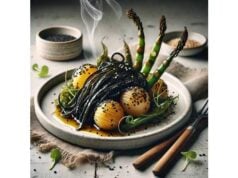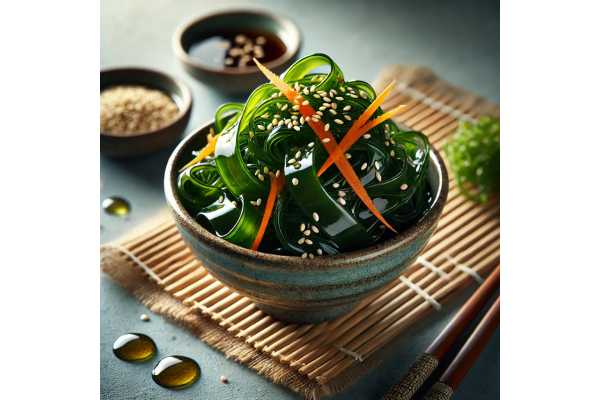
Kelp—an umbrella term for large brown seaweeds like kombu (Saccharina/Laminaria) and wakame relatives—has moved from coastal tradition to modern pantries. Cooked or steeped, kelp brings deep umami, gentle sweetness, and a clean ocean aroma that anchors broths, beans, grains, and vegetable dishes. It is naturally rich in soluble fiber (alginate), supplies minerals such as iodine, magnesium, and calcium, and can lower the sodium you need by boosting savory depth. But because iodine in kelp can be extremely high and variable, a little goes a long way, and sourcing matters. You will find kelp dried in sheets or knots, powdered seasonings, noodles made from kelp-derived alginate, and fresh or frozen strips from farms. This guide explains what kelp is (and is not), shows realistic nutrition per 100 g, translates research into clear benefits and risks, and gives you practical steps to buy, cook, and store it well—so you enjoy kelp’s flavor and texture while staying safely within healthy intake ranges.
Key Takeaways
- Adds umami and soluble fiber (alginate) while keeping calories low; useful for lighter, savory cooking.
- Typical culinary portion: 2–5 g dried kelp (about 10–25 cm strip) or 30–60 g rehydrated, used up to once weekly.
- Safety caveat: iodine content varies widely; excess can disturb thyroid function—use small amounts and avoid daily high-intake habits.
- Limit or avoid: people with thyroid disease, those who are pregnant or breastfeeding, young children, and anyone on medically advised iodine restriction.
Table of Contents
- Detailed Overview
- Nutrition Profile
- Evidence-Based Health Benefits
- Risks, Allergies and Interactions
- Selecting, Quality, Sustainability and Storage
- Preparation, Cooking and Nutrient Retention
- Portions, Comparisons and FAQs
Detailed Overview
Kelp is a group of fast-growing brown seaweeds that form underwater forests in cold to temperate seas. In kitchens, “kelp” most often points to kombu (from Saccharina japonica and related Laminaria species) sold in leathery, mineral-dusted sheets. Other familiar brown seaweeds—wakame and arame—share overlapping culinary uses but differ in texture and iodine content. Unlike red seaweeds used for crisp salads, kelp excels as a flavor base: when simmered, its glutamate and related compounds create a deep, savory backbone known as umami. That is why kombu is foundational in Japanese dashi, why a small square in a bean pot improves tenderness, and why kelp stocks make vegetable soups taste complete without meat.
Kelp’s functional side matters, too. Its soluble fiber, alginate, thickens and stabilizes gently; it creates body in broths and helps emulsify sauces without cream. Kelp-derived ingredients—potassium salts and kelp granules—can replace part of table salt, leaning on natural savoriness to keep food flavorful with less sodium. And kelp farming requires no land, fresh water, or fertilizer, making it an appealing food for resource-conscious eaters. That said, wild and farmed kelp vary: farmed strands are often cleaner and more uniform; wild harvest may carry more grit, shell fragments, or epiphytes that require thorough washing.
Two clarifications help set expectations. First, iodine levels in kelp span a wide range, from moderate to extremely high—far higher than most foods. This is useful for iodine-scarce diets but risky if portions are large or routine. Second, kelp is not a high-protein or high-omega-3 food; its strengths are flavor, minerals, and fiber. If you treat kelp like a seasoning—small amounts for big impact—you will capture its best qualities while keeping safety guardrails in place.
Nutrition Profile
How to read this section: Values below summarize kelp (kombu) prepared for eating and shown per 100 g. Because kelp is usually consumed as small pieces or broth infusions, the per-serving intake is far less. Iodine varies widely by species, site, and processing; ranges reflect that reality. % Daily Value (%DV) uses adult DVs and is approximate.
Macros and Electrolytes (per 100 g, rehydrated/cooked kelp)
| Nutrient | Amount | %DV |
|---|---|---|
| Energy | ~35–55 kcal | — |
| Protein | ~1.5–3.0 g | 3–6% |
| Total fat | ~0.3–0.8 g | 0–1% |
| Carbohydrate | ~7–12 g | 3–4% |
| Dietary fiber (mostly soluble alginate) | ~1.5–3.5 g | 5–13% |
| Sodium | ~80–200 mg* | 3–9% |
| Potassium | ~200–600 mg | 4–13% |
| Water | ~80–88 g | — |
*Plain kelp is naturally low to moderate in sodium; salted/seasoned products are higher.
Vitamins (per 100 g, prepared)
| Vitamin | Amount | %DV |
|---|---|---|
| Folate | ~40–80 µg DFE | 10–20% |
| Vitamin K | ~25–60 µg | 21–50% |
| Vitamin A (RAE, from carotenoids) | ~30–90 µg | 3–10% |
| Vitamin B1 (thiamin) | ~0.05–0.12 mg | 4–10% |
| Vitamin B2 (riboflavin) | ~0.1–0.2 mg | 8–15% |
| Vitamin B3 (niacin) | ~0.5–1.5 mg | 3–9% |
| Vitamin B12 | variable, often trace | — |
Minerals and Iodine (per 100 g, prepared)
| Mineral | Amount (typical range) | %DV |
|---|---|---|
| Iodine | ~150–2,500 µg (highly variable) | 100–1,667% |
| Calcium | ~120–250 mg | 9–19% |
| Magnesium | ~80–200 mg | 19–48% |
| Iron | ~1.0–3.0 mg | 6–17% |
| Selenium | ~5–20 µg | 9–36% |
| Zinc | ~0.3–1.0 mg | 3–9% |
| Phosphorus | ~50–120 mg | 4–10% |
Bioactives/Phytonutrients
- Alginate: a viscous soluble fiber that can increase fullness and bind sodium in cooking liquids, supporting sodium-savvy recipes.
- Fucoxanthin: a brown-seaweed carotenoid with antioxidant activity in lab models; levels vary and are modest in cooked portions.
- Phlorotannins: brown-seaweed polyphenols with antioxidant capacity; culinary intake is low but contributes to flavor and color.
Allergens & Intolerance Markers
- Seaweed proteins rarely cause allergy but cross-contact with shellfish can occur during harvesting or processing—check labels if allergic.
Contaminants/Residues
- Iodine: principal nutrient–safety pivot; excess intake over time can disrupt thyroid function.
- Heavy metals: brown seaweeds can contain arsenic, mostly in organic forms; inorganic arsenic is generally low in kelp species but varies by site. Cadmium and lead are usually low; batch testing and moderation are prudent.
- Microbiological quality: good drying and storage minimize spoilage; rinse off visible grit or sand.
Footnotes and practical notes:
- Dried kelp concentrates nutrients and iodine; however, you typically use 2–5 g dried per pot—far less than 100 g.
- Broths extract minerals and glutamates; iodine extraction depends on time and cut size—short infusions release less than long boils.
Research-Backed Health Benefits
1) Reliable umami for lower-sodium cooking
Kelp is naturally rich in glutamates and nucleotides that make foods taste savory and “complete.” Adding a small kombu square to vegetable soups, beans, or grains boosts satisfaction and allows you to use less salt while keeping flavor vivid. In practice, many cooks reduce added sodium by 10–30% when leaning on umami techniques like kombu broth plus acids (lemon, vinegar) and aromatics—small changes that compound across meals.
2) A practical iodine source—used sparingly
Iodine is indispensable for thyroid hormones. People that avoid iodized salt, dairy, and seafood are vulnerable to low intake. A tiny kelp portion can cover gaps. Because kelp iodine is highly variable, treat kelp as an occasional top-up rather than a daily supplement. For predictability, pair small kelp servings with measured iodized salt in the rest of the week.
3) Soluble fiber (alginate) that supports fullness and texture
Alginate thickens broths subtly and can increase meal viscosity, which may help satiety. In the kitchen, that means a satisfying mouthfeel without cream or excessive starch. Bean stews with kombu hold a silky gloss; blended vegetable soups gain body with fewer calories.
4) Mineral variety in modest portions
Per 100 g, prepared kelp brings magnesium, calcium, iron, and selenium. Typical culinary amounts are smaller, but when kelp is used regularly yet sparingly, it can contribute to mineral diversity in plant-forward diets. Cooking with vitamin C–rich ingredients (tomatoes, citrus) can enhance nonheme iron absorption.
5) Ocean-friendly farming potential
Kelp aquaculture requires no freshwater, fertilizer, or feed, and can absorb dissolved nutrients from seawater. When well-sited and responsibly managed, kelp farms can complement working waterfronts and provide traceable, cleaner products. Choosing farmed kelp where available supports a lower-input food system.
Reality check: Kelp is not a cure-all. Benefits arise when you use small amounts to season balanced meals, rotate seaweed types (or skip some weeks), and follow sensible iodine habits. Think of kelp as a smart kitchen tool rather than a daily “superfood.”
Risks, Allergies and Interactions
Iodine excess and thyroid health
Kelp’s biggest safety watch-out is too much iodine. Chronic high intake can trigger hypo- or hyperthyroid patterns in susceptible people. Risk rises with large portions, daily use, long boiling times (which extract more iodine into broth), and concentrated powders. Sensible guardrails: use 2–5 g dried per pot, keep kelp to occasional use (for most people once weekly is plenty), and vary your flavor builders (mushroom, tomato, anchovy, miso) on other days.
Metals and contaminants
Brown seaweeds can contain arsenic primarily in organic forms; inorganic arsenic is typically low in kelp species but depends on water chemistry. Cadmium and lead are usually small. Choose reputable brands that share origin and testing practices, and avoid very large, frequent servings. Rinsing removes surface salts and debris but does not meaningfully change metals; moderation and sourcing do.
Allergy and cross-contact
True seaweed allergy is uncommon but possible. Facilities that process multiple seafoods may handle shellfish; if you are shellfish-allergic, check for cross-contact statements and buy from single-ingredient producers when possible.
Drug and condition considerations
- Thyroid disorders or iodine-sensitive nodules: keep iodine intake steady and modest; discuss kelp with your clinician.
- Pregnancy and breastfeeding: iodine needs are specific but excess is harmful; prefer iodized salt and predictable sources over kelp.
- Renal disease: monitor potassium and overall mineral load with your care team.
- Anticoagulants: kelp’s vitamin K is modest but keep your leafy greens and seaweed habits consistent if you use vitamin K–sensitive medications.
Microbiological quality
Improperly dried or stored kelp can develop off-odors or visible spoilage; discard questionable lots. Avoid products with sand or persistent grit after rinsing.
Selecting, Quality, Sustainability and Storage
How to choose
- Identity matters: For classic broth work, look for kombu from Saccharina/Laminaria species. If the package just says “seaweed,” clarity is lacking—choose another brand.
- Form factors:
- Sheets/knots: best for stocks and simmered dishes; easy to remove.
- Shredded/flakes: quick infusions and salad sprinkles; can be potent—use lightly.
- Powders/seasonings: convenient but highly variable; start with ¼ teaspoon per pot and adjust.
- Fresh/frozen strips: mild flavor, great for quick sautés and salads.
- Cleanliness and aroma: Clean, ocean-fresh smell; no sour or ammonia notes. A natural white crystalline “bloom” (mannitol) on kombu is normal and contributes sweetness.
Sustainability snapshot
- Farmed kelp can be low-input and traceable; look for producers that disclose farm sites and harvesting windows.
- Wild harvest should follow quotas and rotation rules to protect regrowth and habitats. Transparency on region and gear is a green flag.
- Choosing seaweeds diversifies your “seafood footprint” and can reduce pressure on finfish stocks.
Storage and shelf life
- Dried: keep airtight, cool, and dark for up to 12–18 months. Reseal promptly to avoid moisture uptake.
- Fresh/frozen: store per label; frozen strips keep 6–9 months; thaw in the refrigerator and use within 3 days.
- Leftover broth: refrigerate 3–4 days or freeze 1–2 months. Label batches—iodine accumulates across long, intense boils; use smaller pieces and shorter steeps for everyday cooking.
Label literacy
- Scan for origin, species, and batch/lot. Choose brands offering testing summaries for iodine/metals when available.
- Seasoned kelp snacks can be high in sodium and added oils; compare brands and portions.
Preparation, Cooking and Nutrient Retention
Kelp delivers the most value when treated as a seasoning—a small addition that transforms flavor. The goals: extract umami, manage iodine, and keep texture pleasant.
Core techniques
- Short dashi (weekday stock)
- Wipe a 5×5 cm kombu piece (about 3 g) with a damp cloth.
- Soak in 1 L cool water 20–30 minutes.
- Heat gently until small bubbles form; remove kombu before boiling.
- Use as a broth base for soups, braises, grains, or beans.
- Bean tenderizer
- Add 1–2 small squares (2–3 g total) to a pot of beans.
- Simmer until tender; remove kombu before serving.
- Outcome: creamier skins, richer flavor, minimal extra salt.
- Quick braised greens with kelp
- Sauté garlic in olive oil; add chopped greens and a splash of short dashi.
- Cover and cook until tender; finish with lemon.
- Result: gloss and body from alginate with bright, low-sodium seasoning.
- Kelp seasoning sprinkle
- Mix kelp flakes with toasted sesame, citrus zest, and chili for a DIY furikake-style blend.
- Use ¼–½ teaspoon per serving to avoid over-iodine.
Texture and flavor control
- Do not hard-boil kombu unless you want stronger, slightly bitter notes—and much higher iodine extraction.
- Acids at the end: lemon or vinegar brighten flavor with less salt.
- Soak, don’t stew for everyday use; long boils belong to occasional, intentional stocks.
Nutrient-savvy habits
- Pair kelp with vitamin C–rich foods (tomatoes, citrus) when you want to nudge iron absorption.
- Use healthy oils (olive, sesame) to carry aromas; kelp itself is very low-fat.
- Rotate other umami builders (mushroom, tomato paste, anchovy, miso) so kelp is not your only flavor lever.
Food safety
- Rinse off sand or debris; discard pieces with off-odors.
- Cool stocks rapidly (shallow containers) and refrigerate promptly.
- Do not consume the soaking water from gritty, unwashed kelp; use cleaned pieces for extraction.
Portions, Comparisons and FAQs
Practical portions and frequency
- Dried kelp (kombu): 2–5 g per pot, removed before serving; for salads or braises, 10–30 g rehydrated per recipe.
- How often: For most adults, once weekly is a prudent rhythm; vary seaweed types and rely on iodized salt for predictability.
- Who should limit: People with thyroid disease, pregnant/breastfeeding individuals, young children, and anyone on iodine restriction should avoid high-iodine seaweeds and discuss seaweed use with a clinician.
How kelp compares
- Versus nori (red seaweed): nori is lower in iodine, higher in vitamin B12 (fortuitously present in some nori), and better for wraps/snacks; kelp is superior for stocks and braises.
- Versus kombu alternatives (dashima/dashi-kombu): similar function; choose by origin and label transparency.
- Versus fish sauce or anchovy: kelp provides umami without animal products and with less sodium when used as broth; for concentrated punch, anchovy/fish sauce is stronger in tiny amounts.
- Versus salt substitutes: kelp seasonings add flavor chemistry (glutamates) rather than only potassium chloride’s saltiness.
FAQs
Does soaking reduce iodine?
Soaking and gentle, short extraction reduce iodine relative to long boils, but the reduction is unpredictable. Portion control and occasional use are the main safeguards.
Are kelp noodles the same as kelp?
Most “kelp noodles” are largely alginate with calcium salts—very low calorie, neutral flavor, and much lower iodine than whole kelp. Treat them as a texture vehicle, not a mineral source.
Is kelp good for weight loss?
Kelp helps build lower-calorie, high-flavor meals. Sustainable weight change comes from overall dietary patterns and activity, not one ingredient.
Can I give kelp to kids?
Because of iodine variability, avoid high-iodine seaweeds like kelp for young children unless a clinician guides you. Choose low-iodine seaweeds (e.g., nori) in small amounts instead.
Can I use kelp daily as an iodine supplement?
No. Kelp iodine is too variable for precise supplementation. If you need iodine, use iodized salt in measured amounts or clinician-directed supplements.
References
- Iodine – Health Professional Fact Sheet (2024)
- Iodine, Seaweed, and the Thyroid (2021)
- Safety Considerations of Seaweed and Seaweed-derived Foods Available on the Irish Market (2019)
- Seaweeds as Food: Overview and Guidelines (2020)
- Nutritional and health-promoting potential of edible seaweeds (2022)
Disclaimer
This guide is for general education and does not replace personalized medical advice, diagnosis, or treatment. Seaweed composition—especially iodine—varies widely by species, harvest area, and processing. If you are pregnant or breastfeeding, managing thyroid disease, preparing food for children, have kidney disease, or take prescription medications, seek advice from a qualified health professional before using kelp.
If this article was helpful, please consider sharing it on Facebook, X (formerly Twitter), or any platform you prefer. Your support helps us continue producing clear, evidence-based food guides.