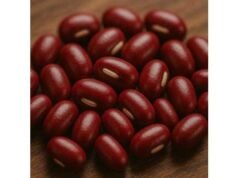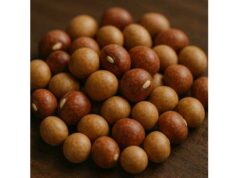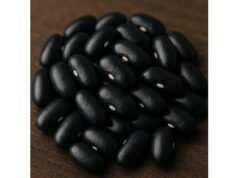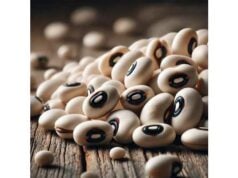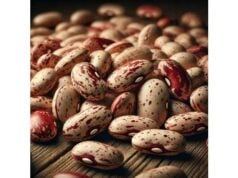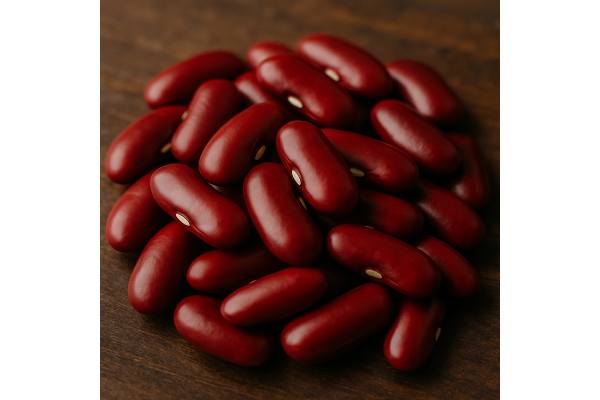
Kidney beans are a pantry workhorse that deliver dependable nutrition, steady energy, and satisfying texture at a budget-friendly price. Their meaty bite holds up in chili, stews, salads, and plant-forward mains, while an impressive mix of plant protein and fiber supports fullness and stable blood sugar. Compared with many other staples, cooked kidney beans are naturally low in fat and sodium and provide notable amounts of folate, iron, potassium, and magnesium. They also bring culinary range: red (light or dark) kidney beans anchor chilis and braises; white kidney beans (cannellini) turn creamy in soups and dips; and canned options make weeknight meals faster without sacrificing quality. With proper preparation—soaking and boiling—kidney beans are safe and easy to digest, and rinsing canned beans reduces sodium in seconds. Whether you follow Mediterranean, flexitarian, or diabetic-friendly approaches, kidney beans fit neatly, offering dependable nutrition, flavor, and affordability.
Top Highlights
- High fiber (≈6–7 g per 100 g cooked) and ≈9 g protein support satiety and blood sugar control.
- Folate, iron, potassium, and magnesium contribute to red blood cell formation and heart health.
- Safety note: never eat raw or slow-cooker–undercooked kidney beans; always boil thoroughly first.
- Typical portion: ½ cup (≈100 g) cooked, enjoyed most days as part of balanced meals.
- People who should limit: those with severe legume allergies or on low-potassium diets without medical guidance.
Table of Contents
- Kidney Beans: Detailed Overview
- Kidney Beans Nutrition Profile
- Evidence-Based Health Benefits
- Risks, Allergies and Interactions
- Selecting, Quality, Sustainability and Storage
- Preparation, Cooking and Nutrient Retention
- Portions, Comparisons and FAQs
Kidney Beans: Detailed Overview
Kidney beans are mature seeds of the common bean (Phaseolus vulgaris). They come in several market types—dark red, light red, and white (cannellini)—that differ slightly in texture and flavor but offer similar nutrition. Their distinctive, curved “kidney” shape and robust skins make them ideal for long-simmered dishes, absorbing sauces without breaking apart. In global cuisines, kidney beans are central to chili con carne, rajma masala, rice-and-beans plates across the Caribbean and Latin America, and rustic Italian soups. Canned versions are fully cooked and convenient; dried beans are economical and have a slightly firmer texture when properly prepared.
From a nutrition perspective, cooked kidney beans are naturally low in fat and deliver a useful balance of complex carbohydrates, protein, and fiber. This combination slows digestion and can smooth out post-meal glucose peaks, an advantage for many people aiming for steady energy. The micronutrient profile is equally practical: folate supports DNA synthesis and cell division; iron helps transport oxygen; potassium and magnesium aid muscle and nerve function; and copper and manganese support antioxidant enzymes.
Food safety matters with this legume. Raw kidney beans contain a lectin (phytohaemagglutinin, or PHA) that is neutralized by soaking and boiling in fresh water. Do not rely on low-temperature devices (like slow cookers) to cook dry kidney beans from raw without a preliminary boil. Canned beans are pre-cooked at high heat and ready to eat after a quick rinse.
Environmental and budget advantages add to the appeal. Beans fix nitrogen during growth, lowering fertilizer needs, and they offer one of the lowest-cost sources of high-quality nutrients. In everyday cooking, they partner well with tomatoes, onions, cumin, smoked paprika, garlic, citrus, and herbs. For texture contrast, combine them with crunchy vegetables or toasted seeds; for complementary protein, pair them with grains like rice, barley, or farro.
Kidney Beans Nutrition Profile
Below is a practical snapshot of cooked kidney beans (per 100 g)—about ½ cup—with typical values and approximate % Daily Value (%DV) based on adult reference intakes. Actual nutrient levels vary by variety and cooking method; canned values can differ, especially for sodium.
Macros & Electrolytes (per 100 g cooked)
| Nutrient | Amount | %DV | Notes |
|---|---|---|---|
| Energy | 127 kcal | — | Primarily complex carbs and fiber |
| Protein | 8.7 g | 17% | Rich in lysine; limiting in methionine |
| Total carbohydrate | 22.8 g | 8% | Slow-digesting starch profile |
| Dietary fiber | 6.5 g | 23% | Mostly insoluble with some soluble fractions |
| Total sugars | 0.3–0.6 g | — | Very low naturally occurring sugars |
| Total fat | 0.5 g | 1% | Minimal fat; virtually no saturated fat |
| Saturated fat | ~0.1 g | 1% | |
| Sodium | 2–4 mg | 0% | Canned beans vary widely; rinse before use |
| Potassium | ~400 mg | 9% | Important for blood pressure regulation |
| Water | ~68 g | — | High moisture content aids satiety |
Carbohydrates
| Component | Amount | Notes |
|---|---|---|
| Starch | ~16–18 g | Slowly digestible fraction predominates |
| Fiber (total) | ~6.5 g | Includes resistant starch and oligosaccharides (raffinose, stachyose) |
| Net carbs | ~16 g | Carbs minus fiber |
Fats & Fatty Acids
| Component | Amount | Notes |
|---|---|---|
| Polyunsaturated fat | ~0.49 g | Trace omega-6 and omega-3 (ALA) |
| Monounsaturated fat | ~0.07 g | Minor |
| Trans fat | 0 g | Naturally absent |
Protein & Amino Acids (highlights)
| Item | Amount/100 g | Practical note |
|---|---|---|
| Protein | 8.7 g | Complements grains for amino acid balance |
| Lysine | relatively high | Helpful in plant-forward diets |
| Methionine | relatively low | Combine with grains, seeds, or eggs |
Vitamins (per 100 g cooked)
| Vitamin | Amount | %DV |
|---|---|---|
| Folate (DFE) | ~75–130 µg | ~19–33% |
| Thiamin (B1) | ~0.16–0.28 mg | 13–23% |
| Vitamin B6 | ~0.12–0.21 mg | 7–12% |
| Vitamin K | ~8–15 µg | 7–13% |
| Vitamin C | ~1–2 mg | 1–2% |
| Vitamin A, D, B12 | ~0 | 0% |
Minerals (per 100 g cooked)
| Mineral | Amount | %DV |
|---|---|---|
| Iron | ~2.0–3.0 mg | 11–17% |
| Magnesium | ~45 mg | 11% |
| Phosphorus | ~142 mg | 11% |
| Zinc | ~1.1 mg | 10% |
| Copper | ~0.24 mg | 27% |
| Manganese | ~0.47 mg | 20% |
| Calcium | ~28–35 mg | 2–3% |
Glycemic & Acid–Base Metrics
- Glycemic tendency: low, thanks to fiber and resistant starch; useful for steady post-meal glucose.
- PRAL (acid–base load): slightly negative; beans are modestly base-forming.
- Satiety index: high relative to calories due to fiber–protein pairing.
Allergens & Intolerance Markers
- Legume allergies are possible (less common than peanut/soy).
- FODMAP content can trigger gas or bloating in sensitive individuals; soaking and thorough cooking reduce oligosaccharides.
Anti-nutrients
- Phytic acid and trypsin inhibitors are present in raw beans but drop sharply with soaking and proper boiling.
- Lectins (PHA) in raw kidney beans require vigorous boiling for safety.
Footnote: Canned beans are fully cooked (high heat); rinsing under water can reduce sodium by roughly one third while minimally affecting minerals.
Evidence-Based Health Benefits
1) Supports healthy blood sugar patterns
Kidney beans provide a slow-burning carbohydrate source paired with meaningful fiber and protein. This macronutrient trio delays gastric emptying and reduces post-meal glucose spikes. In clinical trials examining pulses (beans, lentils, chickpeas), regular intake has improved markers like fasting glucose and longer-term hemoglobin A1c, with benefits observed in both individuals with type 2 diabetes and those without. Practically speaking, swapping refined grains for beans at lunch or dinner is a simple way to flatten glucose peaks while increasing fiber.
2) Helps lower LDL cholesterol as part of a heart-smart pattern
Soluble fiber, plant proteins, and fermentable carbohydrates in beans contribute to modest reductions in LDL cholesterol. Controlled trials and pooled analyses suggest that about a ¾–1 cup (120–180 g) serving of beans most days can reduce LDL by a small but meaningful amount over a few weeks. The effect compounds when beans displace foods high in saturated fat (for example, replacing some meat with bean-based entrées). Beyond lipids, potassium and magnesium intake from beans support blood pressure control within an overall balanced diet.
3) Nutrient density that supports key life stages
Folate in kidney beans is valuable for women of childbearing age, supporting neural tube development during pregnancy. Iron assists oxygen transport, which is important for athletes and those with higher needs, while copper and manganese aid antioxidant enzymes involved in connective tissue health. For older adults managing appetite and calorie needs, the food’s low fat and high fiber profile supports satiety without excessive calories.
4) Weight management and satiety advantages
Beans are satisfying. Fiber, resistant starch, and protein engage stretch and nutrient receptors in the gut, increasing fullness. Swapping beans for refined grains in bowls, tacos, or pasta dishes can lower energy density and increase total fiber, helping many people naturally eat fewer calories while still feeling content.
5) Gut microbiome support
Bean fibers and resistant starch reach the colon, where microbes ferment them into short-chain fatty acids (SCFAs) such as acetate and butyrate. SCFAs help maintain the gut barrier and have systemic metabolic effects. Introduce beans gradually and cook them thoroughly to maximize comfort while your microbiome adapts.
6) Cardiometabolic diet quality
Including beans nudges eating patterns toward higher fiber, lower saturated fat, and greater potassium and magnesium intake—the same directions recommended in Mediterranean and DASH-style diets. Kidney beans also make meatless meals more feasible without sacrificing satisfaction.
How to translate evidence into a week of meals
- Replace half the ground meat in chili or tacos with cooked kidney beans.
- Build grain bowls: brown rice or farro + kidney beans + roasted peppers + avocado + citrus-herb dressing.
- Toss into salads with tuna or eggs for complementary protein.
- Blend into tomato-based soups for thickness without cream.
Risks, Allergies and Interactions
Lectins (PHA) and safe cooking
Raw or undercooked kidney beans contain phytohaemagglutinin (PHA), a lectin that can cause acute gastrointestinal illness (nausea, vomiting, diarrhea) within hours. Safety hinges on soaking and boiling in fresh water at a rolling boil—high heat denatures the protein. Low-temperature devices (like slow cookers on low) may not reliably deactivate PHA when starting from dry beans. Canned beans are pressure-cooked at high temperatures and are safe to eat.
Allergy and cross-reactivity
Allergy to kidney beans is uncommon but possible. Individuals with known legume allergies (e.g., peanut, soy, pea) should discuss cross-reactivity with their clinician and consider supervised trials if appropriate. Symptoms may include hives, swelling, wheezing, or GI discomfort after ingestion.
Digestive comfort (FODMAPs and gas)
Oligosaccharides (raffinose, stachyose) can be fermented rapidly, leading to gas or bloating, especially when intake increases suddenly. Practical strategies:
- Soak 8–12 hours, discard soaking water, and cook in fresh water.
- Cook until very tender (pressure cooking is effective).
- Rinse canned beans well.
- Start with ¼–½ cup portions and increase gradually.
- Consider enzyme drops containing α-galactosidase with medical guidance.
Mineral balance and medical conditions
- Potassium and phosphorus: People with chronic kidney disease may need individualized limits; follow your renal dietitian’s guidance.
- Iron: Beans provide non-heme iron; vitamin C-rich foods (peppers, citrus) help absorption. Those with iron overload disorders should follow specialist advice.
- Anticoagulants: Vitamin K in beans is modest; dramatic, inconsistent swings in intake—not routine moderate intake—are the concern. Keep weekly vitamin-K foods steady and coordinate with your care team.
Drug and nutrient interactions
- Fiber supplements taken simultaneously with certain medications can affect absorption; space medications and high-fiber meals when advised.
- For individuals on low-sodium plans, rinsing canned beans meaningfully reduces sodium and helps meet targets.
Food safety reminders
- Do not consume raw doughs or mixes that contain raw beans or bean flours without proper cooking.
- Store cooked beans promptly in the refrigerator and reheat thoroughly to reduce foodborne risk.
Selecting, Quality, Sustainability and Storage
Choosing dried vs. canned
- Dried beans: Lowest cost per serving; excellent texture control. Look for uniform color and size, minimal broken pieces, and a recent “harvest year” if available (older beans take longer to soften).
- Canned beans: Fully cooked and shelf-stable. Opt for “no-salt-added” or “reduced sodium” when possible; otherwise rinse under running water for 10–20 seconds to reduce sodium. Inspect cans for dents, bulges, or rust and choose BPA-free linings when indicated.
Varieties and culinary uses
- Dark red kidney beans: Dense texture, ideal for chili and hearty stews.
- Light red kidney beans: Slightly thinner skin; great for salads and braises.
- White kidney beans (cannellini): Creamy and mild; blend into soups, purées, and pasta dishes.
Label reading tips
- Sodium varies widely among canned products; “no-salt-added” can save hundreds of mg per serving.
- Ingredient list should be short: beans, water, and possibly salt or calcium chloride (a firming agent).
- For seasoned products (e.g., chili beans), check added sugars and sodium.
Sustainability snapshot
Beans are climate-smart: they fix nitrogen in soil, decreasing fertilizer needs, and have a low greenhouse gas footprint compared with animal proteins. Incorporating beans helps diversify crop rotations and supports soil health. Purchasing dried beans in bulk (and cooking larger batches to freeze) further reduces packaging.
Storage and shelf life
- Dried: Store in airtight containers away from heat and light. For best texture, cook within 12–18 months.
- Canned: Keep at room temperature; use by the “best by” date for optimal quality.
- Cooked leftovers: Refrigerate within two hours; keep 3–4 days in a sealed container.
- Freezing: Portion in 1-cup bags or containers with some cooking liquid; freeze up to 3 months. Thaw overnight in the fridge or warm gently from frozen in soups and stews.
Kitchen economy
Batch-cook a pound (≈2¼ cups dry) to yield roughly 5–6 cups cooked. Freeze in meal-ready portions to streamline future chilis, burritos, or grain bowls.
Preparation, Cooking and Nutrient Retention
Safety first: deactivate lectins
- Sort and rinse. Remove debris, then rinse under cool water.
- Soak. Cover with plenty of water (3–4× volume). Soak 8–12 hours; quick-soak alternative: boil 2–3 minutes, rest 1 hour. Discard soaking water.
- Boil hard, then simmer. Add fresh water, bring to a vigorous boil for at least 10 minutes, then reduce to a gentle simmer until tender (total 45–90 minutes depending on age). Maintain visible bubbling during the initial boil to ensure high heat.
- Pressure cooker option. After soaking, cook at high pressure 10–15 minutes (variety/altitude dependent), natural release for 10–15 minutes.
- Slow cookers. If you plan to use one, pre-boil beans in fresh water for at least 10 minutes before transferring; do not place soaked but unboiled beans directly into a low-temperature cooker.
Seasoning and texture control
- Salt early or late? Light salting during simmering improves skins and flavor without toughening; very hard water benefits from a pinch of baking soda (¼ tsp per pound) to soften—use sparingly.
- Aromatics (bay leaf, onion, garlic) and spices (cumin, smoked paprika, oregano) infuse flavor during simmering.
- For extra-creamy beans, mash a cup against the pot near the end and simmer 5 more minutes.
Nutrient retention tips
- Minerals and B-vitamins are water-soluble; keep some cooking liquid for soups or reheating to retain nutrients.
- Rinsing canned beans reduces sodium significantly while preserving minerals and fiber.
- Acidic ingredients (tomato, vinegar) can slow softening if added too early; stir them in once beans are nearly tender.
Digestive comfort strategies
- Soak thoroughly and discard soaking water.
- Cook until soft; undercooked beans are harder to digest.
- Introduce gradually: start with ¼–½ cup per day and increase over 1–2 weeks.
- Consider aromatic “carminatives” (bay, cumin, fennel) to enhance perceived digestibility.
Make-ahead and batch ideas
- Big-batch chili base: onions + spices + tomatoes + kidney beans; freeze in quart containers.
- Mediterranean mash: cannellini, lemon, garlic, olive oil; serve on toast with greens.
- Weeknight tacos: sautéed peppers and onions + spiced kidney beans; finish with avocado and salsa.
Portions, Comparisons and FAQs
Real-world portion guide
- Standard serving: ½ cup cooked (≈100 g).
- Protein equivalence: ½ cup cooked beans counts as about 2 oz-equivalents in many dietary patterns.
- Frequency: Most people can enjoy beans most days, adjusting to appetite and fiber tolerance.
Kidney beans vs. other legumes (per 100 g cooked, typical)
- Kidney beans: ~127 kcal, ~8.7 g protein, ~6.5 g fiber, potassium ~400 mg; robust texture.
- Black beans: similar calories; slightly higher fiber; earthy flavor.
- Chickpeas: slightly higher calories and fat; creamier texture; great for roasting and hummus.
- Lentils: cook faster; protein comparable; very soft texture.
- Cannellini (white kidney): similar nutrition to red kidney but creamier; lower lectin content than red kidney in raw form, yet still requires thorough boiling when starting from dry.
Common questions
Are kidney beans a “complete” protein?
Not on their own. They’re rich in lysine but relatively low in methionine. Over the day, pair with grains (rice, tortillas, pasta), seeds, eggs, or dairy for complementary amino acids.
What if I only use canned beans?
Great. Look for “no-salt-added” when possible; otherwise rinse to shave off sodium. Nutritionally, canned beans remain excellent sources of fiber, protein, and minerals.
Do beans raise blood sugar?
Kidney beans have a low glycemic impact: their fiber and resistant starch slow digestion, smoothing blood glucose responses compared with refined starches.
Can I eat them on a low-FODMAP diet?
Small portions of well-rinsed canned beans or thoroughly cooked dried beans may be tolerated by some during maintenance phases. Work with a clinician or dietitian to personalize amounts.
How much is too much?
There’s no universal upper limit for healthy individuals, but gastric comfort sets a practical cap. Many people thrive with ½–1 cup daily, especially when intake is increased gradually and beans are cooked to softness.
Do I need to soak?
Soaking shortens cooking time, helps even hydration, and reduces certain oligosaccharides. It’s optional for pressure cooking, but not for safety—the safety step is boiling (or pressure-cooking) thoroughly after soaking or after a quick-soak.
Any meal ideas that are not chili?
Try a Tuscan cannellini soup with rosemary and garlic; a kidney bean–corn–avocado salad with lime; a smoky paprika and tomato bean stew served over brown rice; or a quick bean-pesto pasta with spinach.
References
- Nutrition Facts for Cooked Red Kidney Beans 2025
- Natural Toxins in Food 2024 (Guidance)
- Pulse consumption improves indices of glycemic control in adults with and without type 2 diabetes: a systematic review and meta-analysis of acute and long-term randomized controlled trials 2021 (Systematic Review)
- Canned Beans Decrease Serum Total and LDL Cholesterol in Adults with Elevated LDL Cholesterol in a 4-wk Multicenter, Randomized, Crossover Study 2021 (RCT)
- Legume consumption in adults and risk of cardiovascular disease and type 2 diabetes: a systematic review and meta-analysis 2023 (Systematic Review)
Disclaimer
This article is for general education and is not a substitute for personalized medical advice, diagnosis, or treatment. Always consult your healthcare professional or a registered dietitian about your specific health needs, especially if you have food allergies, chronic kidney disease, digestive disorders, or are managing blood sugar or blood pressure with medications. If you suspect a foodborne illness or allergic reaction, seek medical care promptly.
If you found this guide useful, please consider sharing it on Facebook, X, or your favorite platform. Your support helps us continue creating clear, evidence-informed nutrition resources.