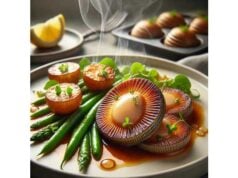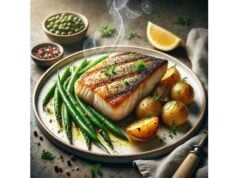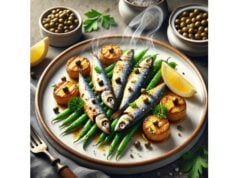
“Kingfish” is a market name used for two very different fish, and that split matters for your plate and your health. In North America, it often means king mackerel (Scomberomorus cavalla), an oily, strongly flavored fish rich in omega-3s but notable for high mercury in larger specimens. In Australia, New Zealand, and parts of Asia, “kingfish” typically refers to yellowtail kingfish or yellowtail amberjack (Seriola lalandi, sold as hiramasa), a firm, mild fish that’s frequently farm-raised with a lower and more predictable mercury profile. Both cook beautifully: king mackerel excels grilled or broiled with bold spices, while yellowtail kingfish shines crudo-style, lightly seared, or roasted with citrus and herbs. This guide clears up naming confusion, provides realistic nutrition per 100 g, details evidence-backed benefits, and gives practical steps for buying, storing, cooking, and serving kingfish safely—so you can enjoy its flavor, texture, and nutrition while making smart choices about species, source, and portion size.
Essential Insights
- Clarify species: “kingfish” may be king mackerel (richer, higher mercury) or yellowtail kingfish (milder, often farmed).
- Typical serving: 120–150 g cooked (about 4–5 oz), 1–2 times weekly within a varied seafood plan.
- Safety caveat: large king mackerel can contain very high mercury; choose smaller fish or opt for farmed yellowtail kingfish if mercury is a concern.
- Limit or avoid: pregnant or breastfeeding individuals and young children should skip king mackerel; people with finfish allergy should avoid both species.
Table of Contents
- Detailed Overview
- Nutrition Profile
- Evidence-Based Health Benefits
- Risks, Allergies and Interactions
- Selecting, Quality, Sustainability and Storage
- Preparation, Cooking and Nutrient Retention
- Portions, Comparisons and FAQs
Detailed Overview
“Kingfish” on a menu sounds simple, but it can point to two distinct culinary experiences:
- King mackerel (Scomberomorus cavalla): A lean-to-moderately oily pelagic fish with pronounced, savory flavor. Its flesh is meaty and stands up to high heat. It’s popular grilled, blackened, or smoked, and pairs well with assertive spices, citrus, and chili. Because king mackerel can grow large, mercury accumulation becomes a major safety consideration. Smaller fish are a better choice, and many national health advisories recommend avoiding king mackerel during pregnancy and early childhood.
- Yellowtail kingfish / yellowtail amberjack (Seriola lalandi): A firm, mild fish prized for sashimi (hiramasa), crudo, quick sears, and gentle roasts. Modern aquaculture provides year-round availability with consistent fat content, making cooking predictable. The flavor is buttery and clean with a faint sweetness, receptive to citrus, miso, ginger, and herb sauces.
Culturally, both fishes carry strong culinary traditions. Coastal cuisines feature king mackerel steaks over flame with lime and chili, or smoked for spreads and tacos. Yellowtail kingfish threads through Japanese and Australian contexts: lightly cured or raw preparations to highlight texture, or oven-roasted with seasonal produce. From a kitchen perspective, understanding which “kingfish” you have helps you choose technique: direct high heat and bold spice for king mackerel; precise, moderate heat and bright sauces for yellowtail kingfish.
From a nutrition and sustainability lens, the differences persist. King mackerel contributes robust omega-3s but can be very high in mercury, especially in large fish. Yellowtail kingfish often comes from responsible aquaculture, with feed innovations and welfare standards improving year by year. For many households, alternating yellowtail kingfish with low-mercury wild species (trout, salmon, sardines) provides a balanced seafood routine that captures both variety and safety.
Nutrition Profile
How to read this section: Values below show raw fillet per 100 g with typical ranges for the two species commonly sold as “kingfish.” Cooking changes water and fat content. % Daily Value (%DV) is approximate and based on adult DVs.
Macros and Electrolytes (per 100 g, raw)
| Nutrient | King mackerel | Yellowtail kingfish | %DV (typical) |
|---|---|---|---|
| Energy | 140–190 kcal | 120–170 kcal | — |
| Protein | 20–24 g | 19–23 g | 38–46% |
| Total fat | 5–12 g | 4–10 g | 5–15% |
| Saturated fat | 1.4–3.0 g | 1.0–2.4 g | 5–12% |
| Carbohydrate | 0 g | 0 g | — |
| Sodium | 40–70 mg | 35–65 mg | 1–3% |
| Potassium | 300–450 mg | 320–480 mg | 7–10% |
| Water | ~67–74 g | ~70–75 g | — |
Fats and Fatty Acids (per 100 g, raw)
| Component | King mackerel | Yellowtail kingfish |
|---|---|---|
| Omega-3 EPA + DHA | ~0.8–2.0 g | ~0.6–1.4 g |
| Omega-6 total | ~0.2–0.5 g | ~0.2–0.5 g |
| Cholesterol | ~60–80 mg | ~55–75 mg |
Vitamins (per 100 g, raw)
| Vitamin | King mackerel | Yellowtail kingfish | %DV (typical) |
|---|---|---|---|
| Vitamin B12 (cobalamin) | 3–9 µg | 2–6 µg | 83–375% |
| Niacin (vitamin B3) | 6–9 mg | 5–8 mg | 31–56% |
| Vitamin D (cholecalciferol) | 3–10 µg (120–400 IU) | 2–6 µg (80–240 IU) | 10–50% |
| Vitamin B6 (pyridoxine) | 0.4–0.6 mg | 0.3–0.5 mg | 18–35% |
Minerals (per 100 g, raw)
| Mineral | King mackerel | Yellowtail kingfish | %DV (typical) |
|---|---|---|---|
| Selenium | 36–70 µg | 30–55 µg | 55–127% |
| Phosphorus | 200–280 mg | 180–260 mg | 14–22% |
| Magnesium | 25–35 mg | 25–35 mg | 6–8% |
| Iron | 0.5–1.3 mg | 0.4–1.0 mg | 2–7% |
| Zinc | 0.4–1.0 mg | 0.4–0.9 mg | 3–8% |
| Iodine | variable, tens of µg | variable, tens of µg | — |
Protein & Amino Acids
- Both species provide complete protein with high digestibility. Per 100 g raw, leucine commonly falls ~1.6–2.1 g; lysine ~2.0–2.5 g, supporting muscle repair when intake is distributed across meals.
Bioactives/Phytonutrients
- Marine omega-3 fatty acids (EPA, DHA) support cardiometabolic health. Content varies with season, diet (in aquaculture), and cut (belly vs loin).
Allergens & Intolerance Markers
- Contains finfish allergens (e.g., parvalbumin). Cross-contact in mixed seafood facilities is common—an issue for those with severe allergy.
Contaminants/Residues
- King mackerel: can be very high in methylmercury, especially larger fish.
- Yellowtail kingfish: low-to-moderate mercury is typical, with farmed fish showing more consistency.
- Histamine formation (scombroid) can occur in mishandled scombroid fishes; strict cold chain is critical.
Label notes: Sodium increases substantially in smoked, brined, or canned products. Pan-frying or deep-frying raises total fat; grilling and baking keep profiles leaner.
Evidence-Based Health Benefits
1) High-quality protein in practical portions
A cooked portion of kingfish (120–150 g) typically delivers 25–32 g of complete protein for ~180–300 kcal depending on species and cooking fat. That protein supports satiety, tissue repair, and retention of lean mass—especially useful when you aim to distribute 25–35 g protein per meal across the day.
2) Marine omega-3s (EPA, DHA) that add up weekly
Whether you choose king mackerel or yellowtail kingfish, you’ll obtain a meaningful dose of EPA + DHA per serving. While oily fish like salmon or sardines remain the richest sources, kingfish helps you approach weekly omega-3 targets when rotated with other species. Cooking methods that keep rendered fat in the dish—en papillote, gentle roasting, saucy braises—help retain omega-3s better than high-heat methods that let juices drip away.
3) Micronutrients for energy metabolism and cellular defense
Kingfish brings vitamin B12 and niacin for energy metabolism, plus selenium, a cofactor in antioxidant enzymes (e.g., glutathione peroxidases) and thyroid metabolism. Phosphorus supports bone and cellular energy transfer (ATP). These nutrients appear together in a single food, simplifying meal planning for nutrient density.
4) Culinary flexibility that supports healthier patterns
Yellowtail kingfish accepts bright, acid-forward preparations—citrus, fresh herbs, miso—encouraging meals heavy on vegetables, grains, and legumes. King mackerel’s robust flavor stands up to spice rubs and smoky charring, satisfying those who want “steak-like” seafood but are choosing fish over red meat. That swap can lower saturated fat at the meal level without sacrificing satisfaction.
5) Sustainable options through aquaculture and seasonal wild harvests
Responsible hiramasa aquaculture (yellowtail kingfish) can offer traceability, steady quality, and reduced pressure on wild stocks. Meanwhile, thoughtfully managed king mackerel fisheries contribute to coastal economies and access to wild fish, provided consumers heed size and mercury guidance. Choosing verified sources aligns personal nutrition with broader ocean health.
Perspective: Benefits compound when seafood is varied. If mercury exposure is a concern, lean toward yellowtail kingfish, trout, salmon, sardines, and skipjack tuna; make king mackerel an occasional choice or avoid it entirely during sensitive life stages.
Risks, Allergies and Interactions
Mercury exposure
The clearest safety divider is mercury. King mackerel can carry very high methylmercury, especially in larger fish; many national advisories instruct pregnant and breastfeeding individuals and young children to avoid it. Adults who choose king mackerel should favor smaller fish, keep portions modest, and consume infrequently. Yellowtail kingfish generally falls into a low-to-moderate mercury category, but rotation with low-mercury species is still wise.
Scombroid (histamine) poisoning
King mackerel belongs to a family susceptible to histamine formation if temperature control lapses. Symptoms—flushing, headache, hives, peppery taste—appear quickly after eating. Prevention hinges on strict cold chain: buy from reputable vendors, keep fish cold from market to home, and refrigerate or cook promptly.
Fish allergy
Both species contain finfish proteins that can provoke IgE-mediated allergy. Reactions range from urticaria to anaphylaxis. Those with known finfish allergy should avoid kingfish unless cleared by an allergist. Cross-contact in seafood restaurants is common; communicate clearly with staff.
Parasites and raw preparations
Wild fish can harbor Anisakis larvae. For crudo or sashimi, buy sashimi-grade fish from suppliers who follow parasite-kill freezing protocols. Cooking to 63 °C (145 °F) eliminates parasite risk.
Sodium and additives
Plain fillets are low in sodium, but smoked or brined kingfish can be high. If you monitor sodium, choose unseasoned fillets and salt thoughtfully; lean on acids (lemon, vinegar) and umami (tomato, miso) for flavor.
Medication and condition notes
- Anticoagulants: kingfish is low in vitamin K; no specific interactions expected, but keep overall diet patterns consistent.
- Thyroid conditions: seafood provides selenium and iodine; maintain steady intake and follow clinician guidance, particularly if you also use iodized salt or supplements.
Selecting, Quality, Sustainability and Storage
Identify your “kingfish” first
- Ask for the species name. If it’s king mackerel, factor mercury guidance into your decision. If it’s yellowtail kingfish/Seriola lalandi, expect a firmer, milder fish—often farmed—with more predictable quality.
- Cut matters: Center-cut loins of yellowtail are ideal for crudo, carpaccio, or precise sears; belly cuts are richer and great for gentle roasting. King mackerel steaks suit grilling and smoking; fillets work for roasting or pan-searing.
Freshness checks
- Moist, translucent flesh; no browning or gaping.
- Clean, oceany aroma—never sour or ammoniacal.
- For whole fish: bright eyes, vivid gills, firm bounce when pressed.
Sustainability snapshot
- King mackerel: typically wild-caught; stock status and bycatch vary by region. Seek well-managed fisheries with size limits and seasonal closures.
- Yellowtail kingfish: frequently farm-raised (e.g., Australia), offering traceability and steady quality. Look for producers transparent about feed, stocking densities, and environmental monitoring.
Storage
- Refrigerate on ice (0–2 °C / 32–36 °F) and cook within 24–48 hours.
- Freeze tightly wrapped or vacuum-sealed at −18 °C (0 °F) for up to 3 months (quality) and parasite-kill if intended for raw service. Thaw under refrigeration on a rack overnight.
- Leftovers: refrigerate within 2 hours; use within 48 hours.
Traceability and labeling
- Favor vendors who disclose harvest area or farm site, gear, and previously frozen status. Lot codes and handling instructions are green flags.
- If mercury is a concern, ask for smaller king mackerel or choose yellowtail kingfish instead.
Preparation, Cooking and Nutrient Retention
Yellowtail kingfish (hiramasa): delicate and precise
- Citrus-miso roast (reliable weeknight)
- Brush loins with white miso, citrus juice, and a few drops of sesame oil.
- Roast at 200 °C (400 °F) for 8–12 minutes depending on thickness until just opaque.
- Finish with scallions and a squeeze of lemon.
- Crudo/carpaccio (when sashimi-grade)
- Slice chilled loin thinly; dress with lemon, olive oil, flaky salt, and shaved fennel.
- Add chives and a few capers. Keep portions small and serve immediately.
- Gentle pan-sear
- Pat dry; season lightly. Sear in a thin film of oil over medium heat 2–3 minutes per side.
- Add butter and herbs to baste briefly; remove at just-opaque for maximum juiciness.
King mackerel: robust and bold
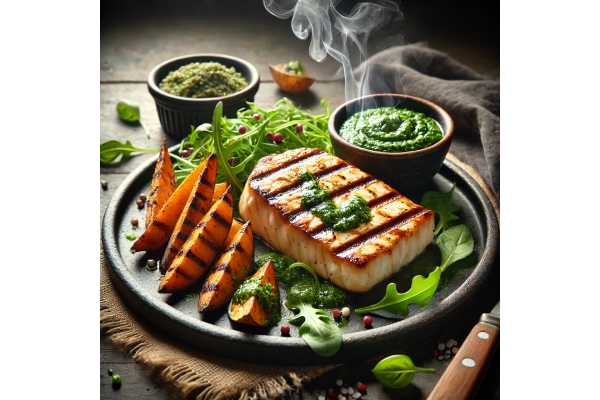
- Grilled steaks with chili-lime
- Marinate briefly with lime, garlic, chili, and a touch of oil.
- Grill over medium-high 3–4 minutes per side, depending on thickness.
- Rest 2 minutes; serve with charred citrus and herb salad.
- Smoked mackerel (hot-smoke or buy prepared)
- Brine lightly (optional) and smoke gently until just cooked.
- Flake into yogurt-mustard spread with herbs for sandwiches or potato salad.
- Paprika-coriander roast
- Dust fillets with paprika, coriander, and pepper; roast at 220 °C (425 °F) 8–10 minutes.
- Splash with sherry vinegar at the end for brightness.
Nutrient-savvy technique tips
- Keep juices in the dish. En papillote, light braises, or roasting on vegetables capture omega-3-rich drippings.
- Mind carryover heat. Remove fish when the center just turns opaque; rest briefly.
- Flavor without excess salt. Use citrus, vinegars, tomatoes, olives, herbs, and toasted spices to reduce sodium while keeping dishes vivid.
- Raw service safety. Choose sashimi-grade, verify freezing protocols, work cold, and serve immediately.
Portions, Comparisons and FAQs
Practical portions and frequency
- Adults: 120–150 g cooked (4–5 oz) per serving.
- Weekly rhythm: 1–2 kingfish meals as part of 8–12 oz (225–340 g) total seafood per week for most adults.
- Special populations: Avoid king mackerel during pregnancy, breastfeeding, and early childhood; select low-mercury species instead. Yellowtail kingfish can fit into rotation if your clinician agrees.
How kingfish compares
- Versus salmon or trout: Usually lower in total fat and omega-3s than salmon, but a meaningful contributor; flavor varies from buttery (yellowtail) to bold (king mackerel).
- Versus tuna: Similar meaty texture in steaks; tuna often has higher mercury than yellowtail but can be lower than large king mackerel depending on species and size.
- Versus cod/haddock: Kingfish offers firmer, denser texture and higher fat than very lean white fish; better for grilling and searing.
Buying and kitchen swaps
- If you can’t confirm species and mercury matters, choose salmon, trout, sardines, or hake.
- For recipes calling for yellowtail kingfish, amberjack (Seriola dumerili) or high-quality albacore loin can substitute.
- For recipes calling for king mackerel steaks, try mahi-mahi or swordfish—but check mercury guidance.
FAQs
Is “kingfish” always safe to eat raw?
No. Only sashimi-grade yellowtail kingfish from suppliers who follow parasite-kill protocols should be served raw. King mackerel is usually cooked due to stronger flavor and parasite considerations.
How do I reduce a fishy taste?
Use acid (lemon, vinegar), fresh herbs, garlic, and quick cooking. For mackerel, a brief citrus or yogurt marinade mellows intensity.
What about canned king mackerel?
Convenient and flavorful, but check sodium and consider mercury guidance when planning frequency and portion sizes.
Can I eat the skin?
Yes—scale well and dry thoroughly; sear skin-side down until crisp. Yellowtail skin crisps nicely; mackerel skin is tasty when grilled.
References
- Advice about Eating Fish (2024)
- Scombroid Fish Poisoning (2024)
- Vitamin B12 Fact Sheet for Consumers (2024)
- King Mackerel (2024)
- Marine omega-3 fatty acids and cardiovascular disease: effects on risk factors and clinical outcomes (2020)
Disclaimer
This guide is for general education and does not replace personalized medical advice, diagnosis, or treatment. Nutrient values and mercury levels vary by species, size, geography, season, and farming or handling practices. If you are pregnant or breastfeeding, planning pregnancy, serving young children, have a finfish allergy, or manage cardiovascular, renal, or thyroid conditions, consult a qualified health professional before choosing or preparing kingfish. Always purchase from reputable suppliers, keep fish cold, and follow safe thawing and cooking practices.
If this article was helpful, please consider sharing it on Facebook, X (formerly Twitter), or any platform you prefer. Your support helps us continue creating clear, practical, evidence-based food guides.