Kiwifruit delivers far more than a bright, tangy bite. One small fruit supplies more vitamin C than an orange serving by weight, along with potassium, vitamin K, and fiber in a naturally low-calorie package. Two widely available types—classic green (Actinidia deliciosa) and sweeter gold (A. chinensis)—behave a little differently in the kitchen. Green kiwi contains actinidin, a natural enzyme that tenderizes proteins and can even keep gelatin from setting; gold kiwi is less tangy, typically higher in vitamin C, and gentler on texture. Both work in sweet and savory dishes: slice over yogurt, blitz into smoothies, fold into salsas, or use as a quick marinade for lean meats and tofu. Kiwifruit is also practical day to day: it ripens on the counter, lasts a week or more in the fridge, and the thin skin is edible when scrubbed well. This guide goes deep—clear nutrition tables per 100 grams, evidence-based benefits (including bowel regularity and protein digestion), safety notes (allergy, sulfite-labeled dried products, and potassium), as well as smart buying, storage, cooking, and portions.
Top Highlights
- Per 100 g, green kiwifruit averages ~61 kcal, ~93 mg vitamin C (≈103% DV), ~3 g fiber, and ~312 mg potassium.
- Major allergen is actinidin; allergy ranges from oral itching to rare systemic reactions—see safety notes.
- A practical serving is 2 small fruits (≈150 g) or 1 cup sliced (≈150–170 g), several times weekly within overall fruit goals.
- People with kiwifruit allergy, latex–fruit cross-reactivity, or on potassium-restricted diets should individualize intake.
Table of Contents
- Kiwifruit: detailed overview
- Kiwifruit nutrition profile (per 100 g)
- Evidence-based health benefits
- Risks, allergies and interactions
- Selecting, quality, sustainability and storage
- Preparation, cooking and nutrient retention
- Portions, comparisons and FAQs
Kiwifruit: detailed overview
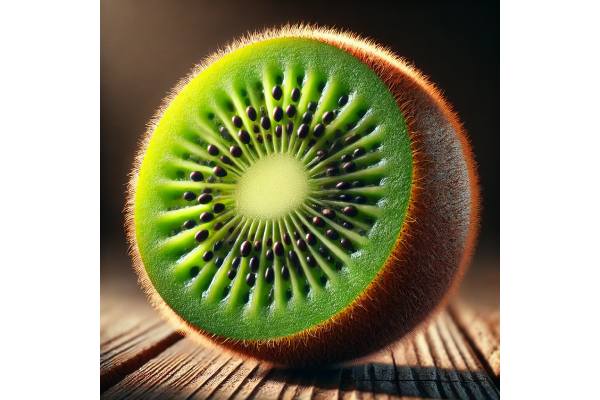
Kiwifruit (often shortened to “kiwi”) originated in China, spread to New Zealand in the early 20th century, and now grows widely in temperate regions. At the store you’ll usually see green and gold types. Green kiwifruit is tart-sweet with emerald flesh and tiny black seeds; its texture is juicy yet slightly firm, and the thin, fuzzy skin is fully edible when washed. Gold kiwifruit has smooth bronze skin and yellow flesh; it’s sweeter, milder, and typically higher in vitamin C but a touch lower in fiber.
Beyond taste, kiwi earns a place in everyday menus because it is nutrient-dense. Per 100 grams (about two small fruits), green kiwi provides roughly 61 kcal, ~93 mg vitamin C, ~3 g fiber, ~312 mg potassium, and notable vitamin K and vitamin E—all with very little sodium or fat. This makes kiwi useful for anyone pursuing more whole foods without sacrificing flavor.
A unique feature of green kiwi is actinidin, a cysteine protease. In cooking, actinidin tenderizes protein: a quick marinade (15–30 minutes) on thin cuts of beef, pork, chicken, fish, or tofu can improve texture. The same enzyme explains a few kitchen quirks: raw kiwi mixed directly into gelatin desserts stops them from setting, and it can curdle dairy over time. Brief heating (or adding kiwi at the last minute) sidesteps those issues.
Kiwifruit is highly portable. Ripen firm kiwis on the counter; speed things up by placing them with an apple or banana (ethylene gas accelerates ripening). Once ripe, refrigerate to hold peak flavor. The fruit slices cleanly, doesn’t readily brown, and pairs well with bright, herbaceous, and spicy flavors—lime, mint, basil, jalapeño, ginger, and toasted sesame are natural partners.
From a health perspective, kiwi adds value in several ways: vitamin C supports collagen and immune function; potassium contributes to a healthier sodium–potassium balance; fiber supports regularity; and polyphenols and carotenoids provide additional antioxidant capacity. For people focused on digestion, evidence suggests green kiwi can ease constipation when eaten consistently. For athletes and busy families, kiwi is a quick vitamin C “booster” that layers into breakfast bowls, lunchboxes, and after-workout snacks with almost no prep.
Kiwifruit nutrition profile (per 100 g)
All values below reflect typical averages for green kiwifruit, raw, edible portion. Daily Values (%DV) use current U.S. DVs for adults and children ≥4 years. Natural variation occurs by cultivar, soil, season, and ripeness.
Macros and electrolytes (per 100 g)
| Nutrient | Amount | %DV |
|---|---|---|
| Energy | 61 kcal | — |
| Water | 83.1 g | — |
| Carbohydrate, total | 14.7 g | 5% |
| Dietary fiber | 3.0 g | 11% |
| Total sugars | 9.0 g | — |
| Protein | 1.1 g | 2% |
| Total fat | 0.5 g | 1% |
| Saturated fat | 0.03 g | 0% |
| Sodium | 3 mg | 0% |
| Potassium | 312 mg | 7% |
Vitamins (per 100 g)
| Vitamin | Amount | %DV |
|---|---|---|
| Vitamin C (ascorbic acid) | 92.7 mg | 103% |
| Vitamin K (phylloquinone) | 40.3 µg | 34% |
| Vitamin E (alpha-tocopherol) | 1.5 mg | 10% |
| Folate (DFE) | 25 µg | 6% |
| Vitamin B6 (pyridoxine) | 0.06 mg | 4% |
| Thiamin (B1) | 0.03 mg | 3% |
| Riboflavin (B2) | 0.03 mg | 2% |
| Niacin (B3) | 0.34 mg | 2% |
| Vitamin A (RAE) | 4 µg | 0% |
| Choline | 7.8 mg | 2% |
Minerals (per 100 g)
| Mineral | Amount | %DV |
|---|---|---|
| Calcium | 34 mg | 3% |
| Iron | 0.31 mg | 2% |
| Magnesium | 17 mg | 4% |
| Phosphorus | 34 mg | 3% |
| Copper | 0.15 mg | 17% |
| Manganese | 0.10 mg | 4% |
| Zinc | 0.14 mg | 1% |
| Selenium | 0.2 µg | 0% |
Bioactives and phytonutrients
- Actinidin (enzyme) in green kiwi may aid protein breakdown during digestion and affects culinary behavior (tenderizing, gelatin interference).
- Polyphenols (e.g., flavonoids) and carotenoids (notably lutein/zeaxanthin) contribute to antioxidant capacity; much resides near the peel.
- Organic acids (citric, malic) shape kiwi’s tangy flavor and may modestly influence mineral absorption.
Glycemic and acid–base metrics
| Metric | Value | Notes |
|---|---|---|
| Estimated Glycemic Index (GI) | ~45–55 (low) | Varies by ripeness and testing method. |
| Glycemic Load (GL), 100 g | ~7 | Using GI ≈ 50 and ~13–15 g available carbohydrate. |
| Typical serving GL (two small fruits ≈150 g) | ~10–11 | Generally compatible with balanced meal plans. |
| PRAL (acid–base) | Slightly alkaline-forming | Due to potassium salts of organic acids. |
Allergens & intolerance markers
- Actinidin is the major kiwifruit allergen (often labeled Act d 1); birch-pollen and latex cross-reactivity can occur in sensitized individuals.
- The edible skin adds fiber but may aggravate mild oral itching in sensitive people—trial carefully.
Additives & fortification
- Fresh fruit has no additives.
- Dried or candied kiwi may include added sugars and occasionally sulfites for color retention—check labels.
Interpretation: Per 100 g, kiwi is unusually rich in vitamin C and a good source of vitamin K, with meaningful potassium for its calorie level. Fiber is moderate but impactful when eaten consistently (see benefits).
Evidence-based health benefits
1) Constipation relief and digestive comfort
A multi-country randomized controlled trial found that eating two green kiwifruits daily increased complete spontaneous bowel movements and improved measures of gastrointestinal comfort in adults with chronic constipation. In practice, that means kiwi can be a food-first option alongside hydration and movement. For people who tolerate fruit skins, leaving the peel on increases fiber and phytonutrient intake. Start with one fruit daily for a few days, then progress to two; pair with water and a balanced diet to minimize gas.
2) Protein digestion support (green kiwi)
Green kiwifruit contains actinidin, a cysteine protease that helps break down a variety of dietary proteins in the stomach environment. This property shows up both in the lab and the kitchen. If heavy, protein-dense meals leave you feeling weighed down, adding green kiwi as part of the meal—or using it in a short marinade for meats or tofu—can make proteins feel easier to digest. Keep marinades brief (15–30 minutes for thin cuts) to avoid mushiness.
3) Vitamin C for collagen and immune function
With ~93 mg vitamin C per 100 g, kiwi exceeds the Daily Value in a modest portion. Vitamin C acts as a cofactor for collagen synthesis (skin, blood vessels, ligaments) and helps regenerate other antioxidants. Spreading vitamin C–rich foods across the day is more effective than large, infrequent doses. Kiwi at breakfast or as an afternoon snack is a simple, reliable strategy.
4) Blood pressure support via potassium
Potassium counters sodium’s effect on vascular tone and helps maintain fluid balance. Kiwi contributes ~312 mg potassium per 100 g with minimal sodium, improving the daily potassium-to-sodium ratio when it replaces salty or ultra-processed snacks. While no single food controls blood pressure, kiwi fits comfortably in a DASH-style eating pattern.
5) Gentle glycemic impact
Kiwifruit’s low glycemic index and modest glycemic load in typical servings make it fruit-friendly for people watching blood glucose. Pairing kiwi with protein and healthy fats—think yogurt and nuts—further tempers post-meal rises.
6) Eye and skin support from phytonutrients
Lutein/zeaxanthin and vitamin C work in different antioxidant systems that support eye health and skin integrity. Kiwi isn’t the top source of carotenoids compared with dark leafy greens, but it contributes alongside its vitamin C strength.
7) Everyday practicality and adherence
The best nutrition plan is the one you can keep. Kiwi requires little prep, travels well, and offers a bright flavor that makes healthy meals more appealing—sliced on cereal, tucked into lunchboxes, or blended into post-workout smoothies. When produce feels effortless, people eat it more consistently.
How to layer kiwi into your routine
- Morning: two small green kiwis with oats and yogurt.
- Midday: gold kiwi with cottage cheese or a bean-and-grain bowl.
- Evening: green-kiwi–lime salsa over grilled fish or tofu; keep any marinade short to protect texture.
Risks, allergies and interactions
Kiwifruit allergy
Kiwifruit is a recognized cause of food allergy. The major allergen is actinidin (Act d 1), and several additional allergens have been identified. Reactions vary from oral allergy syndrome (itchy mouth/throat, usually mild) to systemic reactions (hives, wheeze, gastrointestinal symptoms). Children and latex-sensitized individuals may be at higher risk of significant reactions. If you have a history of fruit-triggered symptoms, discuss kiwi testing with an allergist before regular intake. Cooking or canning inactivates enzymes and may reduce—but not eliminate—reactivity.
Latex–fruit and pollen cross-reactivity
Latex-sensitized individuals can react to certain fruits, including kiwifruit. Birch-pollen–associated oral allergy syndrome may also involve kiwi. If you’ve had reactions to latex or birch-related fruits, approach kiwi cautiously, starting with very small amounts under medical advice.
Dried and candied forms
Plain fresh kiwifruit has no additives. Dried or candied products can include added sugars and sometimes sulfites to preserve color. If sulfites trigger asthma or hives for you, choose unsulfited products and read labels closely.
Kidney disease and potassium
Per 100 g, kiwi provides ~312 mg potassium. Most people benefit from higher potassium within a balanced diet; however, those with advanced chronic kidney disease or taking potassium-sparing medications (e.g., spironolactone, eplerenone, ACE inhibitors, ARBs) may need to limit high-potassium foods. Get individualized guidance from your clinician or renal dietitian.
Glycemia and portion control
Kiwi is low GI with a modest GL in practical servings. For people with diabetes or reactive hypoglycemia, pair kiwi with protein/fat and account for its ~13–15 g carbohydrate per 100 g when planning meals.
Oxalates and stones
Kiwifruit contains moderate oxalate compared with some leafy greens and nuts. If you’ve been prescribed a low-oxalate diet, keep portions moderate and pair with calcium-rich foods during meals to bind oxalate in the gut.
Food safety and handling
Wash kiwifruit under running water—even if you plan to peel—so the knife doesn’t bring surface dirt into the flesh. Refrigerate cut kiwi and finish within 3–4 days. For infants and toddlers, slice thinly to reduce choking risk; many parents gently scrape fruit with a spoon to serve as a soft mash.
Medication and supplement notes
- Sedative supplements (e.g., valerian): no established interaction with the fruit; the caution commonly applies to herbal extracts from other plants.
- Gelatin or dairy in recipes: actinidin can prevent gelatin from setting and can curdle dairy over time; see the preparation section for workarounds.
Who should limit or avoid kiwi?
- Anyone with confirmed kiwifruit allergy or severe reactions to related fruits.
- People on potassium-restricted diets (individualize portions).
- Those with sulfite sensitivity should avoid sulfited dried kiwi.
Selecting, quality, sustainability and storage
How to choose
- Green kiwi (classic): Look for firm fruit that yields slightly to gentle pressure when ripe. A bright green interior, black seeds, and a tangy aroma signal flavor.
- Gold kiwi: Skin is smooth and bronze; flesh is yellow and sweeter. Choose fruit with even color and a slight give when ripe.
- Avoid fruit with major soft spots, deep wrinkles, or mold around the stem end.
Ripening cues and speed-ups
- Ripen at room temperature on the counter until there’s a gentle give at the stem end.
- To speed ripening, place kiwi in a paper bag with an apple or banana for a day or two; ethylene gas hastens softening and flavor development.
- Once ripe, move to the refrigerator to hold quality for up to 1–2 weeks (ideally within 7–10 days for best texture and aroma).
Storage tips
- Whole fruit: Keep dry; moisture accelerates spoilage.
- Cut fruit: Cover and refrigerate; use within 3–4 days.
- Freezing: Peel, slice, and freeze on a tray; transfer to a freezer bag. Frozen kiwi is excellent for smoothies but will be soft on thawing.
Sustainability snapshot
Kiwifruit vines are productive per hectare and often rely on careful water management and pollination services. Buying in season, choosing regional producers when available, and favoring minimal packaging trims environmental impact. Because kiwi is resilient in cold storage, it ships efficiently; still, shorter supply chains typically mean better texture and less waste.
Quality troubleshooting
- Hard, underripe fruit: Dice and marinate with citrus, honey, and a pinch of salt to coax flavor; or leave in a fruit bowl with apples to ripen naturally.
- Overripe fruit: Blitz into smoothies, quick sauces, or granita; overripe kiwi also works for short protein marinades where high actinidin is a plus.
- Grainy or watery texture: Often a sign of prolonged storage or temperature abuse—use in blended recipes.
Budget and value
- Compare unit prices: loose fruit vs. clamshells vs. bulk bags.
- Green kiwi usually costs less than gold; mix the two to balance budget and flavor variety.
- Reduce waste by staging ripeness—keep some at room temperature and the rest in the fridge.
Preparation, cooking and nutrient retention
Core prep and edible skin
- Rinse well, then slice or scoop. The thin skin is edible and boosts fiber and phytonutrients. If you prefer it off, trim ends and peel with a paring knife or spoon.
- For fruit platters, cut into coins, wedges, or neat cubes; pat pieces dry for better grip if stacking on desserts.
Actinidin and protein: use it to your advantage
- Tenderizing: For thin cuts of meat or tofu, use green kiwi in a quick marinade: 1 finely mashed kiwi per 450–680 g (1–1.5 lb) protein, plus salt, aromatics, and acid. 15–30 minutes is plenty for fish or thin chicken; up to 60 minutes for thicker cuts. Over-marinating can make meat mushy.
- Gelatin and dairy: Raw green kiwi prevents gelatin from setting and can curdle dairy (yogurt, milk) when mixed and left to sit. Workarounds: add kiwi just before serving, cook the kiwi briefly to inactivate actinidin, or use gold kiwi (lower protease activity) in dairy-forward desserts.
Retaining vitamin C and aroma
- Vitamin C is heat- and oxygen-sensitive. Keep cut-to-serve time short and store slices chilled.
- For warm dishes (glazes, sauces), add kiwi at the end off heat or cook briefly to preserve flavor, accepting some vitamin C loss if needed for texture.
Pairings that improve balance
- Protein: Greek yogurt, cottage cheese, eggs, lean meats, tofu, tempeh.
- Healthy fats: Nuts (walnuts, pistachios), seeds (chia, pumpkin), avocado.
- Savory: Kiwi + jalapeño + lime + cilantro as a salsa for fish or beans; kiwi + ginger + sesame + tamari for a quick noodle bowl.
- Sweet: Kiwi + mint + lime; kiwi + vanilla skyr with toasted oats; kiwi + cocoa nibs in energy bites.
Food safety in practice
- Use clean knives and cutting boards.
- Chill cut fruit within 2 hours (1 hour in hot weather).
- For meal prep, pack kiwi separately from granola to maintain texture; add just before eating.
Ideas for different goals
- Digestive regularity: Two green kiwis daily with water, plus a walk after meals.
- Post-workout recovery: Smoothie with kiwi, kefir, spinach, frozen berries, and a spoon of nut butter.
- Family snacks: Skin-on kiwi wedges with cheese and whole-grain crackers.
Portions, comparisons and FAQs
Practical portions and frequency
- Per 100 g (about two small fruits): ~61 kcal, ~15 g carbohydrate, ~3 g fiber, ~93 mg vitamin C, ~312 mg potassium.
- Two small green kiwis (≈150 g): ~90 kcal, ~22 g carbohydrate, ~4–5 g fiber, ~140 mg vitamin C, ~470 mg potassium.
- Everyday cadence: 1–2 kiwifruits most days fits easily within a goal of 1.5–2.5 cups of fruit/day, while leaving room for variety.
Green vs. gold
- Green: Tangier, contains actinidin, slightly more fiber; excellent for digestion-focused uses and savory salsas.
- Gold: Sweeter, typically higher in vitamin C, gentler enzyme activity; great for fruit platters and dairy-forward desserts where you want to avoid curdling.
How does kiwi compare to other fruits (per 100 g)?
- Oranges: Similar or slightly lower vitamin C per 100 g compared with green kiwi; oranges are usually higher in total carbohydrate for equal weights.
- Strawberries: Lower calories and sugars, still high in vitamin C; less potassium than kiwi.
- Bananas: Higher calories and carbohydrate; more potassium per fruit, but per 100 g kiwi compares well and adds vitamin C and vitamin K.
Is kiwifruit good for weight management?
Yes. Kiwi is low in energy density and provides fiber and high vitamin C for relatively few calories. Pairing it with protein and healthy fats improves satiety and keeps snacks satisfying.
What about blood sugar?
Kiwi has a low GI and a modest GL. Two small fruits generally fit well into balanced carbohydrate budgets, especially with protein or fat at the same meal.
Can I eat the skin?
Absolutely. The skin is edible and adds fiber and phytonutrients. Wash well and slice thin if you’re texture-sensitive. If you prefer skinless, that’s fine—the flesh still delivers ample vitamin C and potassium.
Does kiwi help iron absorption?
Yes. Vitamin C enhances absorption of non-heme iron from plant foods. Add kiwi to meals with beans, lentils, or whole grains to raise iron uptake.
Any low-FODMAP guidance?
Kiwi is generally well tolerated and can fit into a low-FODMAP plan in typical portions. As always, personalize based on your symptoms and guidance from a clinician or dietitian.
Meal ideas by goal
- High-protein breakfast: Cottage cheese, sliced kiwi, chia, and pistachios.
- Dinner shortcut: Pan-seared fish with kiwi–lime–jalapeño salsa.
- Dessert swap: Sliced gold kiwi with vanilla skyr and toasted almonds.
References
- Consumption of 2 Green Kiwifruits Daily Improves Constipation and Abdominal Comfort—Results of an International Multicenter Randomized Controlled Trial 2023 (RCT)
- International tables of glycemic index and glycemic load values 2021: a systematic review 2021 (Systematic Review)
- Actinidin in Green and SunGold Kiwifruit Improves Simulated Gastric Protein Digestion in a Dynamic Gastric Model 2022 (Mechanistic Study)
- Kiwifruit’s Allergy in Children: What Do We Know? 2023 (Review)
- Nutrition Facts for Kiwifruit (kiwi), green, peeled, raw 2025 (Dataset)
Disclaimer
This article is informational and not a substitute for personalized medical advice. If you have chronic kidney disease, a history of kiwifruit or latex–fruit allergy, diabetes, a low-oxalate prescription, or you take potassium-raising medications, discuss appropriate portions with your clinician or a registered dietitian. Seek urgent care for any signs of a severe allergic reaction (trouble breathing, widespread hives, dizziness, or swelling).
If this guide helped you, please consider sharing it on Facebook, X (formerly Twitter), or any platform you prefer. Your support helps us keep producing clear, practical nutrition resources.