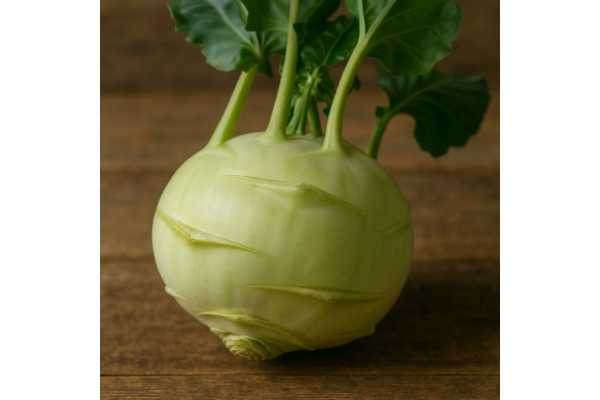
Kohlrabi is one of those vegetables that looks unfamiliar at first glance but quickly becomes a kitchen staple once you understand how to use it. This member of the cabbage family forms a crisp, juicy swollen stem that can be eaten raw or cooked, with a flavor somewhere between broccoli stems and a mildly sweet radish. Both the bulb and its leafy greens are edible and offer a surprising amount of vitamin C, fiber, and protective plant compounds common to cruciferous vegetables.
Whether you slice it into salads, roast it like potatoes, or simmer it into soups, kohlrabi fits into many eating patterns, from low calorie and low glycemic to plant forward and Mediterranean style diets. Its gentle taste makes it approachable for people who are less keen on stronger tasting brassicas such as kale or Brussels sprouts. In this guide, we will walk through kohlrabi’s detailed nutrition profile, potential health benefits, possible risks, and the most practical ways to shop for, store, and enjoy it safely.
Nutrition Snapshot for Kohlrabi
- Raw kohlrabi is low in calories yet rich in vitamin C and fiber, supporting immune and digestive health.
- As a cruciferous vegetable, it contains glucosinolates and other phytochemicals with potential anti inflammatory and anticancer properties.
- Typical serving: about 1 cup (135 g) raw or ½–1 cup cooked, enjoyed several times per week within a varied diet.
- Large portions may cause gas or discomfort in people sensitive to fiber or cruciferous vegetables.
- Individuals with thyroid disease, major digestive disorders, or those following specialist medical diets should discuss high cruciferous vegetable intake with their healthcare team.
Table of Contents
- Kohlrabi origins forms and uses
- Kohlrabi nutrition values per 100g
- Science based benefits of kohlrabi
- Kohlrabi risks sensitivities and interactions
- Choosing storing and sourcing kohlrabi
- Preparing and cooking kohlrabi well
- Kohlrabi portions comparisons and faqs
Kohlrabi origins forms and uses
Kohlrabi (Brassica oleracea var. gongylodes) belongs to the same species as cabbage, broccoli, and kale, but it has been bred to form a swollen, turnip like stem just above the soil. Despite its common name “German turnip,” it is not a true turnip; the edible globe is a thickened stem rather than a root.
The plant likely originated in Europe several hundred years ago and spread across Central and Eastern Europe, the Mediterranean region, and parts of Asia. Today it features in cuisines from Germany and Hungary to India and the Middle East. In Indian cooking, for example, kohlrabi (often called knolkhol or ganth gobhi) is simmered in tomato based curries or stir fried with spices. In Central Europe it may be shredded into salads, hollowed and stuffed, or simmered in creamy sauces.
You will most often see two color types:
- Pale green kohlrabi: the most common in supermarkets, with light green skin and creamy white flesh.
- Purple kohlrabi: deep violet or magenta skin with the same white interior; often slightly sweeter and richer in anthocyanin pigments.
Both color forms taste similar and can be used interchangeably in recipes. The bulb has a crisp, juicy texture and a mild, slightly peppery taste when raw, becoming sweeter and more mellow when cooked. Many people compare it to the tender core of broccoli stems, with a hint of apple or radish.
Importantly, the leaves are edible and nutritionally comparable to other leafy brassicas such as collard greens. They can be sautéed, steamed, or added to soups much like kale or chard. Using both the bulb and leaves reduces kitchen waste and increases the nutritional value you get from each plant.
Kohlrabi’s versatility makes it easy to integrate into familiar dishes:
- Sliced into sticks for crudité platters or lunch boxes
- Shredded into slaws with carrot, cabbage, or apple
- Diced into soups, stews, and vegetable mixes in place of potatoes
- Roasted or pan seared as a side dish
- Spiralized as a low carbohydrate noodle alternative
Because it has a mild flavor, kohlrabi pairs well with herbs (dill, parsley), citrus, yogurt, mustard, and warm spices such as cumin or coriander.
Kohlrabi nutrition values per 100g
Nutrient values vary somewhat by variety and growing conditions, but the table below summarizes typical values for raw kohlrabi per 100 g, based on combined data from national composition databases and research summaries.
Macros and electrolytes (per 100 g raw kohlrabi)
| Nutrient | Amount per 100 g | % Daily Value* |
|---|---|---|
| Energy | 27 kcal | 1% |
| Carbohydrates (total) | 6.2 g | 2% |
| Dietary fiber | 3.6–4.0 g | 13–14% |
| Sugars (naturally occurring) | 2.6 g | — |
| Protein | 1.7 g | 3–4% |
| Total fat | 0.1 g | 0% |
| Water | ~91 g | — |
| Potassium | ~350 mg | 7–8% |
| Sodium | ~20 mg | 1% |
| Magnesium | ~19 mg | 5% |
*DVs based on a 2,000 kcal diet.
Kohlrabi is strikingly low in calories while offering meaningful amounts of fiber and potassium. Its fiber content places it among useful vegetable sources for meeting daily fiber targets.
Vitamins (per 100 g raw kohlrabi)
| Vitamin | Amount per 100 g | % Daily Value |
|---|---|---|
| Vitamin C (ascorbic acid) | ~62 mg | ~69% |
| Folate (vitamin B9) | ~16 µg | 4% |
| Vitamin B6 (pyridoxine) | ~0.2 mg | 12% |
| Vitamin B1 (thiamin) | ~0.05 mg | 4% |
| Vitamin B2 (riboflavin) | ~0.03 mg | 2% |
| Vitamin B3 (niacin) | ~0.4 mg | 3% |
| Vitamin K (phylloquinone) | ~0.1 µg | 0% |
| Vitamin A (as carotenoids, trace) | ~2 µg | 0% |
Kohlrabi is particularly notable for its high vitamin C content: a modest 100 g serving can provide roughly two thirds of the daily requirement, supporting immune function and antioxidant defense.
Unlike many other brassicas, kohlrabi is very low in vitamin K, making it less likely to interfere with vitamin K sensitive medications compared with kale, spinach, or Brussels sprouts.
Minerals and trace elements (per 100 g raw kohlrabi)
| Mineral | Amount per 100 g | % Daily Value |
|---|---|---|
| Calcium | ~24 mg | 2% |
| Iron | ~0.4 mg | 2% |
| Phosphorus | ~46 mg | 4% |
| Magnesium | ~19 mg | 5% |
| Manganese | ~0.2 mg | 9% |
| Copper | ~0.13 mg | 14% |
| Zinc | ~0.3 mg | 3% |
These mineral levels are modest but helpful in the context of a balanced diet. The relatively higher copper and manganese content contributes to antioxidant enzyme systems and connective tissue integrity.
Phytonutrients and other components
Analytical studies show that different parts of the plant (bulb, skin, leaves) contain:
- Glucosinolates and isothiocyanates, typical of cruciferous vegetables
- Phenolic compounds and flavonoids, including anthocyanins in purple varieties
- Tannins and saponins in low to moderate amounts
- Strong antioxidant activity, especially in the leaves
These compounds are being studied for roles in antioxidant defense, modulation of inflammation, and potential support for metabolic and cancer preventive pathways.
Glycemic profile
Kohlrabi has:
- A reported low glycemic index (around 20)
- About 2.6 g net carbohydrates per 100 g (total carbohydrates minus fiber)
That makes it a suitable vegetable for people monitoring blood sugar, when eaten in typical portions as part of a mixed meal.
Science based benefits of kohlrabi
Kohlrabi’s potential health benefits come from the combination of vitamin C, fiber, minerals, and a variety of bioactive plant compounds characteristic of cruciferous vegetables.
1. Antioxidant and anti inflammatory activity
Both green and red kohlrabi cultivars contain phenolic compounds and flavonoids that show antioxidant activity in laboratory assays. Research comparing cultivars has found that red kohlrabi extracts can have roughly twice the total phenolic content of green kohlrabi and can show stronger free radical scavenging effects and inhibition of inflammatory mediators in immune cells.
These laboratory findings do not prove disease prevention in humans on their own, but they support the idea that kohlrabi contributes to the overall antioxidant and anti inflammatory “load” of a diet rich in vegetables.
2. Support for immune function and skin health
A 100 g serving of kohlrabi provides around two thirds of the daily requirement for vitamin C, a key nutrient for immune cell function, collagen production, and antioxidant defense. Diets higher in vitamin C rich fruits and vegetables are consistently associated with better cardiovascular and overall health outcomes.
Kohlrabi also contains small amounts of carotenoids and other phytonutrients that work alongside vitamin C to protect cells from oxidative stress.
3. Digestive health and weight management
With approximately 3.6–4 g of fiber per 100 g and very low calorie density, kohlrabi is well suited to support digestive regularity and satiety. The combination of soluble and insoluble fiber can:
- Increase stool bulk and help prevent constipation
- Slow gastric emptying, contributing to more stable post meal blood glucose
- Support beneficial gut bacteria that ferment fiber to short chain fatty acids
Because it provides volume and crunch for relatively few calories, replacing some higher calorie side dishes (for example, part of the potatoes or refined grains) with kohlrabi can support weight management within an overall balanced diet.
4. Potential cardiometabolic support
Cruciferous vegetables as a group are associated in observational research with reduced risk of several chronic conditions, including cardiovascular disease and some cancers. Reviews highlight the roles of glucosinolates, their isothiocyanate breakdown products, and other phytochemicals in modulating detoxification enzymes, inflammation, and oxidative damage.
Specific experiments with kohlrabi extracts in cell and animal models show:
- Anti diabetic effects, including inhibition of enzymes involved in glucose handling and improved metabolic markers in experimental systems
- Anti inflammatory activity, with suppression of nitric oxide production and inflammatory enzymes
- Antioxidant effects, especially in red (purple) cultivars and in the leaves
These results are promising but still early stage. They suggest that regularly including kohlrabi in a vegetable rich diet may be one of many helpful steps for cardiometabolic health, rather than a stand alone therapy.
5. Cancer preventive potential as a cruciferous vegetable
Reviews of cruciferous vegetable intake report suggestive evidence for lower risk of several cancers, including gastric and lung cancers, along with reduced overall mortality, with higher intake levels. Kohlrabi contributes to this cruciferous group, supplying glucosinolates that can be converted to isothiocyanates and other bioactive compounds when the plant is chopped and chewed. While it is not possible to assign a specific risk reduction to kohlrabi alone, using it alongside broccoli, cabbage, kale, and other brassicas is a reasonable strategy to increase cruciferous variety in the diet.
Kohlrabi risks sensitivities and interactions
For most healthy people, kohlrabi is a safe and nutritious food. However, there are a few situations where caution or tailored intake is sensible.
1. Digestive discomfort and gas
Like many high fiber vegetables, especially cruciferous ones, kohlrabi can cause:
- Bloating
- Gas
- Cramping
This is more likely when:
- Large amounts are eaten at once
- The person is not used to eating much fiber
- Raw kohlrabi is eaten without being chewed thoroughly
People with irritable bowel syndrome or other functional gut disorders may find that smaller portions (for example, ½ cup cooked or less) and thorough cooking are better tolerated than large raw servings.
2. Thyroid considerations and goitrogens
Cruciferous vegetables contain glucosinolates, which can break down into compounds with goitrogenic potential (substances that may interfere with thyroid hormone synthesis) in certain conditions. This has led to concern that high cruciferous intake could harm thyroid function, especially in iodine deficiency.
A controlled study in rats found that adding kohlrabi sprouts to the diet did not significantly worsen thyroid hormone patterns in either healthy animals or those with induced hypothyroidism, although some liver enzyme and blood cell changes were observed. These findings suggest that kohlrabi sprouts have a relatively safe thyroid profile in that model, but they cannot be directly assumed to apply to humans.
In practice:
- For most people with adequate iodine intake, typical culinary amounts of kohlrabi are unlikely to harm thyroid function.
- People with diagnosed thyroid disease (especially untreated hypothyroidism or iodine deficiency) should discuss large or supplemental intakes of cruciferous sprouts and concentrates with their endocrinologist.
- Cooking tends to reduce the activity of some goitrogenic compounds compared with raw sprouts.
3. Allergies and cross reactivity
True allergy to kohlrabi is rare, but individuals with allergies to other members of the Brassica family (for example, mustard, cabbage, or broccoli) may react to kohlrabi as well. Symptoms can include rash, itching, oral allergy symptoms, or rarely more serious reactions.
Anyone who has experienced allergic symptoms after eating cruciferous vegetables should seek medical advice before adding kohlrabi.
4. Interactions with medications
Because kohlrabi is very low in vitamin K, its impact on blood thinning medications that are sensitive to vitamin K intake (such as warfarin) is expected to be small compared with more vitamin K rich greens. However, general principles still apply:
- People on warfarin or similar medications should keep their overall intake of leafy greens and cruciferous vegetables consistent.
- Any major change in diet (for example, switching to a strongly plant based pattern with many new vegetables) should be communicated to the prescribing clinician.
Kohlrabi’s fiber content could theoretically reduce absorption of some oral medications if very large amounts are eaten close in time to dosage. As a practical step, spacing medications and high fiber meals by an hour or two is reasonable if advised by a healthcare provider.
5. Kidney or mineral related concerns
Kohlrabi is not considered a high oxalate vegetable and is not commonly implicated in kidney stone formation. Its potassium content is moderate; people with advanced kidney disease on strict potassium controlled diets should still count it within their daily allowance, but typical servings are unlikely to pose problems when the diet is supervised.
Choosing storing and sourcing kohlrabi
Knowing how to select and store kohlrabi will help you get the best flavor and retain its nutrients.
How to choose high quality kohlrabi
When shopping, look for:
- Firm, heavy bulbs for their size, without soft spots or shriveling
- Smooth skin without deep cracks or large scars
- Fresh leaves (if attached) that are deep green, not yellowed or limp
Size matters: very large bulbs can become woody and fibrous, particularly at the core. Small to medium bulbs (about the size of a tennis ball or small orange) are usually more tender and easier to peel.
Green and purple kohlrabi can both be excellent:
- Green types are more common and often slightly milder.
- Purple types may offer higher levels of anthocyanin pigments, which contribute antioxidant activity as well as striking color in salads and slaws.
Storage for freshness and nutrition
To store kohlrabi:
- Remove the leaves from the bulb if they are still attached. This prevents the leaves from drawing moisture and nutrients from the bulb.
- Wrap the bulbs loosely or place them in a perforated bag in the refrigerator crisper drawer; they usually keep for 1–2 weeks, sometimes longer if very fresh.
- Store the leaves separately like other leafy greens—rinsed, spun dry, and kept in a container or bag with a paper towel to absorb excess moisture. Use the leaves within 3–4 days for best quality.
Proper storage helps preserve water soluble nutrients such as vitamin C, which can decline gradually during long storage or when exposed to heat, air, and light.
Sustainability and seasonality
Kohlrabi is a cool season crop and thrives in spring and autumn in temperate regions. It is:
- Relatively fast growing
- Tolerant of cooler temperatures
- Suitable for crop rotations that help manage soil health and pests
Research on local cultivars shows that different growing conditions can affect moisture, mineral content, and levels of phenolic compounds and antioxidants, but overall kohlrabi remains a nutrient dense vegetable under a wide range of conditions.
You can reduce environmental impact by:
- Buying locally grown kohlrabi in season when available
- Using both bulb and leaves to minimize food waste
- Choosing organic or integrated pest management produce when that aligns with your values and budget
Pre washed and convenience formats
In some markets, you may find pre peeled or pre cut kohlrabi sticks or slaw mixes. These can be convenient, but:
- They may lose vitamin C faster due to increased surface area and exposure to air.
- They are usually more expensive per kilogram.
If you rely on convenience forms, aim to use them quickly and keep them well chilled.
Preparing and cooking kohlrabi well
Kohlrabi can be eaten raw or cooked, and both the bulb and leaves are useful in the kitchen.
Basic preparation
- Trim: cut off the leaves and stems close to the bulb. Reserve the leaves if they are fresh.
- Peel: using a sturdy knife or vegetable peeler, remove the tough outer skin and any fibrous layer just under the surface, especially on larger bulbs.
- Cut: slice, dice, julienne, or grate the peeled bulb depending on the recipe.
The peeled bulb should be crisp and juicy, with a uniform pale interior. Any woody center can be trimmed away.
Raw uses
Raw kohlrabi preserves the maximum vitamin C and myrosinase (the enzyme that helps convert glucosinolates to isothiocyanates). Ideas include:
- Matchsticks or rounds for dipping into hummus or yogurt based sauces
- Shredded in slaws with carrot, cabbage, apple, or fennel
- Thin slices in salads, dressed with lemon juice, olive oil, and herbs
- Finely diced in salsas or grain bowls for extra crunch
If you find raw kohlrabi slightly spicy, a brief marinating period in acidic dressing often softens both texture and flavor.
Cooking methods and nutrient retention
Like other vegetables, cooking can change both flavor and nutrient content:
- Steaming: gently softens texture while retaining more vitamin C than prolonged boiling. Suitable for cubes or slices, cooked until just tender.
- Roasting: brings out sweetness and nutty notes. Toss cubes or wedges with a small amount of oil and roast at moderate high heat until golden at the edges.
- Sautéing or stir frying: thin slices or matchsticks cook quickly in a hot pan with minimal water, helping preserve nutrients and texture.
- Simmering in soups and stews: kohlrabi holds its shape well in broths and stews; using the cooking liquid in the dish helps capture water soluble nutrients that leach out.
Because vitamin C is heat sensitive and water soluble, the best strategies to protect nutrients include:
- Using shorter cooking times and moderate heat where possible
- Favoring steaming, stir frying, or roasting over long boiling
- Including some raw kohlrabi in the diet alongside cooked forms
Glucosinolates and their breakdown products may decrease with prolonged high heat cooking, but gentle cooking can still leave meaningful levels. Combining different cruciferous vegetables and preparation methods across the week may matter more than any single cooking style.
Using the leaves
Kohlrabi leaves can be used like other cooking greens:
- Chop and sauté with garlic and olive oil
- Add to soups, stews, or curries near the end of cooking
- Steam and serve as a side dish, perhaps with lemon and toasted nuts
Because the leaves are thinner than mature kale, they often cook more quickly and can be suitable for quick stir fries or braises.
Flavor pairing suggestions
Kohlrabi pairs well with:
- Citrus (lemon, lime, orange)
- Fresh herbs (dill, parsley, cilantro)
- Mild cheeses (feta, goat cheese)
- Nuts and seeds (walnuts, sunflower seeds)
- Warming spices (cumin, coriander, mustard seed)
Experimenting with small amounts in familiar dishes—like adding shredded kohlrabi to coleslaw or mixing it into roasted vegetable trays—is often the easiest way to build it into your routine.
Kohlrabi portions comparisons and faqs
Understanding reasonable portions and how kohlrabi compares with other vegetables can help you include it strategically in your diet.
Typical serving sizes
Common household measures:
- 1 cup raw kohlrabi (about 135 g)
- ½–1 cup cooked slices (about 80–165 g, depending on cut and cooking method)
A 1 cup raw serving provides roughly:
- 30–35 kcal
- 5–6 g carbohydrates
- 3–4 g fiber
- Around 90 percent of the daily vitamin C recommendation (depending on reference value)
For most adults, including ½–1 cup of kohlrabi a few times per week as part of a varied vegetable intake is a practical starting point. People following vegetable rich dietary patterns may enjoy it more often.
How kohlrabi compares with similar foods
- Versus potatoes: much lower in calories and starch, higher in vitamin C and fiber per gram, with a lower glycemic impact.
- Versus cabbage: similar calorie and fiber content, but kohlrabi’s texture is denser and juicier. Cabbage often has more vitamin K, while kohlrabi has very little.
- Versus broccoli stems: flavor is comparable; nutrient profiles overlap but differ in exact amounts of vitamin C, folate, and vitamin K, with broccoli typically more vitamin K rich.
- Versus other cruciferous vegetables: kohlrabi contributes to the cruciferous group variety, which may be beneficial because different brassicas contain partially distinct patterns of glucosinolates and other phytochemicals.
Who may benefit most from including kohlrabi
Kohlrabi can be particularly useful for:
- People seeking low energy density, high fiber foods to support weight management.
- Those who want the benefits of cruciferous vegetables but prefer a milder flavor than kale or Brussels sprouts.
- Individuals needing to limit vitamin K intake who still want to enjoy cruciferous vegetables in moderation.
- Home cooks looking for versatile vegetables that work both raw and cooked.
Who may need to limit or monitor intake
- People with sensitive digestion or irritable bowel syndrome, especially if eating kohlrabi raw: start with small portions and emphasize cooked preparations.
- Individuals with thyroid disease or iodine deficiency: usual culinary intake is generally acceptable, but concentrated cruciferous sprouts, juices, or powders should be discussed with a healthcare provider.
- Those with known cruciferous vegetable allergies: avoid kohlrabi or seek specialist advice.
Frequently asked questions
Is kohlrabi keto friendly or low carbohydrate?
Yes, in typical servings. With roughly 2.5–3 g net carbs per 100 g, kohlrabi can fit into many low carbohydrate or ketogenic meal plans when portioned appropriately and counted within daily carbohydrate limits.
Can you eat kohlrabi skin?
The outer skin is quite tough and often fibrous, especially in larger bulbs. Most people peel it. Very small, young kohlrabi may have tender enough skin to eat, but peeling remains common for texture and palatability.
Are the leaves as nutritious as the bulb?
Kohlrabi leaves contain more vitamin A precursors and often more phenolic compounds and antioxidant activity than the bulb itself. Using both parts—bulb and leaves—maximizes nutritional value.
Does kohlrabi need to be organic?
No specific data suggest that kohlrabi is uniquely high or low in pesticide residues compared with other brassicas. Washing, peeling the bulb, and using reputable sources are usually sufficient for most people. Choosing organic is a personal preference based on budget and values.
How can I start using kohlrabi if it is new to me?
- Add thin slices to a familiar salad.
- Mix shredded kohlrabi into coleslaw recipes.
- Roast cubed kohlrabi with carrots, onions, and a drizzle of oil.
- Sauté the chopped leaves with garlic as a side dish.
References
- Kohlrabi nutrition (100 grams) 2024 (Database summary)
- Food Sources of Dietary Fiber 2021 (Guideline/Table)
- Anti-Diabetic and Anti-Inflammatory Effects of Green and Red Kohlrabi Cultivars (Brassica oleracea var. gongylodes) 2014 (Experimental Study)
- The Impact of Kohlrabi Sprouts on Various Thyroid Parameters in Iodine Deficiency- and Sulfadimethoxine-Induced Hypothyroid Rats 2022 (Experimental Study)
- Proximate, mineral, phytochemical and antioxidant analysis of Kohlrabi (Brassica oleracea var. gongylodes) 2025 (Analytical Study)
- Cruciferous Vegetables and Their Bioactive Metabolites: From Prevention to Novel Therapies of Colorectal Cancer 2022 (Systematic Review)
Disclaimer
The information in this article is for general educational purposes only and is not intended as a substitute for professional medical advice, diagnosis, or treatment. Nutrition needs and health risks vary from person to person. Always consult a qualified healthcare professional or registered dietitian before making major changes to your diet, especially if you have existing medical conditions, take prescription medications, are pregnant or breastfeeding, or have been advised to follow a specialized eating pattern.
If you found this article helpful, you are warmly invited to share it with others on Facebook, X (formerly Twitter), or any platform you prefer. Your thoughtful sharing helps support our work so we can continue creating clear, evidence informed nutrition resources for readers like you.